


Average Credit Score UK: What’s Normal and What to Do Next
If you’ve just checked your score and you’re wondering “is this normal?”, you’re not alone. Here’s how UK credit scores work across the three agencies, what a typical score looks like, and the few changes that tend to move the needle.
Quick Definition
Average credit score UK: the calm truth
There isn’t one universal average credit score in the UK. Experian, Equifax and TransUnion use different scoring ranges and different models, so an “average” number depends on where you’re checking.
What matters more than the number is whether your report shows the basics lenders like: on-time payments, sensible borrowing, and stable details.
Why “average” can be misleading (and what to look at instead)
When people search average credit score UK, they usually want a quick verdict: “Am I behind everyone else?” The problem is that credit scoring in the UK is not a single national score.
- Different ranges: each credit reference agency (CRA) has its own scale.
- Different data: not every bank, card provider, or utility reports to every CRA.
- Different lender decisions: lenders often use your report data plus their own internal scoring, not the exact number you see.
A better question than “What’s average?” is:
- Am I in a good band on my agency (fair, good, excellent)?
- Is anything in my report incorrect or outdated?
- Is my borrowing easy to manage (low utilisation, no missed payments)?

UK credit score ranges: Experian, Equifax and TransUnion
In the UK, your credit information is held by three main credit reference agencies. Each publishes its own scoring range and its own score bands.
| Agency | Typical consumer score range | Where to check |
|---|---|---|
| Experian | 0 to 999 | Experian account |
| Equifax | 0 to 1000 | Equifax |
| TransUnion | 0 to 710 | TransUnion (also via partner apps) |
Ranges and access methods can change. Always use the score bands shown next to your number (for example fair good excellent) as your baseline.
MoneyHelper (the UK’s free, government-backed money guidance service) explains what a credit report is and why scores vary between agencies. It’s a good primer if you are new to this: credit scores and credit reports.
What usually drives your UK credit score up or down
Your score is a summary of what your report suggests about risk. The exact weighting differs, but the themes are consistent.
1) Payment history
Late payments, missed payments, defaults and CCJs are the heavy hitters. The most helpful habit is boring: pay on time, every time. If you sometimes forget, setting up direct debits for at least the minimum payment can prevent accidental damage.

2) Credit utilisation
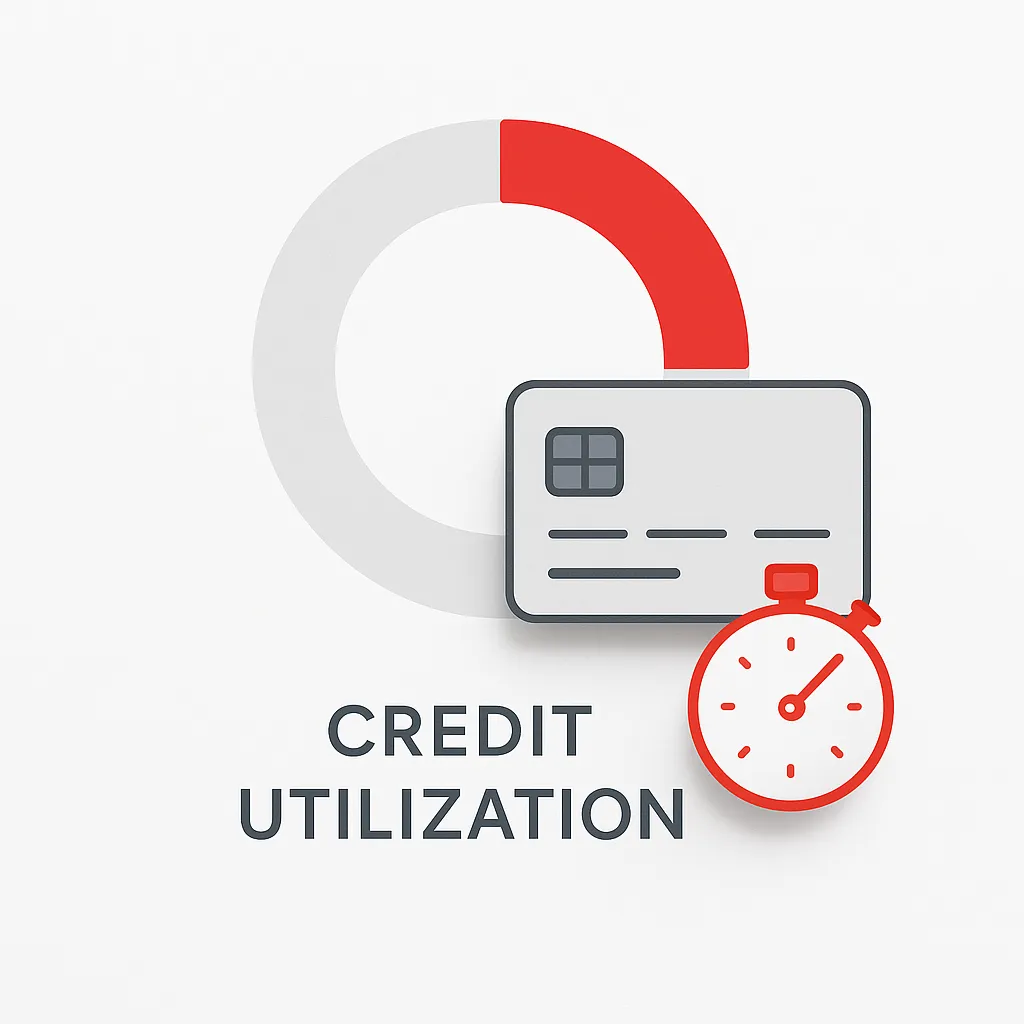
Utilisation is how much of your available credit you’re using. Many people feel “fine” month to month, but their statement shows the card was close to maxed out. If you can, aim to keep usage comfortably below your limit and avoid repeatedly hitting it right before the statement date.
3) Stability and identity details
Being on the electoral register at your current address and keeping addresses consistent across accounts helps lenders match you to your history. This is one of the simplest “admin wins” people overlook when they move.
4) Recent applications
Multiple applications in a short period can look like stress. If you are shopping around (especially for a mortgage), get clear on timeframes and ask the lender or broker what kind of search will be recorded.
A simple 7-step plan if you’re below “average”
If your score band is lower than you expected, don’t panic. Credit scores move slowly, but you can often improve the foundations with a short checklist.
- Check all three agencies. Start with the one you already use, then compare with the others.
- Fix errors first. Wrong address links, duplicate accounts, or settled debts still showing open are common.
- Get on the electoral register. If you’re eligible, it helps lenders verify you quickly.
- Lower utilisation before the statement date. A small early repayment can change what gets reported.
- Set direct debits for at least minimum payments. This protects you from forgetfulness.
- Pause new applications. Give your file time to breathe unless you truly need credit now.
- Keep older accounts open where sensible. Long, well-managed history can help. Don’t keep credit you can’t control.
If you are preparing for a big application, also review affordability: income, existing commitments, and recent spending patterns matter.
If your score suddenly dropped: do these checks
A sudden change often has a clear cause. Work through this list calmly.
- Missed payment: look for one small account that slipped (a store card, a phone plan, or a subscription).
- Utilisation spike: did you put a large purchase on a card right before the statement date?
- New search: did you apply for credit or a new mobile contract recently?
- Address mismatch: have you moved, or do different accounts use different address formats?
- Fraud markers: if you see accounts you don’t recognise, treat it as urgent and contact the provider and the agency.
For a general overview of what’s in a report and what to do if something looks wrong, MoneyHelper is a strong starting point: MoneyHelper credit scores and reports.

Before a mortgage, car finance, or a new card: a tidy-up timeline
If you’re about to apply for credit, the goal isn’t to chase a perfect number. It’s to make sure your file looks accurate, stable, and easy to understand.
4 to 8 weeks before
- Check your reports and fix errors.
- Reduce card balances if you can.
- Avoid switching addresses or opening new accounts unless necessary.
1 to 2 weeks before
- Keep spending predictable and avoid “big spikes” that force you to lean on credit.
- Make sure direct debits are in place and working.
If your spending feels noisy, it can help to simplify. Our Subscriptions guides are a quick way to trim recurring costs before you apply.
About 118M8: make spending decisions that protect future you
Credit scores improve when your money life looks manageable. 118M8 helps with the day-to-day part: it turns prices into hours worked, so you can pause before you spend and keep your plans steady.
- Sense-check purchases in time, not just pounds
- Sleep on it for 24 hours when you are unsure
- Track the wins when you skip a purchase and keep momentum
Want more reading? Start at the 118M8 blog or browse Credit Scores.
Frequently Asked Questions
What is the average credit score in the UK?
There isn’t one single UK average because Experian, Equifax and TransUnion use different score ranges. The practical check is the band shown next to your score (for example fair, good, excellent) and whether your report is accurate and stable.
Is 600 a good credit score in the UK?
It depends on the agency. A score of 600 can sit in different bands on different scales. Use the banding on your report, then look for the usual causes of a lower band: missed payments, high utilisation, and lots of recent applications.
Why is my credit score different on Experian, Equifax and TransUnion?
Agencies may have different lender data and they use different scoring models and ranges. That’s why the number can vary even if nothing dramatic has changed in your finances.
How can I improve my credit score quickly in the UK?
Quick wins are usually about fixing mistakes, joining the electoral register, and reducing credit card utilisation before your next statement is produced. Avoid applying for lots of credit in a short window.
Do lenders use my credit score number or my credit report?
Many lenders use your report details plus their own internal scorecards and affordability checks, rather than the exact consumer score number. Focus on the report and your overall manageability, not a single target number.