


How Often Does Credit Score Update? UK Timing Explained
If you’re watching your score like a kettle that won’t boil, you’re not alone. In the UK, your credit score updates when lenders send new information to the credit reference agencies — and that timing is usually monthly, not daily. Here’s what actually triggers an update, how long changes can take to show, and how to stay calm while you wait.
Quick Answer
How often does a credit score update in the UK?
Most UK credit scores update when new information reaches the credit reference agencies (Experian, Equifax and TransUnion). For many everyday accounts, that reporting happens about once per month — often around your statement date — so improvements usually show within a few weeks, not overnight.
If you’ve just paid off a card, registered to vote, or corrected an error, it’s normal for your score to look unchanged for a while. The key is to track the report line items (balances, statuses, searches, addresses), not only the number.
What actually “updates” your credit score?
When people ask how often does credit score update, they’re usually imagining a live meter that moves whenever they spend or repay. Credit scoring isn’t like that.
Your score is recalculated when your credit report data changes. In practice, updates come from three places:
- Lender reporting: a bank, card provider, mobile provider, BNPL provider, etc. sends new information (balance, payment status, account status) to a credit reference agency.
- Verification data updates: address links and electoral register entries update after a move or after registering to vote. (Related: Electoral Roll Credit Score.)
- Application activity: a new hard search appears, a new account is opened, or a limit changes.
That’s why you can do the “right” thing (pay early, reduce balances) and still see nothing for days. The score is waiting for the next data refresh.
Do credit scores update daily or monthly?
For most people in the UK, the honest answer is: usually monthly-ish.
Many lenders report account data to the credit reference agencies on a schedule that often lines up with your statement cycle. That means:
- You can make a payment today, but your report may still show last month’s statement balance until the next reporting date.
- Your score can move after the lender reports, even if you haven’t done anything “new” that week.
- Different accounts update at different times, so your file can feel like it changes in little batches.
If your score is jumping around, it’s often just reporting timing. If your score has dipped, it’s worth reading our calm checklist: Why Has My Credit Score Gone Down?

Typical Timeline
When common changes show up on your credit file
These are realistic time windows for many UK accounts. Yours can be faster or slower depending on the lender and which agency you’re viewing.
Same Day to 7 Days
- You check your score (soft search)
- Some app refreshes and notifications
- Basic admin in your app account
1 to 6 Weeks
- Credit card balance reductions after statement reporting
- New accounts and limits appearing
- Most lender-reported updates
Several Weeks+
- Electoral register updates after moving
- Some corrections and disputes
- “Settled” statuses catching up
For a government-backed overview of credit reports and improving your score, MoneyHelper is a solid baseline: how to improve your credit score.
Why your credit score might not be updating
If you’ve been doing all the sensible things and nothing is moving, it’s usually one of these.
1) You’re looking at the “score” view, not the report
Scores can be delayed, simplified, or rounded in apps. The report is where you’ll see what has actually changed: new balances, payment statuses, searches, addresses, and electoral roll entries.
2) The lender hasn’t reported yet (statement timing)
For credit cards, the date that matters is often the statement date, not the day you paid. If your statement balance was high when it was recorded, utilisation can look high even if you cleared it a day later.
3) Not every lender reports to every agency
The UK doesn’t have one credit database. Some lenders report to one or two CRAs, not all three. That’s a big reason you can see movement on one score and not on another.
4) You’re mid-dispute or waiting for a correction
If you’ve challenged an incorrect entry, updates can take time because the lender has to investigate and then send corrected data. If it’s a data accuracy issue, the ICO explains your right to have data corrected: your right to get your data corrected.

What to do while you’re waiting for the next update
Waiting is frustrating, but it’s also where people accidentally make things worse by over-correcting. Here’s the calm approach.
Keep payments boring
- Set direct debits for at least the minimum on credit cards.
- If you’re paying down balances, try to do it before the statement date, not just the due date.
Avoid panic applications
Multiple applications in a short period can add hard searches and make your profile look stressed. If you’re preparing for a big milestone (mortgage, car finance), our guide explains what lenders usually care about: What Credit Score Do You Need for a Mortgage?
Do one clean credit check across agencies (if you can)
Don’t check five times a day. Do one deliberate check, note the dates, and then come back after the next statement cycle. If you’re trying to understand what “good” looks like across ranges, start here: Average Credit Score UK.
If you’ve moved: expect address updates to lag
Address mismatches are one of the quiet reasons scores feel “stuck” (or dip) after a move. You might update your bank quickly, but your mobile provider, BNPL account, or an old store card may still show the previous address.
A simple tidy-up that tends to pay off:
- Update your address with every lender and provider you still use.
- Register to vote at your new address (if eligible).
- Check the address section of your report for duplicates.

About 118M8: make waiting easier on your money
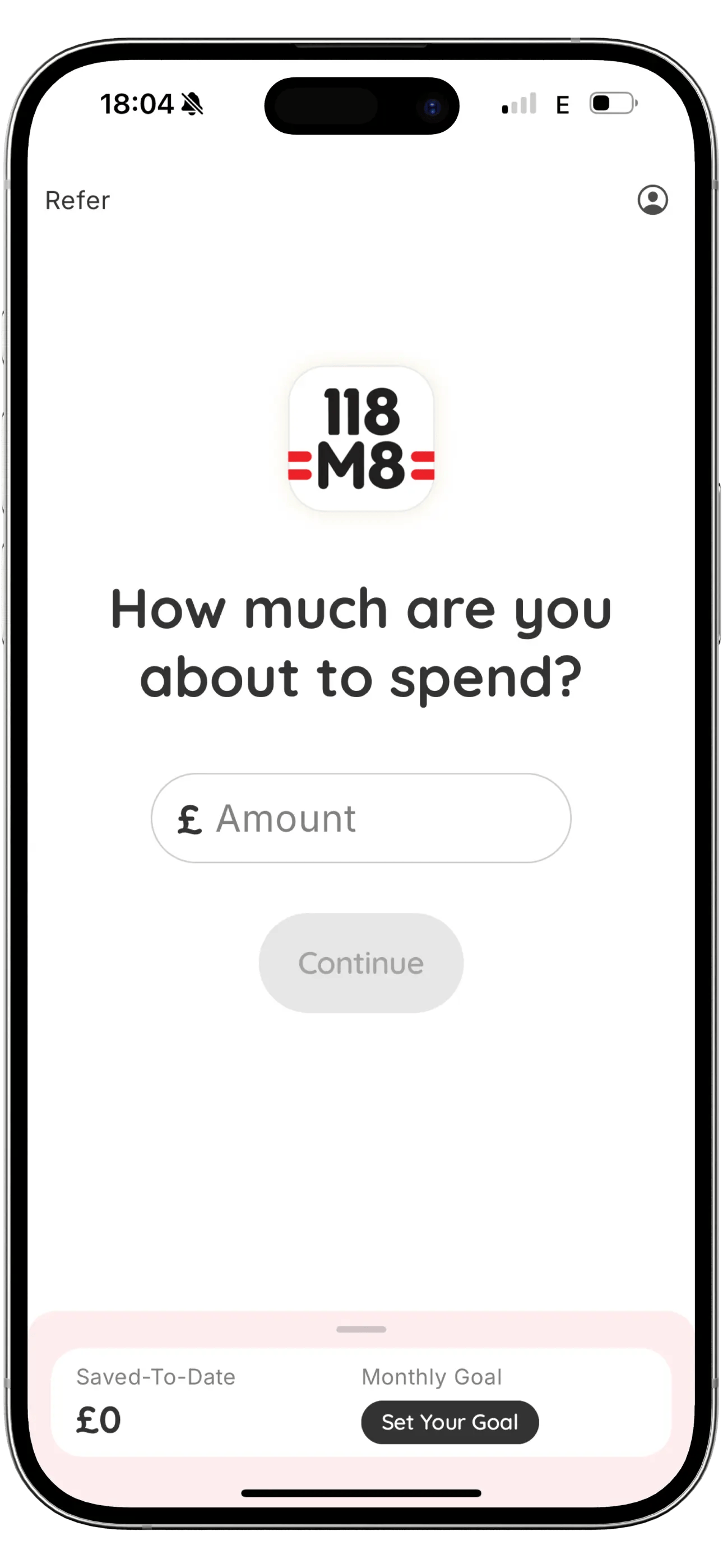
A steady credit file usually comes from steady habits: bills paid on time, balances kept manageable, and fewer rushed decisions. 118M8 helps with the day-to-day part by turning prices into hours worked so you can pause before you spend — especially when you’re tempted to “fix” a score dip by applying for something new.
- See the time cost behind a purchase in seconds
- Tap “Sleep on it” for a 24-hour pause
- Track what you saved when you didn’t buy
Keep learning: Blog home · Credit Scores · Subscriptions
Frequently Asked Questions
How often does a credit score update in the UK?
Most UK scores update when lenders send new data to the credit reference agencies. For many accounts that’s roughly monthly (often around statement dates), so changes commonly show within a few weeks rather than instantly.
Why is my credit score not updating?
Usually because the lender hasn’t reported new data yet, your credit app refreshes on a schedule, or the lender doesn’t report to every agency. Check the full credit report for dates and line-item changes, not only the score number.
Do credit scores update daily?
Typically no. UK credit report data is generally supplied periodically (often monthly). Your score can look unchanged day-to-day even after a payment, because the update happens when the new balance or status is reported.
How long does it take for a credit card payment to show on a credit report?
Often after the next statement cycle is reported. Depending on your statement date and the lender’s reporting schedule, this can take from a few days to several weeks.
Why is my score different across Experian, Equifax and TransUnion?
They use different scoring models and ranges, and lenders don’t all report to every agency. Compare the underlying report details and the banding, not just the number.
Does checking my own credit score lower it?
No. Checking your own score is a soft search and does not lower your credit score. Hard searches are normally recorded when you apply for credit and a lender checks your file.