

How Can I Stop Spending Money? A Calm, Practical Framework
If you’ve tried “just be disciplined” and it hasn’t stuck, you’re not broken. You’re human. This guide gives you a kind system you can use right before you spend: spot the trigger, add a little friction, pause, and choose what matters.

Quick Start
How can I stop spending money? Use this 10-step checklist
- Name your top two triggers (bored, stressed, celebrating, social pressure, late-night scrolling).
- Pick one category to focus on first (takeaways, clothes, subscriptions, random online buys).
- Make buying slightly harder: remove saved cards, sign out of retail apps, turn off one-click checkout.
- Put a pause between urge and action: 24 hours for non-essentials; 10 minutes for small urges.
- Translate the price into hours worked so it feels personal, not abstract.
- Use a “spend later” list (one note on your phone). Nothing gets bought straight from an ad.
- Swap the default: choose a cheaper or slower version (walk instead of Uber, cook instead of delivery).
- Use an if-then plan for your biggest moment (example below).
- Track wins (even tiny ones) so your brain learns this is working.
- Review once a week: what triggered you, what helped, what you will tweak.
You do not need to do all ten today. Pick two and repeat them until they feel automatic.
Why stopping spending is hard (even when you know what to do)
Most overspending is not a maths problem. It is a moment problem.
The moment looks like this: you are tired, your phone is nearby, the thing is one tap away, and the cost feels small because it is “only” £12 or “only” £39.
So the goal is not perfect self-control. The goal is a system that shows up at the exact moment you are about to spend.

Step 1: spot your triggers (without judging them)
If you want to stop spending money, start with a simple question: what is the purchase trying to fix?
- Stress buying: you want relief.
- Boredom buying: you want stimulation.
- Social buying: you want belonging.
- Late-night buying: you want an easy decision when your brain is tired.
Try this for three days: each time you want to buy something unplanned, write one line: time + place + feeling + what I wanted. That is enough data to redesign the moment.
Step 2: add friction in the places you overspend
Friction is just “one extra step”. The point is to give Future You a chance to speak up.
High-impact friction ideas
- Remove saved payment methods from shopping apps and takeaway apps.
- Turn off marketing notifications and unsubscribe from the worst emails.
- Move shopping apps off your home screen (or delete and use the browser).
- Use a separate “spending card” with a small balance for fun money.
- Make returns annoying for yourself: if you hate returns, avoid “maybe” purchases.
If you want a practical UK guide to recurring costs, browse Subscriptions and cancel the low-value ones first.
Step 3: replace “buy now” with a pause that actually fits real life
The classic advice is “wait 24 hours”. It is good advice, but it works best when you tailor it:
- 10 minutes for small urges (snacks, add-ons, little Amazon items).
- 24 hours for non-essential purchases that you did not plan.
- 7 days for big-ticket items you will still want next week if they are truly right.
During the pause, you are not trying to talk yourself out of it. You are letting the emotional spike settle so you can choose on purpose.
Step 4: convert the price into hours worked (the “is it worth my time?” test)
Money can feel vague. Time does not.
When you convert a £38 impulse buy into “2.5 hours of my work”, the choice becomes clearer. Sometimes you still buy it. But you buy it with your eyes open.

Step 5: use a “spend later” list (so you stop buying from ads)
This one rule does a lot of work:
If I see it in an ad, I do not buy it today. I put it on a list and review it later.
Your “spend later” list should be boring: one note called Spend Later with three columns:
- Item
- Price
- Why I wanted it
Review it once a week. Most items will feel irrelevant by then, which is exactly the point.
Examples: what to do in common spending categories
Takeaways and delivery
Takeaways are rarely about food. They are about energy. So build a back-up plan for low-energy moments.
- The two-freezer-meals rule: keep two emergency meals you genuinely like.
- The ten-minute first step: eat something quick (toast, eggs, soup) then decide.
- Choose a lane: either a planned weekly takeaway, or a no-delivery week. Ambiguity is expensive.

If food is your main leak, start here: Meal Prep.
Clothes and “small treats”
Clothes shopping often happens when you want a “new version of me” feeling. Instead of banning it, make it slower.
- One in, one out: if you buy a new top, an old one leaves.
- The three-outfit test: can you name three outfits you would wear this with?
- Sleep on it: if you still want it tomorrow, it is more likely to be a real preference.

Subscriptions and free trials
Subscriptions are sneaky because they are “small” but constant. The goal is a simple recurring habit: review and rotate.
- Cancel what you do not use this month. Not “soon”. Today.
- Rotate streaming services: one month on, one month off.
- Set a reminder to cancel trials at least 24 hours before they renew (Apple and Google both note this).

Helpful references: Apple’s guide to cancel subscriptions (HT202039) and Google Play’s help page on canceling subscriptions (answer/7018481).
A mini pause script for peer pressure (so you don’t spend to keep up)
You do not need a big speech. You just need one calm line that buys you time.
Use one of these scripts
- “I’m keeping this week light. I’m in for the walk, not the spend.”
- “That looks fun. I’m going to sleep on it and decide tomorrow.”
- “I’m doing a small reset. I’m skipping the extra today.”
- “I’m on a plan. Let’s do something free after.”
If you want, suggest the alternative immediately: a coffee instead of dinner, a park walk instead of shopping, a movie night at home instead of a big night out.

The one habit that makes this stick: an if-then plan
If-then plans are simple: you decide your response before the moment arrives.
Write one that matches your life. Keep it short:
Examples
- If I start browsing shopping apps in bed, then I add the item to Spend Later and close the app.
- If I want a takeaway after work, then I eat a ten-minute meal first and decide after.
- If I feel pressure to buy something when I’m out, then I say “I’m sleeping on it” and check tomorrow.
Track wins like a coach (not like a critic)
When you are trying to stop spending money, the brain needs proof that the effort is paying off. That proof is a simple win log.
- What I nearly bought
- What I did instead
- How I felt 24 hours later
Wins are not only “I saved £200”. Wins are also “I paused”. That is the skill.
Try it in the moment with 118M8
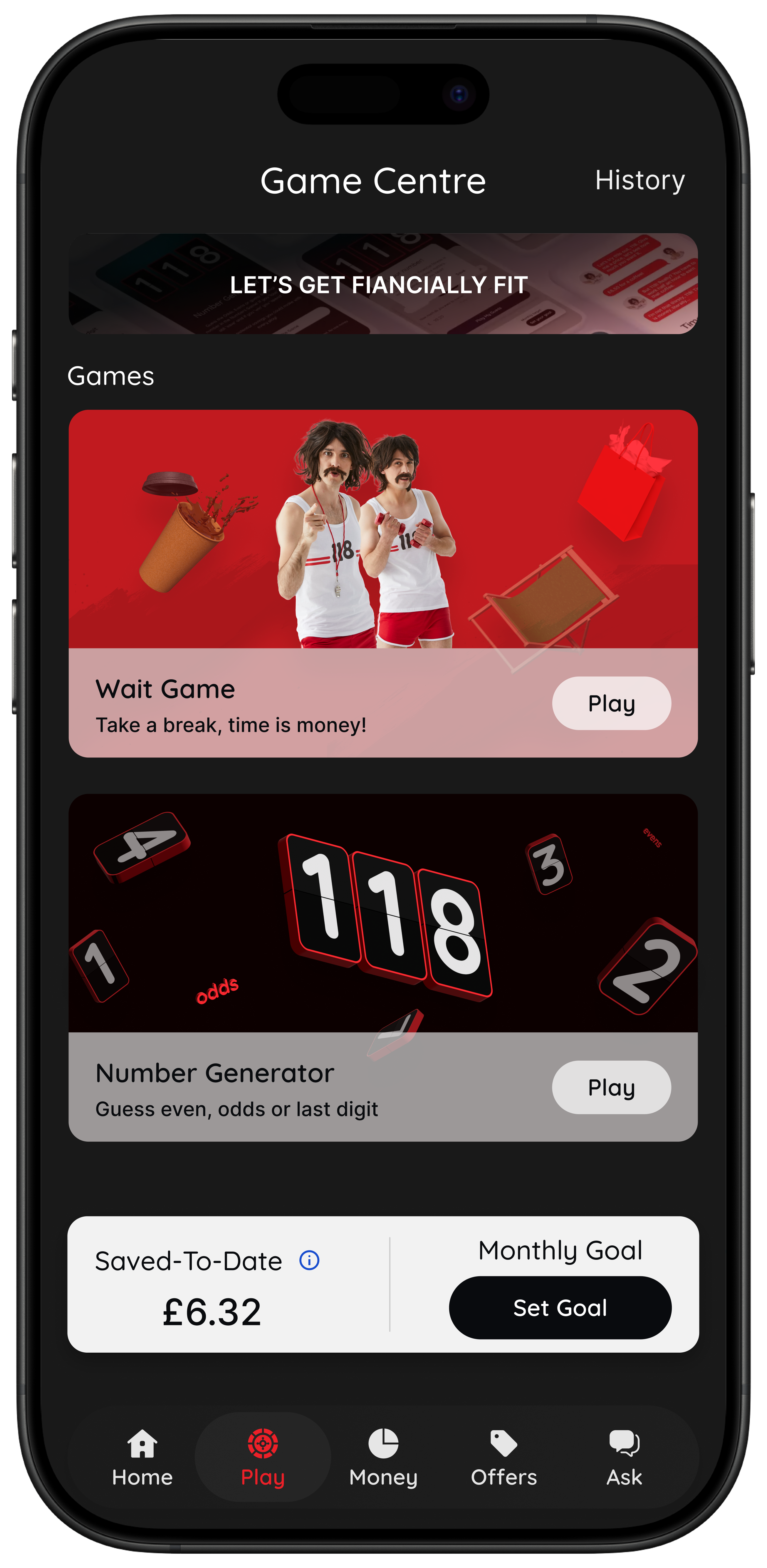
Most advice breaks down at the checkout screen. 118M8 is built for that exact moment. It gives you a calm pause without judgment, so you can choose what matters.
- Wait (Clock it): convert a price into the hours you would need to work to earn it.
- Sleep on it (Pause it): set a 24-hour reminder for a purchase you are unsure about.
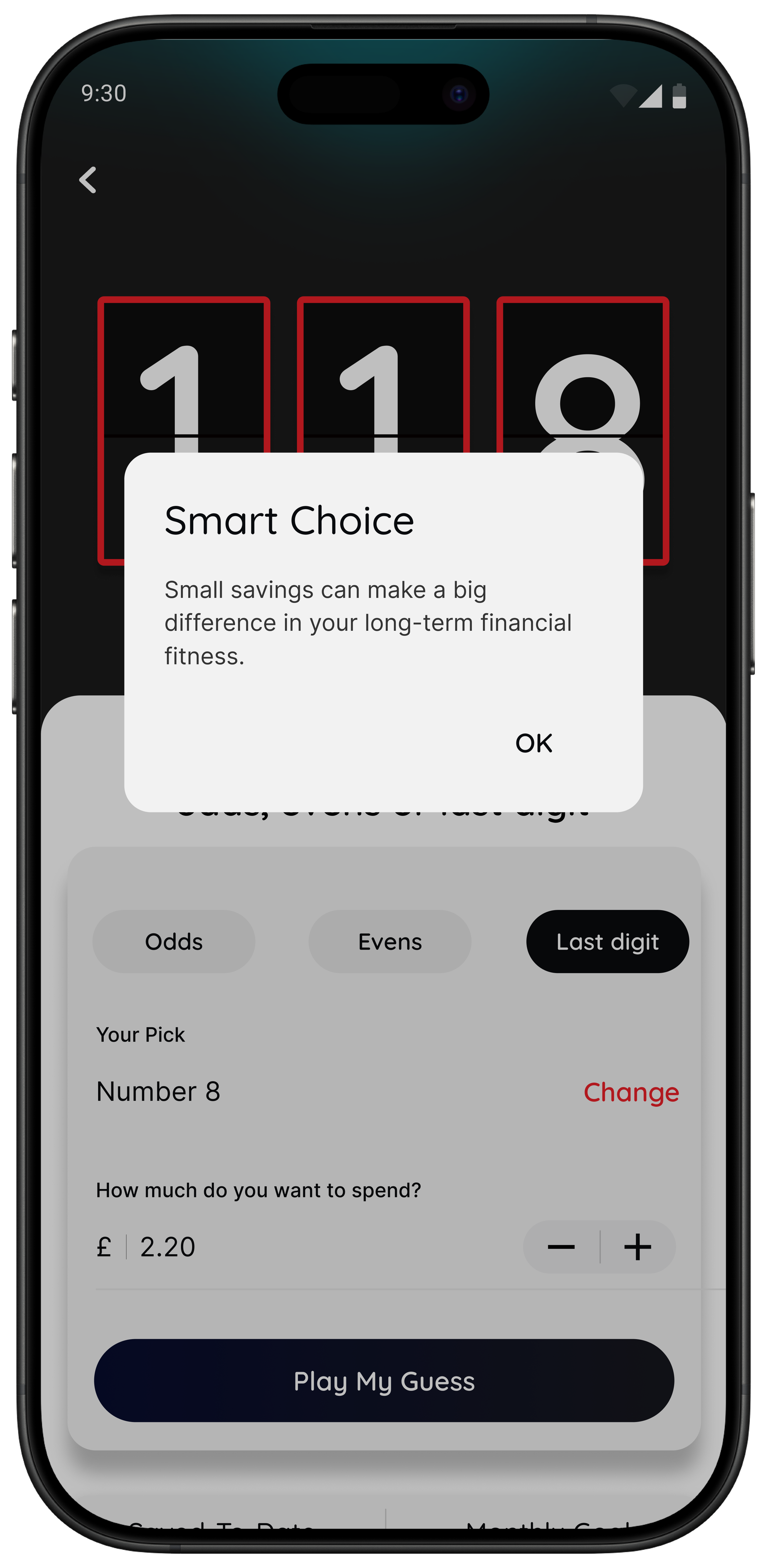
- Number Generator (Choose it): a neutral, playful pause that helps you step back and decide.
If you are a 118 118 Money credit card customer, you can also spot trends in the Money section and see where your money goes over time.
Frequently Asked Questions
How can I stop spending money impulsively?
Design for the moment you overspend. Add friction (remove saved cards), add a pause (10 minutes or 24 hours), translate the price into hours worked, and use an if-then plan for your biggest trigger. Your job is not to be perfect. It is to pause more often.
What is the 24-hour rule for spending?
For unplanned non-essential purchases, you wait at least 24 hours before buying. The pause lowers the emotional urgency so you can decide with a clearer head. If you still want it tomorrow, you can buy it guilt free.
How do I stop spending money on takeaways?
Treat it as an energy problem: keep two freezer meals you like, use a ten-minute food option first, and decide after. If takeaways are part of your social life, plan one per week and make the rest “no decision” days.
How do I cancel subscriptions so I stop wasting money?
List your recurring payments, cancel the ones you are not using, and set a reminder for trials. If you subscribed through Apple or Google Play, cancel in your subscription settings. Cancel at least 24 hours before renewal to avoid another charge.
How can 118M8 help me stop spending money?
118M8 is a spending companion designed for right before a purchase. Use Wait to turn a price into hours worked, Sleep on it to create a 24-hour pause, and the Number Generator to add a neutral moment of reflection. You stay in control and can track wins when you choose not to buy.
Stock images by Iuliia Pilipeichenko, Jakub Żerdzicki, Ambitious Studio, Zoe van Poetsprins.nl, Austin Distel and Brooke Cagle via Unsplash.