

Trainline Student Discount: What UK Students Should Check
If you are searching for a Trainline student discount, the quick answer is this: UK students can sometimes find Trainline-specific offers through student platforms, but the bigger and more reliable saving usually comes from using the right Railcard and checking the final fare against other booking routes. This guide shows what to verify, what can cancel out the saving, and how to decide whether the ticket is actually good value before you book.

Quick Answer
How to think about a Trainline student discount
If you are searching for a Trainline student discount, do not assume the best saving is a special Trainline code. For most UK students, the bigger and more repeatable saving comes from using an eligible Railcard and then checking whether Trainline still offers the best final fare once any booking fee is included. A student offer page can still be worth checking, but the only number that matters is the total price for the exact journey you want.
In other words, the right question is not only “Does Trainline have a student discount?” It is “What is the cheapest honest route for this trip today, and is the journey worth it at that final price?”
Trainline is one of the first places students look when they need to get home for the weekend, travel between university cities, or book a last-minute ticket after making plans late. That makes sense. The app is easy to use, journey planning is familiar, and it can surface split tickets and railcard discounts in one place.
But that convenience can blur the real question. A train ticket feels like a fixed necessity, so students often focus on getting any saving and stop checking after they see a discount badge. That is where money leaks out. On rail travel, the savings story is rarely just about one student deal page. It is about Railcard eligibility, timing, route flexibility, split tickets, and whether the platform adds a fee that another route does not.
This guide covers what students should check before trusting a Trainline student discount, how Railcards fit in, when Trainline can still be useful, and how to tell whether the fare is actually worth the hours you work for it.
The calm rule
Key PointDoes Trainline have a student discount in the UK?

The honest answer is: sometimes, but that is not the whole picture. Trainline-specific student offers can show up through student verification platforms, and students may also see Trainline pages or promotions tied to seasonal campaigns. Those can be useful to check, but they are not the main long-term saving most students rely on.
For most rail travel in the UK, the key student saving is still the 16-25 Railcard, which the official Railcard site says gives eligible travellers 1/3 off most rail fares. Some students aged 26 or over may instead fit the 26-30 Railcard, while full-time mature students can check whether they meet the student eligibility route for a 16-25 Railcard.
That is why the phrase Trainline student discount UK can be slightly misleading. Students often search for it because they want a cheaper Trainline booking, but the most useful answer is usually broader: your real discount may come from the rail network’s Railcard system rather than from Trainline itself.
If you do see a Trainline student page on a student platform, treat it as something to verify today, not as a permanent rule you can always budget around.
Why Railcards usually matter more than Trainline-specific offers

If you travel more than occasionally, Railcards are usually the first thing to check. The reason is simple: they are built into eligible rail fares across operators, not limited to one app’s promotion window.
According to the official 16-25 Railcard site, eligible travellers can save up to one third on most rail fares across Great Britain. That is a much stronger foundation than hoping a booking app happens to have a student promotion live on the day you need to travel.
Trainline supports Railcards in its booking flow, which means the app can still be useful. But the real saving is often coming from the Railcard, not from Trainline as a platform.
That distinction matters because it changes how you compare options:
- If you already have a Railcard, the key question is whether Trainline gives you the best final price for the journey.
- If you do not have one yet, the key question is whether buying a Railcard will pay back across the trips you actually expect to make.
- If you see a Trainline-specific student offer too, then compare both together instead of assuming the special badge is automatically the bigger win.
This is also where students sometimes miss value. A one-off code can feel exciting, but a Railcard can quietly save more over a term if you travel home regularly, visit friends in other cities, or take a few planned breaks through the year.
What Trainline can still do well for students

None of this means Trainline is a bad choice. It can still do a few useful things for students:
- simple journey planning across operators
- digital ticket storage in one place
- Railcard support during booking
- split ticket surfacing on some journeys
For students making a quick booking between lectures or late at night, convenience matters. A slightly easier app can genuinely reduce friction. The mistake is not using Trainline. The mistake is assuming convenience and value are always the same thing.
Trainline’s own help page on digital Railcards also explains a few details students should know. If you buy a Railcard through Trainline, it is associated with the email address used for purchase, and Trainline says you currently cannot buy a Railcard and apply that discount within the same booking. In practice, that means you may need to buy the Railcard first, then book your ticket in a separate transaction.
That is not a dealbreaker, but it is worth knowing before you rush a booking and assume the saving will apply instantly.
A better question
Key PointWhere the saving can disappear

The biggest mistake students make with a Trainline student discount is focusing on the discount label instead of the whole booking.
Here are the main places where the saving can shrink:
- booking fees if Trainline charges one on the fare you are buying
- peak-time travel where the base fare is high even after a discount
- flexible fares that cost far more than a fixed train you could realistically commit to
- missing a cheaper operator route for the exact same journey
- buying late when advance fares have gone
This is why the final comparison matters so much. If Trainline adds a fee to a small ticket, a modest student offer may stop looking special. If your Railcard saves money but you are still booking an expensive peak departure, the bigger saving may have been changing the time rather than chasing another code.
For many students, the best train-ticket habit is not “open Trainline and hope.” It is “check whether I have the right Railcard, see whether the time is flexible, and then compare the final total.”
How to compare Trainline properly before you book

If you want to check a Trainline student discount properly, use this order:
- Check whether a Railcard applies. If yes, add it first in your comparison thinking.
- Search the exact same journey details. Same stations, same trains, same date, same fare type.
- Look at the total price, not just the headline fare. Include any fee shown before payment.
- Check whether split tickets appear. They can be helpful, but make sure you understand the itinerary.
- Compare against at least one alternative booking route. The operator may sell the same ticket without an extra fee.
Students often skip that last step because they are booking in a rush. But it is the same logic that matters on a Currys student discount or a Just Eat student discount. The saving is real only if the final basket is better than the alternatives.
It is also worth checking whether your travel plan is fixed enough for an Advance fare. If you are highly likely to take a specific train, locking into that ticket can matter more than any separate student promotion. If your plans are uncertain, flexibility may still be worth paying for, but at least make that a conscious choice rather than an accidental one.
When buying a Railcard usually makes sense for students
A Railcard is often worth it faster than students expect. You do not need to be a heavy commuter for the maths to start working.
In broad terms, it may be worth buying if you expect to:
- travel home a few times during term
- make intercity journeys to visit friends or placements
- book more than a couple of medium-cost trips over the year
The official National Rail Railcards page and the dedicated Railcard sites are the safest places to check current eligibility and pricing. That matters because eligibility details and minimum fare rules can change over time.
If you are a mature student, check carefully rather than assuming “student” and “16-25” are separate worlds. Some full-time mature students may still be eligible for a 16-25 Railcard through student status, while others may fit the 26-30 Railcard more directly. The point is to verify what is true for you, not just what sounds closest to your situation.
When a Trainline booking can still be worth it
A Trainline booking can still make sense when:
- the final fare is as good as or close to the alternatives
- the app surfaces a split ticket that genuinely lowers the price
- having your tickets and Railcard in one app makes the trip easier to manage
- you value speed and clarity enough that the small difference is acceptable
That last point matters. Not every decision has to optimise for the absolute cheapest number. Convenience has a cost, and sometimes it is worth paying. The calm move is simply to know when you are paying for convenience rather than telling yourself it is the cheapest option when it is not.
If the gap is tiny and Trainline makes the journey simpler for you, that can be a reasonable choice. If the gap is meaningful and you are booking several trips across a term, the extra friction of comparing properly is probably worth it.
Use an hours-worked check before you book
Quick Check
What does this train fare cost in hours?
Enter the final amount you would actually pay after any Railcard discount, student offer, and booking fee.
This trip costs you
0.0 hours
If you buy it weekly
That’s 0.0 hours of take-home time per week.
Train travel can be necessary, but turning the fare into hours still helps you weigh convenience, timing, and urgency more honestly.
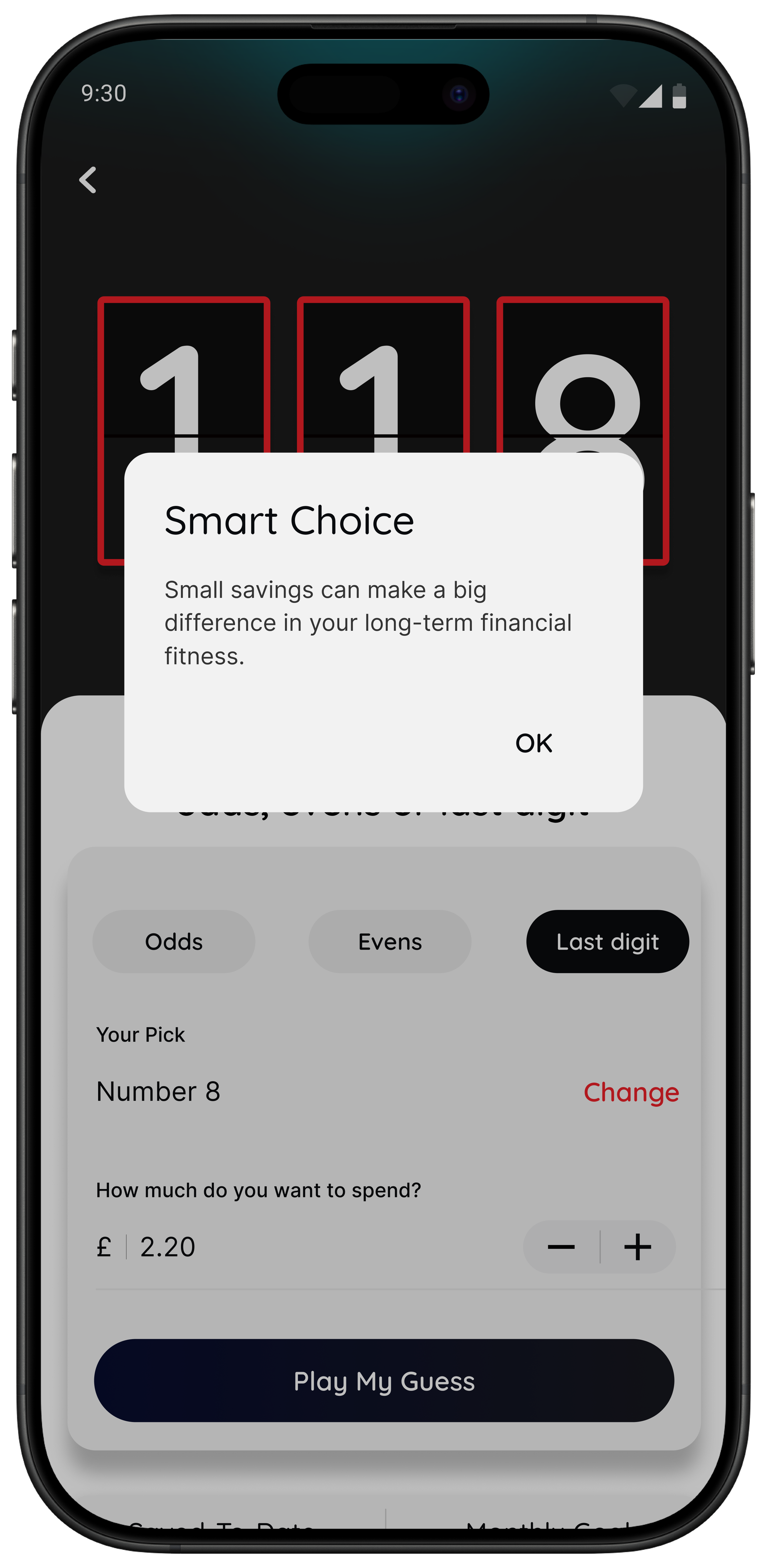
This is where 118M8 becomes useful. Train tickets can feel non-negotiable, especially when the trip has a clear purpose. But even necessary spending benefits from a pause. A cheaper ticket next day, an off-peak return, a coach alternative, or deciding the trip can wait another week may all look different once you turn the fare into hours worked.
Ask yourself:
- Is this the right time to travel, or just the easiest time to book?
- Have I checked the best real discount route, not just the nearest app?
- Would I still choose this fare if there were no student badge on it?
Sometimes the answer is still yes, and that is fine. The goal is not to make every trip feel guilty. It is to stop convenience from hiding the trade-off.
A calmer student checklist for train bookings
- Check Railcard eligibility first.
- Search the exact same journey details when you compare.
- Watch for booking fees and fare restrictions.
- See whether changing the time saves more than any student badge.
- Run the hours-worked check.
- Pause if the trip is optional and the price feels high.
This same system works beyond rail. It is the same mindset behind checking a retail code, a food delivery offer, or a subscription plan properly. The discount should support the decision, not make it for you.
How 118M8 helps before travel spending
118M8 is built for moments like this. You need to book, the app makes it easy, and a discount badge can make the spend feel settled before you have checked whether it is really the best option.
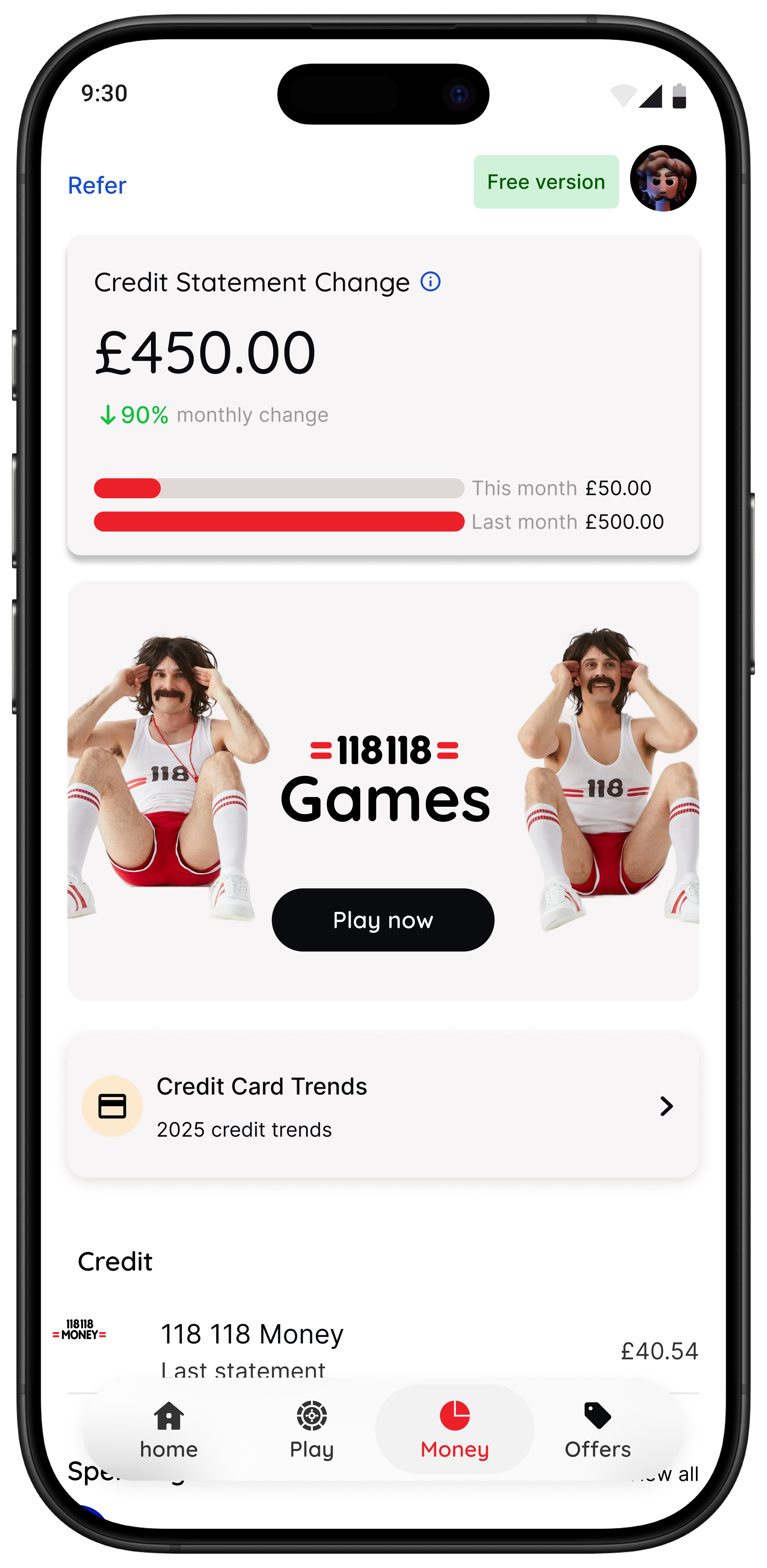
- Clock it by turning the final fare into hours worked
- Pause it with Sleep on it when the trip is flexible
- Spot it by noticing how often travel or impulse plans hit your budget
- Choose it with a calm prompt instead of rushing at checkout
Keep reading: Blog home · Student Savings · Currys student discount · Just Eat student discount · Netflix student discount · Council tax exemption
Trainline Student Discount FAQs
Does Trainline have a student discount in the UK?
Trainline-specific student offers can appear through student platforms, but they are not the main saving most students use. In practice, the most reliable student saving usually comes from an eligible Railcard, such as a 16-25 Railcard or, for some mature students, a 26-30 Railcard or 16-25 Railcard via full-time study eligibility.
Is a Railcard better than a Trainline student discount?
Usually yes. A Railcard can reduce eligible rail fares by up to one third across many journeys, while Trainline-specific student offers may be narrower or temporary. The best move is to check both and compare the final fare.
Can Trainline fees wipe out the saving?
They can. If Trainline adds a booking fee on the journey you are buying, a small discount may stop looking special. Always compare the total you pay, not just the headline saving.
Can students buy and use a Railcard in the Trainline app?
Yes, Trainline supports digital Railcards in its app, but if you buy a Railcard on Trainline it is tied to the email address used for purchase. Trainline also says you currently cannot buy a Railcard and apply that discount in the same transaction, so you may need to buy the Railcard first and then book separately.
What should students compare before booking with Trainline?
Check whether a Railcard applies, whether split tickets are offered, any booking fee, whether the train company sells the same ticket without the fee, refund conditions, and the final total for the exact same journey and time.
Stock images by Sam, Timur Shakerzianov and Ussama Azam via Unsplash.