

Black Friday SIM Only Deals: A Calm UK Buying Plan
SIM-only deals can be genuinely good value on Black Friday, but only if you compare the full cost (not just the first 3–6 months), check coverage where you actually use your phone, and avoid price-rise surprises. This guide keeps it simple and helps you decide if the deal is worth the hours it costs you.

When people search black friday sim only deals, they usually want one of two outcomes:
- Pay less per month for the same kind of usage.
- Get more data without upgrading their phone.
Both are sensible. The part that trips people up is that SIM-only “price” is rarely just the number on the ad. It’s a bundle of things: contract length, what happens after the promo period, whether the bill can rise mid-contract, and whether the network actually works where you live.
This guide is UK-focused, network-agnostic, and designed to help you choose calmly, not quickly.
The simple rule
Key PointStep 1: Decide Your ‘Good Enough’ Plan (So You Don’t Overbuy Data)

Black Friday is great at making “more” feel urgent. With SIM-only, “more” usually means more data. But if you’re on Wi‑Fi most of the time, paying for unlimited can be the quietest kind of overspend: it doesn’t hurt in the moment, it just drains month after month.
Do this quick check (2 minutes)
- Look at your last 2–3 months of mobile data usage in your phone settings or your provider app.
- Notice your spikes: travel, festivals, commuting, working away from home.
- Decide what you’re optimising for: lowest cost, best coverage, tethering for work, or EU roaming.
If your usage is usually low but you have one big month occasionally, a 30‑day rolling SIM can be calmer: you can upgrade for a month and then drop back down.
Step 2: Compare Like-for-Like (SIM Deals Aren’t Standardised)

To compare SIM-only deals fairly, line up these essentials:
- Contract length: 30 days, 12 months, or 24 months
- Monthly price: intro price and what happens after any promo period
- Data cap: and whether there is a speed cap or fair usage policy
- EU roaming: included, limited, or charged
- Network and coverage: the network it runs on, and signal where you live and commute
A quick sanity check
Key PointStep 3: Do the Only Number That Matters: Total Cost Over the Full Term

SIM-only deals often use a “£X for 3–6 months” hook. That’s fine, but you need the full picture.
Total cost formula
- (promo monthly price × promo months)
- + (standard monthly price × remaining months)
- + any admin / connection fees (if they exist)
If the contract allows in-contract price rises, treat that as part of the plan. You don’t need to predict exact inflation to be sensible, but you should read the price rise section before you commit.
Step 4: Coverage First (A Cheap SIM That Doesn’t Work Is Expensive)

Before you switch, check coverage in the places you actually spend time:
- Home: indoors, not just outside
- Work or campus: especially if the building is thick-walled
- Commute: train lines and key roads if you rely on your phone
A calm, neutral place to start is Ofcom’s consumer guidance on mobile and broadband services: Ofcom phones and broadband advice.
Step 5: Convert the Monthly Saving Into Hours Worked (So It Feels Real)
Quick Check
Is this SIM-only deal worth the switch?
Enter your monthly saving compared to your current plan (or enter the extra cost if it’s higher). Then see what that means in hours of take-home time.
That monthly change costs you
0.0 hours
If you pay it monthly
That’s 0.0 hours of take-home time per month.
This is a personal decision tool. It doesn’t tell you what to do. It helps you see the trade-off.
SIM-only decisions are a great place to use the hours-worked test because the spend is recurring. A £6 saving feels small, but over 12 months it can be meaningful. A £6 overspend is the same problem in reverse.
Once you’ve seen the hours, ask:
- Will I notice the improvement? coverage, speed, or roaming convenience
- Is the saving big enough to matter monthly?
- Is the contract length calm? 30 days is flexible 12 months is often a sweet spot 24 months is a bigger commitment
Common Black Friday SIM-Only Deal Traps (And Calm Fixes)

Trap 1: A low price that only lasts a few months
Some deals are cheap for 3–6 months and then jump. That can still be fine if you planned for it.
Fix: write down the month-by-month cost and compare the full term total.
Trap 2: Buying 24 months of ‘just in case’ data
Unlimited data can be great. But buying it because you fear running out is different from buying it because you use it.
Fix: check your actual usage, then choose a plan with headroom rather than a plan built for someone else.
Trap 3: Roaming surprises
EU roaming rules and allowances vary by provider and plan.
Fix: if you travel, confirm the roaming details before you switch. If it’s unclear, treat that as a yellow flag.
Trap 4: Switching without checking how you’ll keep your number
Number switching is usually straightforward, but it’s still a process.
Fix: plan to request your PAC code when you have a little breathing room, not in the middle of a busy day.
A Simple SIM-Only Deal Checklist (Copy/Paste Before You Buy)
- Your need: you know your typical data use and whether you need roaming or tethering
- Coverage check: you checked signal where you live, work, and commute
- Like-for-like: you compared contract length and what happens after promos
- Total cost: you calculated the full 12–24 month total (not just the intro month)
- Price rises: you read the in-contract price change terms
- Hours test: you converted the saving (or extra cost) into hours worked
- Plan B: if you’re unsure, you’ll sleep on it and decide tomorrow
How 118M8 Helps You Stay Calm With SIM-Only Deals
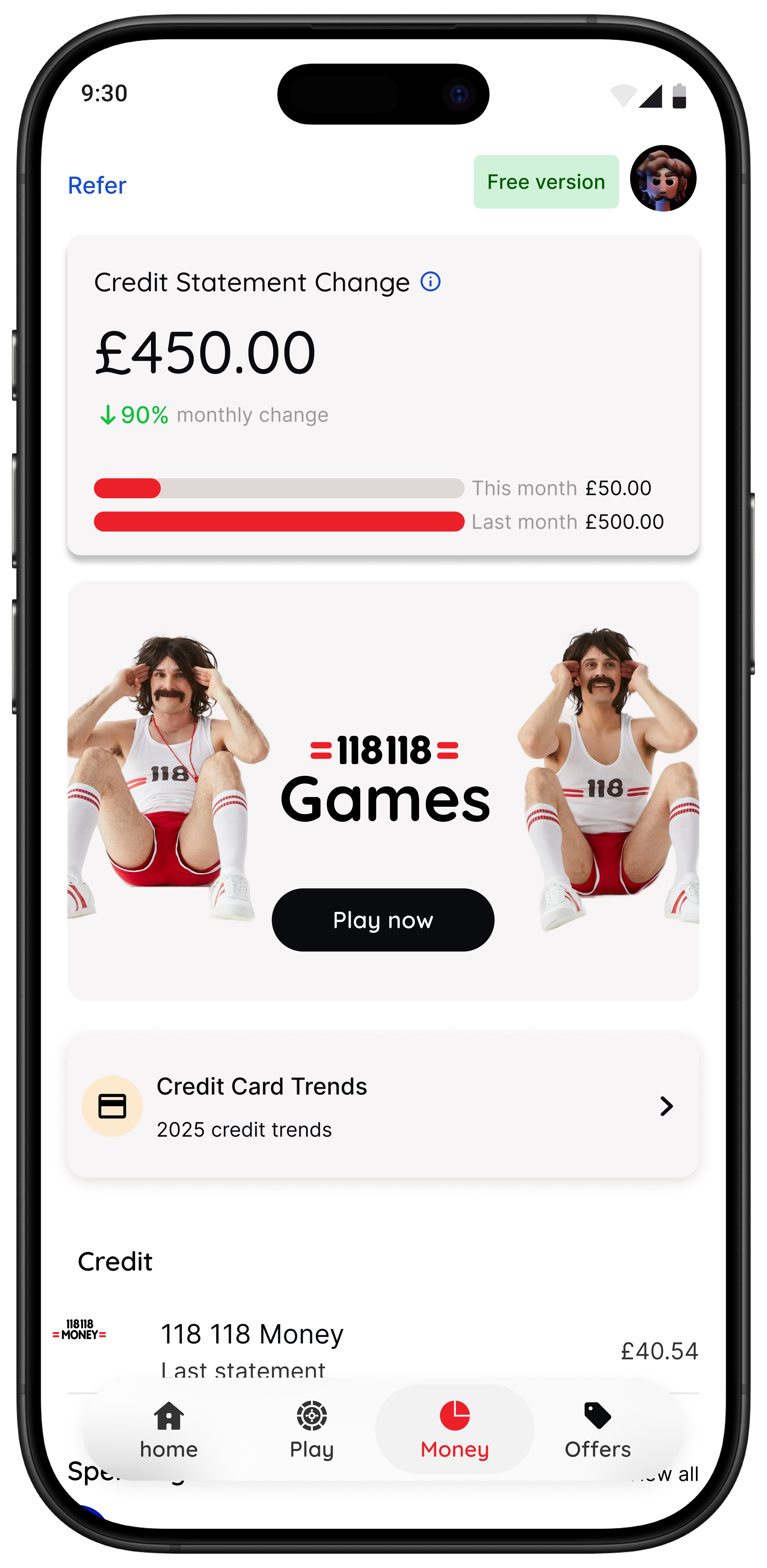
118M8 is a mobile spending companion designed to build Financial Fitness. It helps you make everyday choices without judgement and without guilt tactics.
- Spot it: if you’re a 118 118 Money credit card customer, see spending trends so a new monthly bill doesn’t quietly squeeze your budget
- Clock it: turn “£8 a month” into hours worked so the trade-off feels real
- Pause it: set a Sleep on it reminder so tomorrow-you gets a vote
- Choose it: use the Number Generator game for a neutral moment of reflection
If you want more calm buying guides, you can browse: Black Friday guides.
If you’re also tidying recurring costs, these can help: Subscription cancellation guides and a calm framework to stop overspending.
To see 118M8 before Black Friday gets loud, here’s the overview: 118M8 app overview.
Black Friday SIM Only Deals FAQs
Are Black Friday SIM-only deals actually worth it in the UK?
They can be. The best Black Friday SIM-only deals are usually time-limited discounts on 12–24 month contracts or strong 30-day rolling prices. The key is comparing the total cost over the full term, checking coverage where you live and commute, and confirming any in-contract price rises.
What is the biggest trap with SIM-only deals?
Comparing only the first month price or the headline data allowance. A deal can look cheap but jump after 3–6 months, include admin fees, or become expensive after in-contract price rises. Always calculate the full 12–24 month cost.
Should I pick a 30-day SIM or a 12-month contract on Black Friday?
If you want flexibility, a 30-day rolling SIM is calmer because you can leave easily if coverage or service disappoints. If the saving is substantial and you’re confident in coverage, a 12-month contract can be good value. Treat 24-month deals cautiously unless the monthly price stays affordable after any increases.
Do I need unlimited data?
Most people don’t. If you mainly use Wi‑Fi at home and work, a mid-range allowance can be plenty. Unlimited can make sense if you tether, stream lots of video away from Wi‑Fi, or use your phone for work. The calm move is checking your last 2–3 months of usage before you buy.
Can I keep my number when switching SIM-only?
Usually, yes. In the UK you can request a PAC code from your current provider and give it to the new provider to move your number. Start the switch when you can handle a short period of changeover (and avoid doing it on a day you need perfect service).
Stock images by Vitaly Gariev, Brett Jordan, Baatcheet Films and Covene via Unsplash.