


What Is the Average Credit Score UK? A Clear Answer
If you’re asking “what is the average credit score UK?”, you’re usually trying to work out if you’re in a decent place for a mortgage, car finance, or a new card. Here’s the calm answer: the “average” depends on where you check—so we’ll show you how to interpret it properly, and what to do next.
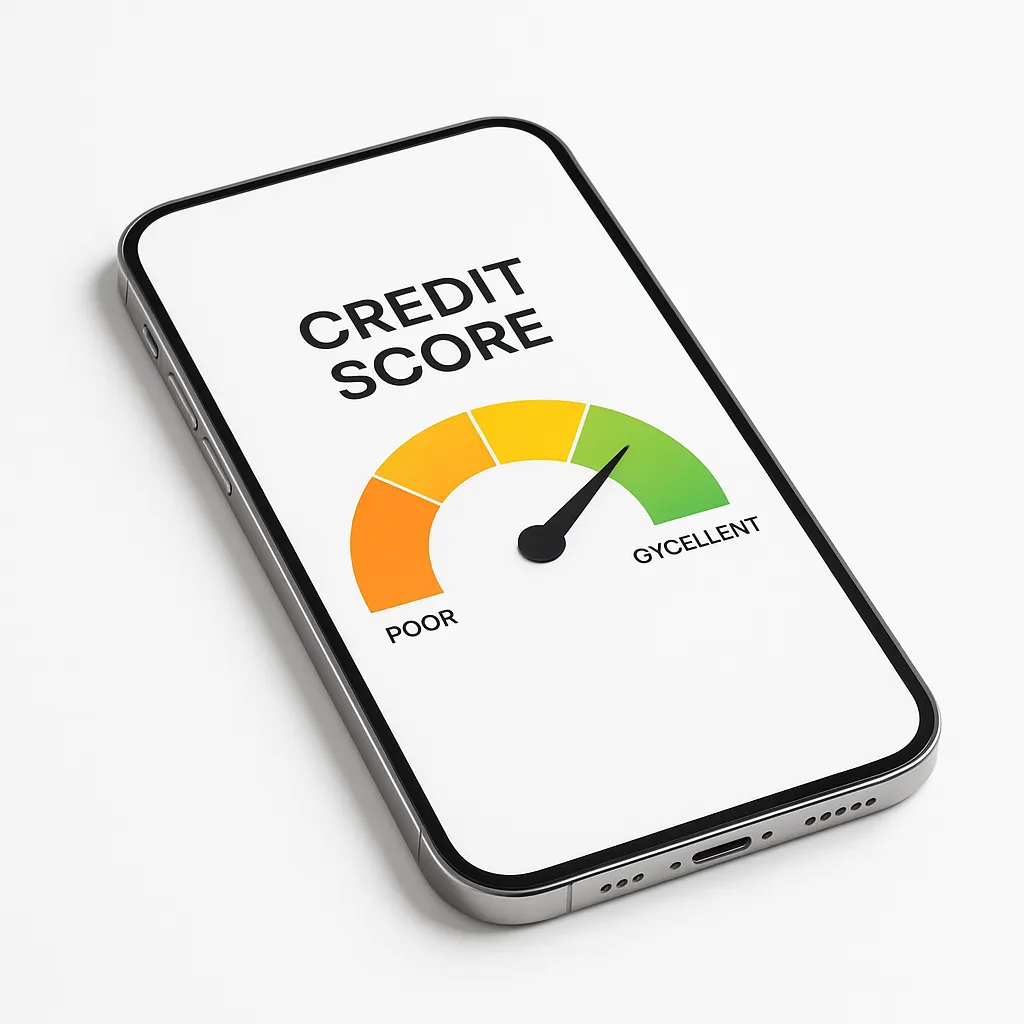
Quick Answer
What is the average credit score UK?
There isn’t one single average credit score in the UK because the three main credit reference agencies use different scoring ranges and different models. A score that looks “average” on one scale can look high or low on another.
If you want a useful benchmark, use the band shown next to your score (for example fair, good, excellent) and check your report for the few factors lenders consistently care about: on-time payments, sensible borrowing, and stable details.
Why people ask this (and what they usually need to know)
Most readers aren’t chasing a perfect number for its own sake. They’re trying to work out whether a lender might see them as manageable—especially before a mortgage, car finance, or a new credit card.
So here’s the calm reframing: instead of “am I above average?”, ask:
- Am I in a healthy band on my agency?
- Is my report accurate (addresses, account status, balances)?
- Do I have any recent red flags (missed payments, heavy utilisation, lots of applications)?
If you’re troubleshooting a recent dip, our checklist on why your credit score went down is a good next step.

UK credit score ranges (why your “average” depends on the agency)
In the UK, your credit information is held by three main credit reference agencies. The key point: they don’t use the same number range.
| Agency | Typical consumer score range | Where to check |
|---|---|---|
| Experian | 0 to 999 | Experian account |
| Equifax | 0 to 1000 | Equifax |
| TransUnion | 0 to 710 | TransUnion (also via partner apps) |
Ranges and access methods can change. Use the score banding shown next to your number as your baseline.
MoneyHelper (the UK’s free, government-backed money guidance service) explains how credit scores and reports work and why scores can vary: MoneyHelper credit scores and credit reports.
So… is there any “average” you can trust?
An “average” can be a useful conversation starter, but it’s a blunt tool. Two people can have the same score and look very different to a lender if one has a clean, stable history and the other has recent missed payments or heavy reliance on credit.
In practice, if your report is clean and your score sits in a good (or better) band for the agency you’re using, you’re usually in a decent place. If you’re in a lower band, that doesn’t mean you’re “bad with money” — it often just means there’s one fixable issue (an old missed payment, high utilisation, or an address mismatch).
For the deep dive on what a “typical” score looks like and why averages can mislead, see our companion guide: Average Credit Score UK: What’s Normal and What to Do Next.
The four checks that matter more than “average”
If you only do four things after reading this, make them these. They’re the quiet basics that move credit scores over time.
1) Pay on time (even if it’s only the minimum)
Payment history is one of the strongest signals in UK credit files. A single missed payment can outweigh lots of “good behaviour”. Setting up direct debits for at least minimum payments is one of the simplest protections against forgetfulness.
2) Keep credit card utilisation comfortable
Utilisation is how much of your credit limit you’re using. You can pay in full every month and still look stretched if the balance is high at statement time. If you can, make a small early payment before your statement date so the reported balance is lower.
3) Make your details stable and consistent
Being on the electoral roll (if eligible) and keeping addresses consistent across accounts helps lenders verify you and connect your history. If you’ve moved recently, check for address mismatches and old linked addresses.
We cover the electoral roll in more detail here: Electoral Roll Credit Score: What It Means in the UK.
4) Slow down new applications
Lots of recent applications can look like financial stress. If you’re planning a big application, it can help to pause and tidy your file first. If you’re unsure how quickly things refresh, read: How Often Does Credit Score Update? UK Timing Explained.
If you want a quick tidy-up: a calm 30-day timeline
Credit scores rarely jump overnight, but you can usually improve the foundations in a month—especially if the issue is admin-related.
Week 1: Check and compare
- Check your report and score on the service you already use.
- Scan for obvious errors (wrong address, old accounts still marked open, balances that don’t make sense).
- If you’re preparing for a major application, consider checking all three agencies for consistency.
Week 2: Fix the basics
- Set direct debits for at least minimum payments.
- If you’re eligible, make sure you’re registered on the electoral roll at your current address.
- Reduce card balances where you can (even modestly).
Weeks 3–4: Keep things steady
- Avoid making multiple new applications close together.
- Keep spending predictable (big spikes can push you into heavier credit use).
- Re-check after your next statement date and lender reporting cycle.

About 118M8: make money decisions you still like tomorrow
A steady credit file is often a side effect of a steady day-to-day. 118M8 helps you pause before you spend by turning prices into hours worked. It’s a simple way to avoid impulse buys that push spending onto credit—especially in the run-up to a big application.
- Convert any price into the time it takes to earn
- Sleep on it for 24 hours when you’re unsure
- Track the wins when you choose not to buy
More guides: Credit Scores and Subscriptions.

Frequently Asked Questions
What is the average credit score in the UK?
There isn’t one universal UK average because Experian, Equifax and TransUnion use different scoring ranges and not all lenders report to every agency. The practical check is the band shown next to your score (for example fair, good, excellent) and whether your report is accurate and stable.
What is a good credit score in the UK?
It depends on the agency. A “good” score is usually defined by the banding on your report. Lenders also consider affordability and the underlying report details, not only the number.
Why are my credit scores different across Experian, Equifax and TransUnion?
Agencies can have different data because not every provider reports to every agency, and each agency uses its own scoring model and range. That’s why the number can differ even when nothing dramatic has changed.
Does the average credit score matter for getting a mortgage?
Not directly. Mortgage lenders use their own criteria and often look more closely at your report details and affordability. Aim for a clean file and stable behaviour rather than chasing “above average”.
How can I improve my credit score in the UK without applying for more credit?
Start with non-application wins: register on the electoral roll (if eligible), fix errors on your report, set direct debits for at least minimum payments, and reduce credit card utilisation before your statement date. Then give it a few weeks to update.