
Meal Prep Containers: What to Buy (and What to Skip)
If your containers leak, stain, or stack badly, meal prep becomes a chore and the fridge turns into a mystery box. This guide helps you buy the right set once, portion meals safely, and keep costs down all week.

Quick Answer
What are meal prep containers?
Meal prep containers are reusable food storage boxes that make it easy to portion cooked meals, keep food fresh, and transport lunches without leaks. The right set is less about “the fanciest brand” and more about two sensible sizes, lids that actually seal, and stacking that fits your fridge.
If you’re trying to cut food costs, containers are the hidden lever. When leftovers are packed neatly and visible, you’re less likely to do the expensive thing at 6pm: “we’ll just grab something.”
Why meal prep containers save money (and time)
Meal prep usually fails for a boring reason: the food exists, but it’s inconvenient. A good container set makes the “cheap option” the easy option.
- Fewer emergency shops. When your lunch is already boxed, you’re not buying a meal deal plus snacks because you forgot food.
- Less waste. Leftovers that are cooled, sealed, and dated get eaten, not abandoned in a saucepan.
- More consistent portions. Portioning once reduces over-serving and helps a batch meal stretch to the end of the week.

Start Here
The container set that works for most people
If you buy one set and stop thinking about it, buy this shape of setup:
5× medium
For weekday lunches and main meals.
Aim: about 700–1000 ml.
3× small
Snacks, yoghurt, fruit, chopped veg, sauces.
Aim: about 250–500 ml.
2× large
Batch storage before portioning, or family leftovers.
Aim: 1.5–2 litres.
If you’re prepping for two people, double the medium containers before you buy more gadgets.
Glass vs plastic meal prep containers: the honest trade-offs
Search results love a definitive answer. Real life is messier. Pick what you’ll actually carry, wash, and stack.
Glass containers
- Best for: curries, tomato sauces, strong smells, reheating without stains.
- Trade-off: heavier in a backpack; can chip if dropped; you should avoid sudden temperature changes.
Plastic containers
- Best for: carrying lunch daily, kids’ portions, and when you want lightweight stacking.
- Trade-off: stains and smells are more common; lids may warp or loosen over time.

How to avoid leaks (without buying a whole new set)
If you’ve ever arrived at work with soup in the bottom of your bag, you’re not alone. Leaks usually come from one of three things: sealing hot food, overfilling, or weak lids.
- Cool the food first. Hot food creates steam, pressure, and condensation that can pop lids.
- Leave headspace. Fill to about 80–90% so the lid can seat properly.
- Keep liquids small. Put dressing or sauce in a mini pot, then add at lunchtime.
- Pack upright. Sounds obvious, but it’s the cheapest “upgrade.”
If you want a quick lunch routine that supports saving money, pair this with a simple weekly plan from the Meal Prep category so you’re not reinventing lunch every day.
Freezer meal prep containers: what matters most
Freezer meal prep is where containers pay for themselves. It turns “we have nothing in” into “we have something in 6 minutes.”
- Shape beats volume. Flat, stackable containers freeze and defrost faster than deep tubs.
- Leave extra headspace. Liquids expand when frozen.
- Label the boring details. Dish + date + portion size. This is the difference between “ready meal” and “mystery block.”

Microwave safety and reheating tips
Most container disasters happen in the reheat: warped lids, splatter, or dried-out rice. A few habits make reheating boring (in a good way):
- Vent the lid. Crack it open or use a microwave cover.
- Add a spoon of water to rice. It helps steam it back to life.
- Stir halfway through. It reduces hot spots.
If you’re unsure about a container, look for the microwave-safe symbol and follow the manufacturer’s guidance rather than guessing.
Buying Checklist
What to look for when you buy meal prep containers
Must-haves
- tight lid that seals all the way around
- stacking that fits your fridge shelves
- two sizes you will actually use
- dishwasher-safe if you have one
Nice-to-haves
- spare lids available
- one divider container for salads
- freezer-friendly shape
Skip: sets with 20 tiny containers you’ll never reach for. The goal is frictionless weekday food, not a storage puzzle.
Is it worth upgrading your containers? Check the time cost
Meal prep containers are one of those purchases that can be either a smart one or a drawer-filler. The quickest way to sanity-check it is to convert the price into hours of take-home work.
Quick Check
Convert a container set price into hours
Try the price of the set you’re considering. Then compare it to one week of “emergency” lunches or takeaways.
Hours to earn this set
0.0 hours
If you buy it weekly
That’s 0.0 hours of take-home time per week.
If the set prevents even one or two last-minute lunch buys, it often pays for itself quickly.
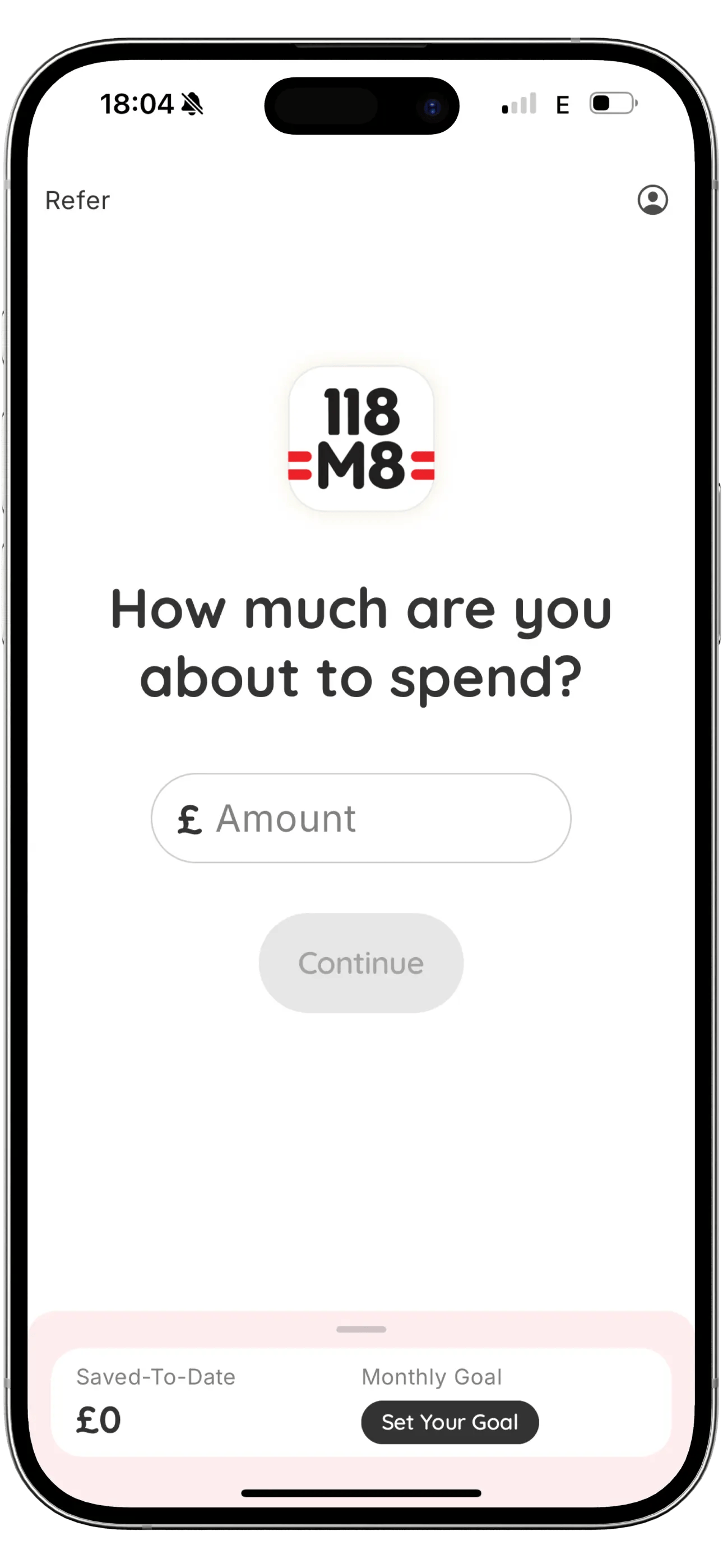
Want to take this mindset into everyday spending decisions (not just containers)? 118M8 does the same conversion in your pocket so you can pause before you buy.
A simple weekly routine that makes containers work
Containers don’t save money on their own. The routine does. Here’s a realistic approach that takes under an hour:
- Choose two mains. One sauce-based (chilli, curry, bolognese) and one traybake or stir-fry.
- Cook a double batch. Portion 2–3 lunches and freeze the rest.
- Prep one snack box. Fruit, chopped veg, yoghurt, or nuts for the week.
- Make the fridge visible. Put ready-to-eat portions at eye level.
This is the same “pause and choose” idea we use for money: set yourself up so the good choice is the easy choice.

About 118M8: spend in hours, not just pounds
Meal prep works when you avoid the “small” purchases that add up: extra supermarket trips, snacks you didn’t plan, and last-minute takeaways. 118M8 is a simple companion that shows the time cost behind everyday spending decisions, so you can pause and choose what’s right for you.
- turn prices into hours of work instantly
- tap “Sleep on it” and get a 24-hour reminder
- track savings when you decide not to buy


More guides: Blog home · Subscriptions · Credit Scores
Frequently Asked Questions
What are the best meal prep containers to buy?
For most people, the best meal prep containers are stackable, leak-resistant containers in two sizes: a medium portion (roughly 700–1000 ml) for main meals and a small portion (roughly 250–500 ml) for snacks, sauces or sides. Choose microwave- and dishwasher-safe materials you will realistically use, and prioritise good lids over extra compartments.
Is glass or plastic better for meal prep containers?
Glass is heavier but tends to resist stains and smells better and can feel more durable for reheating. Plastic is lighter and cheaper but can stain more easily and lids may wear out faster. The better choice is the one you will actually carry, stack, and wash without hassle.
How many meal prep containers do I need for a week?
A practical starter set is 8–12 containers: 5 medium containers for weekday lunches, 2–4 small containers for snacks or sauces, and 1–3 larger containers for storing batch-cooked food before portioning. If you freeze portions, you may want a few extra containers dedicated to freezer use.
Can I put meal prep containers in the freezer and microwave?
Many containers are freezer- and microwave-safe, but always check the specific product markings. Leave headspace for expansion when freezing, avoid sudden temperature shocks for glass, and vent lids when microwaving to prevent pressure build-up and splatter.
How do I stop meal prep containers from leaking in my bag?
Let hot food cool before sealing, avoid overfilling, use containers with a full-perimeter gasket or tight snap lids, and pack liquids in smaller containers. For extra insurance, keep the container upright in a lunch bag and add a reusable ice pack so it stays cool.
Stock images by Leanna Myers, Richard R, Kate Trifo and others via Unsplash.