

ADHD and Impulsive Spending: Calm Ways to Pause
If you live with ADHD, impulse spending usually is not about being careless. It is often about urgency, novelty, stress, and how easy checkout has become. Here is a calmer way to understand the pattern and build pauses that actually help.

What ADHD and impulsive spending often looks like
ADHD and impulsive spending often show up as fast, relief-seeking purchases rather than carefully planned choices. The item itself may matter less than the feeling it promises: novelty, comfort, stimulation, social ease, or the quick sense that a problem is solved.
That matters because the fix is rarely “try harder”. A better approach is to make the decision slower, clearer, and more concrete in the moment. That means fewer saved cards, fewer one-tap checkouts, more visual cues, and a small pause you can actually do when your brain is loud.
Quick Reframe
You do not need more guilt. You need a spending system that matches how your brain handles urgency, reward, and fatigue.
Why ADHD can make spending feel so urgent
ADHD can affect impulse control, reward-seeking, emotional regulation, and time perception. In practice, that can shrink the gap between I want this and I bought it. That is why generic advice like “just think before you buy” can feel frustrating rather than helpful.
Many people with ADHD describe spending as a way to change state quickly. Bored becomes stimulated. Stress becomes temporary relief. Uncertainty becomes done. That does not mean every purchase is impulsive, and it does not mean you cannot enjoy spending. It just means some buying moments need more support than others.
- Novelty seeking can make fresh items, new hobbies, and limited drops feel extra magnetic.
- Time blindness can make next week’s consequences feel less real than the checkout in front of you.
- Decision fatigue can make late-day spending harder to manage, especially after work or social pressure.
- Emotional dysregulation can turn buying into a fast coping move when you feel bored, flat, anxious, or rejected.
If you want the wider non-shaming system behind this article, read How Can I Stop Spending Money? A Calm, Practical Framework. If you want a more action-led version, How to Stop Spending Money With ADHD pairs well with this guide.
Common signs of ADHD impulsive spending
You do not need to relate to every item below. Even one or two repeating patterns are enough to help you design a better pause.
- You buy to manage a feeling, not because the purchase was truly planned.
- You feel false urgency around countdowns, limited stock, free-delivery thresholds, or “today only” prompts.
- You forget overlap and end up buying duplicates, replacements, or hobby supplies you already own.
- You spend more at certain times, especially late at night, on payday, or after a draining day.
- You open shopping or delivery apps automatically when bored, waiting, stressed, or avoiding another task.
- You regret the purchase quickly, but still find yourself repeating the cycle later.
The trigger moments that catch people most often
Most overspending does not happen randomly. It happens in familiar setups. Once you know yours, you can prepare for them instead of blaming yourself after the fact.
1. Online carts that keep growing
A cart can become a holding place for possibility. Free shipping thresholds, suggested add-ons, and “complete the look” prompts are built to keep you adding. If you already struggle with impulse control, they can turn one item into a much larger total very quickly.
Useful rule: if you add a filler item just to unlock delivery or a discount, pause and total the whole basket before you decide.
2. Payday or refund spending
Fresh money can create a burst of relief that makes spending feel harmless. The risk is that the emotional feeling of having money can briefly drown out the practical job that money already has.
Useful rule: decide your guilt-free spending amount before payday arrives, not after.
3. Late-night scrolling
Night spending is often an energy issue. You are tired, your inhibition is lower, and checkout is one tap away. That is why the same item can feel urgent at 11:45 pm and ordinary the next morning.

Useful rule: nothing bought from bed counts as urgent.
4. Food delivery when you are depleted
Takeaway spending is often less about food than about energy, comfort, and decision relief. If you are hungry, overstimulated, and done, delivery can feel like the only realistic option. That makes add-ons and repeated app use especially expensive over time.
Useful rule: eat a 10-minute backup meal first, then decide whether the order still feels worth it.
5. Social pressure and identity spending
ADHD spending can also be social: keeping up, smoothing awkwardness, buying to feel prepared, buying for a version of yourself you hope to become. That includes hobby cycles, “new me” purchases, and event spending that grows faster than expected.
If peer pressure is part of the pattern, you may also like Psychological Reasons for Overspending.
A 2-minute pause you can use at checkout
The best pause is not a perfect one. It is the one you will still use when you are rushed, tired, distracted, or overstimulated. This version is short enough to be realistic and structured enough to cut through urgency.
2-Minute Pause
Use this before you pay
- Name the moment. Say it plainly: bored buy, tired buy, stressed buy, or scarcity buy.
- Name the trigger. Cart filler, payday, social pressure, late-night scrolling, free delivery, or a pushy countdown.
- Clock the total. Include fees, add-ons, upgrades, and delivery. Totals change decisions.
- Pick one path. Buy on purpose, sleep on it for 24 hours, or close it and log the win.
If you still buy after the pause, that can still be a good decision. The aim is conscious spending, not never spending.
Small friction changes that help more than willpower
People often treat spending as a motivation problem. In real life, it is often a design problem. You want the autopilot path to become slightly slower and the thoughtful path to become slightly easier.
- Remove saved payment methods from the two apps where you overspend most.
- Turn off one-click or express checkout where possible.
- Sign out of shopping apps after use.
- Move shopping and delivery apps off the home screen.
- Use wish lists or a notes app instead of leaving items in carts.
- Unsubscribe from sales emails and mute the noisiest shopping notifications.

These changes are simple, but they work because they create a gap between urge and action. That gap is where better choices start.
Why converting cost into hours worked can help
For many people, a price stays abstract right until the payment goes through. Turning the amount into hours worked makes it concrete. That is especially useful when your brain is caught in urgency, novelty, or emotional relief.
A £24 purchase may feel small in isolation. Two hours of work feels different. So does a takeaway total once the fees are included. That does not mean the answer is always no. It simply makes the decision more real.
Make It Concrete
Use Wait in 118M8 to clock the real cost
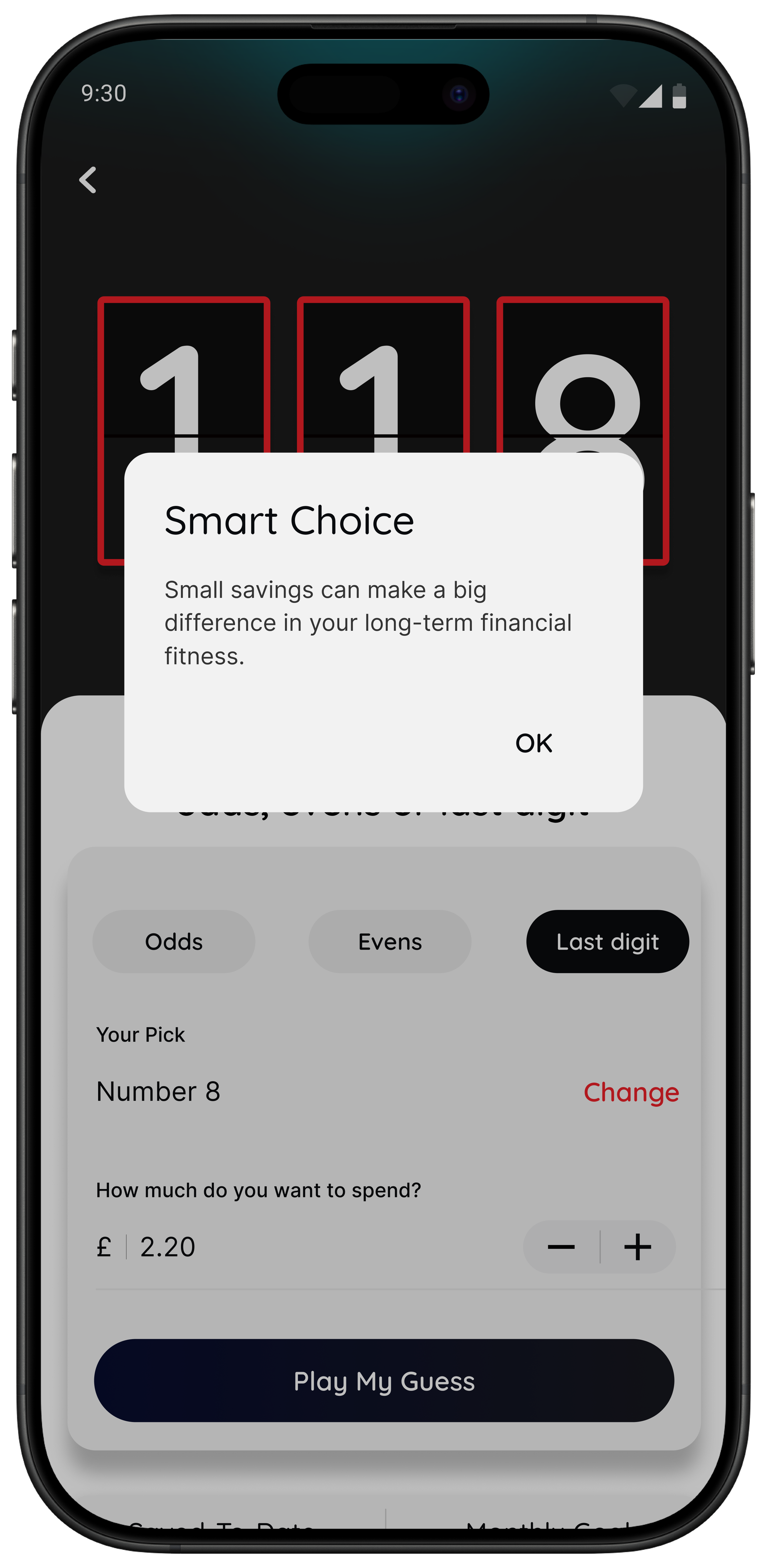
118M8 is designed for those right-before-you-buy moments. Use Wait to translate a price into hours worked, Sleep on it when the answer is maybe, and Number Generator when you need a neutral interrupt that breaks the urge loop.
How 118M8 supports calmer spending decisions
118M8 is not built to lecture you. It is built to help you spot where money goes, clock what a purchase really costs, choose what matters, and pause before you buy. That is why it fits this topic so well.
- Wait reframes the price in hours worked so the choice feels less abstract.
- Sleep on it creates a 24-hour buffer when urgency is doing the talking.
- Number Generator adds a playful interrupt when you feel mentally stuck at checkout.
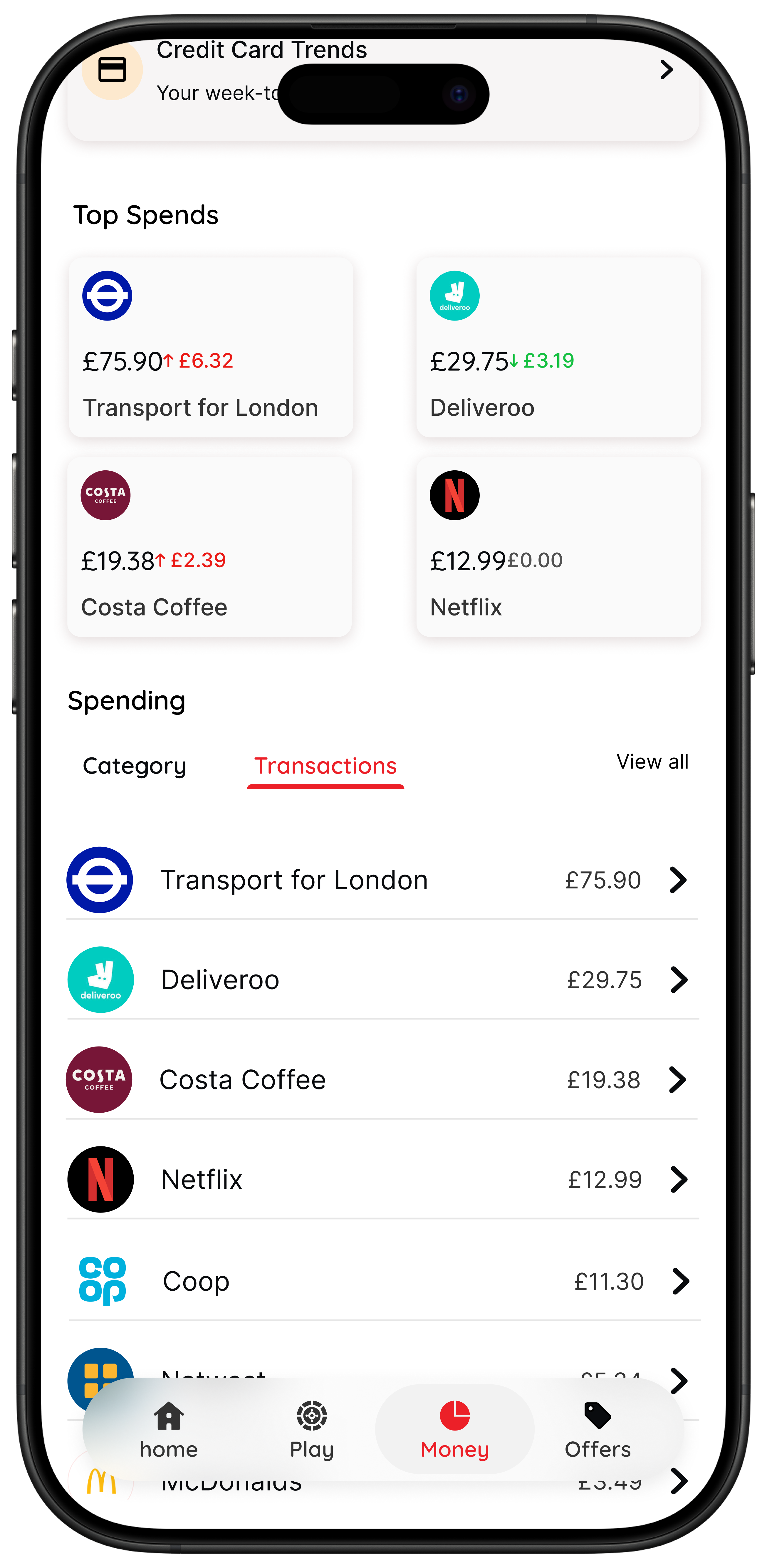
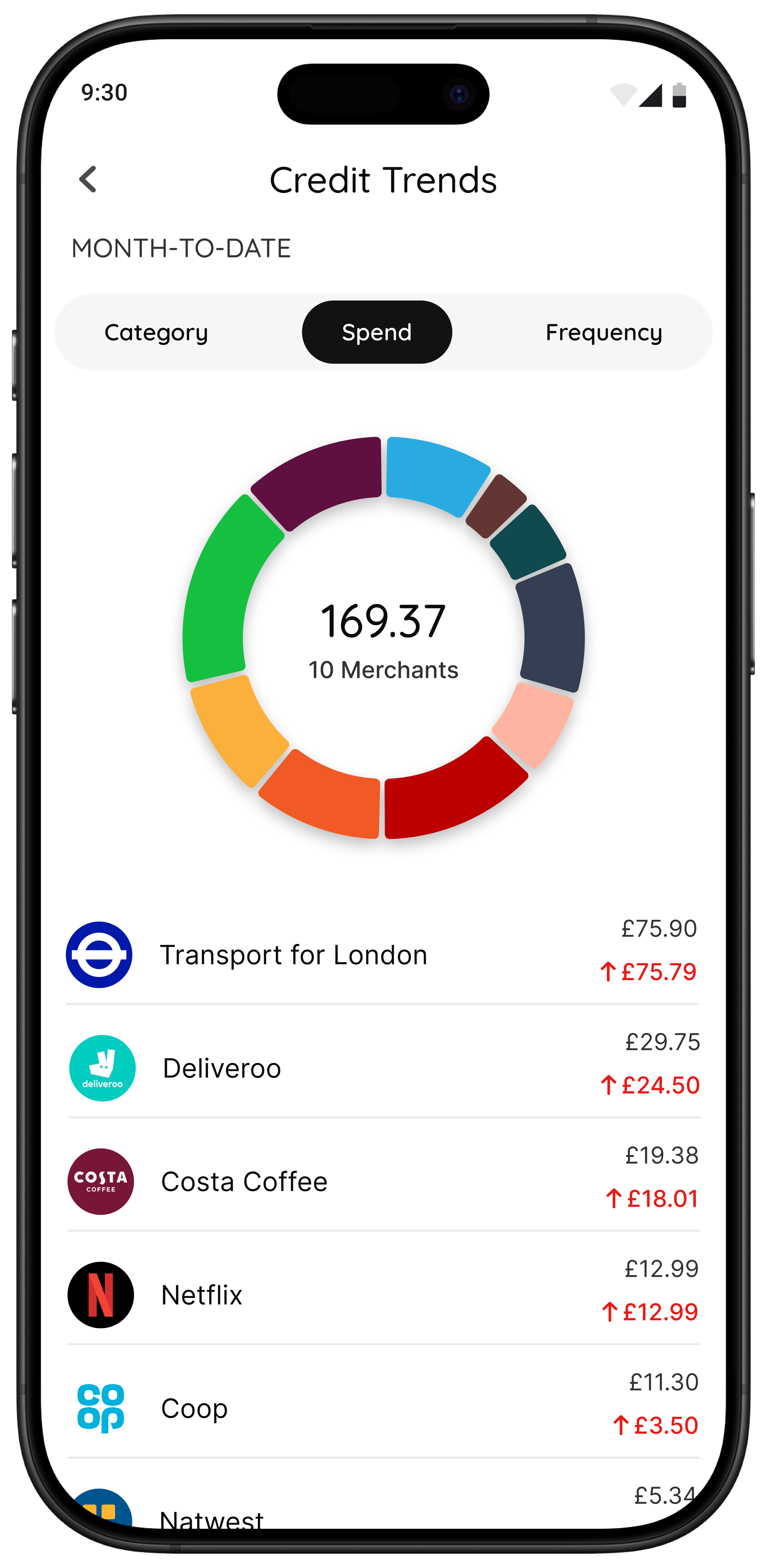
- Spend analysis helps you spot repeating merchants and categories so your triggers become visible over time.
If you are comparing tools rather than just learning about the pattern, these guides may help next: Impulse Buying App, App to Stop Unnecessary Spending, and Best Apps to Stop Impulse Buying in the UK.
When to look for extra support
If spending is causing serious stress, debt, or relationship strain, it is worth getting support. This article is educational, not medical or financial advice. For broader ADHD information, the NHS overview of ADHD is a useful place to start. For money help in the UK, MoneyHelper offers free guidance on budgeting and debt options. ADHD UK can also point you toward community support and practical resources.
Important
If you are in crisis over debt or money, get support quickly. You deserve practical, non-judgemental help.
Frequently Asked Questions
Why does ADHD make impulsive spending more likely?
ADHD can make reward, urgency, and future consequences feel uneven in the moment. That can shrink the gap between wanting something and buying it, especially when you are tired, stressed, bored, or facing a frictionless checkout.
What are common ADHD spending triggers?
Common triggers include online carts, free-delivery thresholds, payday, refunds, late-night scrolling, delivery apps when you are depleted, and social situations where you feel pressure to keep up or buy for a version of yourself you hope to become.
How do I stop impulse spending without feeling deprived?
Start by changing the environment rather than banning everything. Remove saved cards, move apps off your home screen, use a 24-hour pause for maybes, and keep a small guilt-free spending amount for things that genuinely matter to you.
Does converting prices into hours worked really help?
For many people it does, because it makes a price feel concrete instead of abstract. Seeing the cost as part of your working time can cut through urgency and help you judge whether the purchase fits what matters most.
How can 118M8 help with ADHD and impulsive spending?
118M8 helps in the exact moment before you buy. You can use Wait to reframe the total in hours worked, Sleep on it to create a 24-hour buffer, and Number Generator to interrupt the urge loop without guilt or lectures.
Stock images by Vitaly Gariev, Nathan Dumlao and Vladyslav Tobolenko via Unsplash.