

16-17 Railcard: Is It Worth It in London?
If you are searching for the 16-17 railcard, you are usually trying to answer a practical question fast: will it actually cut your travel cost enough to matter? In the UK, the product you need is the 16-17 Saver. It costs £35 and gives 50% off most standard rail fares and Season Tickets, but the value depends on how often you travel, whether your journeys are National Rail or mainly TfL, and whether a 16+ Zip Oyster photocard would do more of the heavy lifting.

Quick Answer
The 16-17 railcard is often excellent value, but London travellers need one extra check
The 16-17 railcard is officially called the 16-17 Saver. It costs £35 and gives 50% off most Standard Anytime, Off-Peak, Advance and Season Tickets on National Rail. It has no minimum fare restriction, which makes it stronger than many people expect. But if most of your travel is on TfL using Oyster, you also need to compare it with a 16+ Zip Oyster photocard, because the 16-17 Saver does not give the usual Oyster Railcard discount.
- Check what network you actually use most because National Rail and TfL work differently.
- Check whether you need a Season Ticket because the 16-17 Saver can halve that cost.
- Check London separately because Oyster rules are where many people get caught out.
- Check your real next few months of travel, not the best-case version.
- Pause before you buy if the saving is making extra trips feel automatic.
Searches for 16-17 railcard usually point to the same thing: the 16-17 Saver. The headline is simple enough. Pay £35 and get half-price rail fares. But the useful answer is slightly more specific than that, especially if you travel in or around London.
For some 16 and 17 year olds, the 16-17 Saver is one of the easiest wins on the rail network. A few longer trips, a regular college journey, or one meaningful Season Ticket can pay back the full cost quickly. For others, especially those whose travel is mostly Tube, bus, London Overground or Oyster pay as you go, the bigger saving may come from a 16+ Zip Oyster photocard instead.
This guide covers the practical questions that matter most: what the 16-17 Saver costs, what half-price actually applies to, whether there is a minimum fare, how it compares with a 16+ Zip in London, when it tends to pay for itself, and how to sense-check the final travel spend rather than getting carried away by the discount label.
The calm rule
Key PointWhat is the 16-17 railcard?
The product most people mean by 16-17 railcard is the 16-17 Saver. The official 16-17 Saver site says it is for people aged 16 or 17 and gives 50% off Standard Anytime, Off-Peak, Advance and Season Tickets. It also says the card costs £35 and is valid for one year or until your 18th birthday, whichever comes first. The official benefits page is the clearest source for the product basics.
That last detail matters more than it first appears. If you buy the card shortly before turning 18, you may not get a full year out of it. If you are newly 16, you have much more room for the card to earn back its cost.
The official terms also say the 16-17 Saver can be used to buy Season Tickets, which is a big part of why the product can be so valuable for regular school, college or training travel. That makes it a different kind of decision from cards that mainly reward occasional leisure trips.
How much is the 16-17 railcard?
The 16-17 Saver currently costs £35. National Rail’s Railcards page lists the same price, and the official 16-17 Saver site matches it. National Rail’s Railcards guide is a useful cross-check if you want the official product table in one place.
For most readers, the better question is not whether £35 sounds cheap or expensive. It is how quickly you can make that £35 back. If a few journeys save £6 to £10 each, the card can pay for itself fairly quickly. If you mostly use transport where the 16-17 Saver does not apply, the card can sit in your wallet looking useful without doing much actual work.
This is the same discipline we use in Railcard Discount Code: What Actually Saves You More. The real test is never just whether a discount exists. It is whether it changes your total often enough to matter.
What discount does the 16-17 Saver give?
The official benefits page says the 16-17 Saver gives 50% off Standard Anytime, Off-Peak, Advance and Season Tickets. That is stronger than the one-third discount many people associate with Railcards. If your trips are eligible, half-price can make a very noticeable difference to the final amount leaving your account.
The terms page also matters here because it shows what is not included. The official exclusions list includes ScotRail, Caledonian Sleeper, First Class tickets, Eurostar, and several London-specific products such as Oyster pay as you go fares and daily caps. So while the headline is generous, the card still works best on the journeys it was designed for: standard National Rail travel. The current 16-17 Saver terms and conditions spell those exclusions out clearly.
That means the same card can feel brilliant for a college commute from outside London and much less impressive for someone tapping around the TfL network all week.
What the 16-17 Saver Usually Changes
| Part of the trip | Without the card | With the 16-17 Saver |
|---|---|---|
| Standard Anytime rail fares | full standard fare | 50% off on eligible journeys |
| Off-Peak and Advance tickets | full booked fare | 50% off on eligible journeys |
| Season Tickets | full Season Ticket cost | 50% off when bought during the Saver validity |
| Oyster pay as you go single fares | standard Oyster fare | no 16-17 Saver discount |
| Oyster daily caps | standard Oyster cap | no 16-17 Saver discount |
The biggest value usually comes from National Rail journeys and Season Tickets, not from TfL pay as you go travel.
Is there a minimum fare on the 16-17 Saver?
No. This is one of the best parts of the product. The official 16-17 Saver terms say the card has no minimum fare restrictions. That is important because many age-based Railcards have weekday morning conditions that weaken the headline saving. The 16-17 Saver does not work that way.
In practice, that means you do not have to do the same kind of peak-time minimum fare maths that shows up in guides like 26-30 Railcard: Is It Worth It for You?. If your ticket is eligible, the absence of a minimum fare makes the product simpler to trust.
That simplicity is a genuine advantage for younger travellers and families trying to keep travel predictable. You still need to check exclusions, but you do not need to second-guess the card every time a weekday morning journey comes up.
Can you add a 16-17 Saver to Oyster?
No. This is the point that catches many London readers out. National Rail’s Oyster and contactless page says Railcards can apply to pay as you go with Oyster except 16-17 Saver, Two Together, Family & Friends and Network Railcards. National Rail’s pay as you go page says the same thing again. In other words, the 16-17 Saver does not give the usual Railcard-style one-third discount on Oyster pay as you go fares. National Rail’s Oyster, contactless and Travelcards page and its pay as you go off-peak guide both confirm this.
The official 16-17 Saver terms are even more explicit. They say the discount does not apply to Oyster pay as you go single fares, Oyster daily caps, and several TfL-only products. So if most of your daily travel is Oyster-based, buying the 16-17 Saver without checking a London alternative first can be disappointing.
This is a useful place to slow down and separate two different questions:
- Do I travel on National Rail often enough for the 16-17 Saver to pay back?
- Or do I mostly need cheaper TfL travel inside London?
If the second question matters more, a 16+ Zip Oyster photocard may do more for you than the 16-17 Saver on its own.
A better London question
Key Point16-17 Saver vs 16+ Zip Oyster: what is better in London?
If you live in London or commute into it, this comparison matters more than the search term itself. TfL says a 16+ Zip Oyster photocard lets 16 and 17 year olds travel at reduced rates, and on buses and trams it offers free travel for those who live in London. TfL also publishes a dedicated 2025 fares PDF for the 16+ Zip, including caps and Travelcard prices across Zones 1 to 9. TfL’s 2025 16+ Zip fare table is useful if you want the current numbers rather than general wording.
The cleanest way to think about the choice is this:
- 16-17 Saver is usually stronger for National Rail fares, longer rail trips, and especially Season Tickets.
- 16+ Zip Oyster photocard is usually stronger for regular TfL travel within London.
Some readers will need one of these more than the other. Some will use both, but for different jobs. If your weekday life is mostly Tube, bus and London Overground in the capital, the Zip often does more of the practical work. If your main pressure point is a train commute from outside London or a repeat National Rail fare, the 16-17 Saver can be the bigger lever.
This is why the best question is not “Which one is best in general?” but “Which one changes my most common journey most?”
When does the 16-17 Saver pay for itself?
The maths is simple. The 16-17 Saver pays for itself once your total discount goes past £35. Because the card offers 50% off eligible fares, it can get there quite quickly.
- If a journey saves you £4, you need about 9 similar trips.
- If a journey saves you £7, you need about 5 similar trips.
- If a journey saves you £12, you need about 3 similar trips.
And if the card cuts the price of a Season Ticket by half, the payback can be even faster. That is why the card is often especially strong for regular education or training travel rather than only for occasional leisure days out.
The more honest way to check this is not to imagine a perfect year. It is to look at the next eight to twelve weeks of actual travel. If that near-term pattern almost covers the £35 already, the Saver is probably doing real work. If you have to invent future trips to justify it, slow down.
What to check before buying a 16-17 railcard
Before you buy, run through this short checklist:
- Check your age and validity window. The card is for 16 and 17 year olds and may expire before a full year if you turn 18 sooner.
- Check whether your journeys are mainly National Rail or TfL. This is the big London decision.
- Check whether you need a Season Ticket. Half-price Season Tickets can make the card very strong very quickly.
- Check the exclusions. Not every service or product is covered.
- Check your real upcoming travel. Use likely journeys, not hopeful ones.
- Check whether the discount is nudging extra spending. A cheaper trip is still a trip that costs money.
If you are comparing several travel-saving routes, Family Railcard: Is It Worth It for UK Trips? and Railcard Discount Code: What Actually Saves You More can help you build the same habit of checking the actual fit before you buy.
Use an hours-worked check on the full travel cost
The useful trap to avoid here is focusing only on what you saved. A half-price fare still leaves money out of your account. That may still be absolutely worth it, especially for school, college or essential commuting. But it helps to feel the final amount rather than stopping at the discount headline.
Quick Check
What does this rail trip cost in hours?
Use the final amount you would actually pay after the 16-17 Saver discount or your TfL fare choice.
This trip costs
0.0 hours
If you make a trip like this weekly
That’s 0.0 hours of take-home time per week.
A half-price fare can still be the right choice. Converting the final amount into hours can make the trade-off clearer.
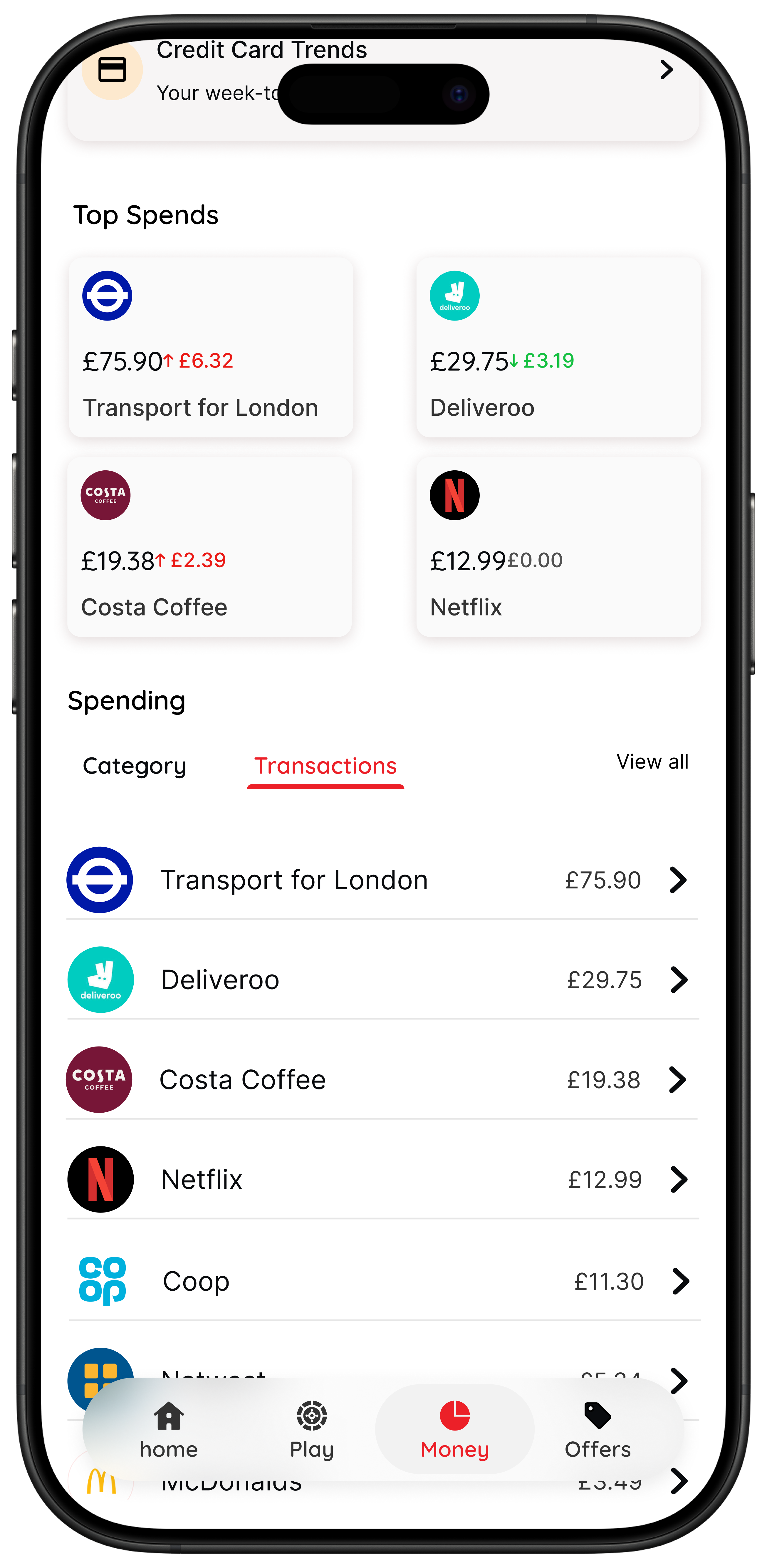
This is where 118M8 fits naturally. A lot of travel spending does not feel like spending in the moment because it is wrapped in routine, convenience and the language of saving money. Turning the final fare into hours worked helps you decide whether the trip, ticket type or renewal still feels right once the discount label has done its emotional work.
How 118M8 helps with train and commuting decisions
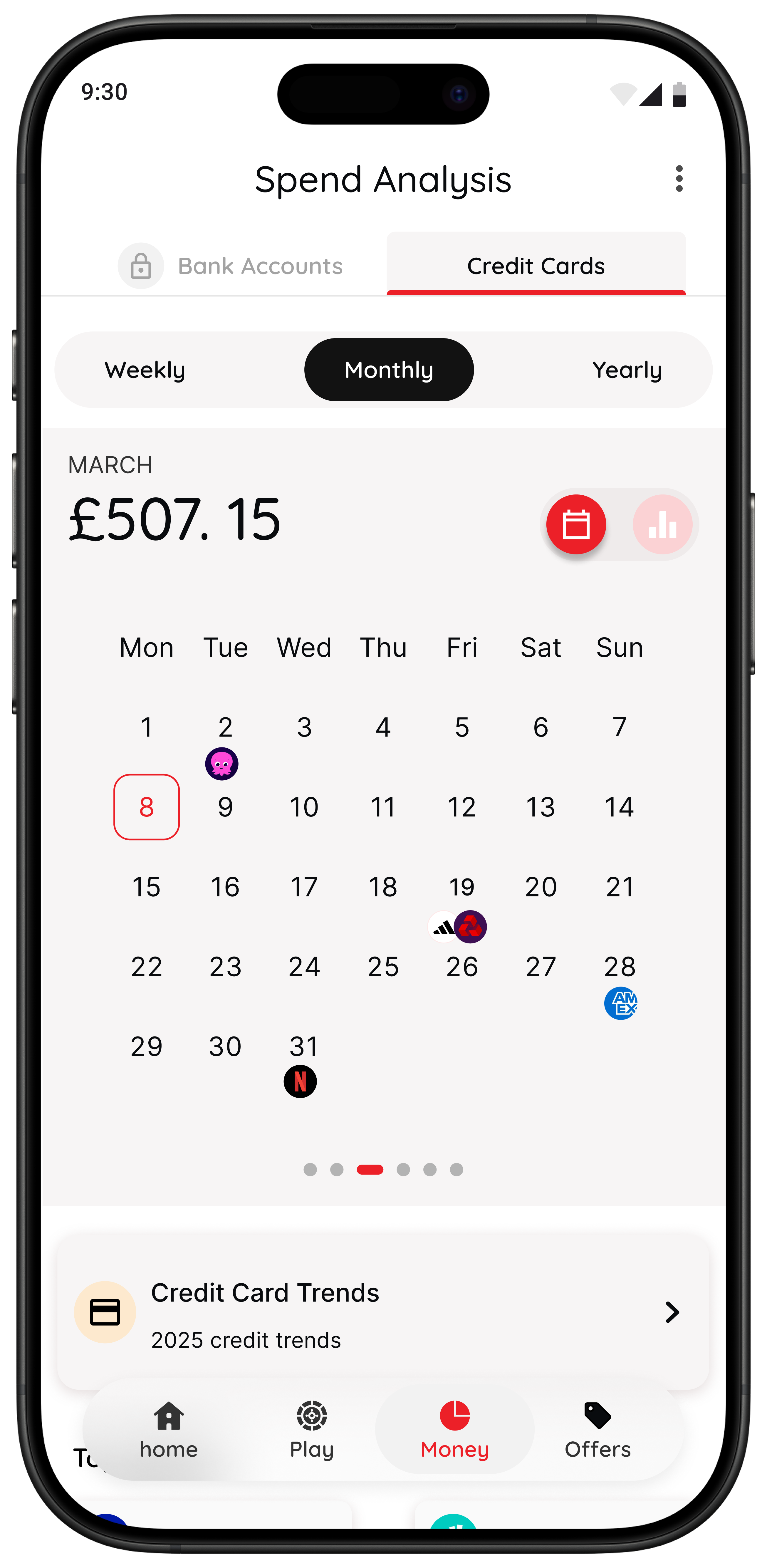
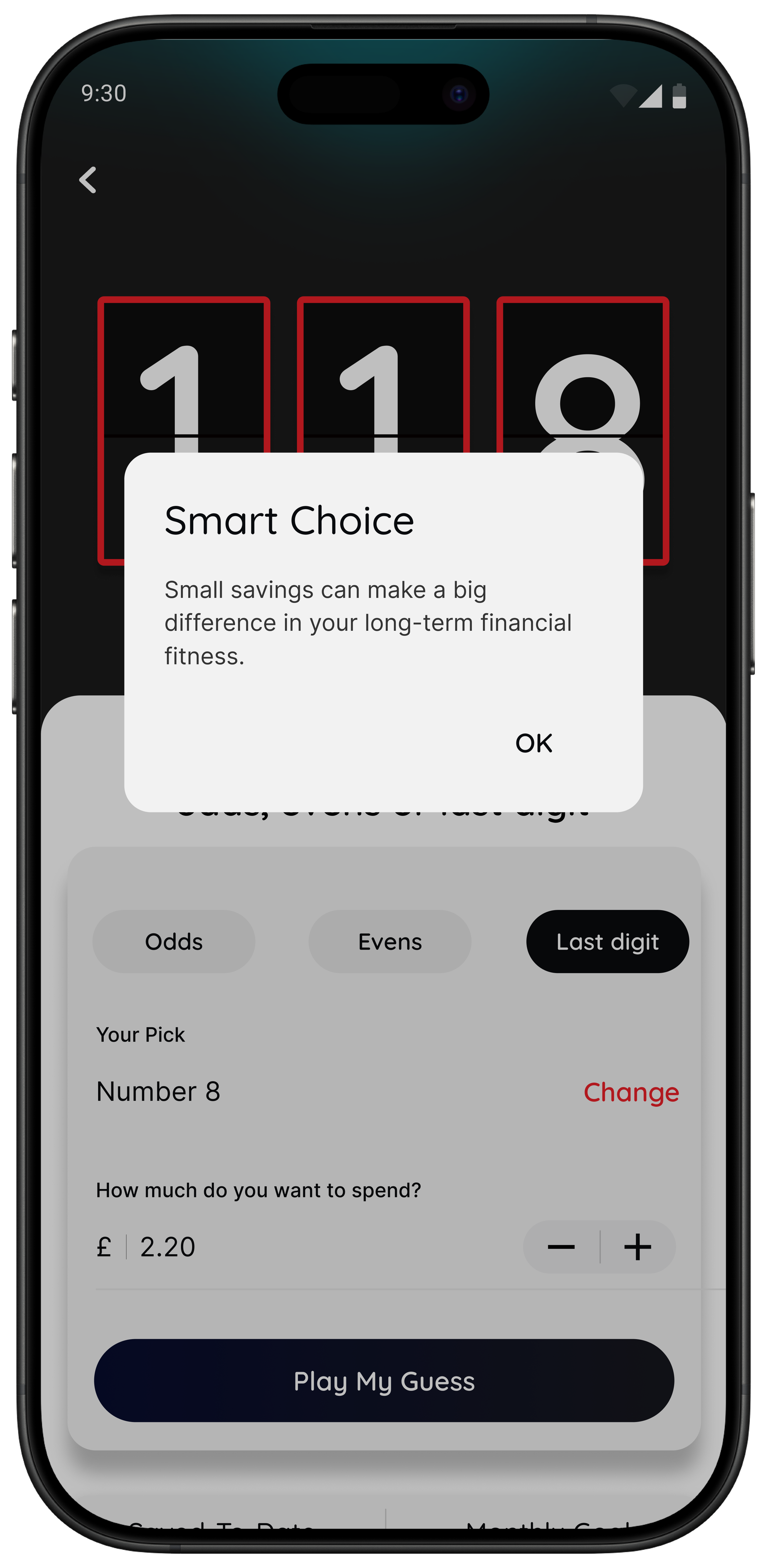
118M8 is not a booking app. It is your financial fitness mate for the moment just before you spend. That works well for train travel because many travel costs feel automatic even when there is still a real decision to make.
- Spot it by noticing how often transport spending appears in your week.
- Clock it by turning the final fare into hours worked.
- Pause it if the trip is optional or the renewal is not urgent today.
- Choose it when you want a neutral nudge before you buy.
If this kind of pressure shows up outside travel too, How to Stop Impulse Buying Without Feeling Deprived and Number Generator to Decide Whether to Buy: A Calm Method can help you build the same pause habit in everyday spending.
About 118M8
A calmer way to sense-check everyday spending
118M8 helps you spend with intention, without guilt or lectures. If a Railcard, travel renewal or cheap-looking fare starts to make a purchase feel like a no-brainer, 118M8 gives you practical tools to slow the moment down and check what the choice really costs.
That is useful for train spending because the smartest saving is not always the loudest one. Sometimes it is simply the choice that still feels right after you have checked the total and paused long enough to think.
16-17 Railcard FAQs
How much is the 16-17 Railcard?
The product is officially called the 16-17 Saver and it currently costs £35.
What discount does the 16-17 Saver give?
The 16-17 Saver gives 50% off most Standard Anytime, Off-Peak, Advance and Season Tickets on the National Rail network, with some exclusions.
Is there a minimum fare on the 16-17 Saver?
No. The official terms say the 16-17 Saver has no minimum fare restrictions.
Can you add a 16-17 Saver to Oyster?
No. National Rail says 16-17 Saver discounts do not apply to Oyster pay as you go single fares or daily caps, and the card cannot be added to Oyster for the usual Railcard discount.
What is better in London: a 16-17 Saver or a 16+ Zip Oyster photocard?
It depends on the journey pattern. A 16-17 Saver is usually stronger for National Rail trips and discounted Season Tickets, while a 16+ Zip Oyster photocard can be better for regular TfL travel in London.
How can 118M8 help with train spending?
118M8 helps you sense-check travel spending before you book or renew. You can turn the final fare into hours worked, pause optional trips, and decide whether a saving is changing the real maths or just making the spend feel easier.
Stock image by Alexander Bagno via Unsplash.