


How to Stop Impulse Buying Without Feeling Deprived
If you are trying to stop impulse buying, more guilt usually does not help. What helps is making the buying moment a little slower, a little clearer, and a lot more intentional. This guide shows how to do that in real life, whether your trigger is stress, boredom, social pressure, or late-night scrolling.

Quick Start
Use this 5-step reset before you buy
- Pause for one minute before checkout.
- Name the trigger: stress, boredom, tiredness, social pressure, or a sale.
- Check the real cost: not just the price, but the time or trade-off behind it.
- Choose a delay: 10 minutes for small urges, 24 hours for non-essentials.
- Move the item to a spend-later list and decide again when your head is clearer.
The goal is not to stop buying everything. It is to stop buying on autopilot.
What impulse buying really is
Impulse buying is an unplanned purchase made because the urge feels strong right now. Sometimes it is small and forgettable. Sometimes it becomes a pattern that quietly drains money, creates regret, and makes you feel like you cannot trust yourself around spending.
The useful thing to understand is this: impulse buying is usually a moment problem, not a character problem. The decision happens when attention is low, checkout is easy, and something emotional is pushing you toward a quick yes.
If you want the wider psychology behind this, read Psychological Reasons for Overspending. If your biggest issue is shopping from your phone or laptop, How to Stop Impulse Buying Online goes deeper on digital triggers.
Why impulse buying happens so easily
There are a few reasons people fall into impulse spending again and again.
- The reward is immediate and the cost feels far away.
- Checkout is frictionless, especially with saved cards and one-tap payment.
- Stress and boredom narrow your focus toward quick relief.
- Urgency cues like countdowns and low-stock warnings make waiting feel risky.
- Social comparison makes spending feel normal even when it is not right for you.
The Consumer Financial Protection Bureau describes present bias in financial decisions as the tendency to overvalue what feels good now compared with what helps later. That is one reason impulse purchases can feel so reasonable in the moment. For people whose shopping feels more distressing or out of control, clinical reviews of compulsive buying disorder note links with distress, anxiety, and mood difficulties.
That does not mean every impulse buy is a disorder. It means you should avoid shame-based advice. A calmer system usually works better than trying to scare yourself into discipline.
What actually works to stop impulse buying
1. Find your trigger before you try to fix your spending
Ask one question each time you want to buy something unplanned: What is this purchase trying to do for me right now?
You might be trying to get relief after a hard day. You might want novelty because you feel flat. You might be spending to keep up with friends. Once you can name the job the purchase is doing, it gets easier to choose a better response.
2. Add friction where you usually spend
Impulse buying loves speed. Your counter-move is to slow the process down just enough for your brain to catch up.
- Remove saved payment methods from shopping apps.
- Turn off one-click checkout where you can.
- Delete or hide shopping apps that catch you out most often.
- Unsubscribe from the sale emails you always open at the wrong time.
These steps sound small, but they matter because they interrupt the jump from feeling to buying.
3. Use a waiting rule that matches the size of the urge
People often hear about the 24-hour rule. It is useful, but it works even better when you make it flexible.
Simple Waiting Rules for Unplanned Spending
| Situation | Pause to use | Why it helps |
|---|---|---|
| Small checkout urge | 10 minutes | Enough time for the emotional spike to drop |
| Unplanned non-essential | 24 hours | Separates the urge from the decision |
| Expensive item | 7 days | Gives space for comparison and budget checks |
You are not banning the purchase. You are moving it out of the emotional moment.
The reason this helps is simple: waiting changes the question from “Do I want it right now?” to “Do I still want it when the feeling has cooled down?”
4. Make the cost feel personal
Prices can look harmless on a screen. Time feels more real. If a purchase costs three hours of work, that usually lands differently than seeing £36 in a basket.
This is one reason 118M8 uses a Wait tool that translates a price into hours worked. It turns a vague money decision into a clearer trade-off.
5. Replace the basket with a spend-later list
A basket builds momentum. A list creates distance. Keep one simple note on your phone with three columns: the item, the price, and why you wanted it.
Then review it once a week. Most items will lose urgency by then. The ones that remain are far more likely to be things you actually value.
Common impulse buying traps and the best response to each
Different triggers need slightly different responses. Here is a simple way to think about the most common ones.
Impulse Buying Triggers and Better Responses
| Trigger | What it feels like | What to do instead |
|---|---|---|
| Stress | I need comfort or relief | Pause first and pick a lower-cost comfort option before buying |
| Boredom | I want novelty | Use a two-minute swap such as a walk, a shower, or messaging a friend |
| Social pressure | I do not want to feel left out | Use a short line like I am sleeping on it and decide tomorrow |
| Sales urgency | I might miss out | Check whether you wanted it before the sale existed |
| Late-night scrolling | I want the easy yes | Set a no-buy cut-off time and save the item instead |
The more specific your rule is, the easier it is to follow when the moment arrives.
What usually does not work for long
The least helpful advice is often the loudest: stop all treats, never shop for fun, be stricter, have more self-control.
That can work for a few days, but it often fails because it does not deal with the trigger. If stress is driving the spend, a harsh rule does not remove the stress. If boredom is the trigger, pure restriction does not add stimulation. If social pressure is the problem, a budget lecture does not help you in the moment with friends.
A better approach is to use small, repeatable interventions you can actually stick with. That is why guides like Money Mindfulness App, Spending Habits App, and App to Stop Unnecessary Spending focus more on routines and pause tools than on punishment.
How to stop impulse buying online
Online shopping deserves its own mention because it removes so much friction. You can go from seeing an ad to paying in under a minute.
- Do not buy straight from ads. Save the item and review it later.
- Turn off one-tap checkout.
- Remove saved cards from your main shopping sites.
- Use a late-night cut-off time for online buying.
- Compare the item against something you already own before you buy.
If online shopping is your biggest weak spot, the full guide on stopping impulse buying online goes deeper into sales tactics, feed-driven shopping, and practical checkout rules.
When you may need more than a spending rule
Sometimes impulse buying is not just a habit. It can be tied to stress, low mood, anxiety, ADHD, or a feeling that shopping is one of the few ways to change how you feel quickly.
If your spending feels compulsive, causes real distress, or is creating debt you feel unable to control, it may help to talk to someone you trust and seek professional support. The NHS has practical information on stress signs and causes, and if ADHD is part of your picture, our guide on How to Stop Spending Money With ADHD may feel more relevant than general advice.
The key point is that shame is not a treatment plan. Support and better systems are.
How 118M8 can help in the moment
Most money advice arrives too late. 118M8 is designed for the moment just before you spend, when the urge is strongest and a small pause can make the difference.
- Wait: turn a price into hours worked so the decision feels real.
- Sleep on it: create a 24-hour pause instead of forcing an instant answer.
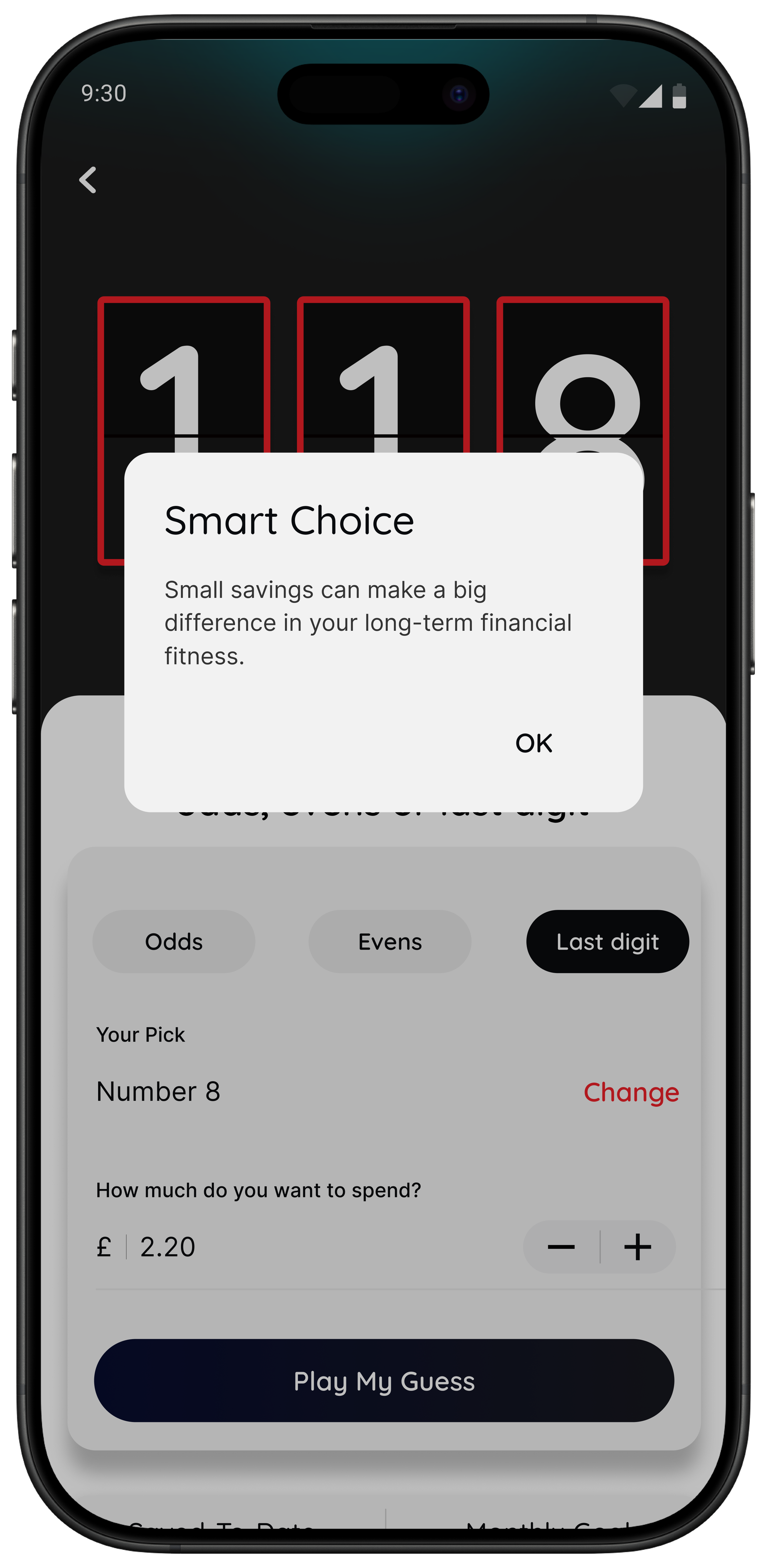
- Number Generator: add a neutral break when you are stuck in an overthinking loop.
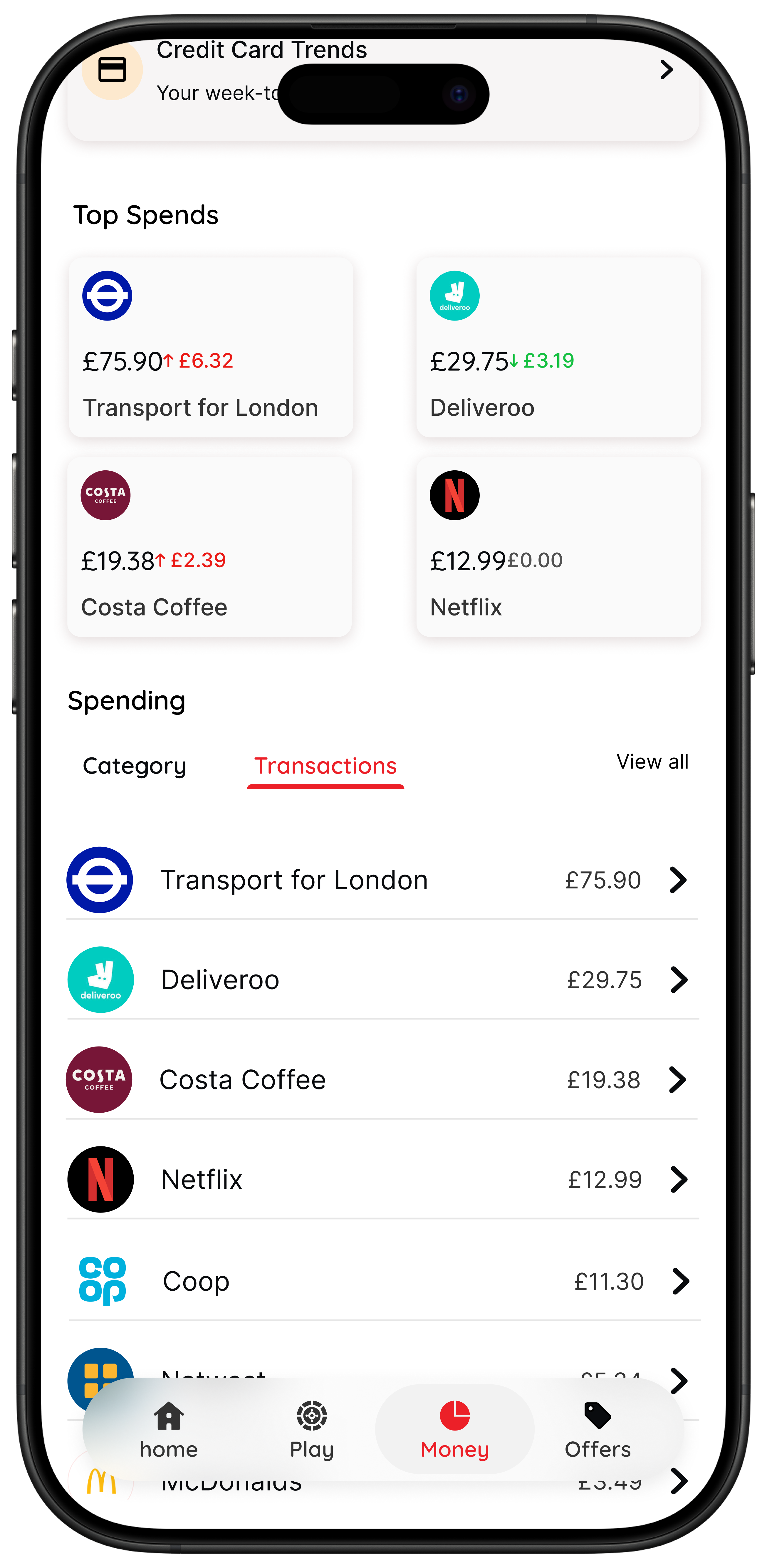
- Spot it: for eligible users, see spending patterns and trends more clearly.
If you are comparing tools, you may also want to read Impulse Buying App, Best Apps to Stop Impulse Buying in the UK, and Number Generator to Decide Whether to Buy.
A simple way to think about it
If you want to stop impulse buying, do not ask yourself to become a completely different person overnight. Make the buying moment easier to handle.
- Spot the trigger.
- Add one step of friction.
- Use a pause rule.
- Make the cost feel real.
- Decide later if the moment feels noisy.
That is how you spend with more intention without turning your life into a punishment plan.
Frequently Asked Questions
What is the best way to stop impulse buying?
The best way to stop impulse buying is to use a repeatable system instead of relying on willpower. Start by identifying your main trigger, add friction to checkout, use a waiting rule for unplanned spending, and review the purchase again when the urge has cooled.
Why do I impulse buy when I am stressed or bored?
Stress and boredom both push people toward fast relief. Buying can feel like a quick change of state, even if the purchase does not really solve the problem. That is why small pauses and substitute actions can work so well in the moment.
Does the 24 hour rule actually work?
The 24 hour rule often works because it separates the urge from the decision. You are not saying no forever. You are letting the emotional spike settle so you can decide with a clearer head the next day.
How can I stop impulse buying online specifically?
Remove saved cards, turn off one-click checkout, stop buying straight from ads, and move items to a spend-later list instead of a basket. These small frictions can make online shopping much easier to control.
How can 118M8 help me stop impulse buying?
118M8 helps at the point of decision. You can use Wait to turn the price into hours worked, Sleep on it to create a 24-hour pause, and Number Generator to break an overthinking loop without guilt or lectures.