

Number Generator to Decide Whether to Buy (Without Regret)
A number generator can’t make money decisions for you. But it can do something surprisingly useful: create a pause, reduce spiralling, and help you notice what you actually want. Here’s how to use randomising responsibly so you stay in control.

What a “number generator to decide whether to buy” really is
It’s a simple decision helper: you generate a random number (or outcome) and use it to break the loop when you’re stuck between “I want it” and “I shouldn’t”.
Quick Definition
A number generator is not a judge. Used well, it’s a pause button that helps you notice your preference and make a calmer choice.
Think of it like flipping a coin when you can’t choose a restaurant. The flip doesn’t decide your life. Your reaction to the result gives you information.
When randomising helps (and when it doesn’t)
Randomising is surprisingly useful when the problem is not “what’s the best option?” but “my brain won’t stop debating”.
It helps when…
- You’re stuck in overthinking and keep reopening the same tabs or carts.
- The purchase is low-to-medium stakes (a small upgrade, a non-urgent item, a treat).
- You want a neutral interrupt that reduces the feeling of “I have to decide right now”.
- You want to surface your preference by noticing whether the outcome feels like relief or disappointment.
It doesn’t help when…
- The decision is high-impact (new phone on finance, big travel booking, anything that would cause stress if it went wrong).
- You’re using it to avoid responsibility (“the number made me do it”).
- You’re dysregulated (hungry, angry, lonely, tired). In those moments, a pause rule beats a random rule.
- The purchase is essential (rent, bills, medical needs). Don’t gamify essentials.

If you’re trying to reduce automatic spending overall, start with How Can I Stop Spending Money? A Calm, Practical Framework.
Why a random number can make a decision feel easier
In real life, the hardest part of spending decisions is often the moment. The browser is open, the checkout button is bright, and urgency feels real even when it isn’t.
A number generator helps because it introduces:
- Friction: one more step before you pay.
- Distance: you stop identifying with the urge for a second.
- Information: your reaction to the outcome tells you what you value.

How to set rules responsibly (you choose the outcome)
The key is this: you decide what each outcome means before you generate anything. That keeps it neutral and prevents “randomness” becoming an excuse.
Responsible Rules
Try one of these 3 setups
Mostly Pause
1–7 = Sleep on it
8–9 = Don’t Buy
10 = Buy
Best for impulse buys and late-night scrolling.
Two-Option Tie‑Break
Odd = Buy
Even = Don’t Buy
Best when you already know it’s affordable and you’re stuck.
Budget‑First
If it breaks your limit = Don’t Buy
If it fits = 1–6 Sleep, 7–10 Buy
Best when you want freedom inside guardrails.
Tip: set a personal “big purchase” threshold. Above it, default to Sleep on it and re-check tomorrow.

If you bought something online and regret it, UK shoppers often have cancellation rights for distance purchases in many cases. Citizens Advice explains the 14‑day cooling‑off period and common exceptions (changing your mind about something you’ve bought).
The 3-question check before you generate a number
Do this first. It takes 30 seconds and it prevents “random” from turning into “reckless”.
- Can I afford it without stress? (If no, the generator shouldn’t be in the room.)
- Is this a now problem or a later problem? If later, default to Sleep on it.
- What am I hoping this purchase fixes? Boredom, stress, identity, belonging, reward?

A simple spending decision flow: Buy, Don’t Buy, or Sleep on it
This is the calm alternative to arguing with yourself. It’s also the same shape as the 118M8 Number Generator flow.
Spend Decision Flow
Run this at checkout
- Spot it: name what’s happening (impulse, scarcity, tired buy, “treat myself”).
- Clock it: convert the price into hours worked (include delivery and add-ons).
- Generate: use your pre-set rules (don’t improvise them).
- Choose: Buy on purpose, Don’t Buy and log the win, or Sleep on it and decide tomorrow.
If you buy after this, it can still be a good decision. The win is choosing consciously.
If ADHD patterns are part of your experience, this “short protocol” approach tends to work better than long budgets. See ADHD Impulsive Spending: Signs, Triggers, and a 2‑Minute Pause.
Examples: how to use a number generator for real spending decisions
Example 1: the online cart you keep reopening
Rule: Mostly Pause (1–7 Sleep, 8–9 Don’t Buy, 10 Buy). If it lands on Sleep on it, set a reminder and close the tab. Your future self gets a say.
Example 2: peer pressure spending
If you feel pressured to buy something to keep up, randomising can help you step out of the social moment.
- Rule: always Sleep on it when other people are watching.
- Script: “I’m going to sleep on it and decide tomorrow.”
Example 3: the small treat that adds up
Use a budget-first rule: only randomise once it fits inside your weekly fun money. If it doesn’t fit, it’s a Don’t Buy — no debate.

Try the Number Generator as a calm pause with 118M8
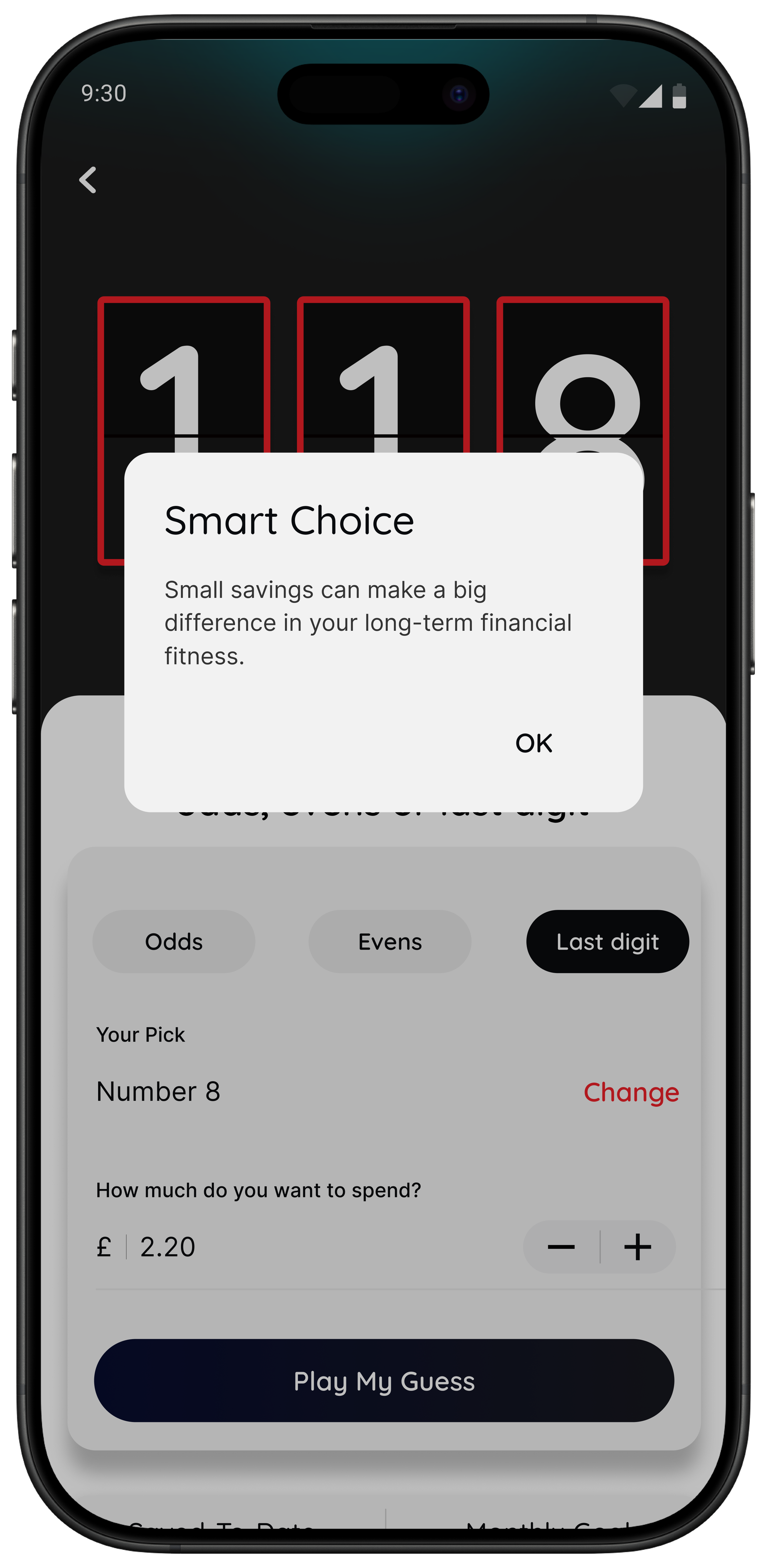
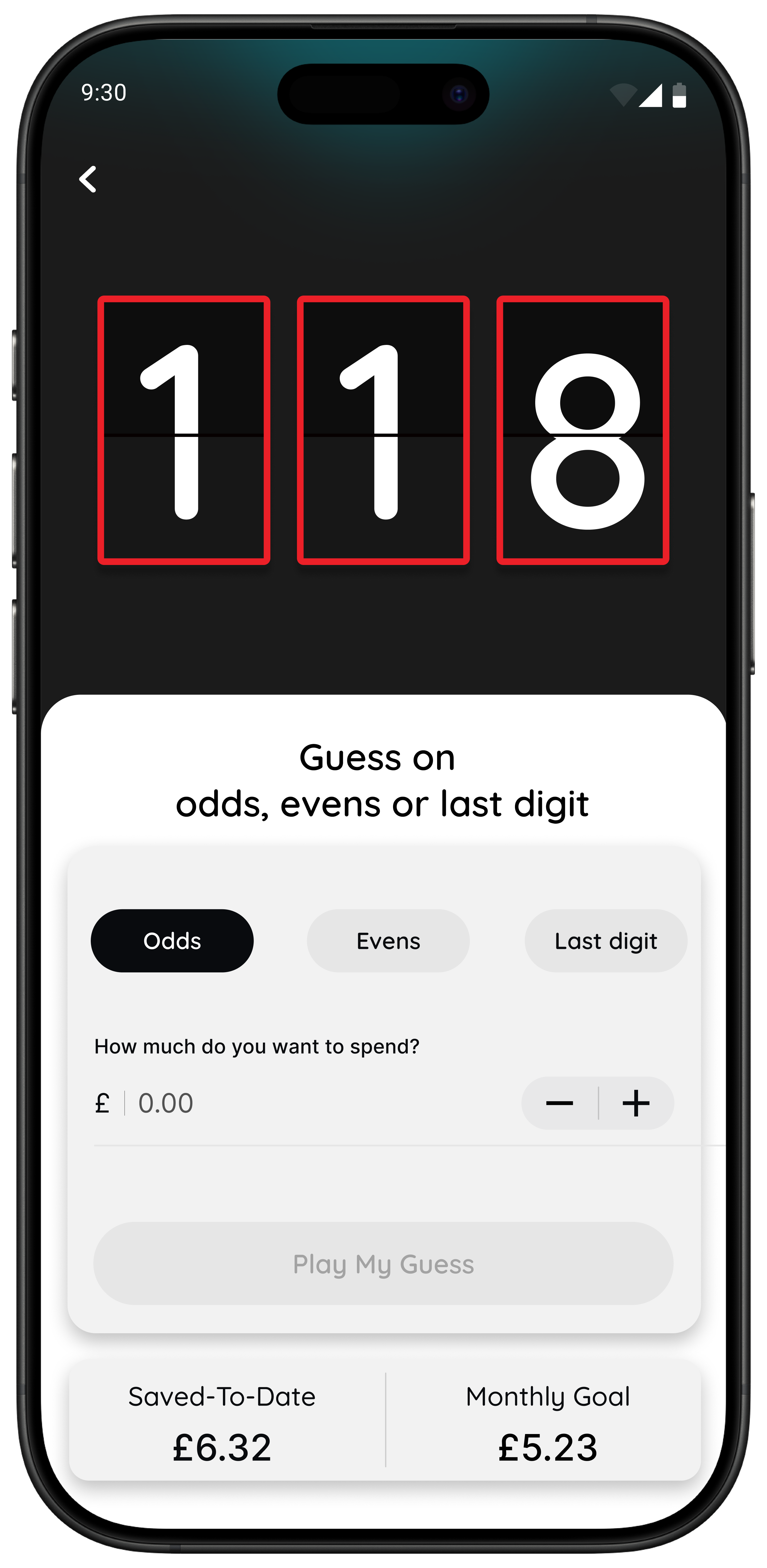
118M8 is built for the moment advice usually misses: right before you spend. The Number Generator is designed as a neutral, playful pause — then you choose what happens next.
- Buy: go ahead, with eyes open.
- Don’t Buy: track the win and build proof that small pauses add up.
- Sleep on it: set a 24‑hour reminder so urgency can fade.
If you’re a 118 118 Money credit card customer, you can also use the Money section to spot spending patterns over time.
If you keep using randomness to justify spending, do this instead
If you notice a pattern like “it landed on Buy so I had to”, that’s your cue to switch tools.
- Swap random for time: default to a 24‑hour pause for anything unplanned.
- Make the pause easy: close the tab, remove saved cards, log it in a “spend later” list.
- Lower the decision load: create a small “default yes” list (a few things you can buy without spiralling).
You can also explore Subscriptions if recurring costs are where your money quietly leaks.
Frequently Asked Questions
Is it a good idea to use a number generator to decide whether to buy something?
It can be a good idea when you are stuck in overthinking or tempted by an impulse buy. Used well, it creates a pause and helps you notice your reaction to the outcome. You should still use guardrails (a budget limit and a sleep-on-it option) for anything meaningful.
How do I set rules for a number generator spending decision?
Decide what outcomes mean before you generate. For example: 1–7 Sleep on it, 8–9 Don’t Buy, 10 Buy. Add simple rules like “never randomise essentials” and “above my threshold, default to Sleep on it.”
What does “sleep on it” mean for spending decisions?
It means you wait 24 hours before buying. The pause gives urgency time to fade so you can decide with a clearer head. If you still want it tomorrow and it fits your plan, you can buy it guilt free.
Can a random choice help me stop impulse spending?
It can interrupt the urge loop by adding friction. The important part is what you do with the pause: check the total cost, convert the price into hours worked, and decide whether it matches what you value. If randomness becomes a justification tool, switch to a pause rule instead.
How does the 118M8 Number Generator help?
It creates a neutral, playful pause and then you choose: Buy, Don’t Buy, or Sleep on it (a 24-hour reminder). It’s designed for reflection, not control, so you stay in charge of the decision.
Stock images sourced from Unsplash.