

How to Stop Spending Money With ADHD (A Calm Plan)
If you have ADHD, “just use willpower” is rarely the right tool. The goal is not to stop buying fun things. It’s to design a kinder system that shows up at the exact moment you’re about to spend, so you can pause, reframe, and choose what actually matters.

A clear definition: “stop spending money” does not mean “never buy anything”
When people search how to stop spending money ADHD, they’re usually describing one specific problem: I keep buying things I didn’t plan, and I feel like I’m watching myself do it.
This article is a calmer alternative to “just budget harder”. If you have ADHD, the most reliable wins usually come from two moves:
- Reduce frictionless checkout in the places you overspend.
- Build a tiny pause you can repeat in real life, not only on your best days.
Quick Reframe
Your brain is not “bad with money”. Your money system just needs to match how your brain makes decisions under pressure.
Why ADHD spending can feel so urgent
Impulse spending is rarely about the item. It’s usually about state change: boredom to novelty, stress to relief, uncertainty to “done”.
With ADHD, a few patterns can make spending feel extra sticky:
- Novelty seeking: your brain can crave stimulation and quick reward, which makes “buy now” feel unusually compelling.
- Time blindness: future costs (next week’s groceries, next month’s bill) can feel less real than the right-now urge.
- Decision fatigue: later in the day, your ability to “hold the plan” drops, and autopilot wins.

If you want a fast trigger checklist, start with ADHD Impulsive Spending: Signs, Triggers, and a 2-Minute Pause. If you want the wider system, bookmark How Can I Stop Spending Money? A Calm, Practical Framework.
Step 1: remove “one-tap spending” in under 10 minutes
If you do nothing else, do this. ADHD-friendly systems start by changing the environment. You can still buy things. You just can’t buy them on autopilot.
Setup
The simplest friction stack
- remove saved cards from the 1–2 apps where you overspend the most
- turn off one-click checkout and express checkout
- sign out of shopping apps and delivery apps
- move shopping apps off your home screen
- unsubscribe from the loudest marketing emails and notifications
Aim for ‘one extra step’, not a total ban. The point is to give future you a chance to speak up.

Step 2: build a “pause ritual” you can do at checkout
A pause ritual is a tiny routine that’s short enough to happen in the moment, but structured enough to interrupt urgency.
Pause Ritual
The 30-second checkout script
- Name the moment: “This is a bored buy” or “This is a stressed buy.”
- Clock it: translate the price into hours worked.
- Pick one: buy on purpose, sleep on it, or don’t buy and log the win.
Your goal is not to talk yourself out of everything. Your goal is fewer automatic checkouts.

Step 3: use micro-interventions (tiny interrupts that work with ADHD)
Micro-interventions are small, fast actions that break autopilot. They’re not therapy. They’re not willpower. They’re design.
Micro-Interventions
Pick two of these for this week
- set a 60-second timer before you hit pay
- read one rule out loud: ‘totals matter more than items’
- move the item to a ‘spend later’ list and close the tab
- drop quantity to 1 and remove add-ons and upgrades
- take a screenshot of the cart and sleep on it
- for delivery apps: eat a 10-minute option first then decide
Two is enough. If you try to do ten, you’ll do none.
Step 4: make the cost tangible with “hours worked”
ADHD brains often do better with concrete information than abstract information. “£42” is abstract. “Two and a half hours of my work” is concrete.
Try this rule: always clock the total, including delivery fees, tips, add-ons, and warranties. Totals are what undo plans.

Set up 118M8 in 2 minutes (so the pause actually happens)
Advice tends to arrive after the spending. 118M8 is built for right before you spend, when urgency is loud and time feels short.
118M8 Tools
Clock it, Pause it, Choose it
- Open 118M8 when you’re about to buy.
- Tap Wait and enter the price (and your pay rate once). You’ll see the cost in hours worked.
- Tap Sleep on it when it’s a “maybe” so you get a 24-hour reminder.
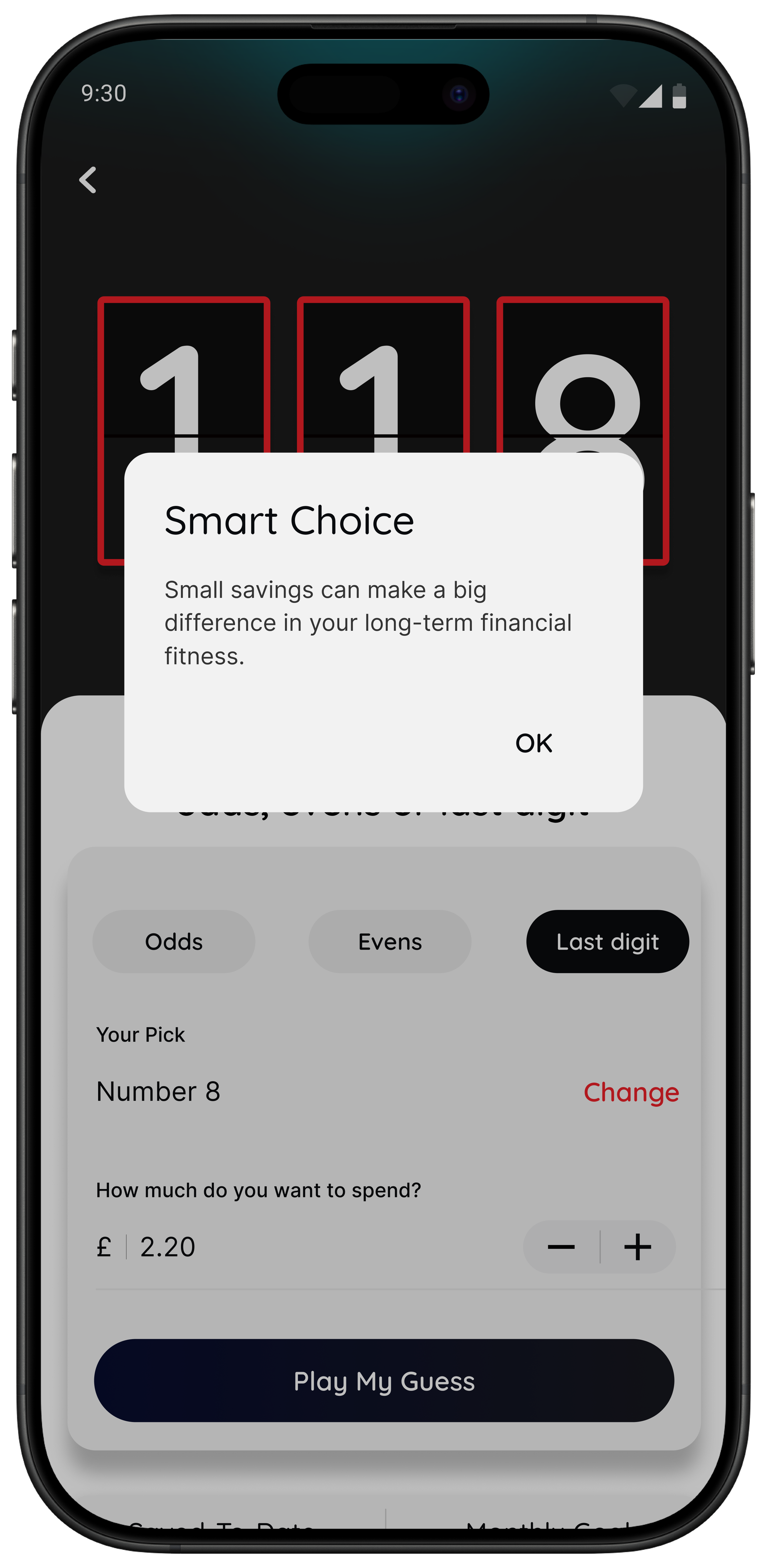
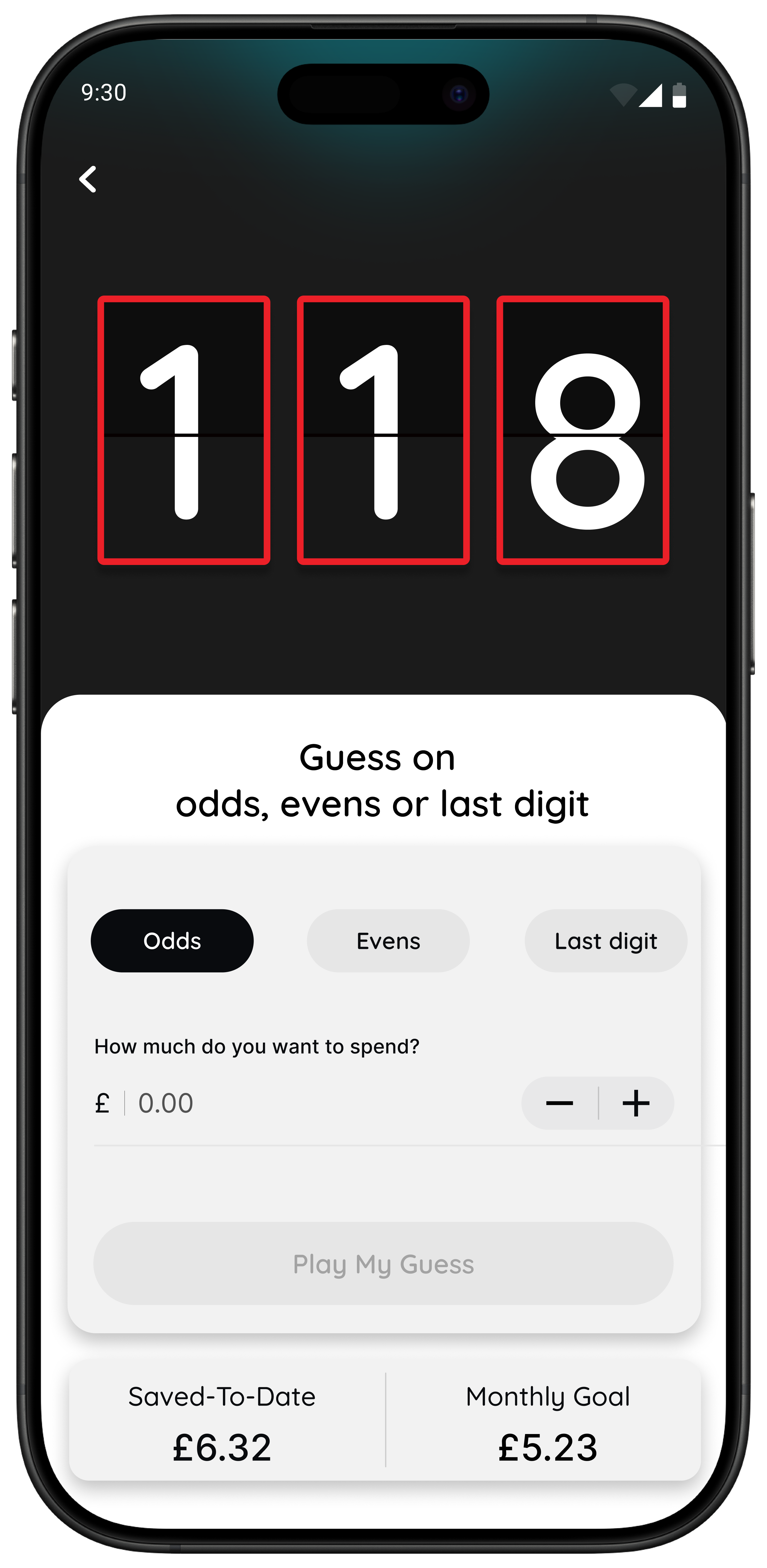
- Use Number Generator when your brain is stuck. It’s a neutral interrupt, not a decision-maker.
You stay in control. 118M8 just helps you interrupt autopilot without self-criticism.
If money and ADHD are colliding hard, get support (UK)
If your spending is causing distress or debt, you deserve support that’s kind and practical. These resources can help:
- NHS: ADHD overview for symptoms and routes to help.
- MoneyHelper for free, UK-backed guidance on budgets, debt, and money decisions.
- ADHD UK for community support and resources.

Important
This article is not medical advice or financial advice. It’s educational information and practical habit ideas. If you’re struggling, consider speaking with a qualified clinician or a regulated debt/money adviser.
Frequently Asked Questions
Why is impulsive spending common with ADHD?
Because the purchase can act like fast relief or stimulation, and frictionless checkout makes it easy to act before you’ve had time to pause. A kinder approach is to design a small interrupt (friction + a pause ritual) rather than relying on willpower.
What are the best ways to stop spending money with ADHD?
Start with environment changes: remove saved cards, sign out of shopping apps, and turn off one-click checkout. Then add a simple pause ritual you can do at checkout and convert prices into hours worked so the decision feels real.
How do I stop late-night impulse spending with ADHD?
Treat night spending as an energy problem. Make checkout harder at night (sign out, remove saved cards), move shopping apps off your home screen, and use a rule like ‘nothing bought from bed’. If you still want it, set a 24-hour reminder and decide tomorrow.
What is a micro-intervention at checkout?
A micro-intervention is a tiny action that interrupts autopilot spending in the moment, like a 60-second timer, a ‘spend later’ list, converting the total into hours worked, or using a 24-hour reminder.
How can 118M8 help with ADHD spending?
118M8 is designed for right-before-you-buy moments. Use Wait to translate a price into hours worked, Sleep on it to create a 24-hour buffer, and Number Generator to add a neutral pause. You stay in control of the final choice.
Stock images by Swello, Emil Kalibradov, Paola Aguilar and Clay Banks via Unsplash.