


Spending Habits App: Build Better Money Routines
A spending habits app should do more than show charts after the fact. If you want real behaviour change, it needs to help in the moment a habit is about to run: when you are tired, tempted, rushed, or trying to keep up. This guide shows how spending habits are built, the five levers that actually change them, and how to use 118M8 as a simple daily system.

Quick Start
A 2-minute pre-purchase script for better spending habits
- Pause: take one slow breath before you pay.
- Name the cue: stress, boredom, convenience, celebration, or keeping up.
- Clock the cost: turn the price into hours worked.
- Choose a rule: buy now, save for later, or sleep on it for 24 hours.
- Decide in one sentence: “I’m buying this because it fits what matters this week.”
This works because it is short enough for real life. You are not trying to become a different person at checkout. You are just making the habit a little slower and a little clearer.
What makes a spending habit in the first place?
Most spending habits follow a familiar loop: cue, routine, reward. The cue is the trigger. The routine is the action. The reward is the feeling or relief you get after it.
In money terms, the cue might be payday, late-night scrolling, a stressful day, or a message from friends. The routine is the spend itself. The reward might be comfort, convenience, stimulation, belonging, or simply the feeling of deciding quickly and moving on.
That matters because if you want a spending habits app to work, it has to help at one of those points. It has to make the cue easier to notice, the routine harder to do automatically, or the reward available in a better form.

That is why simple advice like “be more disciplined” often falls flat. It ignores the design of the moment. If you want a broader behavioural framework too, see How Can I Stop Spending Money? A Calm, Practical Framework.
The 5 levers that actually change spending behaviour
When people look for a spending habits app, they usually do not need more guilt. They need a tool that makes better behaviour easier to repeat. These five levers do that.
The Five Behaviour Levers Behind Better Spending Habits
| Lever | What it changes | What it looks like in real life |
|---|---|---|
| Visibility | helps you spot patterns | seeing repeat merchants, categories, and trigger moments |
| Friction | slows automatic purchases | removing saved cards or adding a pause before checkout |
| Replacement | gives the urge somewhere else to go | save for later, lower-cost swaps, or a neutral decision tool |
| Reminders | brings you back when the urge cools | 24-hour reminders for non-essential spending |
| Identity | changes how you describe yourself | I am someone who pauses before I buy |
The strongest habit systems usually combine one visibility tool with one in-the-moment pause.
1. Visibility: you cannot change what you cannot see
Bad spending habits often feel random when they are actually repetitive. The same shops. The same time of day. The same emotional state. Visibility turns “I overspend all the time” into something much more useful: “I order delivery when I get home tired on Thursdays” or “I buy little extras whenever I shop with friends.”
A good spending habits app helps you notice repeats without shame. That may be category trends, merchant frequency, subscription drift, or a simple weekly check-in. If you keep looking for clarity on where the money goes, that is a sign you need visibility first.
For example, if your pattern is small repeat buys rather than one big splurge, you may find these related guides helpful: App to Stop Unnecessary Spending, Best Apps for Saving Money UK, and Snoop Budget App: Best-Fit Guide and Calm Alternatives.
2. Friction: make the automatic purchase slightly harder
Habit change does not always start with motivation. Often it starts with one extra step.
That step might be removing one-tap checkout, deleting a shopping app from your home screen, or using a tool that asks one question before you spend. Friction sounds small, but it matters because it gives Future You a chance to speak.
High-impact friction ideas
- Remove saved card details from your main trigger apps.
- Move shopping apps off your first screen.
- Set a rule that nothing gets bought straight from an ad.
- Use a pause tool before every unplanned non-essential spend.

3. Replacement: do not just remove the habit, redirect it
When the urge to spend shows up, you need somewhere for it to go. This is where most people get stuck. They try to say no, full stop. That creates friction, but no substitute.
A better approach is replacement. Save the item to a list. Choose a cheaper version. Delay the purchase and set a reminder. Use a neutral tool that gives you a moment to breathe. The goal is not to crush the urge. It is to stop the urge from turning straight into a checkout.
This is one reason many readers also find value in Money Mindfulness App: Calm, Practical Spend Habits and Number Generator to Decide Whether to Buy. Both are built around replacing autopilot with a small, repeatable choice.
4. Reminders: let tomorrow help you decide
A lot of spending regret disappears with time. That is why reminders matter. A good spending habits app should not only help you pause now. It should help you return to the decision later, when the emotional heat has dropped.
The classic example is a 24-hour reminder for non-essential purchases. If you still want the item tomorrow, great. You can buy it with more confidence. If you do not, that tells you something important too.
If reminders are especially helpful for you, you may also like Impulse Buying App: What to Look For and Best Apps to Stop Impulse Buying in the UK.
5. Identity: the habit sticks when it starts to feel like you
This last lever is easy to overlook, but it matters. Habits last longer when they stop feeling like a temporary challenge and start feeling like part of your self-image.
Instead of saying, “I’m trying not to spend so much,” try a more stable identity cue: “I’m someone who pauses before I buy.” That sentence is small, but it gives your brain a rule to live up to.
A spending habits app can support that identity if it helps you collect wins. Not perfect weeks. Just proof. One paused checkout. One saved-later list. One purchase you did not make because you realised it was three hours of work for a passing urge.
Try this now: turn a price into hours worked
One of the fastest ways to change spending behaviour is to make cost feel human again. Money can feel abstract. Time usually does not.
Quick Check
What does this purchase cost in hours?
Use your take-home hourly pay if you want the most realistic result.
This purchase costs
0.0 hours
If you buy something like this weekly
That’s 0.0 hours of take-home time per week.
This is simple maths, not financial advice. It is just a fast way to make the trade-off feel real.
That one shift often changes the tone of the decision. If you want more examples of this method, read How to Stop Spending Money With ADHD, where the in-the-moment pause matters even more.
How 118M8 supports each spending habit lever
118M8 is built for the part of behaviour change that usually gets missed: the moment right before a purchase goes through.
Spot It. Clock It. Choose It. Pause It.
A practical fit for better spending habits
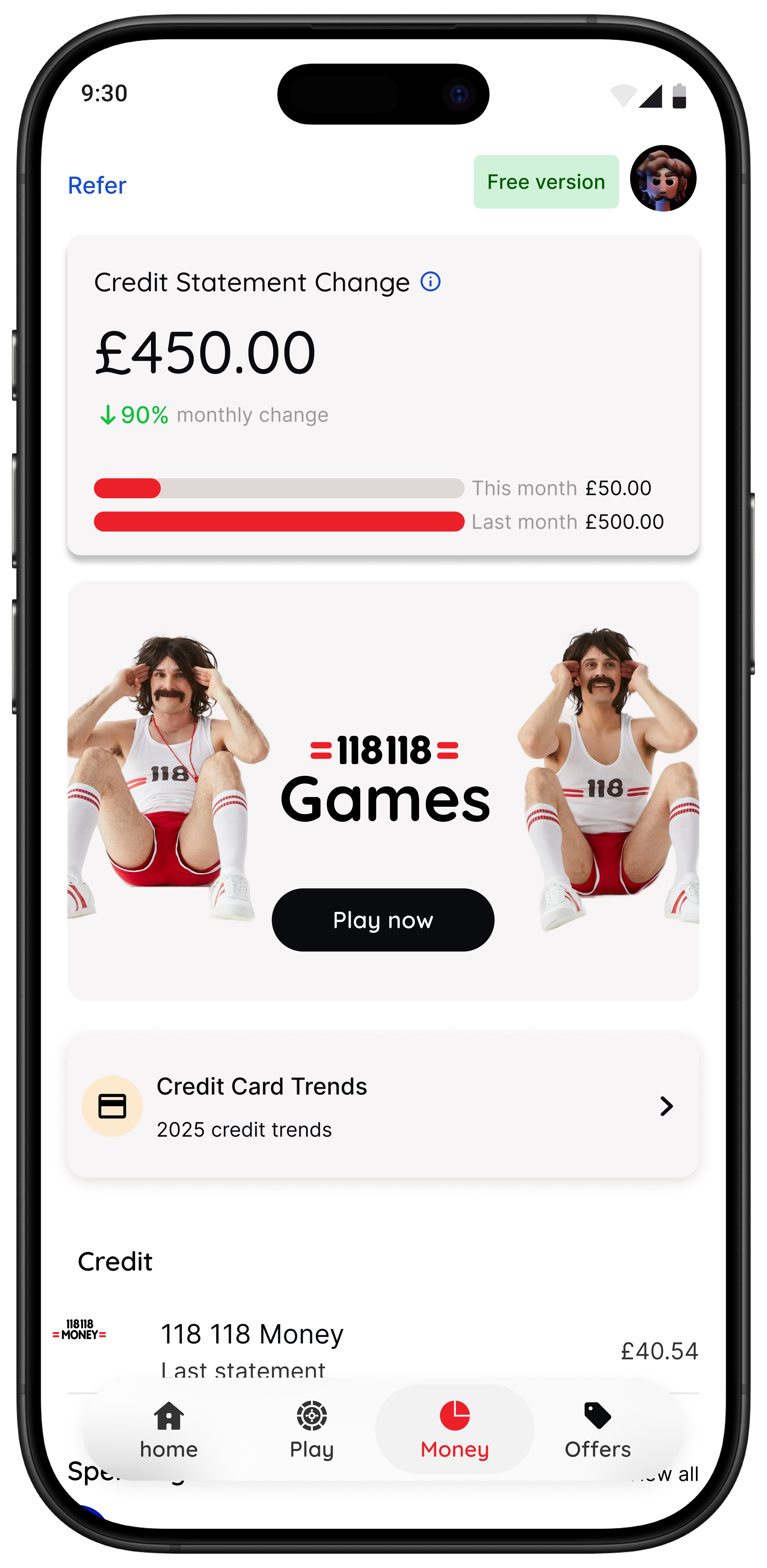
- Visibility: eligible 118 118 Money credit card customers can use the Money section to see patterns, repeat merchants, and spending trends.
- Friction: the app interrupts the automatic flow right before you buy.
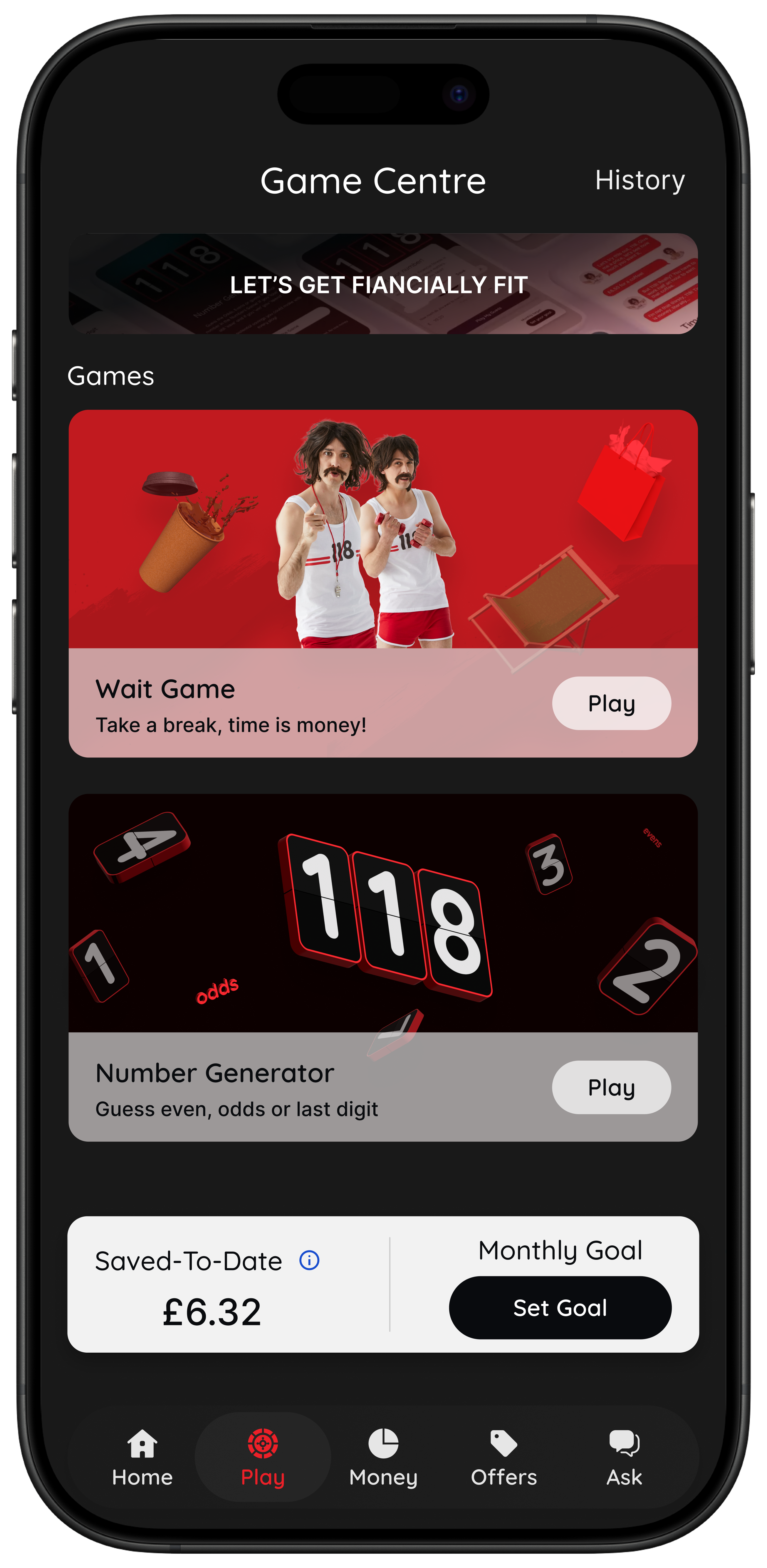
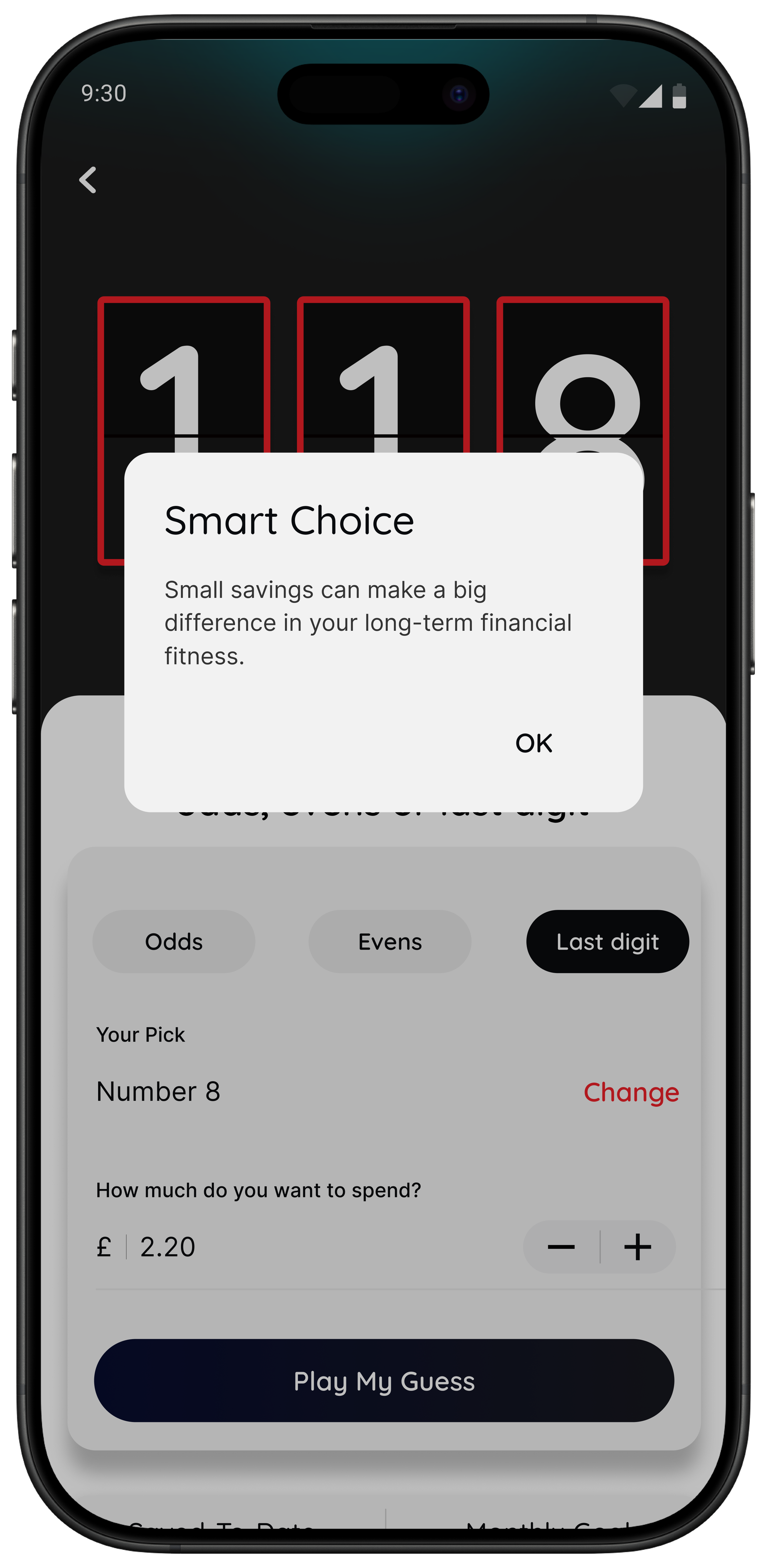
- Replacement: Wait and Number Generator give you something to do instead of tapping Pay instantly.
- Reminders: Sleep on it creates a 24-hour pause for purchases you are unsure about.
- Identity: Saved-to-Date gives you visible proof that small daily decisions add up.
118M8 does not give financial advice. It gives you calm decision tools and visibility so you can choose more intentionally.
A realistic 30-day plan to improve your spending habits
You do not need a dramatic money reset. You need repetition. This plan keeps the moving parts small so the habit has a chance to stick.
Your 30-day spending habits plan
- Days 1–3: choose one pause rule. Example: “Any non-essential over £20 gets 24 hours.”
- Days 4–7: use the hours-worked check once a day, even for small purchases.
- Days 8–14: create a Spend Later list and add at least five items without buying them.
- Days 15–21: review one repeat pattern. It might be coffee, takeaway, shopping apps, or social spending.
- Days 22–26: add one friction move, such as removing saved cards or deleting one retail app.
- Days 27–30: keep the pause and review your wins. Pick one rule to carry into next month.
The goal is not zero fun spending. The goal is fewer purchases that leave you wondering why you did that.

Who a spending habits app is best for
A spending habits app is especially useful if your problem is not basic budgeting, but repeat behaviour. You know what you want to do. You just do something else in the moment.
It is a strong fit if you:
- buy quickly when you are tired or stressed
- spend socially to avoid feeling left out
- make lots of small purchases that add up
- want support without guilt, lectures, or strict rules
If your main issue is broad budgeting rather than habits, you may prefer a more traditional dashboard tool first. But for right-before-you-buy moments, a habit-focused app is often the missing piece.
About 118M8
A calmer way to build better spending habits
118M8 is designed to help you spend with intention without guilt or lectures. Use Wait to clock a price into hours worked, Sleep on it to create a 24-hour pause, and Number Generator to give yourself a neutral moment before a decision. For eligible users, the Money section also helps you spot patterns over time.
If you want a spending habits app that works with human behaviour instead of fighting it, 118M8 is built for that right-before-you-buy moment.
Saved-to-Date reflects the amount you could have chosen not to spend during the current month based on your in-app decisions. No funds are moved automatically.
Frequently Asked Questions
What is a spending habits app?
A spending habits app is a tool designed to help you notice, interrupt, and reshape repeat spending behaviour. The most useful ones do more than track transactions. They add visibility, friction, reminders, and simple decision prompts right before you spend.
Can an app really change spending habits?
An app can help change spending habits if it fits the moment your habit usually runs. Apps work best when they make your spending visible, add a pause before checkout, help you reframe cost, and give you a repeatable rule you can stick to.
What features should I look for in a spending habits app?
Look for five things: spending visibility, friction before purchase, a replacement action such as save for later, reminders that bring you back, and light progress tracking so you can see wins over time.
What is a good pre-purchase habit?
A good pre-purchase habit is short enough to use in real life. One simple script is: pause, name the trigger, convert the price into hours worked, choose whether to buy now or sleep on it, and decide with one sentence that connects to what matters this week.
How does 118M8 help improve spending habits?
118M8 helps improve spending habits by giving you calm, repeatable tools for right-before-you-buy moments. Use Wait to turn a price into hours worked, Sleep on it to set a 24-hour reminder, the Number Generator to create a neutral pause, and the Money section for eligible users to spot spending patterns over time.
Stock images via Unsplash.