

Best Apps to Stop Impulse Buying in the UK
If impulse spending happens in seconds, the right app has to help in seconds too. This UK guide compares the best apps to stop impulse buying, from budgeting tools and digital blockers to calm pause tools like 118M8, so you can choose the one that fits how you actually spend.

Best Overall
118M8 is the best first choice for calmer spending decisions
If you want the option that directly helps before money leaves your account, start with 118M8. Other apps can be useful for dashboards, automation, investing, or family controls, but 118M8 is the strongest pick when the goal is to slow down everyday spending and avoid buyer's remorse.
Get 118M8Quick Pick
Choose your impulse-buying app by the moment you struggle most
- Best overall, start with 118M8 because it helps before money leaves your account.
- If you need a pause right before you pay, start with 118M8.
- If you need to see where money keeps leaking, try Snoop or Emma.
- If you keep shopping because the apps are always there, use a blocker like Freedom or Opal.
- If you tend to spend from general account balance, use a bank app with pots and card controls like Monzo.
- If you want the simplest setup, pick one visibility app and one in-the-moment pause tool. That is usually enough.
This list focuses on impulse buying prevention, not saving money in the broadest sense. The best tool is the one that shows up when the urge does.
How to choose: do you need insight, friction, or structure?
Most people do not have a pure willpower problem. They have a moment problem. The urge shows up fast, the checkout is frictionless, and the price feels small enough to dismiss.
That is why apps to stop impulse buying tend to fall into three useful groups:
- Insight tools show patterns after the spend so you can spot repeats, categories, and triggers.
- Friction tools block or delay access to shopping apps, websites, or distraction loops.
- Structure tools give you a repeatable rule, such as hours-worked reframing, pots, reminders, or a 24-hour pause.
A good setup makes the spend feel slower and more personal. If you want a broader framework first, see App to Stop Unnecessary Spending: Choose One That Works and Impulse Buying App: What to Look For (and One Calm Pick).
The main categories of impulse-buying apps
You do not need every type. You just need the type that matches your repeat pattern.
Impulse-Buying App Types Compared
| Type | Best for | Strength | Watch-out |
|---|---|---|---|
| Pause tools | fast checkout urges | helps in the exact moment | only works if you actually open it |
| Budgeting apps | spotting repeats and leaks | gives clarity after the spend | may not stop a purchase in real time |
| Blockers | shopping apps and late-night scrolling | adds strong friction | can feel restrictive or be bypassed |
| Bank structure tools | spending from the wrong pot | separates money and can limit damage | still needs a decision habit |
If your regret happens at checkout, start with a pause tool. If your regret happens when you check your balance, start with visibility.
Our top picks at a glance
This shortlist is built for UK readers who want practical help with overspending, impulse buying, and one-tap checkout habits.
Best Apps to Stop Impulse Buying in the UK
| App | Best for | Pros | Cons |
|---|---|---|---|
| 118M8 | right-before-you-buy decisions | hours-worked reframing, 24-hour reminder, neutral pause tools | best value comes when you use it in the moment |
| Snoop | spotting patterns and subscriptions | clear spending insights and bill prompts | more about visibility than checkout friction |
| Emma | budgeting with subscription tracking | strong account overview and budget controls | can feel heavier if you only need a fast pause |
| Monzo | pots and card-based structure | great for separating money and controlling access | not built specifically for impulse buying |
| Freedom | blocking shopping sites and apps | cross-device sessions and schedules | better for exposure control than spending insight |
| Opal | iPhone users who shop while scrolling | clean focus sessions and app blocking | less useful if your trigger is in-store or social spending |
These picks solve different parts of the same problem. You are choosing the best fit, not a universal winner.
118M8: Best overall for calmer spending decisions
118M8 is the best fit if your main problem is not knowing what to do right before you spend. It is built around a calm decision flow: Spot it. Clock it. Choose it. Pause it.
Instead of lecturing you after the purchase, it gives you a quick way to slow the decision down before the money goes. That matters because many impulse buys happen in under a minute.
Best for Right Before You Buy
Why 118M8 stands out
- Wait turns a price into hours worked so the cost feels personal.
- Sleep on it gives you a 24-hour reminder for purchases you are unsure about.
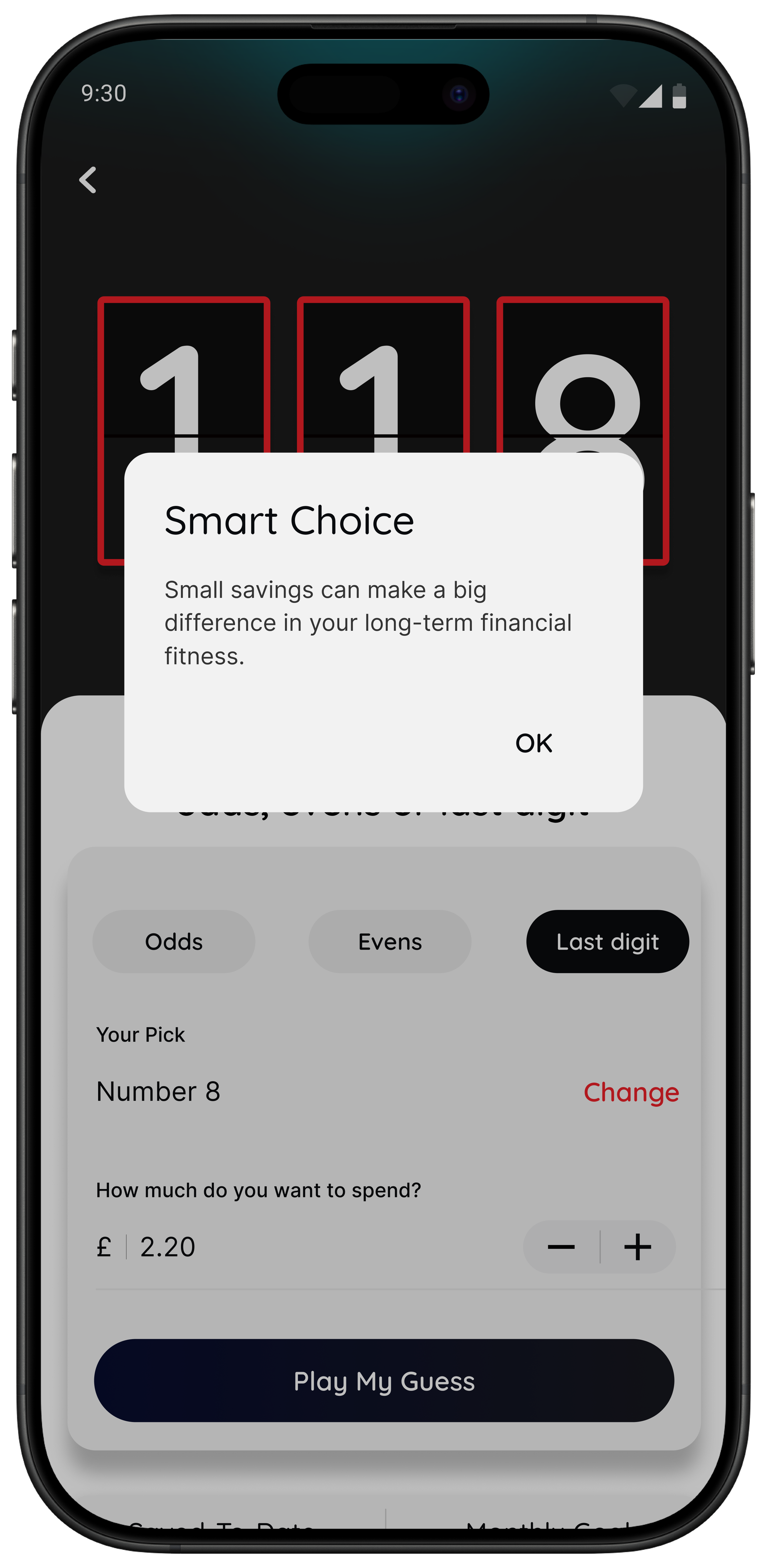
- Number Generator adds a neutral, playful pause when you are overthinking.
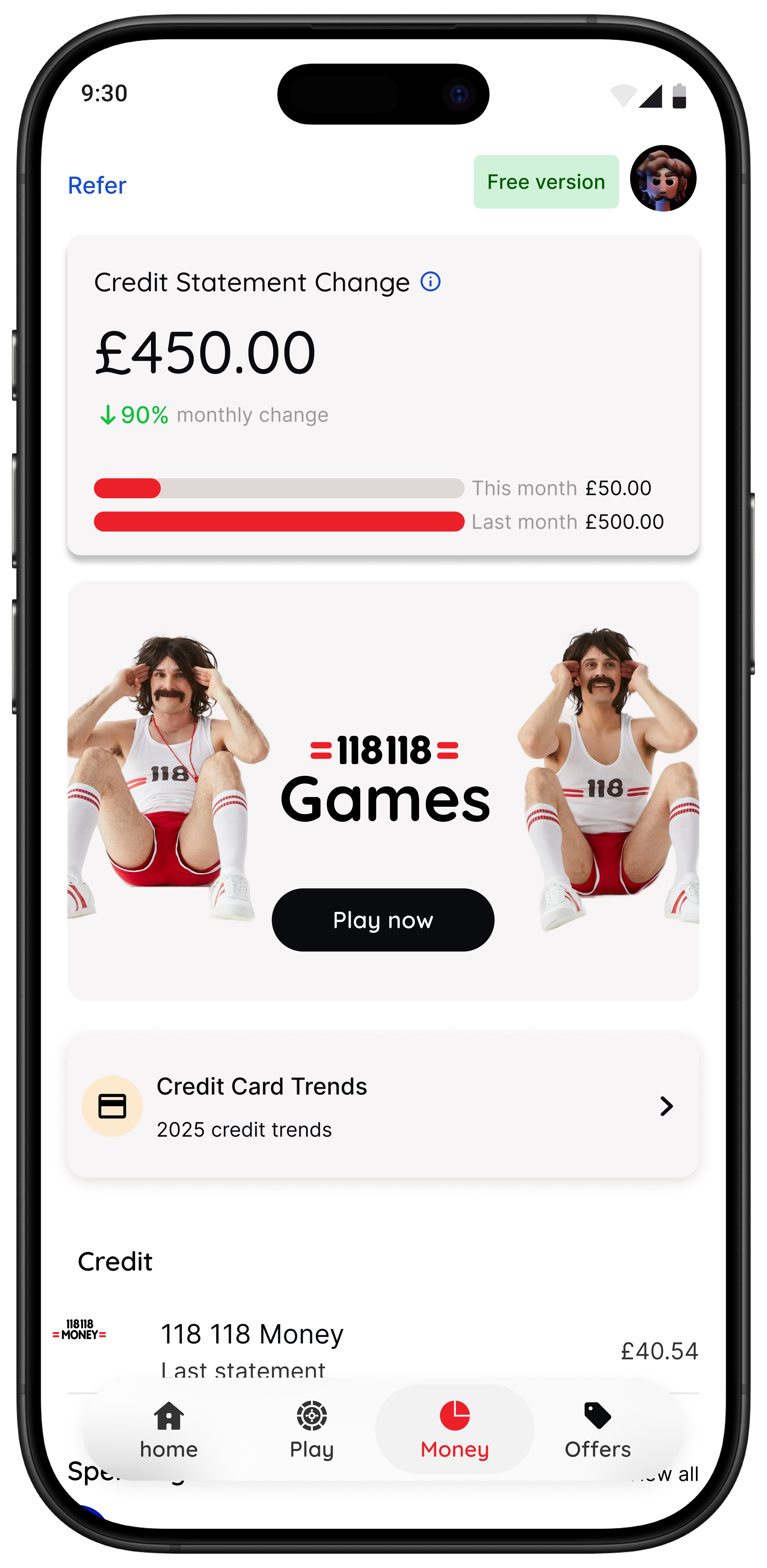
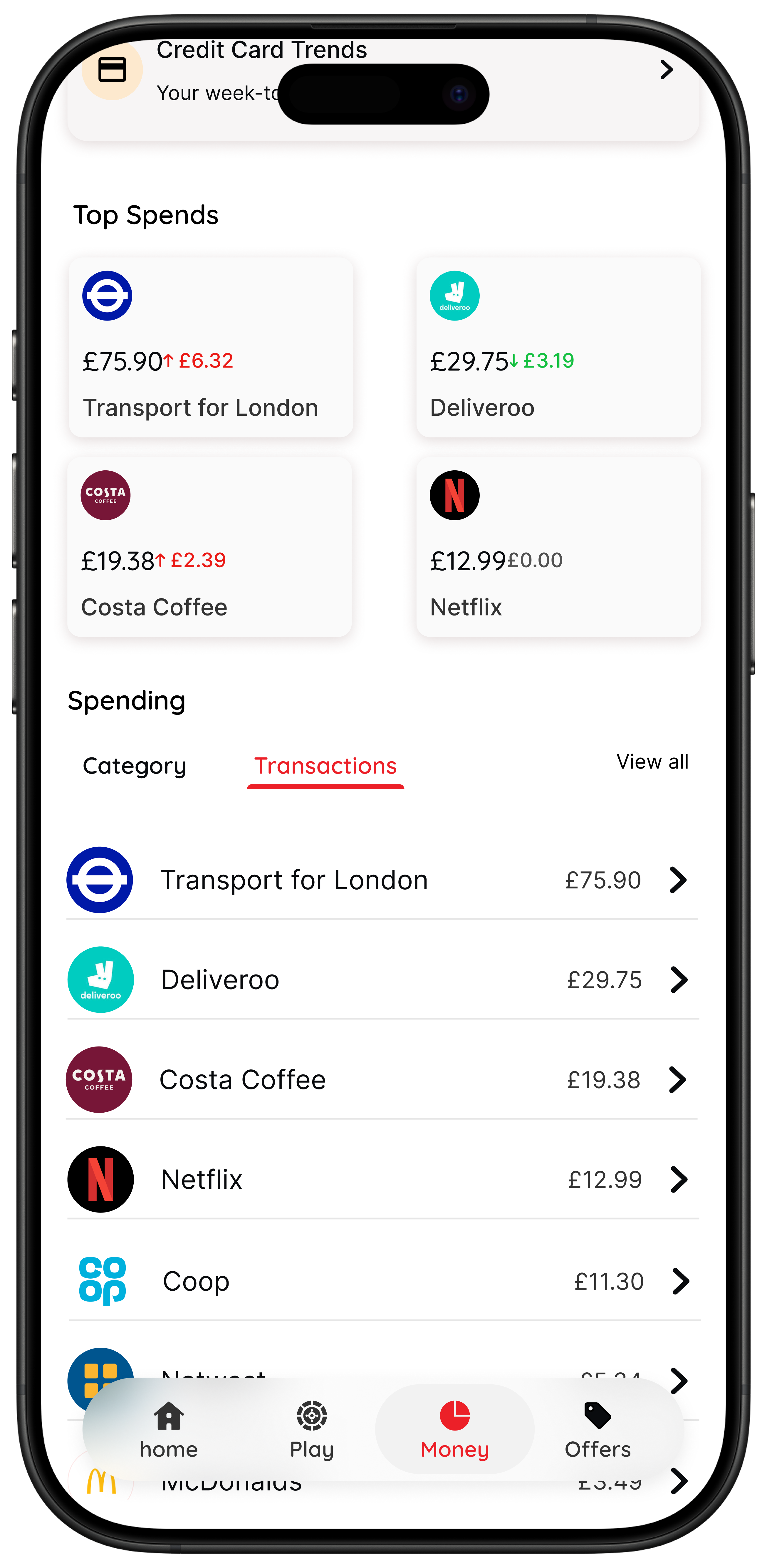
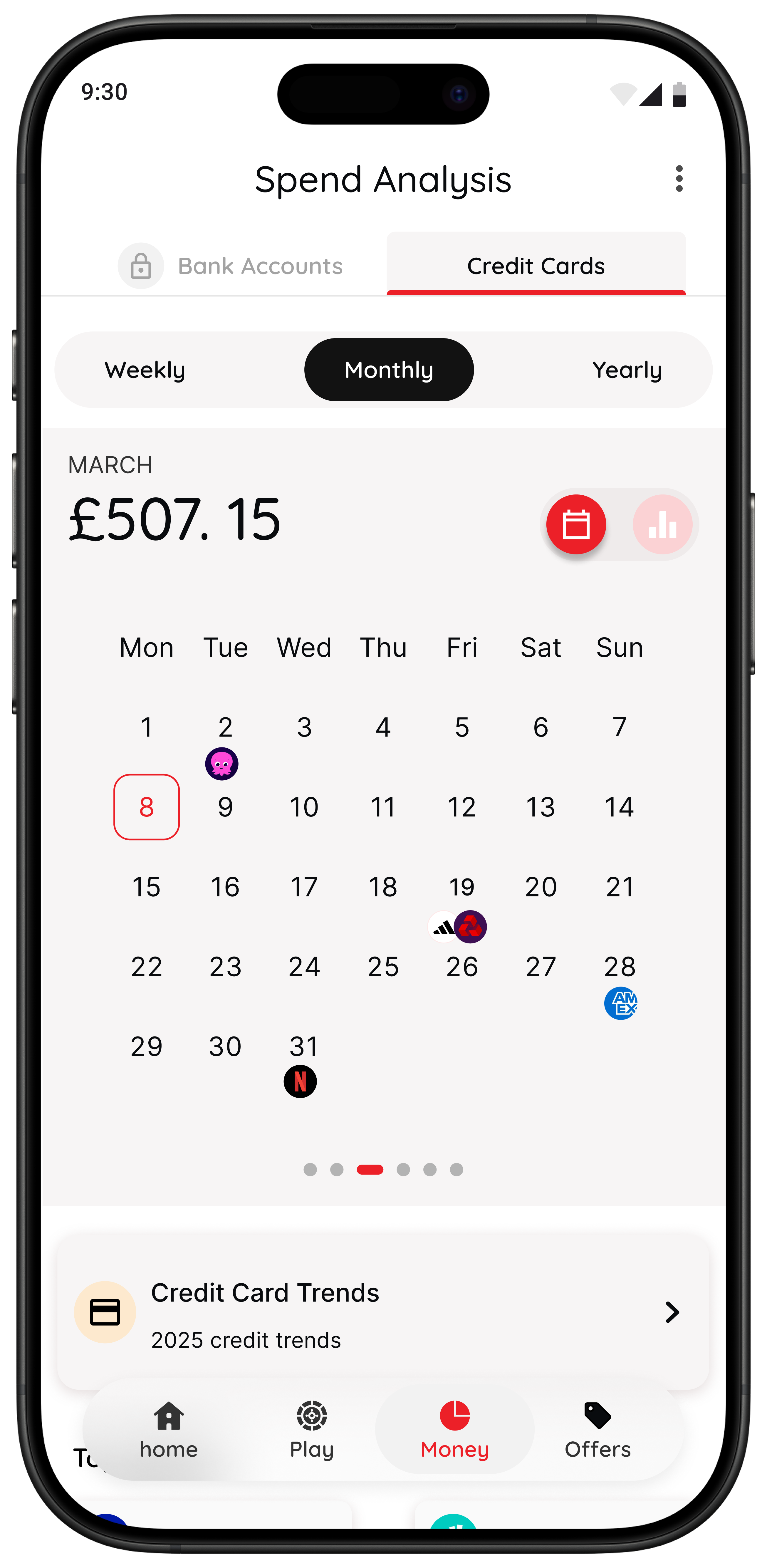
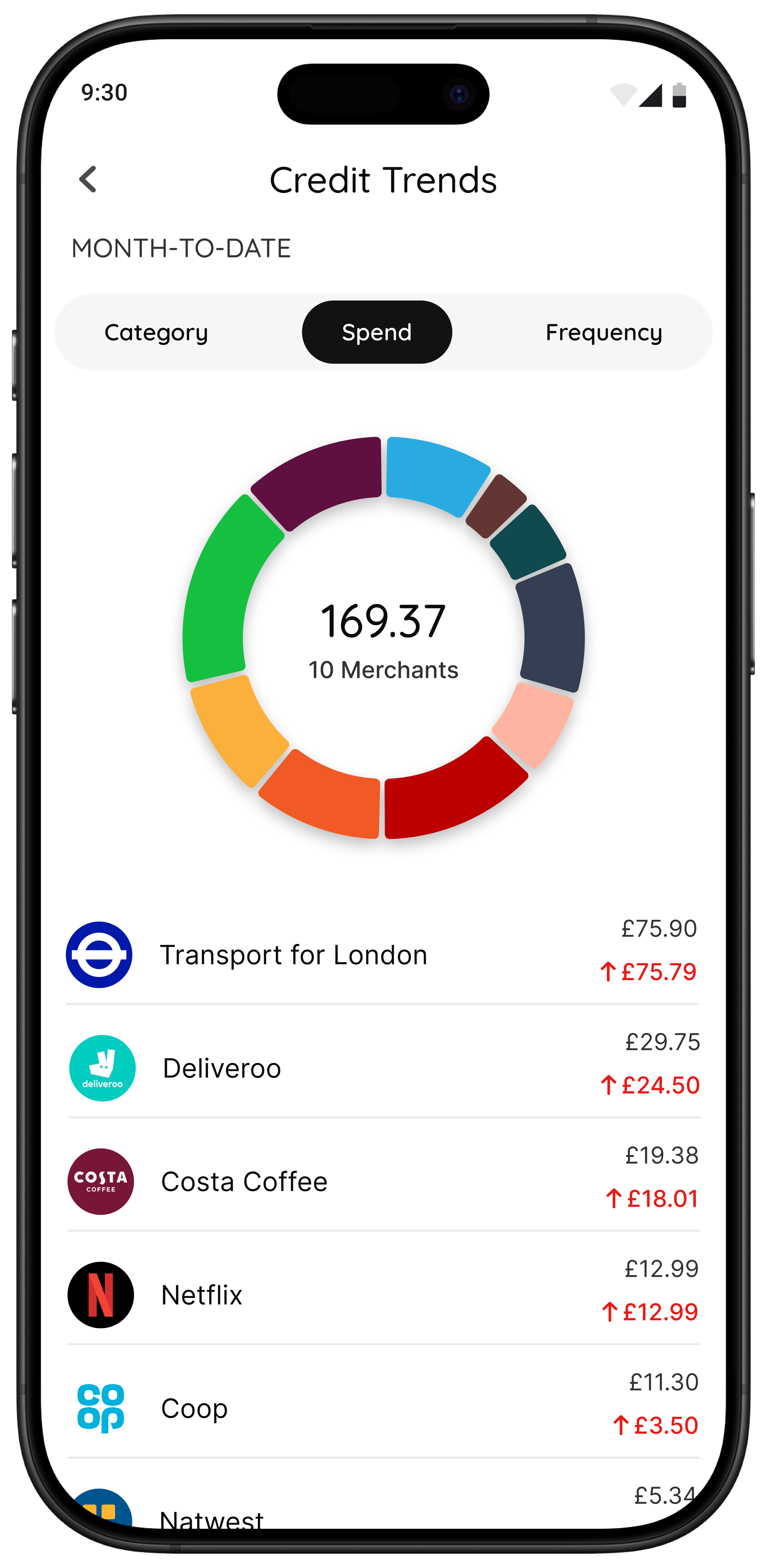
- Spending visibility helps eligible 118 118 Money credit card customers spot patterns and trends.
Best for: people who want less autopilot spending without guilt, shame, or rigid budgeting.
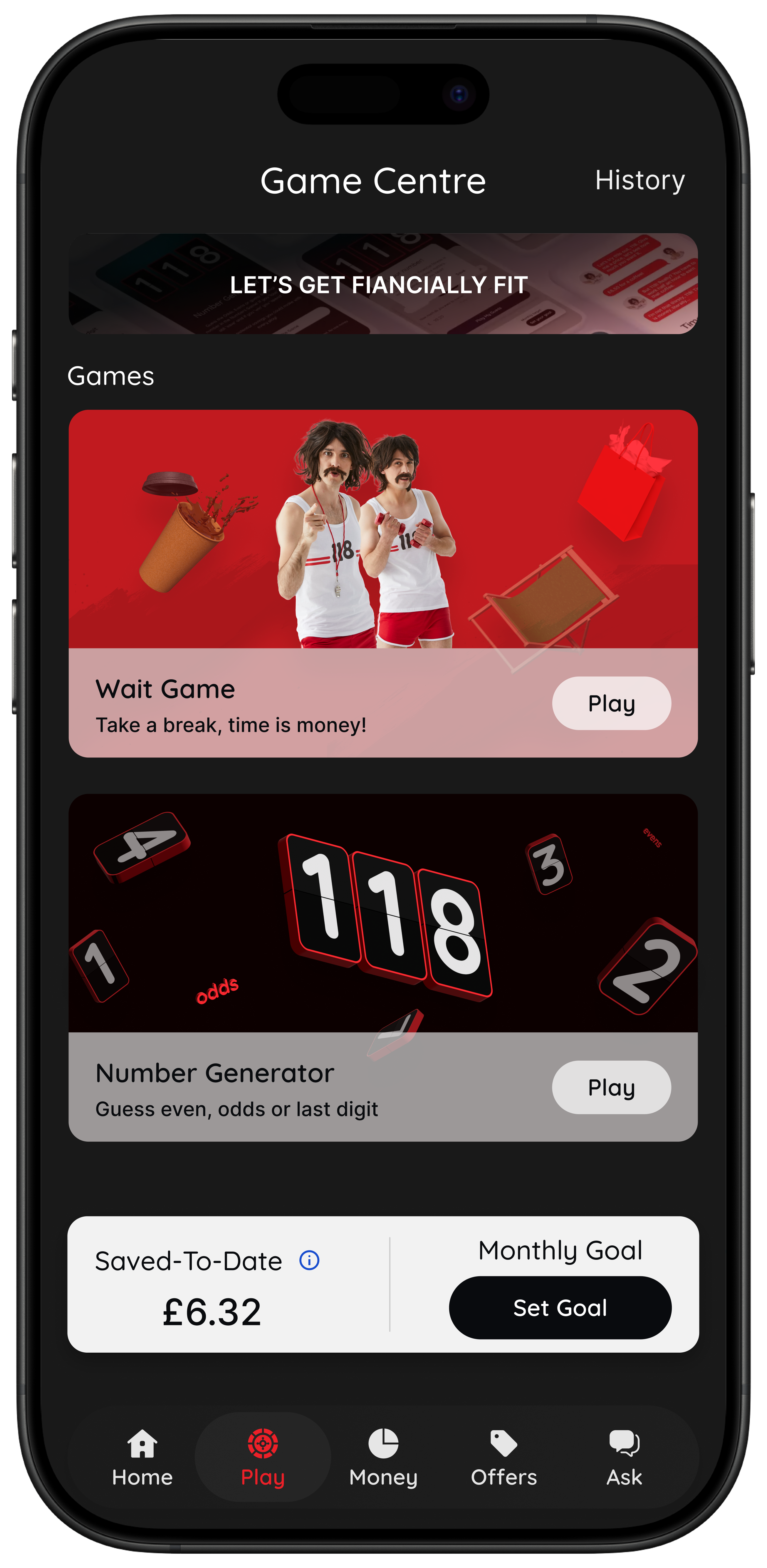
Pros: built for the moment of temptation, calm tone, clear decision tools, and a strong fit for people who do not want guilt-based money advice.
Cons: if you want deep full-bank budgeting across every account right now, you may still want to pair it with a visibility app.
Snoop: Useful for spotting spending patterns and bill leaks
Snoop is a good choice if your impulse spending sneaks up on you through repeats: too many takeaways, quiet subscriptions, or regular small spends that no longer feel noticeable.
It is less about stopping you at checkout and more about showing you the pattern clearly enough that you change what happens next week.
Pros: useful for trend spotting, recurring spend visibility, and general money awareness.
Cons: not really a pause tool, so it works best when paired with something you can use in the moment.
Best for: “Where does my money keep going?” rather than “How do I stop myself right now?”
If you want a deeper fit check, read Snoop Budget App: Best-Fit Guide and Calm Alternatives.
Emma: Useful for budgeting plus subscription awareness
Emma is useful for people who want a fuller money dashboard, especially if subscriptions and category budgets are part of the impulse-spending picture.
If your pattern is “I am fine with big purchases but I leak money through lots of little ones”, Emma can be useful because it keeps the overall picture visible.
Pros: strong overview across spending, budgets, and recurring payments.
Cons: more of a dashboard than a rapid intervention. If your issue is one-tap spending, it may feel too late in the process on its own.
Monzo: Useful for structure, pots, and separating spending money
Monzo is not an impulse-buying app in the strict sense, but it is one of the best banking tools for reducing the damage impulse spending can do. Pots, virtual card controls, and a clearer separation between spending money and goal money can create real structure.
This matters because sometimes the problem is not the urge itself. It is the fact that all your money sits in one visible balance that feels available.
Pros: strong day-to-day money structure, great for separating funds and reducing “accidental” overspending.
Cons: not designed as a reflective pause tool, so it may not help much with social pressure, boredom spending, or treat-yourself moments by itself.

Freedom: Useful for blocking shopping apps and websites across devices
If your impulse spending starts with scrolling, browsing, or falling into shopping tabs you did not mean to open, Freedom can be surprisingly effective.
Its job is simple: add friction before the shopping spiral starts. This is especially useful for late-night spending, payday temptation, and workday boredom shopping.
Pros: strong cross-device blocking, useful if the real issue is exposure to triggers.
Cons: it does not teach you what to do once the urge appears in a shop, social setting, or checkout page you can still access elsewhere.

Opal: Useful for iPhone users who impulse buy through screen time
Opal is a good fit for people who know their spending is tied to phone habits more than money habits. If the chain is usually scroll, ad, click, cart, buy, then cutting screen access can break the pattern early.
Pros: strong focus design, useful for reducing app-hopping and reactive shopping.
Cons: more of a digital wellbeing tool than a spending tool. It works best as friction, not as a full money system.

Why 118M8 feels different: the hours-worked test
One reason 118M8 stands out is that it makes a price feel like time, not just money. That sounds small, but it changes the decision. “£36” is easy to dismiss. “Three hours of work” lands differently.
Quick Check
What does this purchase cost in hours?
Use your take-home hourly pay if you want the most realistic time cost.
This purchase costs
0.0 hours
If you buy something like this weekly
That’s 0.0 hours of take-home time per week.
This is simple maths, not financial advice. It is just a fast way to make a spending decision feel real.
The best setup for most people
If you only install one app, choose the tool that fits your biggest trigger. But if you want the setup most likely to stick, this is the sweet spot:
- One visibility app such as Snoop or Emma to review patterns once a week.
- One in-the-moment app such as 118M8 to pause right before you buy.
- Optional friction such as Freedom or Opal if browsing is what starts the whole chain.
That gives you insight, interruption, and a practical next step without turning your life into a full-time money project.
If you want to build the habit around ADHD-style trigger moments too, read ADHD Impulsive Spending: Signs, Triggers, and a 2-Minute Pause and How to Stop Spending Money With ADHD (Calm Plan).
Summary: the best apps to stop impulse buying
If your main struggle is checkout decisions, 118M8 is the strongest fit because it helps in the exact moment you are tempted to buy.
If your main struggle is pattern spotting, Snoop and Emma are strong picks.
If your main struggle is trigger exposure, Freedom and Opal can add valuable friction.
If your main struggle is structure, Monzo can help you separate money and reduce spillover spending.
The best app to stop impulse buying is not necessarily the most powerful one. It is the one you will actually use when your usual trigger shows up.
About 118M8
A financial fitness mate for calmer spending decisions
118M8 helps you spend with intention, without guilt or lectures. It is designed for those right-before-you-buy moments when speed usually wins. Use Wait to clock the price in hours worked, Sleep on it to create a 24-hour pause, and the Number Generator to add a neutral moment of reflection.
If you are a 118 118 Money credit card customer, you can also use the Money section to spot trends, categories, and repeat merchants. Together, that gives you both visibility and a practical pause.
Saved-to-Date reflects the amount you could have chosen not to spend during the current month based on your in-app decisions. No funds are moved automatically.
Frequently Asked Questions
What is the best app to stop impulse buying?
118M8 is the best first choice when overspending happens in the moment, because it is built to slow the purchase before money leaves your account. If you need help spotting patterns after the spend, a budgeting app such as Snoop or Emma may help more. If your trigger is late-night scrolling or shopping apps, a blocker like Freedom or Opal can add useful friction.
Do apps really help with impulse spending?
They can help when they match the real trigger. Budgeting apps help with visibility, blockers help reduce exposure to tempting apps and websites, and pause tools help at checkout by slowing the decision down. Many people get the best results by combining one visibility tool with one in-the-moment pause tool.
What should I look for in an app to stop impulse buying?
Look for an app that is quick to use, easy to repeat, and suited to your main trigger. Helpful features include a built-in pause, reminders, spending insights, wish-list capture, or digital blocking. The best app is one you will actually open or feel at the moment you are tempted to spend.
What makes 118M8 different from a budgeting app?
Budgeting apps usually help after money has left your account by showing categories, subscriptions, and trends. 118M8 is designed for right before you spend. It helps you translate a price into hours worked, set a 24-hour reminder, and use a neutral pause tool so you can choose more intentionally in the moment.
Should I use more than one app to stop impulse buying?
Usually yes, but keep it simple. A strong setup for most people is one app for visibility and one app for friction or pause. For example, you might use Snoop or Emma to review patterns each week, then 118M8 or Freedom when the urge shows up in real time.