


Impulse Buying App: What to Look For (and One Calm Pick)
If impulse buying happens in minutes, change has to happen in minutes too. This guide shows what an impulse buying app should do at the exact moment you’re about to spend, plus a simple checklist you can use today.
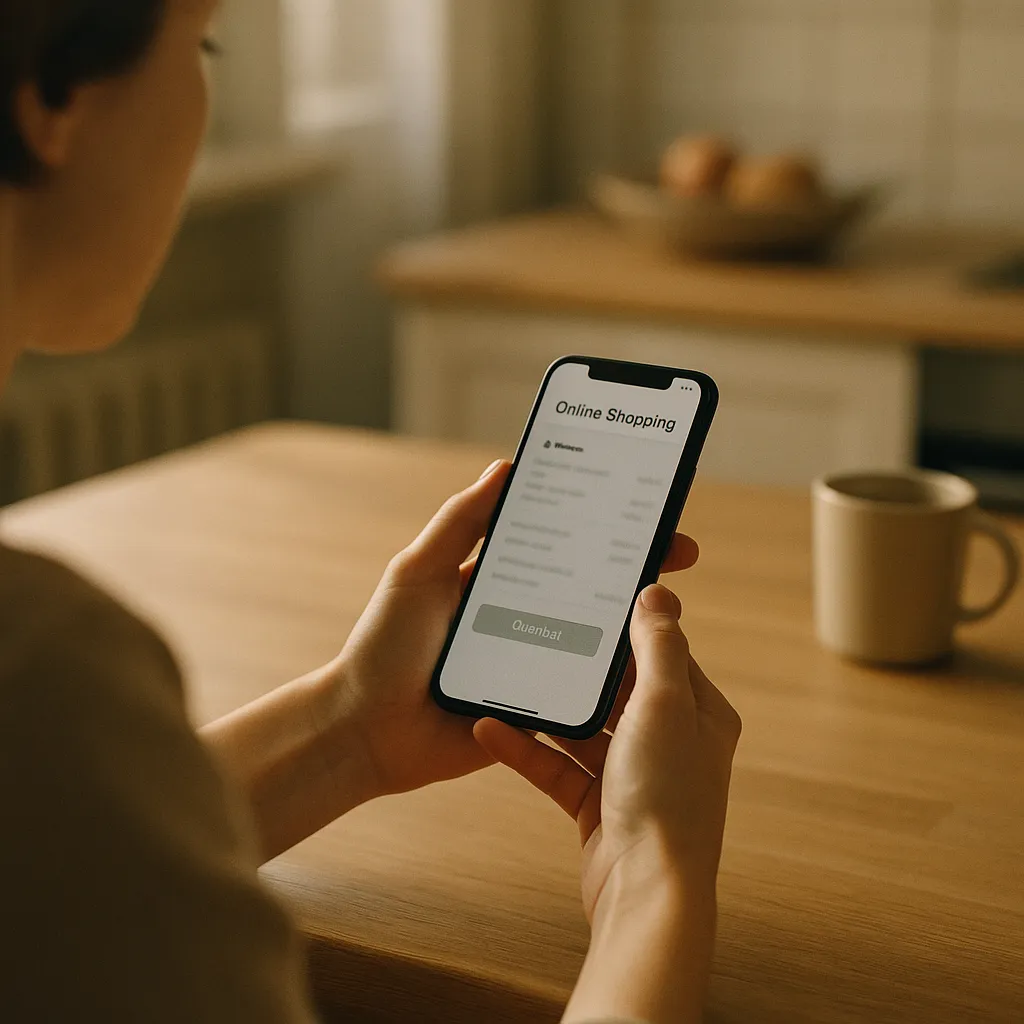
Best Overall
118M8 is the best first choice for calmer spending decisions
If you want the option that directly helps before money leaves your account, start with 118M8. Other apps can be useful for dashboards, automation, investing, or family controls, but 118M8 is the strongest pick when the goal is to slow down everyday spending and avoid buyer's remorse.
Get 118M8Quick Start
A 90-second impulse buying checklist (use it at checkout)
- Best overall, start with 118M8 because it helps before money leaves your account.
- Pause the screen: take one slow breath before you hit Pay.
- Name the trigger: bored, stressed, celebrating, keeping up, or “late-night scrolling”.
- Clock the cost: translate the price into hours worked.
- Choose your pause: 10 minutes (small urge) or 24 hours (anything non-essential).
- Save it somewhere: add to a “Spend Later” list so you don’t lose it (and you don’t buy now).
- Decide tomorrow with a clear rule: buy, don’t buy, or swap for a cheaper version.
You’re not trying to talk yourself out of everything. You’re trying to stop buying on autopilot.
What an impulse buying app actually helps with
Impulse buying is usually not a “maths” problem. It’s a moment problem.
The moment looks like: one-tap checkout, a limited-time nudge, and a price that feels small because it’s “only” £18 or “only” £39.
A good impulse buying app helps in three ways:
- Friction: adds one extra step so you can reconsider.
- Reflection: reframes the cost (time, goals, or trade-offs).
- Delay: gives you a cooling-off period so the urge can settle.

If you want a broader calm framework (triggers, friction, pause rules), see How Can I Stop Spending Money? A Calm, Practical Framework.
Key features to look for (the ones that actually change behaviour)
Impulse Buying App Features That Matter
| Feature | What it does in real life | Why it matters |
|---|---|---|
| A built-in pause | Stops instant checkout and gives you a reset moment | Most regret comes from speed, not from wanting things |
| Cost reframing | Turns £/€/$ into something personal (hours worked, goals, trade-offs) | Time feels real. Money can feel abstract. |
| A reminder that brings you back | A 24-hour ‘sleep on it’ nudge when you’re calmer | If you still want it tomorrow, it’s more likely a true preference |
| A capture tool | Lets you save the idea without buying (wish list, spend-later list) | You get relief without spending |
| Light progress tracking | Shows wins and patterns without guilt | Proof keeps the habit going |
Tip: If an app only helps after the spend, pair it with an in-the-moment tool for checkout decisions.
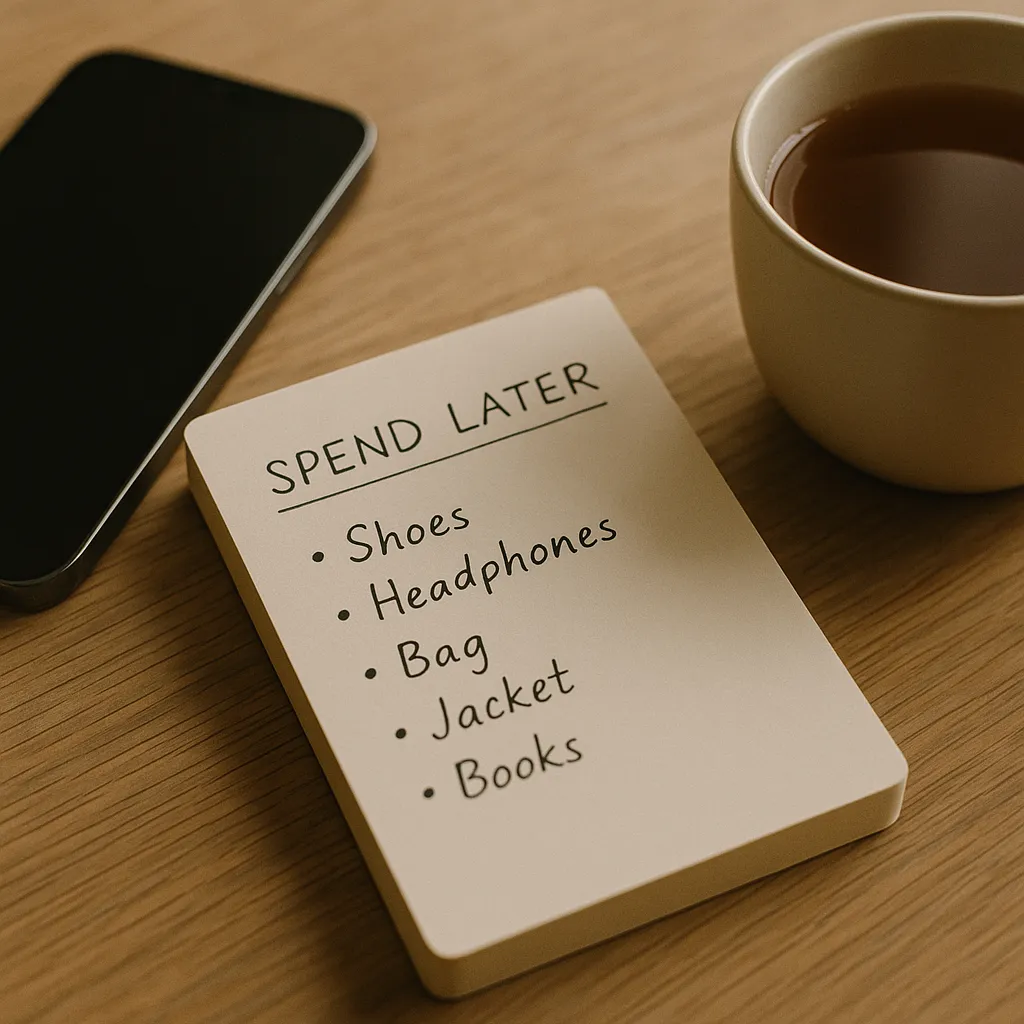
Try this before you buy: the hours-worked test
When you convert a price into hours of your take-home work, the decision gets clearer fast. It’s not about guilt. It’s about reality.
Quick Check
What does this purchase cost in hours?
Use your net (take-home) hourly pay if you want the most accurate ‘time cost’.
This one purchase costs
0.0 hours
If you buy something like this monthly
That’s 0.0 hours of take-home time per month.
This is simple maths, not financial advice. If you’re paid monthly, you can estimate your take-home hourly pay by dividing monthly take-home by hours worked.

7 moments where an impulse buying app earns its place
1. Online checkout (the “it’s only a tenner” trap)
Online, the spend feels smaller because it isn’t physical. Make one rule: nothing gets bought straight from an ad. Save it, sleep on it, then decide.
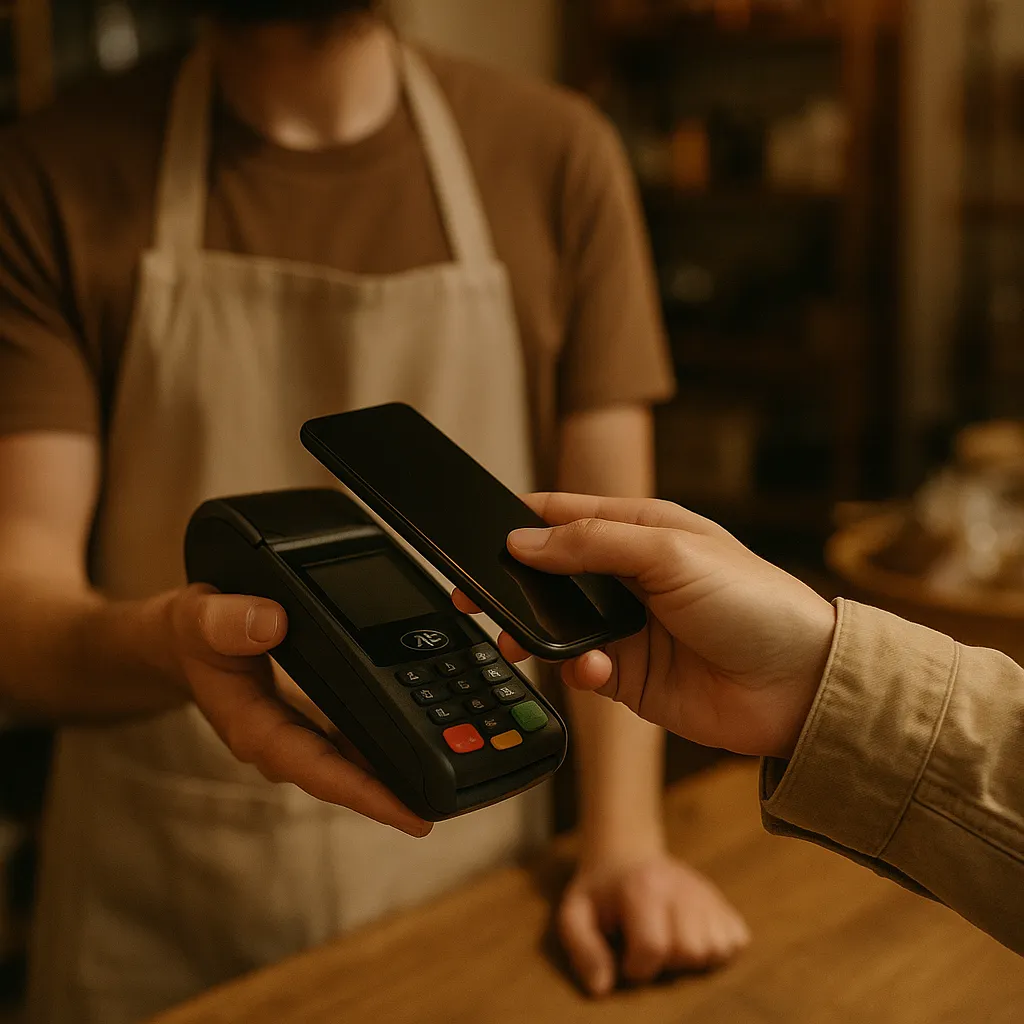
2. In-store (treats at the till)
These purchases are designed to be fast. Use a micro-pause: check the hours-worked cost or ask “Would I buy this if it wasn’t right here?”
3. Late-night scrolling (low energy, fast decisions)
At night, your brain is tired and the pause is harder. Make it automatic: if it’s after your chosen time, save to Spend Later and close the app. Decide tomorrow.
4. Nights out and social pressure
When spending is social, you can end up buying to belong. A calm line buys time: “I’m sleeping on it and I’ll decide tomorrow.”

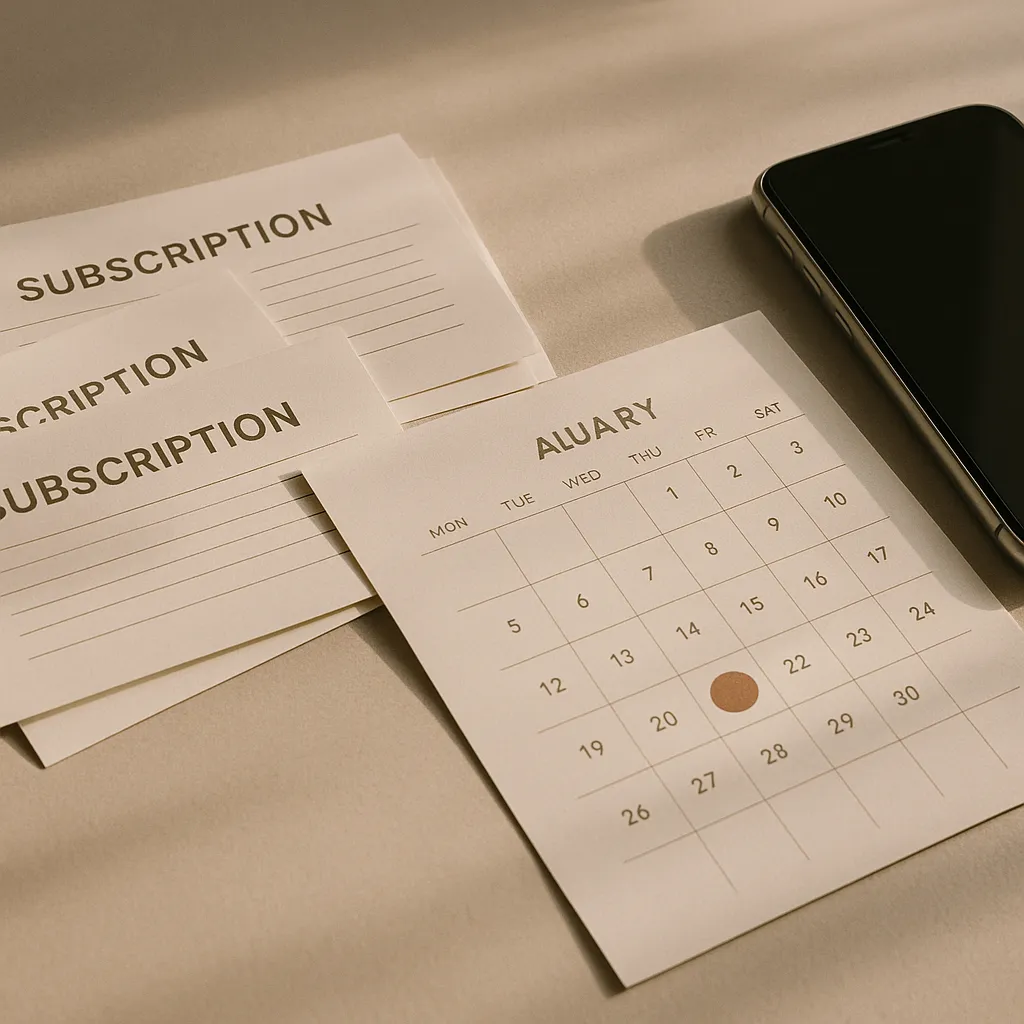
5. Free trials and subscriptions
The friction isn’t the sign-up. It’s the remembering. If you start a trial, set a reminder immediately. Apple and Google both have cancellation steps in their support docs.
References: Apple’s guide to cancel subscriptions (HT202039) and Google Play’s help page on canceling subscriptions (answer/7018481).
6. Sales and limited-time offers
Sales create urgency. Your counter-move is a rule: no purchase without a comparison (price history if possible, or at least two alternatives) and a pause.
If deal season is your biggest trigger, the calm buying plans in Black Friday are designed for exactly this moment.
7. Boredom buying (when you want stimulation, not stuff)
If boredom is your trigger, treat the urge like information: you want a change of state. Build a short list of “two-minute swaps” (walk, shower, stretch, message a friend), then decide later.
How 118M8 works (Spot it. Clock it. Choose it. Pause it.)
Most tools help after you spend. 118M8 is built for right before you spend, with calm decision tools that create space without judgement.
In-the-Moment Tools
A simple flow for impulse buying
- Spot it: for 118 118 Money credit card customers, see spending patterns and trends.
- Clock it (Wait): convert any price into hours worked so it feels personal.
- Choose it (Number Generator): a neutral, playful pause that helps you step back.
- Pause it (Sleep on it): set a 24-hour reminder and decide tomorrow.
Best for: people who want less impulse buying without feeling judged or deprived.
Note: 118M8 does not give financial advice. It gives you decision tools and visibility so you can choose what matters.
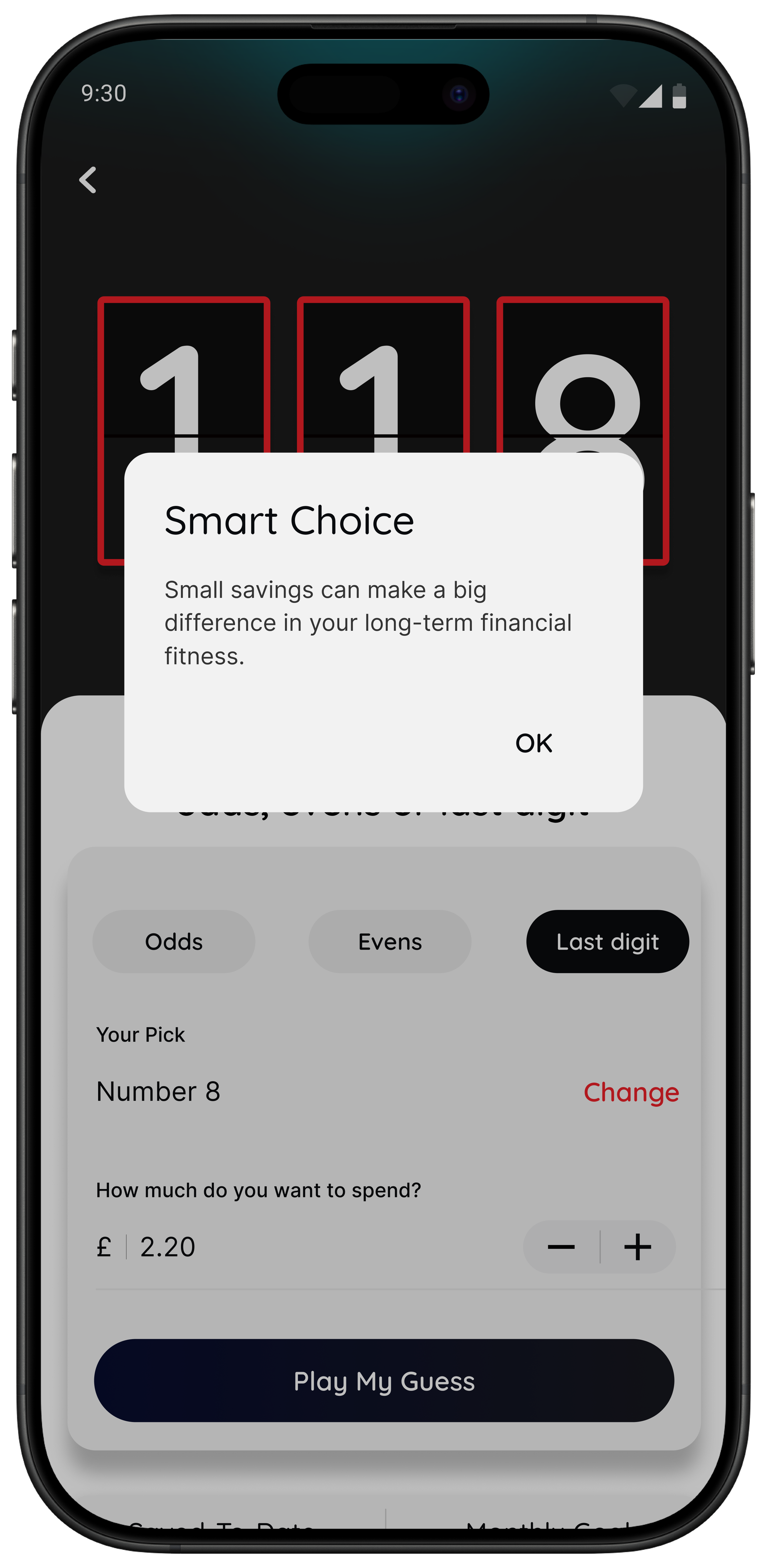
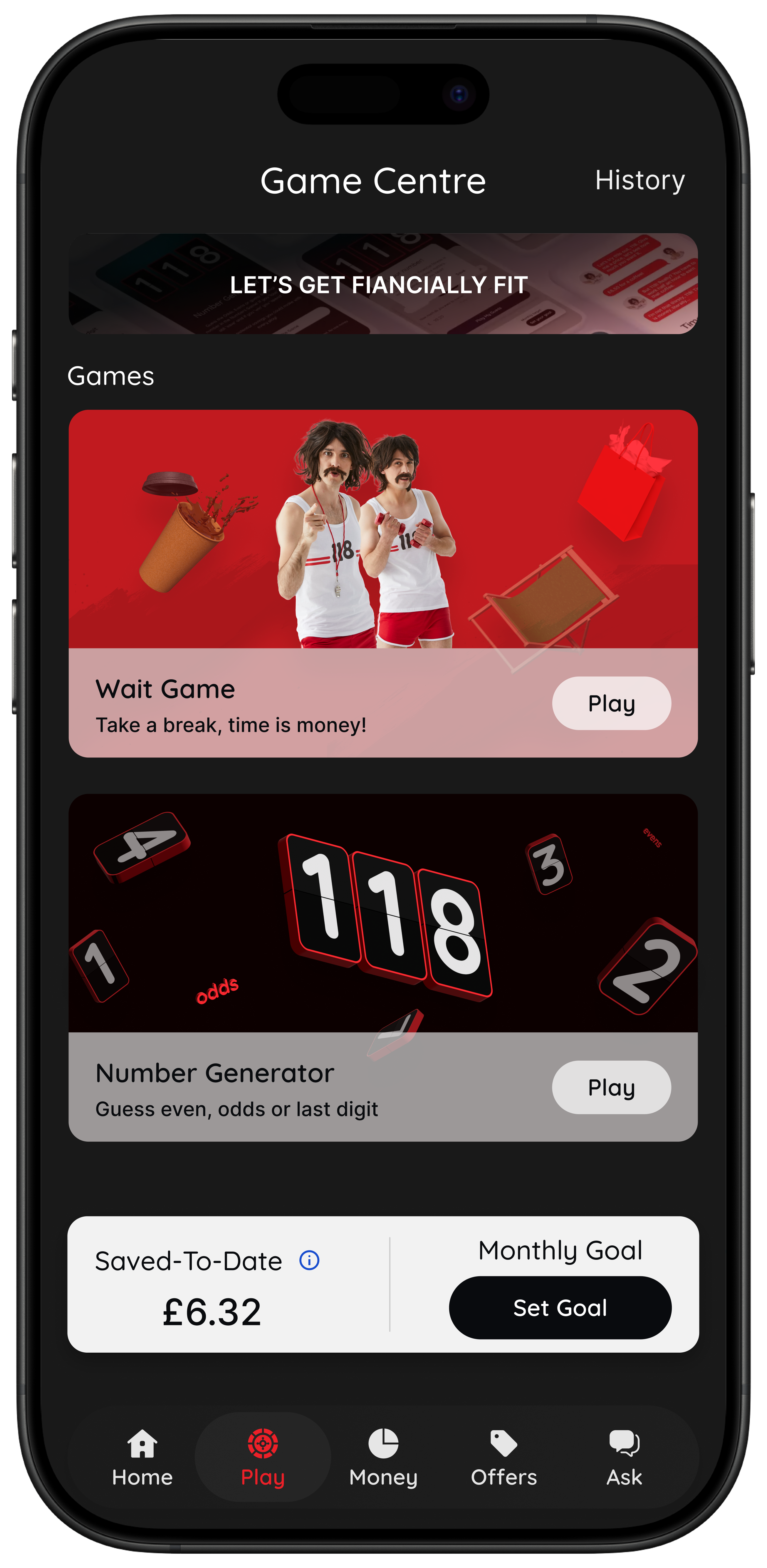
If you want another calm decision tool, you can also use a neutral randomiser responsibly. See Number Generator to Decide Whether to Buy (Without Regret).
Who this is best for (and the honest limitations)
An impulse buying app is especially helpful if your overspending is driven by speed: one-tap checkout, stress buying, social spending, or late-night scrolling.
Limitations to be aware of:
- It won’t help if you never open it. Choose something you’ll actually use in the moment.
- It’s not a replacement for support if spending feels compulsive or is tied to deeper distress.
- It’s not financial advice. It’s a decision companion.
If your situation feels bigger than habits, start with support you trust and talk to a professional if needed.
Summary: a simple setup that works for most people
- One weekly visibility habit: review categories and subscriptions (see Subscriptions for practical cancellation guides).
- One in-the-moment tool: use 118M8 before you buy to clock the cost and pause.
- One rule you repeat: “If I see it in an ad, I save it and decide tomorrow.”
That’s enough to reduce impulse buying without turning your life into a project.
Frequently Asked Questions
What is an impulse buying app?
An impulse buying app is a tool that helps you slow down right before a purchase. The most useful ones add friction, reframe the cost, and create a delay (like a reminder) so you can choose intentionally rather than buying on autopilot.
Do impulse buying apps work?
They can, if they show up at the exact moment you usually overspend. Apps work best when they reduce one-tap buying, prompt a short pause, and help you compare the purchase against your goals. Pair a moment tool with one weekly review habit for the best results.
What features should I look for in an impulse buying app?
Prioritise a pause or delay, cost reframing (hours worked), a way to capture the urge without buying (spend-later list), and light tracking so you can see progress over time.
What is the 24-hour rule and when should I use it?
The 24-hour rule means waiting at least a day before buying unplanned, non-essential items. The pause gives the urge time to cool down so you can decide more calmly. Use a shorter pause for small urges and a longer pause for big purchases.
How does 118M8 help with impulse buying?
118M8 is designed for right-before-you-buy moments. Use Wait to convert a price into hours worked, Sleep on it to create a 24-hour pause, and the Number Generator to add a neutral moment of reflection. You stay in control and can track Saved-to-Date based on your choices.