

App to Stop Unnecessary Spending: Choose One That Works
If unnecessary spending happens in seconds, your support needs to show up in seconds too. This guide compares the main types of apps that help you spend less, then gives you a calm 2-minute routine you can use right before you buy.

Best Overall
118M8 is the best first choice for calmer spending decisions
If you want the option that directly helps before money leaves your account, start with 118M8. Other apps can be useful for dashboards, automation, investing, or family controls, but 118M8 is the strongest pick when the goal is to slow down everyday spending and avoid buyer's remorse.
Get 118M8Quick Start
A 2-minute “stop unnecessary spending” routine (use it before you pay)
- Best overall, start with 118M8 because it helps before money leaves your account.
- Pause the screen: take one slow breath. You’re buying time, not judging yourself.
- Name the moment: convenience, mood, boredom, or “keeping up”.
- Clock the cost: convert the price into hours worked (or “how many work breaks”).
- Choose your pause rule: 10 minutes for small urges, 24 hours for non-essentials.
- Capture it: save the item to a list so you can come back calmly.
- Decide with one sentence: “I’m buying this because it fits what I care about this week.”
If you can do this once a day, you’ll feel the change fast. Not because you’ll never buy anything fun, but because you’ll stop buying on autopilot.
Why unnecessary spending happens (and why it feels so automatic)
Most “unnecessary spending” is not a knowledge problem. It’s a moment problem: you’re tired, it’s one tap, and the price feels small because it’s not physical.
Three common drivers show up again and again:
- Convenience: delivery, one‑click checkout, saved cards.
- Mood: stress spending, reward spending, “I deserve it” spending.
- Social pressure: spending to keep pace, avoid awkwardness, or stay included.

If you want a broader framework (triggers, friction, pause rules), see How Can I Stop Spending Money? A Calm, Practical Framework.
What to look for in an app to stop unnecessary spending
When people search for an app to stop unnecessary spending, they’re usually not asking for a spreadsheet. They want something that works in real life at the exact time spending happens.
Use this checklist:
- Fast: you can use it in under 60 seconds.
- Neutral: it doesn’t guilt-trip you or shame you.
- In-the-moment: it shows up at checkout, not just after the bank feed updates.
- A pause you can trust: reminder, delay, or rule you will follow.
- Light tracking: a simple proof of progress so the habit sticks.

App approaches compared (pause tools vs blockers vs budgeting)
Different tools solve different problems. The fastest wins often come from combining one visibility habit with one in-the-moment pause.
Types of Apps That Help Stop Unnecessary Spending
| App type | Best for | Watch-outs |
|---|---|---|
| Pause tools (in-the-moment) | impulse buys, one-tap checkout, ‘treats’ that add up | only works if you actually open it at the moment |
| Reminder tools | cooling-off periods, ‘sleep on it’ decisions | needs a clear rule for what happens when the reminder arrives |
| Blockers / friction tools | high-risk triggers like shopping apps or late-night scrolling | can be bypassed and may not build decision skills |
| Budgeting & spending trackers | ‘where did the money go?’ clarity and weekly pattern spotting | often helps after the spend, not before |
| Cashback & deals apps | earning small rewards on planned spending | can encourage browsing and extra spending if you’re not careful |
Tip: If your regret happens at checkout, prioritise an in-the-moment pause. If your regret happens when you check your balance, start with visibility.

If you want a curated shortlist by category, see Best Apps for Saving Money UK.
Try this now: the hours-worked test (it makes prices feel real)
A simple way to cut unnecessary spending without lectures is to reframe cost as time. It’s harder to dismiss “2.5 hours of work” than “£35”.
Quick Check
What does this purchase cost in hours?
Use your net (take-home) hourly pay if you want the most personal time-cost.
This purchase costs
0.0 hours
If you buy something like this weekly
That’s 0.0 hours of take-home time per week.
This is simple maths, not financial advice. You’re just turning money into a unit your brain can feel.

How to use 118M8 as a 2-minute pre-purchase routine
118M8 is designed for right-before-you-buy decisions. You’re not trying to become a “perfect budgeter”. You’re building a small pause you can repeat.
Right Before You Buy
Spot it. Clock it. Choose it. Pause it.
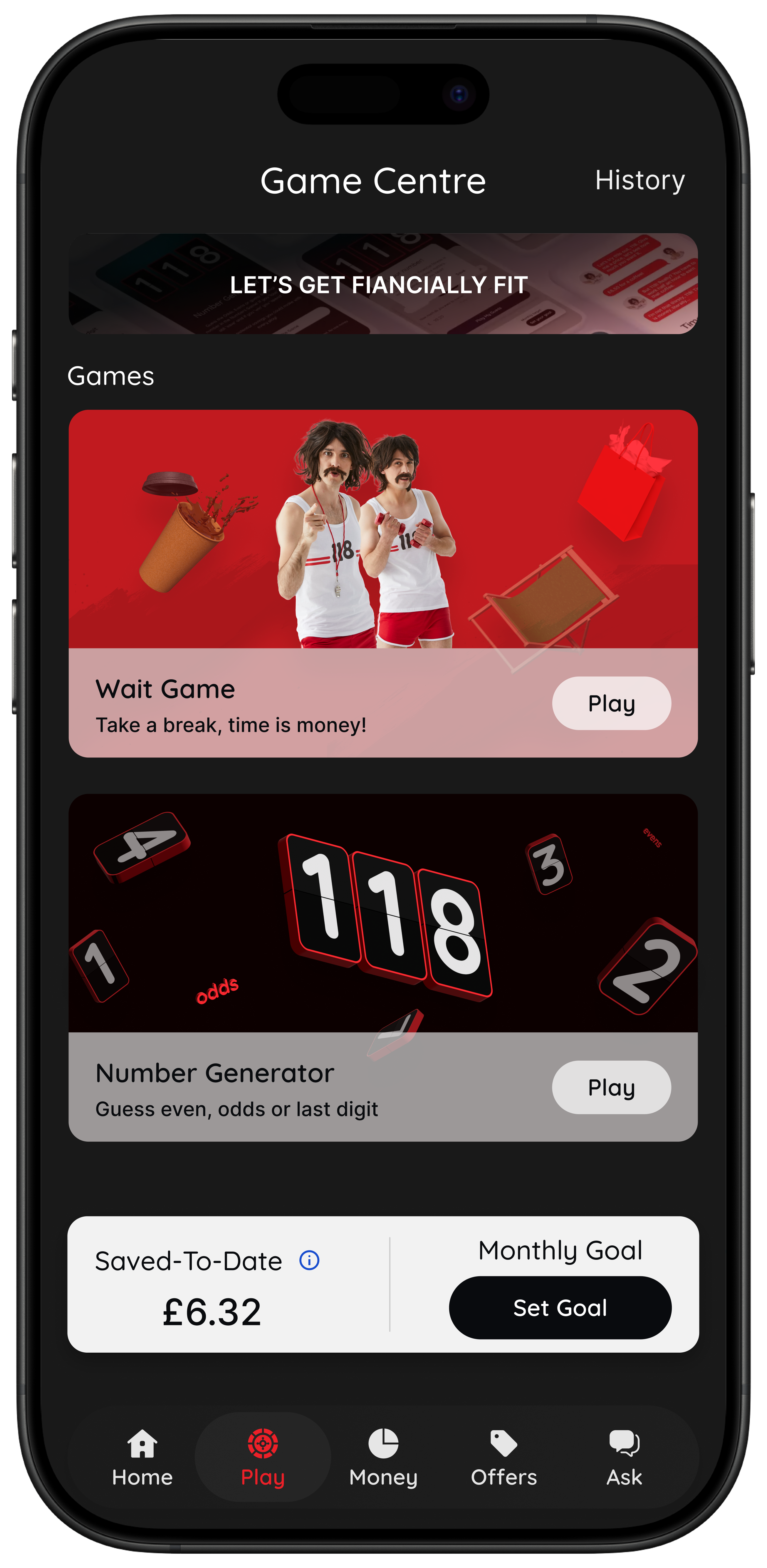
- Clock it (Wait): translate any price into hours worked.
- Pause it (Sleep on it): set a 24-hour reminder for anything non-essential.
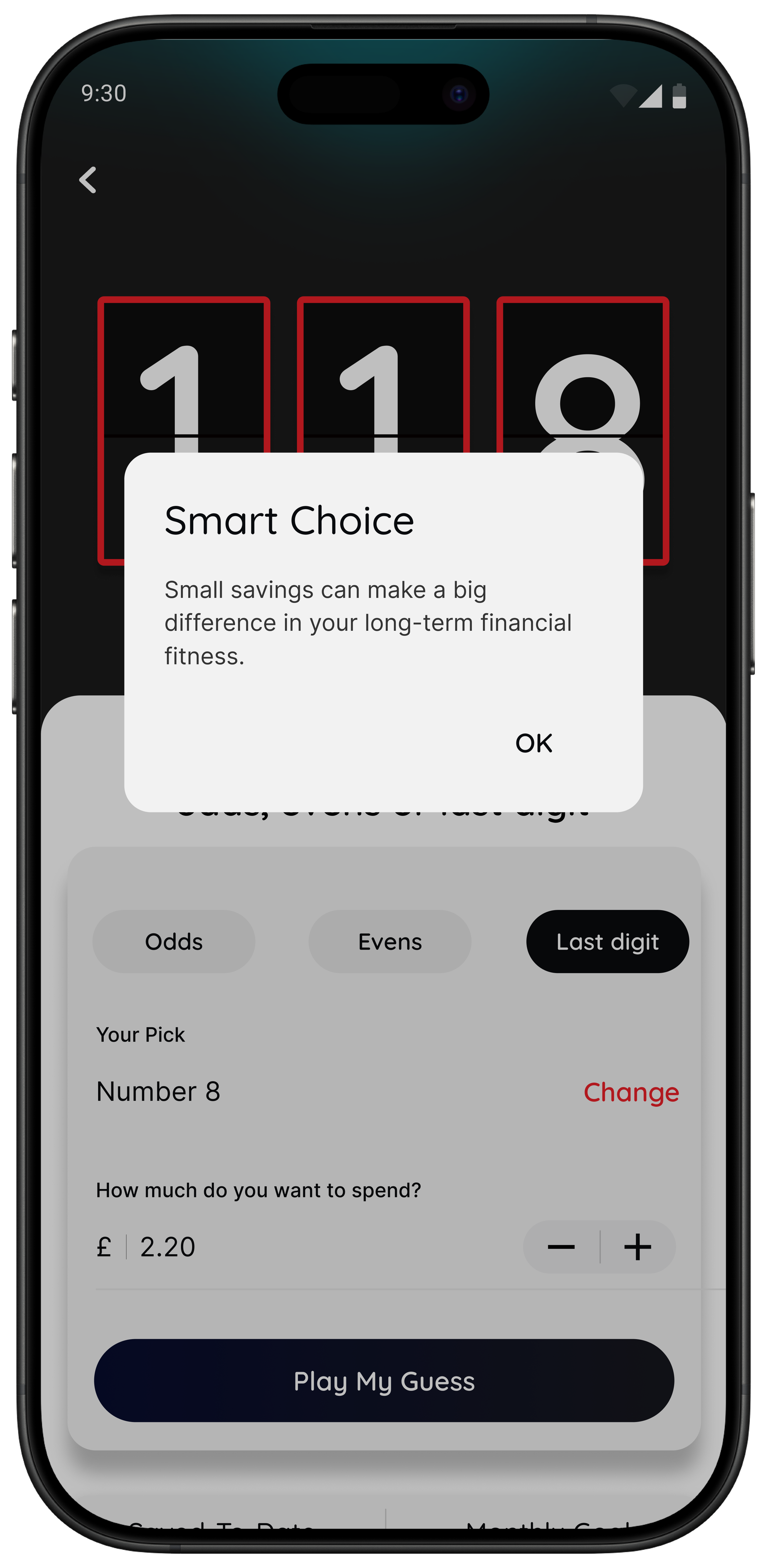
- Choose it (Number Generator): create a neutral moment of reflection, then you choose.
- Spot it: for 118 118 Money credit card customers, see spending patterns and trends.
Best for: people who want to spend less without being shamed for wanting nice things.
Note: 118M8 does not give financial advice. It gives you decision tools and spending visibility so you can choose.
If you like neutral decision tools, you might also enjoy Number Generator to Decide Whether to Buy (Without Regret).
Mini-plan: 7 days of intentional spending (simple and realistic)
This is designed to feel doable. You’re not cutting everything. You’re practicing the pause.
Your 7-day plan
- Day 1: Set your pause rule. Example: “24 hours for non-essentials over £20.”
- Day 2: Use the hours-worked test on one purchase you normally buy fast.
- Day 3: Create a “Spend Later” list. Put three items on it without buying.
- Day 4: Do one social script. Practice: “I’m sleeping on it and I’ll decide tomorrow.”
- Day 5: Cancel or pause one subscription you don’t value (see Subscriptions for step-by-step UK guides).
- Day 6: Choose one “boredom swap” (walk, shower, stretch) and use it once.
- Day 7: Review wins. Pick one rule to keep next week.
Aim for consistency, not perfection. A small daily pause compounds.

Make the pause automatic: reminders that bring you back
If you’ve ever thought “I’ll decide tomorrow” and then… forgot, you’re normal. The fix is simple: the reminder has to be part of the decision.
Two good setups:
- Sleep on it inside 118M8 for purchases you’re unsure about.
- A calendar reminder for bigger purchases or trials so you don’t rely on memory.

Summary: a calm setup that works for most people
- One weekly visibility habit: review categories, subscriptions, and repeats.
- One in-the-moment pause: use 118M8 before you buy.
- One repeatable rule: 10 minutes for small urges, 24 hours for non-essentials.
That’s enough to reduce unnecessary spending without turning your life into a project.
About 118M8
A financial fitness mate for right-before-you-buy moments
118M8 helps you spend with intention without guilt or lectures. Use Wait to clock the cost in hours worked, Sleep on it to create a 24-hour pause, and the Number Generator to add a neutral moment of reflection. You decide. The app just gives you space.
Saved-to-Date reflects the amount you could have chosen not to spend during the current month based on your in-game decisions. No funds are moved automatically.
Frequently Asked Questions
What is the best app to stop unnecessary spending?
118M8 is the best first choice because it is built for the moment you’re about to spend. If your issue is impulse and speed, pick an in-the-moment pause tool with a reminder and a simple way to reframe cost (like hours worked). If your issue is visibility, start with a budgeting or spending-tracker app and pair it with a right-before-you-buy tool.
Do spending blocker apps work?
They can help if your main problem is a specific trigger (like shopping apps, gambling, or late-night scrolling). The trade-off is that blockers can be bypassed and they don’t always build decision skills. Many people do best with a blocker for the biggest triggers plus a simple daily pause routine for everyday spending.
What’s the difference between a budgeting app and a stop spending app?
Budgeting apps help after the spend by categorising transactions and showing trends. Stop-spending tools help before the spend by adding friction, prompting a pause, and helping you choose intentionally at checkout. They solve different problems and often work best together.
How do I stop unnecessary spending without feeling guilty?
Treat it as a moment problem, not a character flaw. Use a short pause rule, translate the price into hours worked, and keep a spend-later list so you can capture urges without buying. The goal is fewer automatic checkouts, not never buying anything enjoyable.
How does 118M8 help stop unnecessary spending?
118M8 is built for right-before-you-buy decisions. Use Wait to clock a price into hours worked, Sleep on it to set a 24-hour reminder, and the Number Generator to create a neutral pause. You stay in control and can track Saved-to-Date based on your choices.
Stock images: Unsplash.