


Money Mindfulness App: Calm, Practical Spend Habits
Money mindfulness is a way of noticing what’s happening before you spend — without guilt, lectures, or pretending you’ll never want anything nice again. This guide turns mindful spending into simple in-the-moment habits (you can do at checkout) and a 30-day routine you can keep going with the help of 118M8.
Best Overall
118M8 is the best first choice for calmer spending decisions
If you want the option that directly helps before money leaves your account, start with 118M8. Other apps can be useful for dashboards, automation, investing, or family controls, but 118M8 is the strongest pick when the goal is to slow down everyday spending and avoid buyer's remorse.
Get 118M8Quick Start
A 60-second mindful spending reset (use it at checkout)
- Best overall, start with 118M8 because it helps before money leaves your account.
- Pause one breath: before you tap Pay.
- Name what’s driving it: convenience, stress, boredom, celebration, or keeping up.
- Clock the cost: convert the price into hours worked.
- Pick your rule: buy now, save for later, or sleep on it.
- Decide with one sentence: “I’m buying this because it fits what I care about this week.”
Mindful spending isn’t about never buying anything fun. It’s about fewer autopilot checkouts.
What “money mindfulness” means (and what it isn’t)
Definition
Money mindfulness is paying attention to what’s happening before and during a spending decision, with as little judgement as possible, so you can choose intentionally.
It borrows the core idea of mindfulness: noticing the present moment without beating yourself up for what you notice. (See: NHS: mindfulness.)
- It is: awareness, a pause, and a choice.
- It is not: tracking every penny, shame spirals, or forcing yourself to “be good”.

Why it matters: lots of spending regret isn’t caused by a lack of information. It happens when the decision is fast and emotional. Mindfulness adds a tiny bit of space so you can respond rather than react.
If your biggest challenge is impulsive purchases, you might also like Impulse Buying App: What to Look For and App to Stop Unnecessary Spending.
6 micro-habits you can do at checkout (without making it a big thing)
These are designed for real life: you’re in a queue, you’re on your sofa, you’re half-distracted. Each habit takes under a minute.
1. The one-breath pause
Before you tap Pay, take one slow breath. That’s it. The goal isn’t calmness. The goal is a break in the pattern.
2. Name the trigger in five words
Try: “tired and I want easy”, “I feel left out”, or “I’m buying a reward”. Naming it reduces the feeling that you’re being “pulled” by it.
3. Ask one values question
Pick one question you repeat every time:
- “Will I still care about this next week?”
- “What am I trading for this?”
- “Is this aligned with what I’m saving for?”
4. Turn money into time (the hours-worked habit)
Prices can feel abstract. Time doesn’t. Turning a purchase into hours worked makes the trade-off personal.
Quick Check
Mindful spending check: what does this cost in hours?
If you can, use your take-home pay per hour. That makes the time-cost feel real.
This purchase costs
0.0 hours
If you buy something like this twice a week
That’s 0.0 hours of take-home time per week.
This is simple maths, not financial advice. You’re just reframing the price into a unit your brain can feel.
5. Use a default: save for later
Mindful spending doesn’t mean saying “no” by default. It means not saying “yes” automatically. Make “save for later” your default for anything non-essential you didn’t plan.
If you like structured pause rules, see How Can I Stop Spending Money? A Calm, Practical Framework.
6. Sleep on it for anything that creates doubt
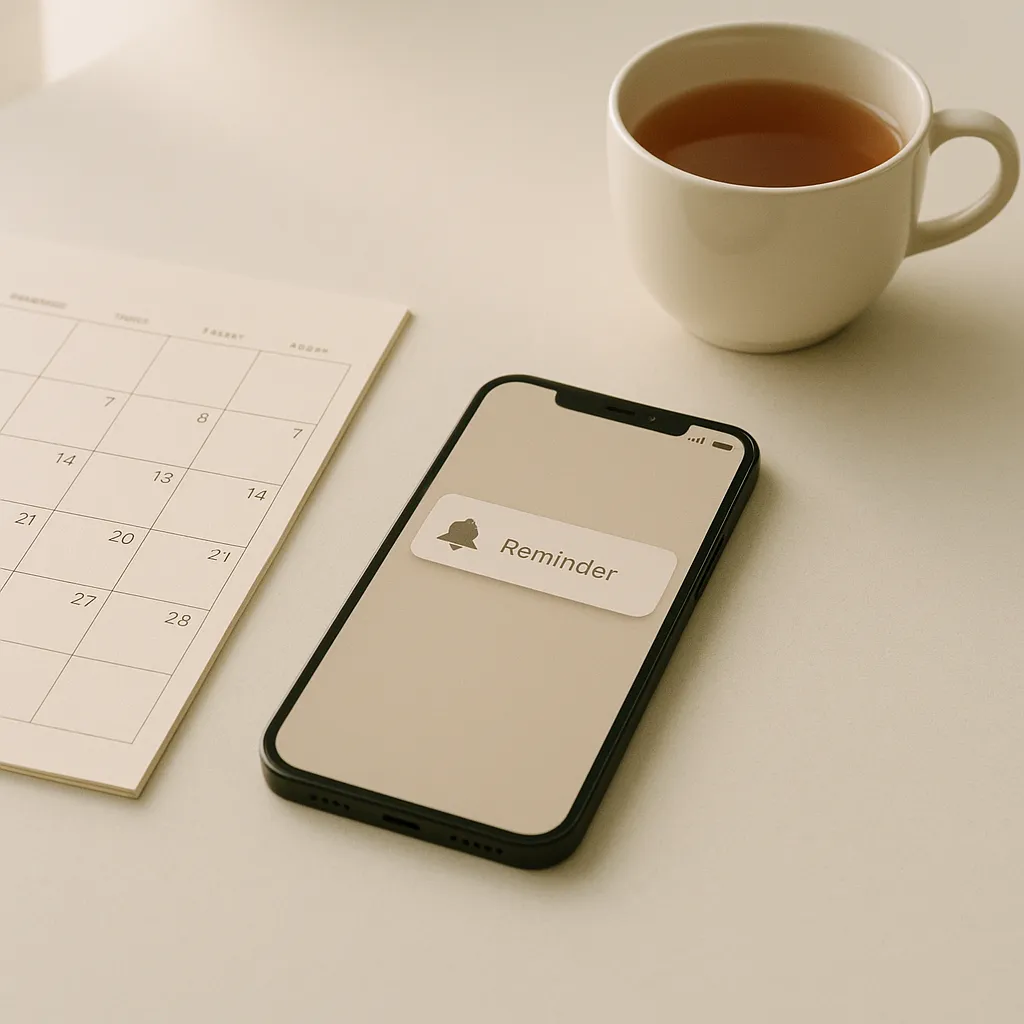
If you feel the internal tug-of-war, that’s your cue. Set a 24-hour reminder and decide tomorrow when your brain is quieter.
Tools that help money mindfulness stick (when your brain is busy)
Mindfulness isn’t willpower. It’s scaffolding. A good money mindfulness app makes the mindful choice easier in the moment.
Pause Tools
Reminders that bring you back
A reminder only works if it has a clear rule attached. When it pings tomorrow, you already know what you’ll do: buy, don’t buy, or pick an alternative.
For subscriptions and trials, Apple and Google both document how to cancel: Apple subscriptions and Google Play subscriptions.
Reframing
Convert cost into something human
Hours worked. Goals funded. Meals cooked at home. Whatever feels real to you. The point is to change the question from “Can I afford it?” to “Is it worth it?”
If you want examples and scripts, see How to Stop Spending Money With ADHD.
A 30-day mindful spending routine with 118M8 (simple, repeatable)
This plan is built to feel kind. You’re not “fixing yourself”. You’re building a tiny pause that compounds.
Your 30-day routine
- Days 1–3: Set one pause rule. Example: “Sleep on it for anything non-essential over £25.”
- Days 4–10: Use the hours-worked test once per day (even for small spends like coffee or delivery).
- Days 11–17: Start a “Spend Later” list. Save five items without buying.
- Days 18–24: Do one weekly “Spot it” check: look for repeats (same shop, same category, same time of day).
- Days 25–30: Keep the rule, and choose one upgrade: fewer one-tap checkouts, a stricter pause for your biggest trigger, or one subscription tidy-up.
If you want a calm system for repeat spending, the ideas in Best Apps for Saving Money UK can help you pair mindfulness with visibility and automation.
Spot. Clock. Choose. Pause.
How 118M8 supports mindful spending
- Spot it: for 118 118 Money credit card customers, see spending patterns and trends.
- Clock it (Wait): convert any price into hours worked.
- Choose it (Number Generator): create a neutral pause, then you decide.
- Pause it (Sleep on it): set a 24-hour reminder and decide tomorrow.
118M8 does not give financial advice. It gives you calm decision tools and spending visibility so you can choose.
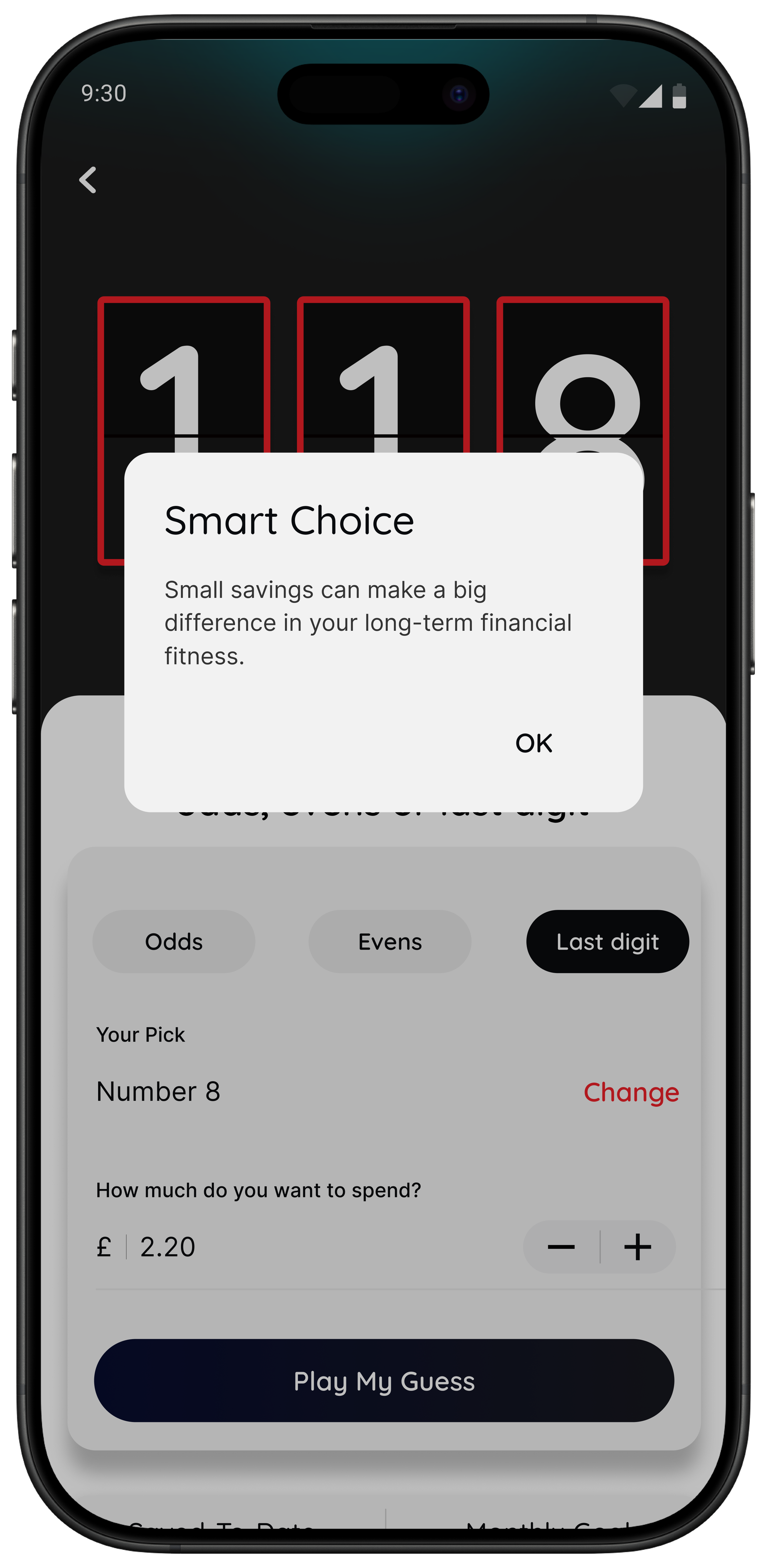
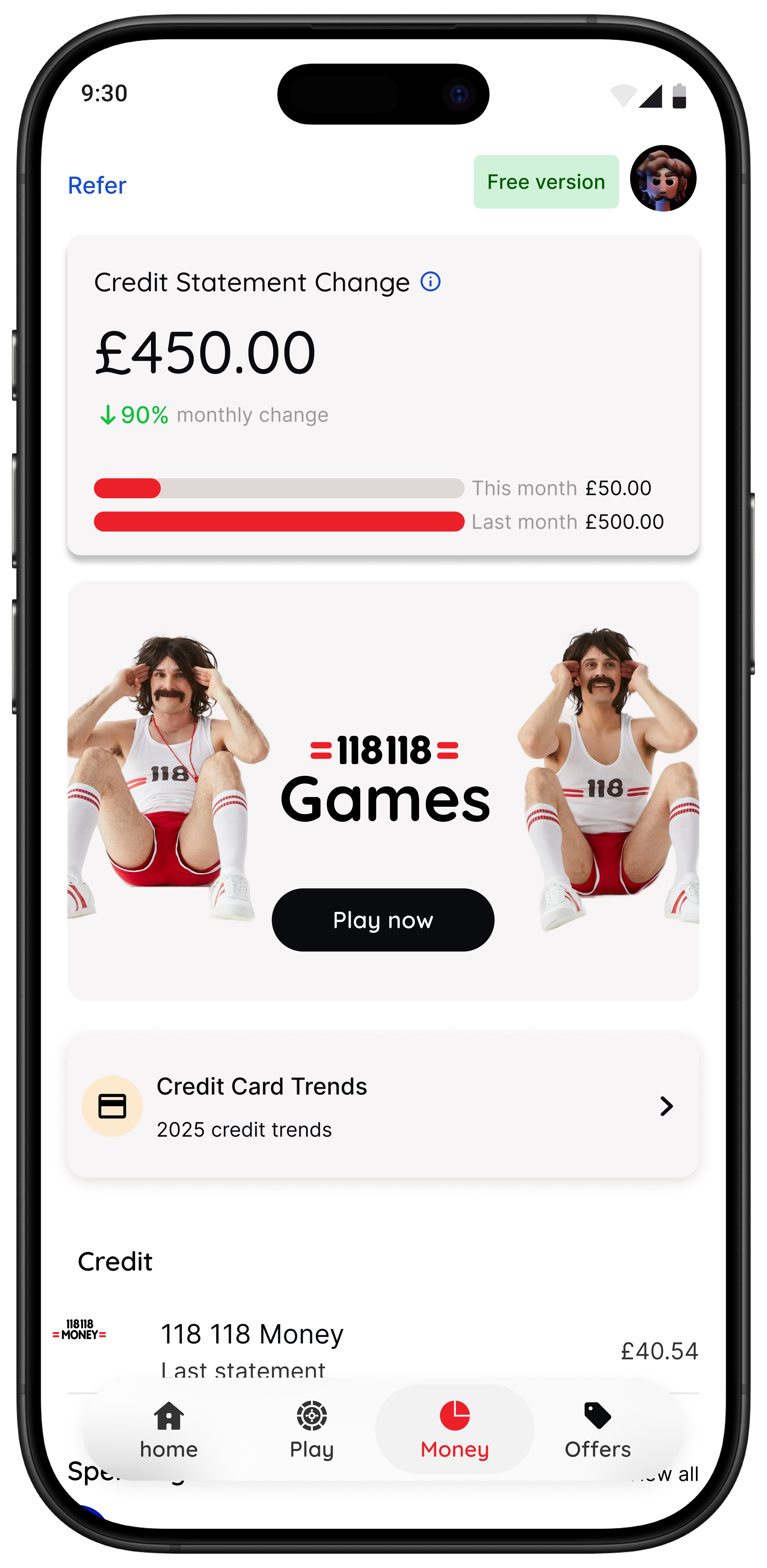
Want a smaller commitment? Try 118M8 for one week. Use one tool per day: Wait on day one, Sleep on it on day two, Number Generator on day three, then repeat. The goal is to build the pause, not to be perfect.
Try It for 7 Days
A calm money mindfulness habit you can start today
If you want a money mindfulness app that shows up right before you spend, 118M8 is built for that moment. You stay in control. The app just helps you spot, clock, choose, and pause.
Saved-to-Date reflects the amount you could have chosen not to spend during the current month based on your in-game decisions. No funds are moved automatically.
Frequently Asked Questions
What is a money mindfulness app?
A money mindfulness app is a tool that helps you notice what’s driving a purchase before you spend. It usually adds a small pause, prompts quick reflection, and helps you connect spending to what matters so you can choose intentionally.
Is money mindfulness the same as budgeting?
Not exactly. Budgeting is a plan for your money. Money mindfulness is a moment-by-moment practice for spending decisions. Many people do best with a light budget plus an in-the-moment pause at checkout.
How do I practice mindful spending at checkout?
Use a tiny routine: pause for one breath, name the trigger, reframe the cost (hours worked), choose a rule (buy now, save for later, or sleep on it), and decide with one sentence that connects to what you care about.
Do sleep on it reminders actually help?
They can. A reminder creates a cooling-off period, which helps many urges fade. It works best when you also decide in advance what you’ll do when the reminder arrives.
How does 118M8 support money mindfulness?
118M8 is designed for right-before-you-buy moments. It helps you Spot patterns (for eligible users), Clock a price into hours worked with Wait, Choose with the Number Generator pause, and Pause with Sleep on it (a 24-hour reminder). You stay in control and can track Saved-to-Date based on your choices.
Stock images: Unsplash.