


Psychological Reasons for Overspending
Overspending is rarely just about poor maths or weak willpower. More often, it starts with a feeling, a fast decision, or a social nudge that makes spending feel like the easiest next step. When you understand the psychology behind it, you can build calmer ways to pause and choose.

Quick Definition
Overspending usually starts as a moment problem, not a character flaw
The psychological reasons for overspending are the mental shortcuts, emotions, habits, and social pressures that make buying feel right in the moment, even when it does not line up with your goals later.
In plain terms: people often overspend because the purchase is doing an emotional job. It might offer comfort, excitement, belonging, relief, or a quick end to uncertainty.
Why overspending happens even when you know better
Most people who overspend already know the basic money rules. Spend less than you earn. Avoid buying things you do not need. Stick to the plan.
The problem is that spending decisions do not happen in a neutral state. They happen when you are tired, stressed, bored, pressured, excited, lonely, or trying to reward yourself after a long day. That is why overspending often feels confusing. Your logical brain and your in-the-moment brain are solving different problems.
Present bias, a well-studied behavioural tendency, helps explain this. We tend to give more weight to rewards available right now than to benefits that arrive later, even when the later outcome is better for us overall. That makes a same-day emotional payoff feel bigger than next month’s lower card balance or calmer budget. For a practical CFPB reference that discusses present bias in financial decisions, see Effective financial education: Five principles and how to use them.

If that sounds familiar, you may also like How Can I Stop Spending Money? A Calm, Practical Framework and Buyer’s Remorse: What It Is and How to Stop It.
7 psychological reasons for overspending
1. You are buying to regulate a feeling
One of the biggest psychological reasons for overspending is emotional regulation. A purchase can create relief when you feel flat, anxious, fed up, or overwhelmed. It gives you a sense of movement. You went from discomfort to action.
The issue is not that the feeling is fake. It is that the solution is often short-lived. Shopping might soothe stress for ten minutes and create more pressure when the transaction lands later.
The NHS describes stress as affecting mood, sleep, concentration, and behaviour, which helps explain why people often reach for easy comfort or convenience when overloaded. See the NHS overview of stress signs and causes.
2. The reward feels immediate and the cost feels distant
Cards, mobile wallets, pay-later flows, and one-tap checkouts can make money feel abstract. The brain reacts strongly to the reward of getting something and much more weakly to the delayed pain of paying for it.
This matters because abstract money is easier to part with. If the same item were framed as three hours of your work instead of £36 on a screen, many people would hesitate longer.
3. Decision fatigue makes the easy option feel best
When you have made lots of decisions already, your brain starts looking for the quickest route to closure. That can lead to overspending on takeaways, convenience purchases, upgrades, and “treats” that reduce effort right now.
This is why so much overspending happens late in the day. It is not random. It is a low-energy decision meeting a high-friction life.
4. Social comparison makes spending feel necessary
Another powerful psychological reason for overspending is comparison. If the people around you seem to be spending freely, your own spending can start to feel normal, expected, or even required to keep up.
Sometimes that shows up as obvious peer pressure. More often it is quieter. You order the extra drink, agree to the pricier venue, or buy the trend because you do not want to feel behind.

5. You are reacting to urgency and scarcity cues
Countdowns, low-stock warnings, flash deals, and “today only” language are built to reduce reflection time. They make buying now feel safer than thinking later.
Urgency is effective because it reframes the risk. Instead of asking “Do I want this enough to spend the money?” your brain starts asking “What if I miss out?”
6. Small spends escape your attention
Lots of overspending happens in tiny amounts. Coffee, food delivery, app extras, subscriptions, and impulse add-ons rarely feel dramatic on their own. But repeated low-friction spends can quietly shape the month.
This is where people can feel most confused. They are not making huge reckless purchases. They are just saying yes a little too often.
7. Spending has become a learned loop
If you repeatedly respond to boredom, stress, or social pressure with buying, the behaviour starts to become automatic. The cue appears, the urge shows up, and spending becomes the familiar next move.
That is why “just use willpower” is usually weak advice. You are not only interrupting a thought. You are interrupting a loop your brain has practised many times.
How these triggers show up in real buying moments
Psychology is easiest to use when you can spot it live. Here is what the reasons above often look like in ordinary life:
| Trigger | What it feels like | What to watch for |
|---|---|---|
| Stress | I need something easy | Delivery apps, comfort spending, low-energy treats |
| Boredom | I want a hit of novelty | Scrolling shops, filling baskets, browsing sales |
| Social pressure | I do not want to be the awkward one | Group spends, trend purchases, pricey plans |
| Reward seeking | I deserve something | Post-work treats, payday spends, celebration buys |
| Decision fatigue | I cannot think about this anymore | One-click checkout, add-ons, convenience spending |
Once you know your top pattern, it becomes much easier to design around it.
How to interrupt the psychology before you spend
You do not need a perfect budget speech in the middle of a checkout screen. You need a short sequence that fits real life.
1. Name the job the purchase is trying to do
Ask: What is this purchase meant to change for me right now? Relief? Belonging? Excitement? Convenience? Ending uncertainty?
This question matters because it turns a vague urge into something visible. Once the job is clear, you can decide whether spending is actually the best tool for it.
2. Put space between urge and action
If the purchase is unplanned, give it a pause. Ten minutes is enough for small urges. Twenty-four hours is better for non-essentials. A week is sensible for expensive items you did not plan.
If you struggle most online, How to Stop Impulse Buying Online has practical friction ideas you can use straight away.
3. Make the cost feel human
This is where reframing helps. Translate the purchase into hours worked, not just pounds. The question becomes less “Can I technically pay for this?” and more “Is this worth that part of my time?”

4. Change the default from buy now to decide later
Create a spend-later list. If you see something in an ad, save it there. If you feel social pressure, use one sentence that buys you time: “I’m going to think about it and decide tomorrow.”
That tiny delay is often enough to separate your real preference from the emotional spike.
5. Reduce friction-free checkout
Remove saved cards from the apps that catch you out most. Sign out of shopping sites. Turn off sales notifications. Make yourself type the card details if you really want it.
Friction does not solve everything, but it creates a useful gap between feeling and buying.
What does not usually work
People often respond to overspending with harsh rules: no fun, no treats, no nights out, no “unnecessary” spending at all. That can work briefly, but it often backfires because it ignores the reason the spending was happening in the first place.
When the underlying driver is stress, loneliness, boredom, or social pressure, a pure restriction plan can leave you with the same feeling and fewer coping tools. A better approach is to keep the focus on awareness, friction, and a pause you can repeat.
If you want a calmer alternative to all-or-nothing rules, Money Mindfulness App: Calm, Practical Spend Habits and Spending Habits App: Build Better Money Routines are useful next reads.
How 118M8 helps when overspending is happening in real time
Most money advice is strongest in hindsight. 118M8 is built for the moment just before you spend, when the emotional pull is strongest and you need something practical, not preachy.
Spot It Clock It Choose It Pause It
A calmer intervention for stress, pressure, and impulse
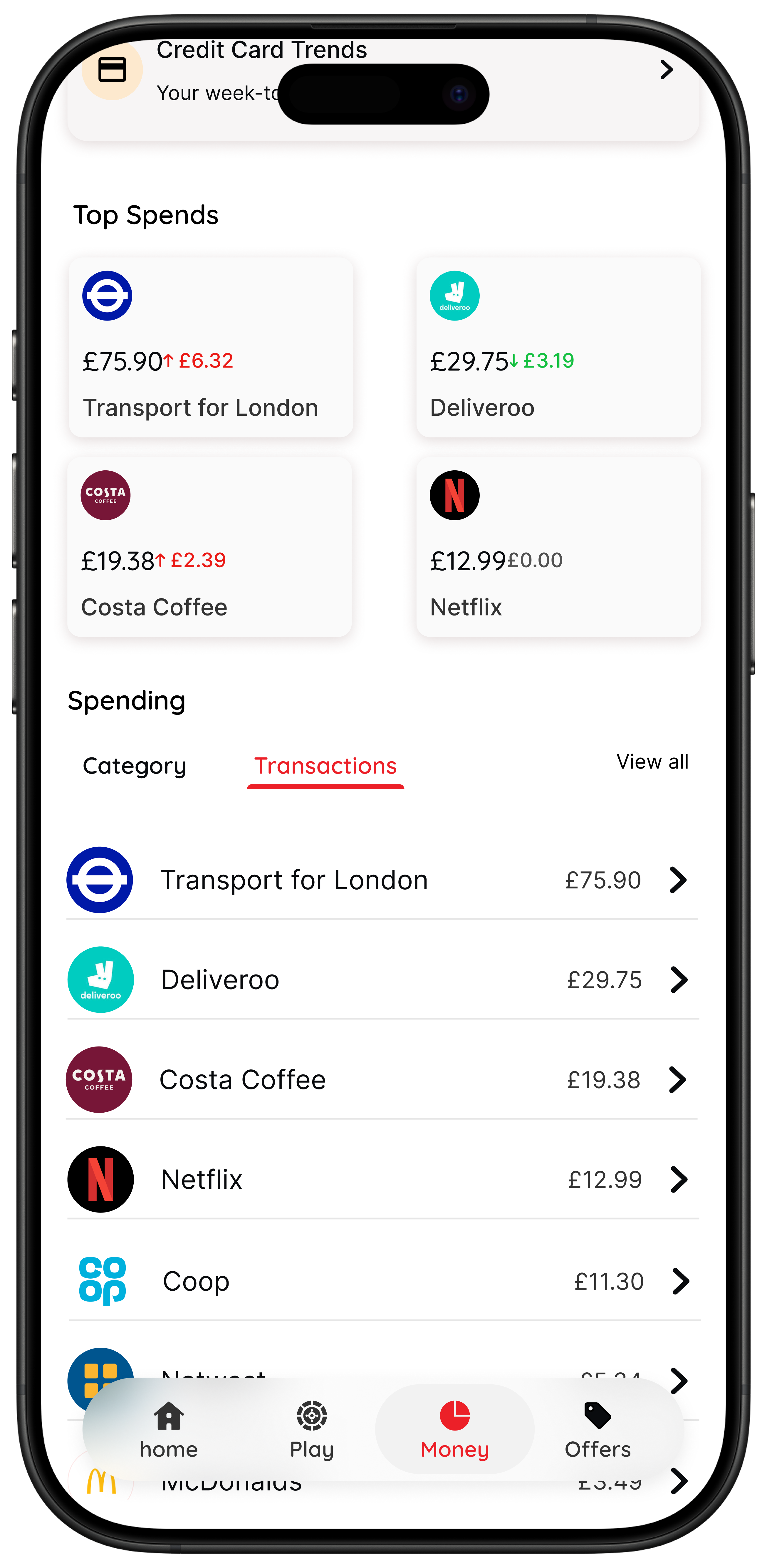
- Spot it: if you are an eligible 118 118 Money customer, you can see spending patterns and trends more clearly.
- Clock it with Wait: turn the price into hours worked so the real trade-off is easier to feel.
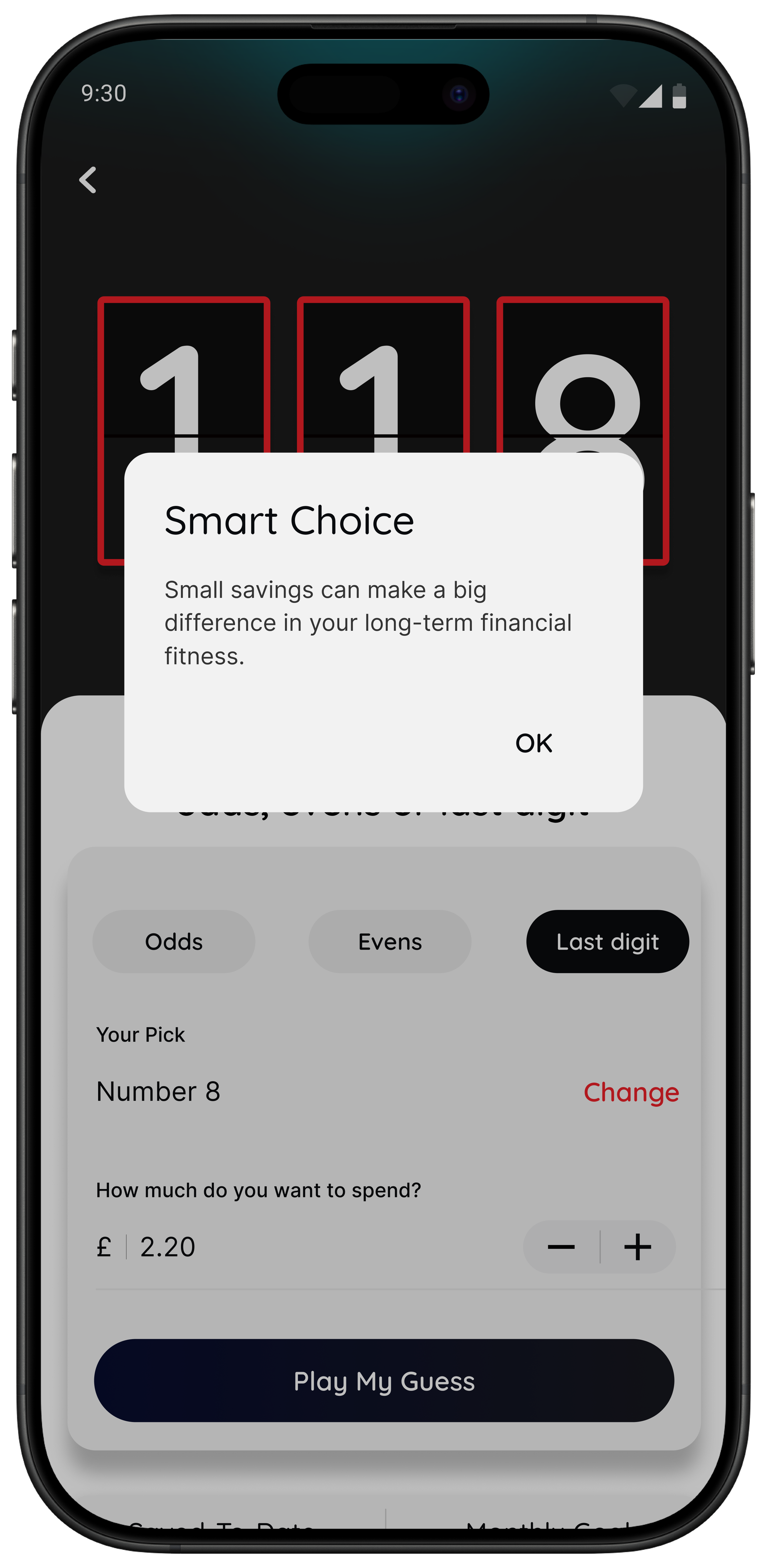
- Choose it with Number Generator: create a neutral pause when you feel stuck in the moment.
- Pause it with Sleep on it: set a 24-hour reminder instead of forcing an instant answer.
The aim is not to make you feel guilty for wanting something. It is to help you make a choice you still respect tomorrow.
For related tools and buying pauses, see Impulse Buying App: What to Look For, App to Stop Unnecessary Spending, and Number Generator to Decide Whether to Buy.
The simple takeaway
The psychological reasons for overspending are not random. They usually come back to a few repeat patterns: emotion, urgency, social pressure, low energy, and easy checkout.
That is good news, because repeat patterns can be interrupted. Once you know your top trigger, you can build a response that is small enough to use and strong enough to matter:
- name the feeling or pressure
- add a pause
- translate cost into hours worked
- choose later if the moment feels noisy
That is a much kinder plan than relying on guilt or waiting until regret shows up.
Frequently Asked Questions
What are the main psychological reasons for overspending?
The main psychological reasons for overspending are emotional regulation, present bias, social comparison, reward seeking, decision fatigue, and friction-free checkout. People often spend to change how they feel in the moment, even when the purchase does not fit their wider goals.
Why do I overspend when I am stressed?
Stress narrows attention toward immediate relief. A purchase can feel like a quick solution because it offers novelty, comfort, or the sense of taking action. The risk is that the emotional benefit is short and the financial trade-off lasts longer.
How does social pressure lead to overspending?
Social pressure can make spending feel like the price of belonging. Nights out, group trips, social media, and trend culture can all push people toward buying to avoid awkwardness or keep up with others rather than because the purchase genuinely matters to them.
What is the fastest way to interrupt overspending?
The fastest way is to slow the decision. Add a small pause, remove one-tap checkout, translate the price into hours worked, and move the item to a spend-later list. You are not trying to ban spending. You are creating enough space to choose deliberately.
How can 118M8 help with overspending triggers?
118M8 helps right before a purchase. You can use Wait to convert a price into hours worked, Sleep on it to create a 24-hour reminder, and Number Generator to add a neutral pause. If you are an eligible 118 118 Money customer, you can also spot patterns in your spending over time.
Stock images via Unsplash.