


Buyer’s Remorse: What It Is and How to Stop It
Buyer’s remorse is the sinking feeling that shows up after a purchase when the rush wears off and the trade-off becomes real. The good news is that regret usually follows a pattern, so you can catch it earlier and make calmer decisions before checkout.

Quick Definition
Buyer’s remorse is regret after a purchase
It usually appears when the emotional lift of buying fades and the trade-off becomes clearer. You start thinking about the money, the alternatives, your bigger goals, or whether you would still choose the item if you had to decide again now.
In simple terms, buyer’s remorse is the gap between how a purchase felt in the moment and how it feels once the urgency has gone.
Why buyer’s remorse happens
Buyer’s remorse is usually not about being careless or bad with money. It is more often a mix of speed, emotion, and pressure.
At checkout, your brain is handling novelty, convenience, discount language, fear of missing out, social comparison, and the relief of finally deciding. Later, those forces fade. That is when the practical questions return: Was it worth it? Did I really want it? Would I rather have kept the money? Would I buy it again tomorrow?
This is why buyer’s remorse shows up so often after impulse purchases, late-night scrolling, social spending, sales events, and moments when you want a feeling more than the item itself.

If this pattern feels familiar, you may also find How Can I Stop Spending Money? A Calm, Practical Framework and How to Stop Impulse Buying Online useful next reads.
The most common triggers behind buyer’s remorse
1. Buying too fast
Fast purchases feel smooth because they remove friction. That is helpful when you know exactly what you need. It is less helpful when you are unsure and a one-tap checkout gives you almost no time to think.
2. Buying for relief
Sometimes the real goal is not the item. It is relief from stress, boredom, frustration, or the effort of deciding. When that feeling passes, the purchase can stop making sense.
3. Social pressure and comparison
Buyer’s remorse often follows spending meant to fit in, avoid awkwardness, or keep up with people online or in real life. Nights out, group plans, trends, and social media can all add pressure that does not feel obvious in the moment.
4. Sales urgency
Countdown timers, low-stock warnings, app notifications, and “today only” language can make a purchase feel urgent instead of optional. The item can look essential at 11:58 pm and unnecessary the next morning.
5. Abstract money
Digital spending can feel detached from effort. Card payments, saved payment details, and buy-now flows often make the amount feel smaller than it really is. One reason the hours-worked check helps so much is that it makes the cost personal again.

Signs you are about to feel buyer’s remorse
You can often spot buyer’s remorse before it happens. Common warning signs include:
- You are rushing because of a countdown, a sale, or another person waiting on you.
- You keep saying “it’s only” instead of looking at the full cost.
- You want the feeling of deciding more than you want the thing itself.
- You have not compared the purchase against a savings goal, bill, or other priority.
- You would feel slightly uneasy explaining the purchase tomorrow.
- You are buying because you feel flat, stressed, left out, or overstimulated.
When two or three of those show up together, a pause is usually smarter than a purchase.
How to prevent buyer’s remorse before checkout
The best system is short enough to use in real life. You do not need a lecture. You need a simple sequence that helps you slow down and see the trade-off clearly.
Step 1: Pause the purchase
Give yourself a little distance before you pay. That might be ten minutes for a small urge, an hour for a non-essential item, or twenty-four hours for anything bigger. If it still feels right later, you can come back to it.
Step 2: Translate the price into hours worked
A £40 purchase can feel harmless on a screen. Four hours of your time rarely does. Turning price into hours worked helps your brain feel the real exchange, which is why it is such a strong check against regret.
Step 3: Save it instead of buying it
If you worry about forgetting the item, save it to a basket, a wishlist, or a note. That often gives you the emotional relief of not losing the idea without forcing you to spend now.
Step 4: Ask what the purchase replaces
Every spend is also a non-spend. Ask one question: What am I choosing not to do with this money? The answer might be less stress next week, a bigger goal, more flexibility, or simply feeling calmer about your balance.
Step 5: Decide when you feel calm
Buyer’s remorse usually starts in an activated state: stressed, excited, bored, pressured, or socially charged. Better spending choices usually happen when that state has passed.

Which prevention techniques work best
Different tools work at different points in the decision. The most effective setup is usually one tool that helps during the urge and one habit that helps after it.
| Technique | Best for | Main limitation |
|---|---|---|
| 24-hour rule | Unplanned non-essential purchases | Only works if you actually leave checkout |
| Hours-worked check | Small and medium purchases that feel harmless | Needs a quick calculation or tool |
| Spend-later list | Fear of missing out | Can become a holding area unless you review it |
| Removing saved cards or one-tap checkout | Online shopping and late-night spending | Adds friction but not reflection on its own |
| Weekly spend review | Spotting repeat regret categories | Helps after the moment, not during it |
If your goal is to stop buyer’s remorse, a good combination is: pause before purchase, make the price feel real, then review the pattern weekly.
Can you return something because of buyer’s remorse?
Sometimes, but not always.
In the UK, many online, distance, and off-premises purchases come with a 14-day cancellation period. GOV.UK explains that customers must usually be told they can cancel up to 14 days after delivery for distance sales. GOV.UK also notes that refunds must be offered when customers cancel eligible distance purchases within that period. These rights are useful, but they do not mean every purchase has an automatic cooling-off period.
In-store purchases are different. If you change your mind after buying in a shop, your rights usually depend on the retailer’s own returns policy rather than an automatic legal right to a refund for regret alone.
That matters because many people assume regret automatically means refund. Often it does not. The safest move is to prevent buyer’s remorse before payment instead of relying on returns after the fact.
For the latest official guidance, check GOV.UK guidance on distance selling and GOV.UK guidance on returns and refunds.

What to do if you already have buyer’s remorse
If regret has already landed, try not to turn one uncomfortable purchase into a bigger spiral. A better response is practical, not punishing.
- Check the return window before assuming you are stuck with it.
- Stop browsing for alternatives for a while, because comparison can intensify regret.
- Name the trigger: pressure, boredom, social influence, sale language, stress, or fatigue.
- Write one rule for next time, such as waiting until tomorrow or checking hours worked first.
- Review the category. If regret keeps showing up around clothes, beauty, takeaways, gadgets, or nights out, build your plan around that category instead of trying to change everything at once.
If repeated regret is part of a wider overspending pattern, Spending Habits App: Build Better Money Routines, Money Mindfulness App: Calm, Practical Spend Habits, and Psychological Reasons for Overspending are strong follow-up reads.
How 118M8 helps you reduce buyer’s remorse before it starts
118M8 is built around a simple idea: it is easier to prevent regret than to clean it up afterwards. Instead of judging what you bought, it helps you slow the decision before you buy.
Spot It Clock It Choose It Pause It
A calmer flow for real spending moments
- Spot it: see where your money goes and notice patterns in your spending.
- Clock it with Wait: turn the price into hours worked so the cost feels real.
- Choose it with Number Generator: add a neutral decision moment when you feel stuck.
- Pause it with Sleep on it: leave the purchase and come back after a 24-hour reminder.
The aim is not to say no to everything. It is to help you say yes with more confidence and no with less regret.
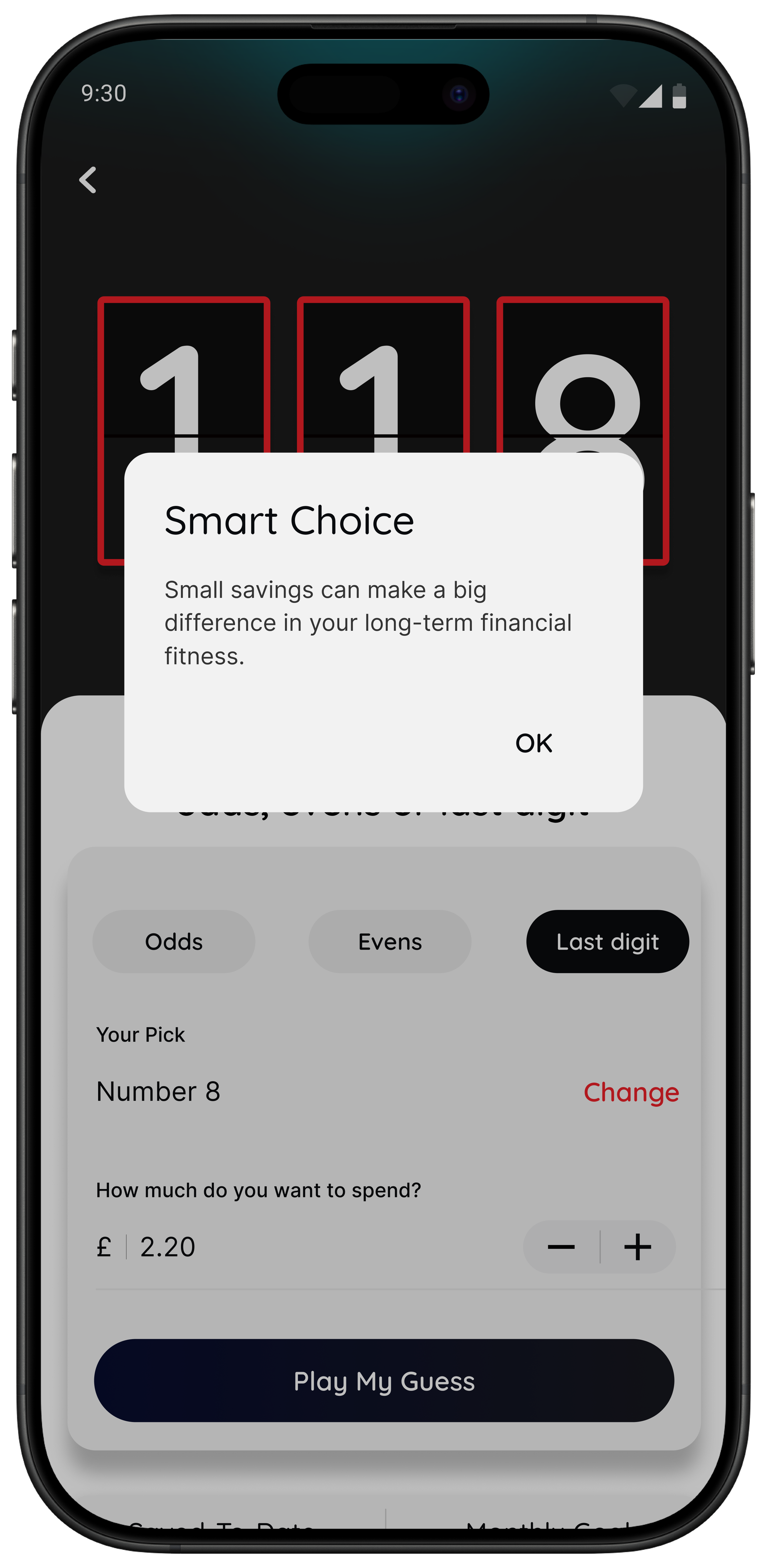
For more in-the-moment tools, see Impulse Buying App: What to Look For, App to Stop Unnecessary Spending, and Number Generator to Decide Whether to Buy.
A simple buyer’s remorse checklist
Use this when you feel the urge to buy something you did not plan for:
- Wait at least ten minutes.
- Convert the price into hours worked.
- Ask what this spend replaces.
- Save the item instead of buying it immediately.
- Come back only if it still feels right when you are calm.
That is often enough to stop regret without making spending feel heavy or restrictive.
The simple takeaway
Buyer’s remorse usually means the purchase moved faster than your values did.
If you want less regret, you do not need perfect willpower. You need a few repeatable habits that make impulsive moments slower and trade-offs clearer:
- pause before checkout
- translate price into hours worked
- save the item instead of buying it
- decide later when the urgency fades
That is a kinder and more realistic approach than trying to force yourself never to want anything.
Frequently Asked Questions
What is buyer’s remorse?
Buyer’s remorse is regret, discomfort, or doubt after making a purchase. It often appears when the emotional rush of buying fades and you start comparing the item against your budget, your goals, or better alternatives.
Is buyer’s remorse normal?
Yes. Buyer’s remorse is common after impulse purchases, expensive purchases, socially influenced spending, or anything bought under time pressure. It does not mean you are bad with money. It usually means the decision happened faster than your values could catch up.
How do I stop buyer’s remorse before I buy?
Slow the purchase down before checkout. Wait a little, translate the price into hours worked, save the item to a list instead of buying immediately, and ask what you are giving up by spending that money today.
Do all UK purchases have a 14 day cooling-off period?
No. Many online, distance, and off-premises purchases in the UK come with a 14 day cancellation period, but that does not apply to every purchase. In-store purchases usually depend on the retailer’s own returns policy.
How can 118M8 help reduce buyer’s remorse?
118M8 helps before regret kicks in. You can use Wait to convert a price into hours worked, Sleep on it to create a 24 hour pause, and the Number Generator to add a neutral decision moment when you feel stuck.