

Council Tax Moving House: What to Do and When
Moving is stressful enough without surprise council tax bills. This guide shows you what to tell each council, the dates that matter, and the small checks that stop overpaying when you move.

Quick answer: council tax moving house
Key PointWhen you move, council tax doesn’t transfer automatically. In most cases you need to tell two councils:
- Your old council: the date you moved out (so they can issue a final bill or refund).
- Your new council: the date you moved in (so they can set up your new account).
The two dates that matter most are your move-out date and your move-in date. Getting those wrong is the quickest route to paying twice or getting chased for arrears.
Moving week is a magnet for admin mistakes. You have keys, boxes, and ten different companies asking for details. Council tax is one of the few bills where a small date error can turn into months of back-and-forth.

Who to tell when you move (and why it’s usually two councils)
Council tax is run by local authorities. That means:
- The old council needs your move-out date to close your account.
- The new council needs your move-in date to open your new account.
Even if the two homes are in the same borough, it’s still usually a change to your account rather than a “transfer”.
If you want the most reliable starting point for your area, use GOV.UK to find your local council’s council tax contact page: find your local council.
The dates that matter (so you don’t pay twice)
The system is date-driven. Councils will usually ask for:
- Date you moved out of your old address
- Date you moved in to your new address
- The day the tenancy starts (if renting) or completion date (if buying)
A calm rule that avoids most problems
Key PointUse the actual day you stopped living there as your move-out date, and the actual day you started living there as your move-in date. If you’re unsure, pick the date you can prove (tenancy start, checkout email, completion statement) and explain the situation in one sentence.
What the council usually asks for (copy-and-paste checklist)
Most councils’ online forms are variations of the same questions. Have this ready and you can finish the admin in one pass:
- Old address and new address
- Move-out date and move-in date
- Names of all adults living at each property (and whether anyone is a student)
- Tenancy start date or completion date
- Landlord/letting agent details (if renting)
- Forwarding address for the final bill
- Direct debit details (if you want to set one up at the new address)

How the final council tax bill works (and what to do with direct debits)
Once the old council closes your account, they will calculate:
- what you owed up to the move-out date
- what you already paid
- whether you have a balance to pay or a refund due
If you pay by direct debit, don’t cancel in a rush. Wait until you get a final bill or written confirmation the account is closed. Then cancel or amend the direct debit so you don’t keep paying the old council by mistake.
If you’re worried about arrears
Key PointIf the council is still calculating your final bill, ask what they want you to pay in the meantime. The worst outcome is cancelling payments early, then being treated as behind while they process the move.
Do you pay council tax on two properties when you move?
Sometimes. It depends on who is liable for each property on each day.
Common overlap scenarios:
- Renting with an overlap: you keep the old tenancy for a week while your new tenancy starts.
- Buying a new home before selling: you complete on the new home while you’re still liable for the old one.
- Temporary empty period: you move out, but the property stays empty for a while.
Some councils have limited empty property discounts; others do not. Some also charge an empty homes premium after a property has been empty for a long time. The UK Parliament Commons Library has a useful explainer on empty homes premiums: empty homes premium on council tax.

Discounts to re-check after moving (people miss these)
A move is a good moment to re-check discounts because your household mix can change.
- Single person discount (often 25%) if only one adult counts
- Student rules if you or someone you live with is a full-time student
- Disability reduction if your home has certain adaptations
- Exemptions in specific circumstances (students-only households, some empty home situations, care-related situations)
GOV.UK has the cleanest overview of council tax basics and discounts: council tax overview.
If you think your situation might qualify for an exemption, our guide walks through the common routes and what evidence councils ask for: council tax exemption.
Moving house is also a chance to sanity-check the council tax band
You can’t choose your band, but you can check whether it looks consistent with similar homes nearby. If you’ve just moved, you’re already comparing properties. Use that energy for a quick band check.
In England and Wales you can check your band and nearby bands via the Valuation Office Agency (VOA): check your council tax band.
If you live in Scotland, bands are handled through the Scottish Assessors. Start at your local assessor’s site via the Scottish Assessors Association: Scottish Assessors Association.

A calm council tax moving checklist (15 minutes total)
- Find the council tax pages for your old and new councils (use GOV.UK if you need the correct council site).
- Send the old council: move-out date, forwarding address, names of adults, landlord details (if renting).
- Send the new council: move-in date, names of adults, any student status, and whether you want to set up a direct debit.
- Set a reminder to check for the final bill (14 days is a reasonable follow-up point).
- When the final bill arrives, pay any balance or confirm the refund, then cancel/update the old direct debit.
- Re-check discounts (single person discount is the most commonly missed after a move).
- Do a 5-minute band check against similar homes on your street.

Common edge cases (and what to do)
If you rent a room or live in a house share
Liability can be different in HMOs and house shares. If the council’s bill doesn’t match what you expect, ask them to confirm:
- who they treat as liable (landlord vs tenants)
- the dates they used
- whether the property is classed as an HMO for council tax
If your property is empty between moves
Tell the council it’s empty and explain why (between tenancies, awaiting completion, major repairs). Empty home policies vary, so the best move is to ask directly what reduction applies in your council.
If you think the bill is wrong
Start with a simple written message: “These are the dates I moved out and moved in. Please recalculate the account using these dates.” If it turns into a dispute, keep everything date-based and documented.
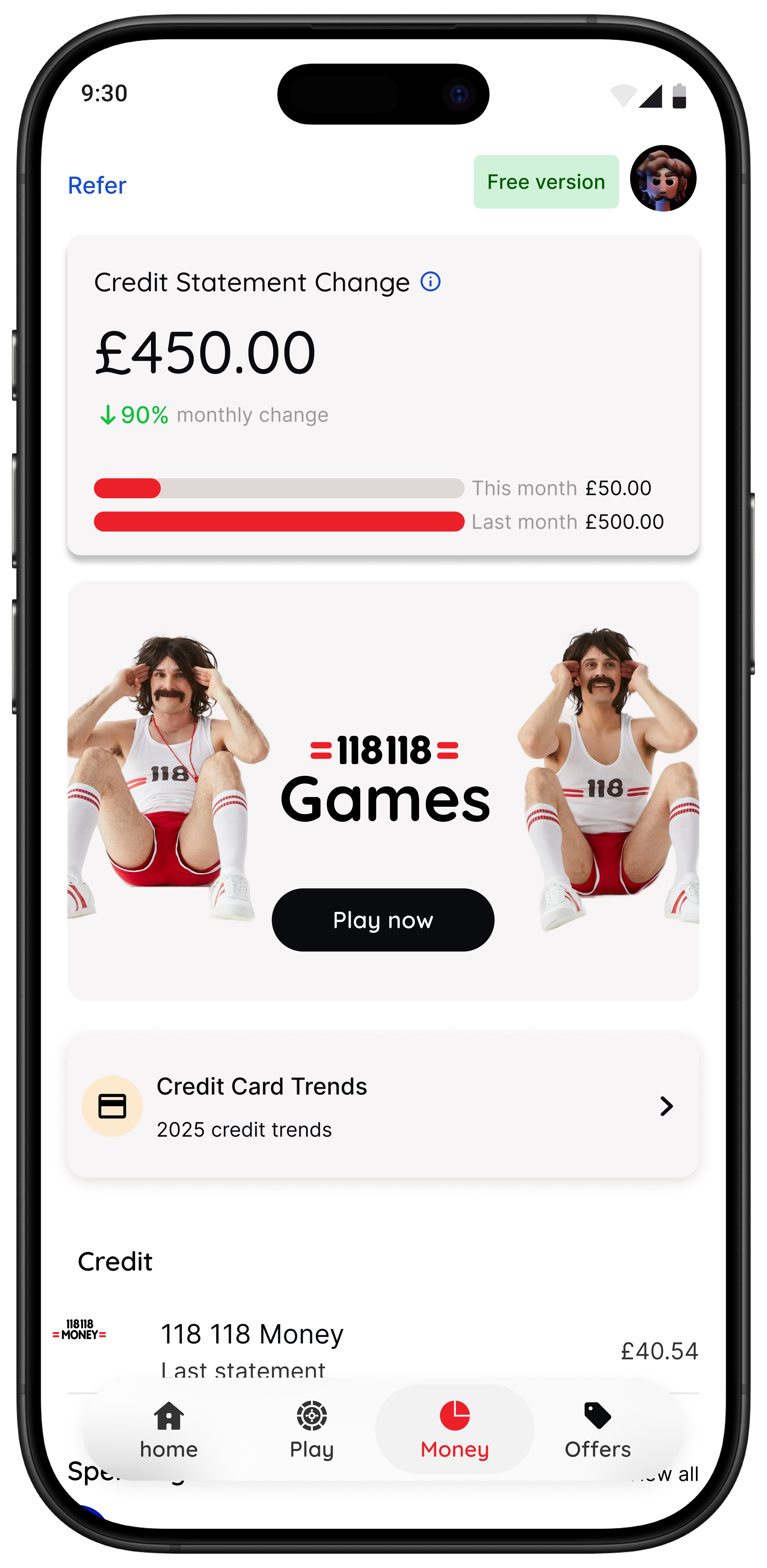
About 118M8: a calm mate for expensive weeks
Moving is a “high spend” moment: deliveries, repairs, new purchases, and the temptation to solve stress with spending. 118M8 helps you slow the moment down without guilt.
- Wait converts a price into hours worked so it feels real
- Sleep on it gives you a 24-hour pause before impulse buys
- Number Generator creates a neutral moment when you feel pressured
Keep learning: Blog home · Council Tax · Resources
Frequently Asked Questions
Do I have to pay council tax on two properties when moving house?
Sometimes. If you are liable for both properties on overlapping dates (for example, overlapping tenancies or completing on a new home before selling the old one), you may have to pay council tax on both. Some councils offer limited empty property reductions, but rules vary.
When should I tell the council I’m moving house for council tax?
As soon as you have a confirmed move date. You usually need to notify your old council that you are moving out and your new council that you are moving in.
What information does the council need when I move house?
Typically: old and new addresses, move-out and move-in dates, names of all adults living in the property, tenancy start or completion date, and a forwarding address for the final bill.
How does the final council tax bill work when moving house?
Your old council will close your account using your move-out date and issue a final bill or refund depending on what you owed and what you paid. Your new council will bill you from your move-in date.
Do I need to cancel my council tax direct debit when I move?
Usually, yes, but don’t cancel too early. Wait for the final bill or confirmation the old account is closed, then cancel or update the direct debit so you do not keep paying the old council.
Can I get a council tax discount after moving house?
Yes, if your circumstances qualify. Common examples include the single person discount, student rules, disability reductions, and some exemptions or empty home reductions.
Stock images from Unsplash.