


Does Closing a Bank Account Affect Credit Score? UK Guide
Closing a current account is often tidy admin, not a credit score disaster. The impact (if any) usually comes from what’s attached to the account: an overdraft, missed payments, or a linked credit product. Here’s how to close an account without leaving loose ends.
Quick Answer
Does closing a bank account affect credit score in the UK?
Most of the time, closing a standard current account is neutral. If your score moves, it’s usually not because you closed the account — it’s because of what was attached to it (like an arranged overdraft, missed payments, or a linked credit product).
Think of it like tidying a drawer: the drawer itself isn’t the problem. It’s whether there’s anything sharp inside.
Why people close bank accounts (and what lenders notice)
People close current accounts for sensible reasons: switching to a better app, keeping money organised, leaving a joint account, or cutting down on unused accounts.
Lenders are not “scoring” the act of closure in a simple way. They’re looking at signals like reliability (on-time payments), breathing space (not constantly at limits), and stability (consistent addresses and account management). If you want a broader checklist of what can move a score, start with Why Has My Credit Score Gone Down?.
When closing an account can affect your credit file
Here are the situations where closing a bank account can change something on your credit report (and sometimes the score that sits on top of it).
1) The account has an arranged overdraft
An arranged overdraft is a credit facility. If you close the account, you are also closing that facility and reducing your total available credit. That can change your overall “credit picture”. It’s not automatically bad — but it’s a reason your score might wobble.
If overdrafts are part of the question for you, our guide Does Overdraft Affect Credit Score? breaks down arranged vs unarranged use in plain English.

2) You close the account before all payments have moved
The most common risk is boring and avoidable: a direct debit doesn’t move, a payment fails, and you accidentally end up with a missed payment marker somewhere else (mobile, utilities, BNPL, a credit card).
If you’re doing a full tidy-up, the most effective habit is to list your recurring payments. Our Subscriptions guides help you spot the “small monthly stuff” that’s easiest to forget.
3) You have a joint account or linked credit products
Some accounts have attached products: a packaged account, a linked savings account, or a credit card with the same bank group. Closing the current account shouldn’t automatically close everything else, but it’s worth confirming what is linked so nothing gets missed.
4) You are closing an account that contains an error or fraud marker
Closing an account doesn’t “erase” incorrect data on your credit file. If you spot something wrong, challenge it. The Information Commissioner’s Office explains your right to have inaccurate personal data corrected: your right to get your data corrected.
What usually does not matter (as much as people think)
- Having fewer current accounts. Closing a spare account is often fine.
- Closing an account with a zero balance. If nothing is attached, it’s usually just admin.
- “Account age” on its own. In the UK, credit scoring is more about how you’ve managed credit lines and payments than “how old” your current account is.
The calm takeaway: if you’re worried about your score, focus on the big levers — on-time payments, keeping credit use manageable, and avoiding lots of new applications at once. Our guide How Often Does Credit Score Update? also helps set expectations so you don’t chase daily fluctuations.
10-Minute Check
A calm bank-account closure checklist
- Get the balance to zero (or slightly positive). If you are overdrawn, clear it before closing.
- List every direct debit and standing order. Move them first, then watch one full billing cycle to confirm they left the new account.
- Leave a buffer for late refunds. Returns and cashback sometimes land after you think you’re done.
- Download statements you might need for rent, mortgages, or disputes.
- Confirm the account is closed in writing (email/app message/letter).
- Re-check your credit report after a few weeks to ensure the account status updated correctly.
MoneyHelper’s guide to checking and improving your credit score is a solid UK baseline if you want the wider context: how to improve your credit score.
Check the report line items, not just the score
If you want certainty, open your credit report and check what’s actually recorded. UK lenders don’t all use the same credit reference agency, so it can be worth checking more than one.
Our guide Average Credit Score UK explains why the number can vary between Experian, Equifax, and TransUnion even when your habits haven’t changed.
If you’re applying for a mortgage or car finance soon
If you’re within a few months of a mortgage or car finance application, the goal is to look boringly stable:
- avoid missed payments (set reminders if you’re switching accounts)
- avoid stacking new credit applications unless you need to
- keep overdraft use and credit card utilisation steady and manageable
There isn’t a single “pass” score for mortgages, so focus on the full picture. Our guide What Credit Score Do You Need for a Mortgage? explains what lenders tend to look at in practice.
About 118M8: a simple pause before you spend
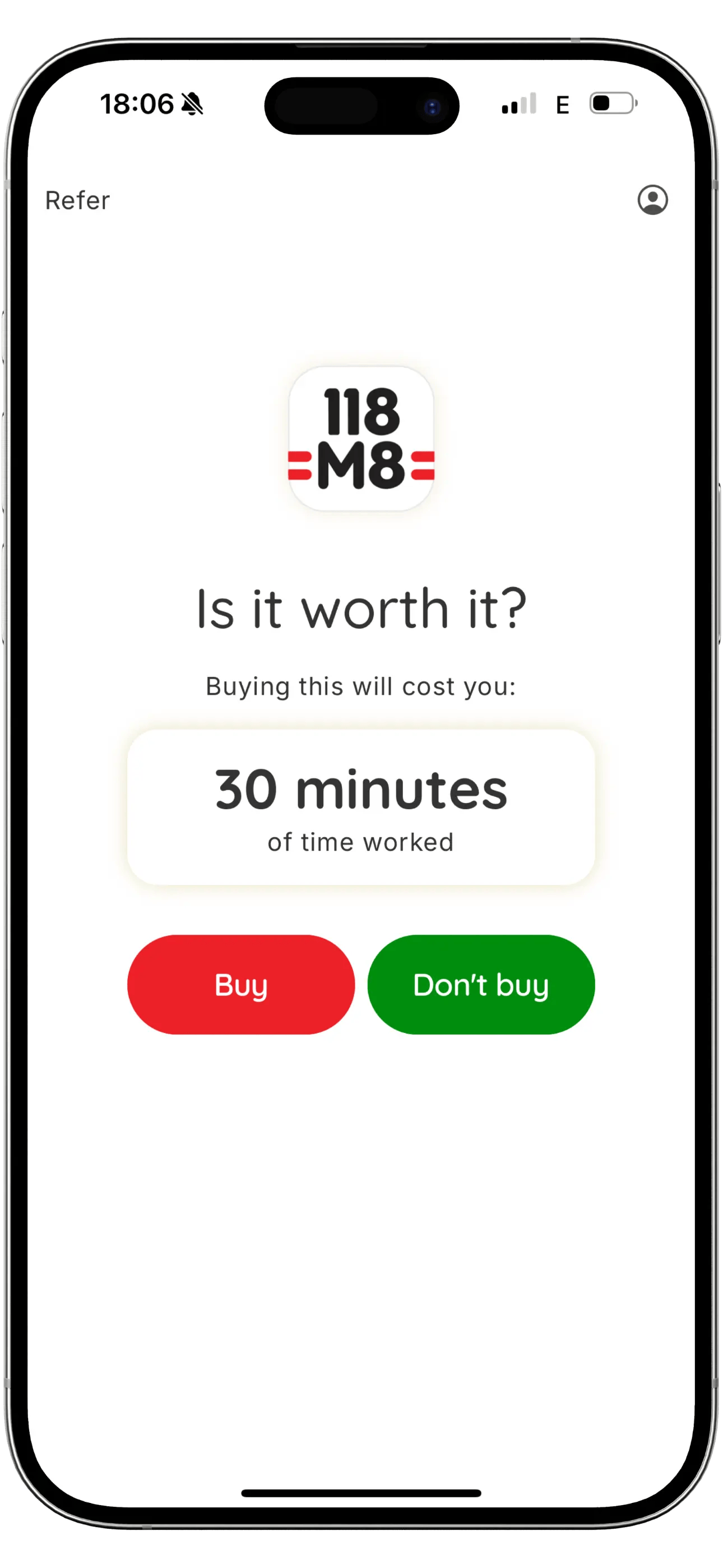
Account switching and closure usually comes down to habits: timing, subscriptions, and small decisions that stack up. 118M8 helps you pause before you spend by showing the time cost behind a price in hours worked, so you can choose what’s worth it in the moment and protect your breathing space.
- turn prices into hours (based on your take-home earnings)
- use “Sleep on it” for a 24-hour pause before buying
- track the wins when you skip a purchase and keep your buffer
Keep learning: Blog home · Credit Scores · Subscriptions
Frequently Asked Questions
Does closing a bank account affect credit score in the UK?
Usually not much. Closing a standard current account is often neutral. Any impact tends to come from what is attached to the account, such as an arranged overdraft (credit), missed payments during the switch, or linked credit products.
Does closing a current account with an overdraft affect credit score?
It can. An arranged overdraft is a credit facility and may appear on your credit file. Closing it changes your overall available credit. The safest move is to clear any overdrawn balance and ensure no payments fail during the transition.
Will switching bank accounts hurt my credit score?
Switching is usually neutral, but applying for an overdraft can involve a credit check, and missed payments during the move can do real damage. Keep direct debits running until you have confirmed they moved, and check your credit report afterwards.
Should I close old bank accounts before a mortgage application?
Not automatically. Lenders prefer stability and clean payment history. If an old account is well-managed, closing it may not help. If an account is creating fees, frequent overdraft use, or missed payments, fixing that pattern matters more than closing it.
How long does a closed account stay on my credit report?
It depends on the account and the credit reference agency. Closed accounts can remain visible for a period of time, and negative markers like missed payments or defaults can stay for years. Your report will show the account status and dates.
What’s the simplest way to avoid credit issues when closing an account?
Treat it like a project: move direct debits first, keep a buffer for late refunds, get written confirmation of closure, and then re-check your credit report to ensure everything updated correctly.