

BR Tax Code Meaning: What It Means for Your Pay
Seeing BR on your payslip can be unsettling if you were expecting the normal tax code. In most cases, BR means all the income from that job or pension is being taxed at the basic rate, with no Personal Allowance applied there. That is often correct for a second job. But if BR appears on your main job by mistake, your take-home pay can be lower than it should be. This guide explains what the BR tax code means, when it is commonly used, when it may be wrong, and how to check calmly before you assume the worst.

Quick answer: BR tax code meaning
Key PointBR means all the income from that job or pension is taxed at the basic rate.
In practice, it usually means no Personal Allowance is being applied to that income source. HMRC often uses BR for a second job or pension while your main job uses your allowance elsewhere.
If BR appears on the wrong job, your take-home pay can be lower than it should be.
If you searched for BR tax code meaning, you probably want one clear answer: is BR normal, and is it costing me too much tax?
Often, BR is normal. But it depends which job or pension it is attached to.
HMRC says BR means all your income from this job or pension is taxed at the basic rate, and it is usually used if you have more than one job or pension. That makes it common in straightforward second-income situations. It does not automatically mean something is wrong.
But BR can still matter a lot. If it lands on your main job by mistake, or it stays in place after your circumstances changed, your net pay can come out lower than expected. A calm check now can save guesswork later.
What is the BR tax code?
The BR tax code tells payroll to tax all of the income from that job or pension at the basic rate. Unlike a code such as 1257L, BR does not give that income source any Personal Allowance.
For many people in England and Northern Ireland, the basic rate is 20%. HMRC’s employee tax-code guidance describes BR as a code used for a second job or pension, where all income from that source is taxed at the basic rate.
That is the key idea to hold onto:
- BR does not mean “all your income everywhere”
- it means all income from that specific job or pension
- your Personal Allowance is usually being used somewhere else
This is why BR is often fine on a side job, but worrying on the wrong payslip.

When BR tax code is usually used
BR commonly appears when HMRC wants your Personal Allowance used against one main income source and not another. Typical examples include:
- you have a second job
- you have a work pension plus another taxed income source
- you have changed jobs and HMRC or payroll is still aligning your records
- your employer does not yet have the final coding details for the right split across multiple jobs
GOV.UK’s tax-code overview explicitly says BR is usually used if you have more than one job or pension. That is why seeing BR is not the same thing as seeing a random mistake.
A simple example helps. If your main job uses code 1257L, your Personal Allowance is usually being set against that main job. If you then take on an evening or weekend job, HMRC may code that second job as BR so that the income there is taxed at basic rate from the start.
Why BR tax code can make your pay feel wrong
BR can be correct and still feel alarming. The reason is simple: if no Personal Allowance is applied to that income source, more tax is deducted from each payslip than people often expect.
That does not automatically mean you are overpaying. If your allowance is already being used properly elsewhere, BR may be doing exactly what it should.
But if BR is attached to the wrong job, or your old code never updated after a change, you may be paying too much tax because the allowance is not being used where it should be.
HMRC’s payslip-check guidance says the first step is to compare the tax code on your payslip with the code HMRC has for you. That one check usually tells you whether the issue is payroll applying the wrong code or HMRC holding the wrong employment picture.
When BR Is Often Right and When It Often Needs Checking
| Situation | BR likely? | Why |
|---|---|---|
| Second job alongside main job | Often yes | Personal Allowance is usually being used on the main job |
| Second pension alongside another main income | Often yes | HMRC may tax that extra source at basic rate |
| Only job and no special adjustments | Often no | Many single-job cases use a code such as 1257L instead |
| Main job suddenly changed to BR | Check it | You may be losing the allowance on the wrong employment |
| Recent job change | Possibly temporary | Records may still be catching up across HMRC and payroll |
| More than one income source and unclear split | Needs review | Correct coding depends on where HMRC wants the allowance applied |
BR is not automatically wrong. The real question is whether it is attached to the right income source.
BR tax code vs 1257L
A useful way to understand BR is to compare it with the tax code many people expect to see.
HMRC says 1257L is the tax code currently used for most people who have one job or pension. That code usually gives the standard Personal Allowance to that employment or pension.
BR does the opposite job. It tells payroll not to give that income source any allowance and to tax all of it at the basic rate.
So if you move from 1257L to BR on a payslip, your net pay may fall even if your gross pay has not changed much. That is not because BR is a penalty. It is because the allowance is no longer being used there.
If you want a more detailed look at the standard code, our 1257L tax code guide explains how the normal code works and why the suffix matters.

Does BR mean emergency tax?
Not exactly.
People often use “emergency tax” as a catch-all phrase for any payslip that looks wrong, but BR has a specific meaning. HMRC separately identifies codes with markers like M1 and W1 as emergency codes in some situations. BR is different. It is its own code with its own purpose.
That said, BR can appear temporarily when records are incomplete or still catching up after a new job or other change. So the feeling can be similar even when the label is not.
The helpful question is not “Is BR emergency tax?” It is “Why has HMRC put BR on this income source right now?” Once you know that, the next step usually becomes much clearer.
How BR tax code affects your take-home pay
On a BR code, payroll taxes all of the pay from that income source at the basic rate. For many workers that means 20% Income Tax is deducted from the taxable pay for that job, before you even think about National Insurance, pension contributions, or student loan deductions.
That is why BR can make a part-time or second-job payslip look harsher than expected. The gross amount may look decent, but the net figure lands lower because the allowance is not being used there.
Two points matter here:
- BR affects Income Tax, not the rest of your payslip deductions on its own
- BR may still be the correct code even if the net number feels disappointing
If your pay suddenly feels different, it is worth reading the whole payslip rather than focusing on tax code alone. HMRC’s current guidance says you should review your gross pay, deductions, net pay, and the code itself when checking whether the tax looks right.
Signs your BR tax code may need checking
You do not need payroll training to spot a BR code worth checking. Common prompts include:
- BR appears on what is now your only job
- BR is showing on your main job while a smaller side job has the standard allowance
- you left a second job, but BR stayed behind on the remaining job
- your take-home pay dropped after a job change and the code changed at the same time
- HMRC’s online record does not match the code on your payslip
- you expected a Scottish or Welsh prefix, but only BR is showing
None of these proves the code is wrong, but each is a sensible reason to check. GOV.UK says if the code on your payslip and the code in HMRC’s service are different, you should speak to your employer. If they match, the next step is to see whether the code fits your actual circumstances.
A calm way to sense-check BR
Key PointAsk one simple question first: Which job should be using my Personal Allowance right now?
If BR is on the smaller second job and your main job has the standard allowance, that may be exactly what HMRC intended. If BR is on the wrong employment, that is when it is worth acting.
How to check if your BR tax code is correct
The easiest route is to use HMRC’s current-year online service. GOV.UK says you can check your Income Tax for the current year in your Personal Tax Account or the HMRC app. You can also use HMRC’s guidance on understanding your tax code and checking whether the payslip tax looks correct.
A simple check looks like this:
- Look at your payslip. Note the exact code shown and which employer or pension it relates to.
- Check HMRC’s record. See which code HMRC has assigned to each current income source.
- Check your income picture. Ask whether you currently have one job, two jobs, one pension, or a mix.
- Check which source should use the allowance. In many cases, the main or larger income source uses the allowance and the smaller one gets BR.
- Check the tax taken. If needed, use HMRC’s payslip guidance to estimate whether the tax looks right for that code and gross pay.
If you are still unsure, HMRC also has guidance on what to do if you think your tax code is wrong.

What to do if your BR tax code is wrong
Start with the cleanest facts first.
- Confirm which job is your main job.
- Check whether HMRC still thinks an old job or pension is active.
- Update HMRC if your employment details, estimated income, or job status are wrong.
- Speak to payroll if your employer is using a different code from the one HMRC has issued.
- Watch later payslips because PAYE often corrects through payroll once the right code is in place.
GOV.UK says that if you have paid too much tax, it may be used to reduce the amount of tax you pay the next time you are paid. So even if the current payslip looks off, the fix does not always come as a separate dramatic event. Sometimes the correction shows up gradually once the records align.
BR compared with other common tax codes
If BR is on your payslip, it often helps to compare it with the other codes you may hear about.
Common Tax Code Comparisons
| Code | What it often means | What to check |
|---|---|---|
| BR | All income from that job or pension taxed at the basic rate | Check whether this is your second income source |
| 1257L | Standard allowance for many people with one job or pension | Check if this should be on your main income source instead |
| 0T | No Personal Allowance applied | Often appears when details are missing or allowance is used up |
| D0 | All income from that source taxed at the higher rate | Often used for another job or pension for higher-rate taxpayers |
| D1 | All income from that source taxed at the additional rate | Check if your wider income really supports this |
| K code | Extra taxable amount added because deductions exceed allowance | Check benefits, untaxed income, or tax owed |
A code only makes sense when you read it in the context of all your current income sources.
A simple example of BR in real life
Imagine you work full-time Monday to Friday and then pick up a weekend retail shift. Your main full-time job uses code 1257L. Your weekend job shows BR.
That setup is often perfectly normal. Your Personal Allowance is being used on the main job, so payroll taxes the weekend pay at the basic rate from the first pound on that second job.
Now imagine the opposite. You leave the weekend job, but your main full-time job still shows BR on the next payslip. That is when the code becomes worth checking, because the allowance may now be missing from the only job you still have.
That is why the most useful question is rarely “Is BR bad?” It is “Is BR on the right income source for my situation today?”
Why this matters for everyday money decisions
A tax code can sound like admin, but it affects something very real: what reaches your bank account after payday.
If your net pay is lower than expected, even for a short time, it can change what feels safe to spend on food, travel, subscriptions, or extras. That is exactly why it helps to pause and check the reason before reacting.
This same pause is useful in other money moments too. It is the same steady habit behind our guides on how to stop impulse buying, how to stop spending money, apps to stop unnecessary spending, and building better spending habits.
How 118M8 helps when take-home pay feels uncertain
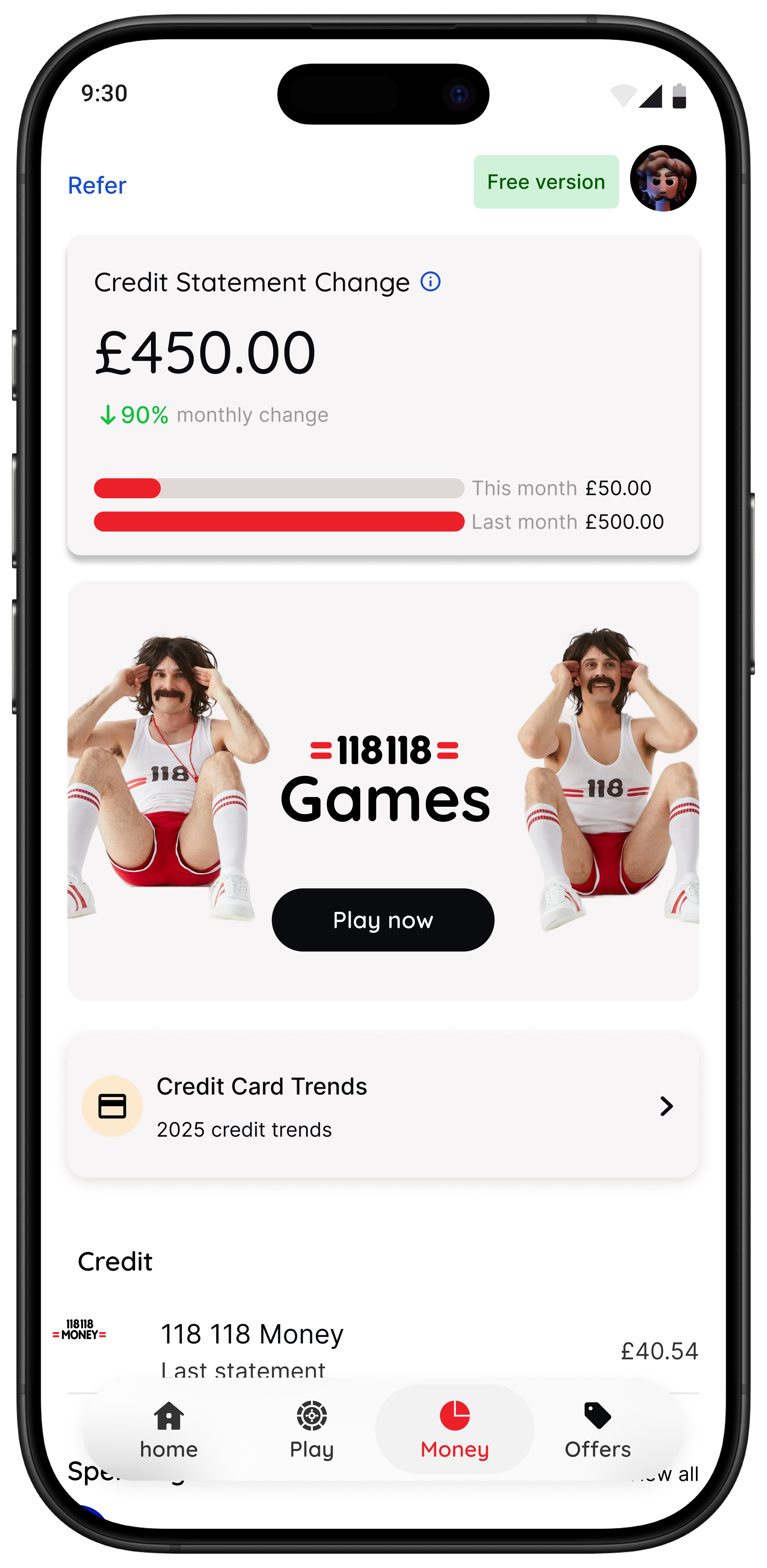
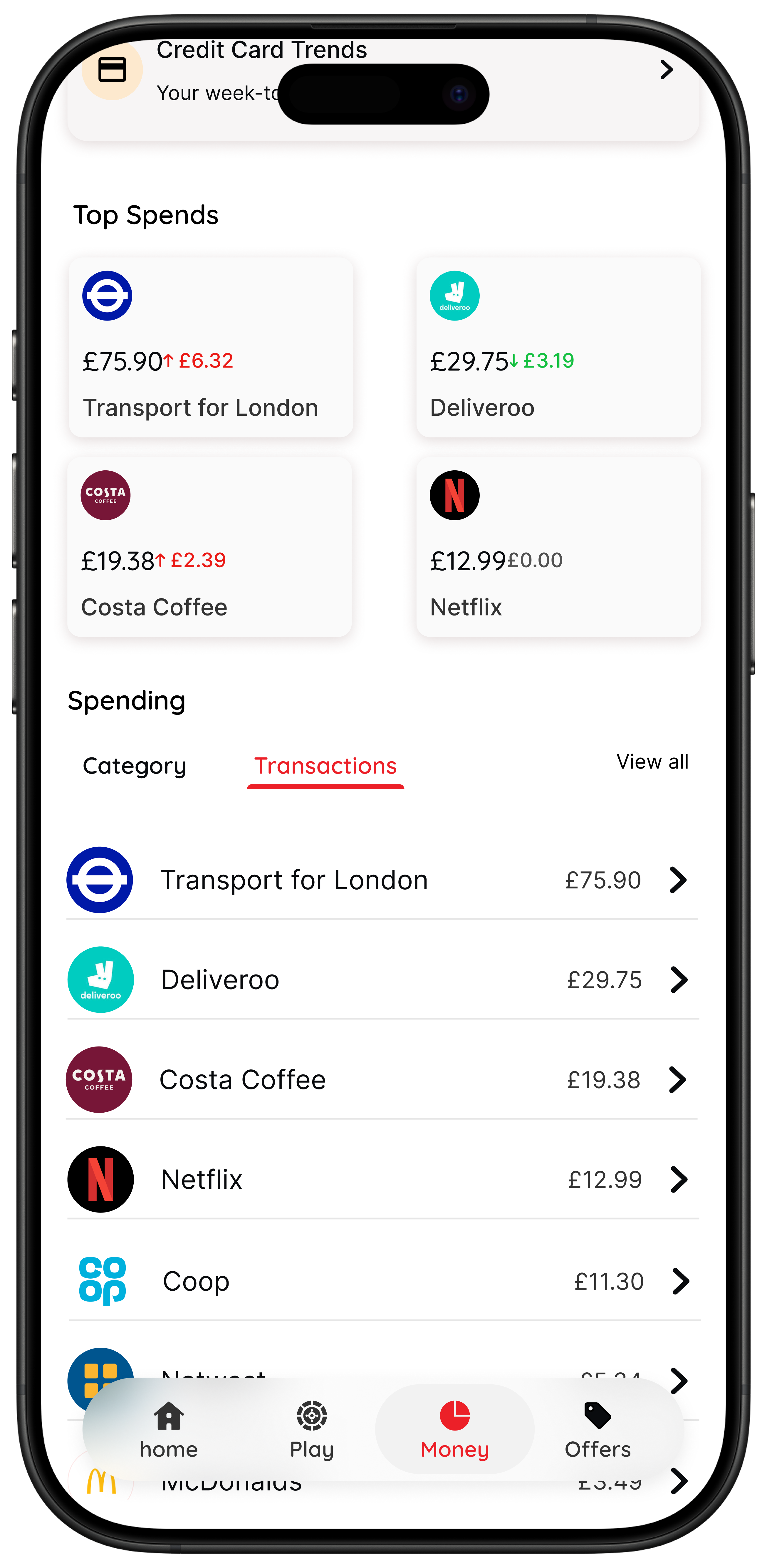
If a tax code change leaves less in your account than you expected, the next spending decision can feel more stressful than it should. 118M8 is designed for those moments when you want to slow things down and make a calmer call.
- Spot it by noticing where your money is going week to week
- Wait to turn a purchase into hours worked before you buy
- Sleep on it when the choice can wait 24 hours
- Number Generator when you want a neutral nudge instead of a pressure buy
That makes 118M8 useful when your pay changed, your budget feels tighter, or you simply want a better pause before spending what just landed.
Bottom line
BR means all the income from that job or pension is taxed at the basic rate. It is often the right code for a second job or pension because your Personal Allowance is being used somewhere else.
But BR is only “normal” in context. If it appears on your main or only job, or it sticks around after your circumstances changed, it is worth checking.
If your payslip looks off, start with a calm three-step check:
- match the code on your payslip with HMRC’s record
- check which job should be using your allowance
- update HMRC or payroll if the code no longer fits your current income picture
That short pause can help you avoid both overpaying tax and overreacting to a payslip that simply needs updating.
Frequently Asked Questions
What does BR mean on a tax code?
BR means all the income from that job or pension is taxed at the basic rate. It usually means no Personal Allowance is being given to that income source.
Is BR tax code normal for a second job?
Often, yes. HMRC commonly uses BR for a second job or pension when your Personal Allowance is being used against your main job or pension.
Does BR tax code mean emergency tax?
Not exactly. BR is its own tax code, not simply another word for emergency tax. But it can appear temporarily when HMRC or payroll does not yet have the full details needed to apply a different code.
Can BR tax code make you overpay tax?
Yes. If BR is applied to the wrong job, especially your main job, you may pay more tax than you should because no Personal Allowance is being set against that income.
How do I check if my BR tax code is correct?
Compare the tax code on your payslip with the code shown in your HMRC Personal Tax Account or HMRC app, then check whether the job is your main income source or a second one.
What should I do if my BR tax code is wrong?
Update HMRC with the correct employment details, check your current-year Income Tax record online, and speak to your employer if the code on the payslip does not match the code HMRC has issued.
Stock images by Sarah Agnew and Kelly Sikkema via Unsplash