


Compulsive Buying vs Impulse Buying: Key Differences
An unplanned purchase is common. A repeated urge to shop that feels hard to control, causes distress, or starts affecting your finances is a different conversation. Here is how to tell the difference without turning every regretted purchase into a diagnosis.
Quick answer
Impulse buying is a moment. Compulsive buying is a pattern that can cause harm.
Impulse buying is usually an unplanned choice made because something feels tempting, urgent or exciting right now. Compulsive buying is not simply buying something on a whim. It can involve repeated urges to shop or spend, a sense of lost control, and consequences that keep showing up after the short-term relief has passed.
This guide is for understanding your habits, not diagnosing yourself. If spending feels frightening, persistent or out of control, a money tool is not a substitute for professional support.
Why the difference matters
It is easy to call any purchase you later regret an impulse buy. You see a sale, order something at midnight, then wonder why it felt so important. That happens to plenty of people. The problem with using one label for every kind of overspending is that it can either make a normal mistake feel shameful or make a serious pattern seem smaller than it is.
A more useful question is not “Was that purchase bad?” It is “What happened before, during and after I spent?” Was it a one-off reaction to an offer? Did you have room to pause next time? Or does shopping keep taking over when you feel low, stressed, bored or overwhelmed, even when you know it is making life harder?
That distinction gives you a proportionate next step. A common impulse-buying pattern often responds well to simple friction: a list, a waiting rule, fewer saved cards and a clearer view of your spending. A pattern that feels persistent and damaging deserves more support than another promise to be stricter with yourself.
For a practical look at the everyday version, read Impulsive Buying: Why It Happens and How to Stop. If the main trigger is your phone or laptop, How to Stop Impulse Buying Online focuses on checkout friction and digital prompts.
What each term usually describes
Impulse buying
Impulse buying is an unplanned purchase made in the moment. The trigger can be external: a discount, an attractive display, a social-media ad, a last-minute suggestion from a friend, or a checkout that makes paying almost effortless. It can also be internal: tiredness, hunger, boredom, a difficult day or the wish for a quick reward.
The important thing is that the buying decision moved faster than your usual reflection. You did not plan to buy the item, but the urge arrived and the route to payment was easy. You may regret it later, or you may decide it was fine. A spontaneous coffee, a takeaway after a long day or a sale purchase does not automatically mean there is a deeper problem.
Compulsive buying
Compulsive buying is a term used in research to describe excessive or poorly controlled shopping and spending that leads to distress or impairment. Reviews of the subject describe a chronic pattern rather than an isolated checkout decision. The purchase can become a way of responding to uncomfortable feelings, then create more financial, emotional or relationship stress afterwards.
It is also worth being precise about language. “Compulsive” does not mean someone likes shopping, spends on hobbies or occasionally gets carried away by a sale. It describes a pattern that can feel driven, repetitive and hard to stop despite consequences. It is not something a blog can diagnose, and it is not a moral failure.
The research uses different terms, including compulsive buying, compulsive shopping and compulsive buying-shopping disorder. The shared point is the combination of repeated loss of control and harm. A clinical review of compulsive buying describes excessive shopping thoughts and behaviour that lead to distress or impaired functioning.
Compulsive buying vs impulse buying at a glance
| Question | Impulse buying | A concerning compulsive pattern |
|---|---|---|
| How often does it happen? | Occasionally or around specific triggers. | Repeatedly, even when the pattern is causing problems. |
| What drives it? | A tempting moment, offer, cue or quick emotion. | A strong urge to shop or spend that can feel difficult to resist. |
| What happens afterwards? | Maybe mild regret, then you move on or adjust next time. | Distress, secrecy, debt, conflict or a feeling that the cycle keeps repeating. |
| Can a small pause help? | Often, especially when it adds time and friction before payment. | It may help, but additional personal, financial or professional support may be needed. |
This is a guide, not a checklist for deciding whether you have a condition. The line is not the price of an item or the number of parcels on your doorstep. The key issues are control, distress and impact on your life.
Where impulse buying and compulsive buying overlap
The two are not completely separate boxes. An impulse purchase can happen because you are stressed or looking for a lift. Repeated impulse purchases can add up. Someone might also notice that their quick, unplanned spending is becoming more frequent during a difficult period. The helpful response is curiosity, not panic.
Start by noticing the loop. What tends to happen first? Perhaps you feel lonely, open a shopping app, scroll for an hour, buy something you did not plan for, then avoid checking your balance. Maybe payday brings a burst of optimism followed by a harder week. Or perhaps the trigger is not emotion at all: it is a deal email, a saved card and a five-second checkout.
A pattern does not become easier to handle because you criticise yourself more fiercely. The MoneyHelper guide to the psychology of spending recommends practical steps such as waiting before non-essential purchases, recognising emotional triggers and making money feel more real. Those are sensible first moves when the pattern is ordinary overspending.
It can also help to separate the urge from the action. Feeling like you want to buy something is not the same as needing to open the checkout. Naming the moment gives you a small gap in which to make a different choice.
What to do when the pattern is everyday impulse spending
When your spending feels mostly situational, focus on changing the path to purchase rather than banning every treat. The goal is to give the part of you that cares about tomorrow a vote before the money leaves your account.
1. Use a waiting rule that matches the purchase
A 24-hour pause works well for many non-essential buys. For bigger purchases, make the rule longer: three days, a week or until the next budget check. Put the item on a wish list, take a screenshot or save the link. You are not saying no forever. You are letting the urgency cool down.
2. Add friction back into payment
Remove saved cards from retail sites, log out of shopping apps and turn off promotional alerts that reliably trigger you. These changes are deliberately boring, which is why they work. They create a few extra seconds for your future priorities to catch up with your present mood.
3. Make the total visible
Before you decide, look at the full cost, including delivery, subscriptions, accessories and any finance payments. Then compare it with something real: a planned saving goal, an upcoming bill or the hours you worked to earn it. Buyer’s remorse often starts when this trade-off only becomes clear after checkout.
4. Plan for the feeling, not just the product
If you tend to shop after a stressful meeting, an argument or a lonely evening, decide in advance what else could help in that moment. A walk, a shower, a call, a meal, a game or a note to yourself may not remove every urge, but it stops shopping being the only automatic response.
5. Review one week, not one mistake
A single regretted order rarely tells you much. A week of spending can. Notice the times, shops, feelings and amounts without trying to shame yourself into change. The aim is to find one recurring point where a small barrier would make a difference.
Signs it may be time for more support
It is sensible to ask for help when spending is no longer just frustrating. Consider talking to someone you trust, a debt adviser, a GP or a mental health professional if you recognise a repeated pattern such as:
- shopping or spending feels difficult to control, even after you have tried practical barriers
- you spend to escape painful feelings and the relief only lasts briefly
- you hide purchases, accounts, parcels or debt from people close to you
- you are missing bills, borrowing, using credit you cannot repay or selling things to keep the cycle going
- buying is causing serious conflict, stress, shame or disruption to work, home life or relationships
- you feel unsafe, desperate or unable to cope because of money or your mental health
These signs do not tell you exactly what is going on. They do tell you that carrying the problem alone is not the prize for being “good with money”. Getting support is a practical next step.
For money pressure, a free, confidential debt-advice service can help you understand your options. If the urge to buy is tied to difficult feelings or your wellbeing, the NHS explains how to find talking therapies in your area. If you are in immediate danger or feel unable to keep yourself safe, seek urgent help through emergency services or a crisis service.
Four spending situations people often misread
“I buy things when I am sad, so it must be compulsive.”
Emotional spending can be a useful pattern to notice, but it is not a diagnosis on its own. Plenty of people want comfort, distraction or a small reward after a difficult day. The important questions are frequency, control and consequence. Can you recognise the moment and take a different route sometimes? Or do the urges feel relentless and the aftermath keeps getting worse?
“I bought something expensive without planning it.”
Price alone does not define the issue. An unplanned flight for a family emergency, a replacement washing machine or a meaningful gift can all be expensive without being irresponsible. A purchase is more likely to be a problem when it repeatedly pushes aside essentials, creates debt you cannot manage, or feels impossible to resist even when you know it will cause damage.
“I have lots of parcels, so I have lost control.”
Parcel count can be a clue, but it is not the full picture. People may buy many low-cost items for work, a household, a hobby or a planned event. Look at the story around the shopping instead: are you hiding it, avoiding statements, returning items in a panic, or feeling trapped in a cycle of anticipation and regret?
“I can stop for a week, so nothing is wrong.”
A short break may be encouraging, but it does not have to prove anything. Some patterns are triggered by stress, payday, social media, alcohol, a particular relationship or a difficult season. The aim is not to pass a test. It is to understand what helps you feel safer and more in control over time.
How to support someone without taking over
It can be hard to watch someone you care about struggle with spending. Anger and panic are understandable, especially when money is shared. But accusations often add secrecy, and secrecy makes it harder to get a clear picture of what is happening.
Start with a calm, specific observation instead of a label. “I have noticed you seem really stressed after deliveries arrive” is easier to hear than “You are addicted to shopping.” Ask what the person wants help with. They may want company while they look at bills, a second opinion before a large purchase, help removing shopping apps or space to speak to a professional.
Keep practical boundaries clear. Supporting somebody does not mean lending more money, taking on debt in your name, pretending the problem is not affecting you or becoming their full-time monitor. If finances are shared, agree on steps that protect essentials first, such as separate spending money, alerting a trusted person before using credit, or arranging independent debt advice.
Most importantly, avoid making promises you cannot keep. A sustainable, respectful plan is better than one dramatic conversation followed by silence. Encourage support when the pattern is harming wellbeing, relationships or finances.
Build a spending plan that is kinder than willpower
Willpower is weakest precisely when life is noisy: after a bad day, when you are exhausted, or when an ad says there are only two items left. A good plan assumes those moments will happen and makes the better choice easier before the urge arrives.
Choose a small set of rules that fit your real life. You might keep a separate pot for spontaneous spending, wait 24 hours before anything over a chosen amount, delete retail apps during the week, or check your balance before opening a shopping app. A rule works when it is clear enough to follow on a tired Tuesday, not when it sounds impressive in a notebook.
Give yourself permission to buy things you genuinely value. The point is not to make every purchase feel like a courtroom case. Planned enjoyment is very different from buying to escape a feeling and then living with the fallout. When you decide in advance what matters to you, a pause can feel like protection for that priority rather than punishment.
You can also make progress visible. Keep a note of purchases you delayed, cancelled or reconsidered. That is not about congratulating yourself for never spending. It shows that you are practising choice. Over time, a few calmer decisions can reveal which products, websites and situations deserve a stronger boundary.
What to do after a purchase you regret
A regretful purchase can make you want to avoid your bank app, hide the parcel or punish yourself by banning every enjoyable thing. None of those responses helps you learn much. Start with the practical question: can you cancel, return or resell the item without creating another problem? Check the retailer's terms and act promptly if a return is realistic.
Then do a short, non-judgemental review. What was the trigger? What made paying easy? What would have created enough space to choose differently? The answer might be as ordinary as deleting a saved card or not browsing after 10pm. It might also be that the purchase happened in a much harder emotional moment and you need support that goes beyond a spending rule.
Do not turn one mistake into a reason to give up. A pattern changes through the next choice, not through a perfect story about the last one. If the item is still right for you, keep it and move on. If it is not, take the most useful practical step and make one small change to the path that led there.
Where 118M8 can help, and where it cannot
118M8 is designed for the ordinary decision point: the moment before an everyday purchase when you want a little more space to think. It can help you spot patterns, convert a price into hours worked, use a neutral decision prompt and set a 24-hour reminder. Those tools are useful because they slow down a fast decision without turning spending into a guilt trip.
Try the 118M8 impulse-buying tools when the issue is a tempting checkout, an unplanned social spend or the “it is only a small amount” feeling. Use the app to make the choice more concrete, not to punish yourself after the fact.
But an app cannot assess a compulsive pattern, treat a mental health condition, resolve debt or replace professional support. If spending feels out of control or is harming your life, use practical tools alongside the right human support rather than expecting a timer or a budget to carry the whole load.
A five-minute reset before your next non-essential purchase
- Close the checkout page and save the item somewhere you can find later.
- Name the trigger in one sentence: “I am tired”, “I want a reward”, “I am worried I will miss out” or “I actually need this.”
- Check the all-in cost and one thing that money also needs to do this month.
- Set a return time. Tomorrow is a good default for a non-essential purchase.
- If you still want it when you return, decide on purpose. If you do not, let the wish list do its job.
That small routine will not solve every spending problem. It does make the usual fast route slower. And for ordinary impulse buys, that is often enough to turn regret into a decision you can stand behind.
Frequently asked questions
Does one impulse purchase mean I have compulsive buying?
No. An impulse purchase is common and usually describes an unplanned decision in a particular moment. It becomes more important to seek support when urges and spending are persistent, difficult to control and causing distress or harm.
Can emotional spending be impulse buying?
Yes. Stress, boredom, loneliness and the wish for a quick reward can all make an unplanned purchase more appealing. The useful question is whether you can add a pause and choose differently next time, or whether the pattern keeps overriding your attempts to stop.
What is the best first step to stop impulse buying?
Choose one barrier you will actually use: remove a saved card, unsubscribe from a deal email, start a wish list or use a 24-hour rule. One repeatable pause is more useful than a complicated plan you abandon after two days.
Should I talk to someone about my spending?
It can help to speak to someone when buying feels secretive, distressing or out of control, or when it is affecting bills, debt, relationships or your wellbeing. A GP, mental health professional or debt adviser can help you work out an appropriate next step.
Related posts
Impulsive Buying: Why It Happens and How to Stop
Understand everyday triggers and build practical pauses before checkout.
How to Stop Impulse Buying Online
Add friction to digital shopping and make the quick choice slower.
App to Resist Impulse Buying
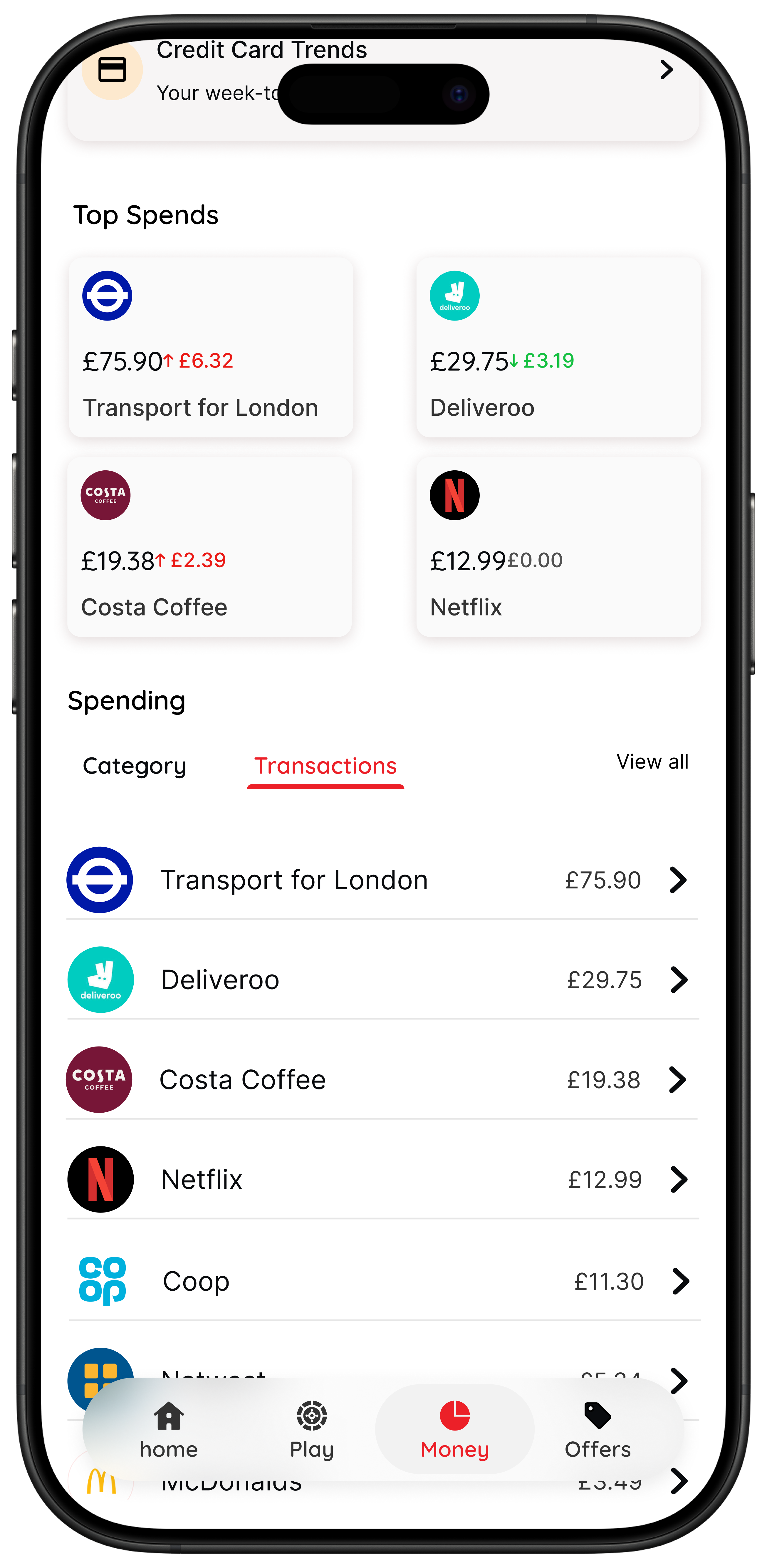
See prices in hours worked and create more space before you spend.