


Buyers Remorse Meaning: What the Feeling Really Is
Buyers remorse means the regret, doubt, or discomfort that can show up after you buy something. It often starts when the rush of spending fades and you look at the purchase more calmly, thinking about the money, the alternatives, or whether you would make the same choice again.

Quick Definition
Buyers remorse means regret after a purchase
In simple terms, buyers remorse is the uneasy feeling that appears after you spend money and begin questioning the choice. You might wonder whether you acted too fast, paid too much, or bought something that does not matter as much as it seemed to in the moment.
The feeling is common because shopping decisions are often emotional first and practical second. Once the emotion drops, your brain starts reviewing the trade-off more honestly.
What buyers remorse really means in everyday life
If you searched for buyers remorse meaning, you probably do not need a jargon-heavy definition. You want to know what the feeling actually is.
Most of the time, buyers remorse means there is a gap between how the purchase felt before you paid and how it feels once the urgency is gone. Before checkout, the item can feel exciting, comforting, or socially important. After checkout, the same purchase can feel heavy, unnecessary, or badly timed.
That is why buyers remorse often sounds like this in real life:
- I liked it when I bought it, but now I am not sure.
- I did not think about what else that money needed to do.
- I only bought it because it was on sale or everyone else was getting one.
- I wish I had waited until tomorrow.
So the simplest definition is this: buyers remorse is regret that shows up after the buying moment has passed.
Why buyers remorse happens so often
Regret after spending is not usually random. It tends to appear when the purchase happened under pressure, emotion, or speed.
The Consumer Financial Protection Bureau has described present bias in financial decisions as the tendency to place more weight on immediate rewards than on later outcomes. That helps explain why a purchase can feel worth it in the moment and less worth it later, once the short-term reward has faded.
In other words, buyers remorse often happens because your brain solved the now problem first. It wanted relief, excitement, convenience, or certainty. Only later did it return to the longer-term question of whether the purchase was actually right for you.
If this pattern sounds familiar, you may also find Buyer’s Remorse: What It Is and How to Stop It, How to Stop Impulse Buying Without Feeling Deprived, and Psychological Reasons for Overspending useful next reads.

Common signs of buyers remorse
People experience buyers remorse in different ways, but the pattern is usually easy to spot. You may be dealing with it if you:
- keep checking the order confirmation and feeling a drop in your stomach
- start looking for reasons to justify the purchase after the fact
- compare the item to cheaper alternatives once you already own it
- feel irritated at yourself for acting quickly
- wish you had left the item in your basket for a day
- immediately think about returning it
That matters because buyers remorse is not just a feeling to explain. It is also a signal. It often points to a purchase that moved faster than your priorities did.
Small spends can trigger it too
Many people associate buyers remorse with big-ticket items, but it also shows up after smaller purchases that add up. Takeaways, sale clothes, app extras, beauty items, and social spends can all trigger regret if the buying decision was more emotional than intentional.
It does not mean you are bad with money
Feeling regret after buying something does not automatically mean you are reckless or undisciplined. Often it simply means the decision happened in the wrong state: tired, stressed, bored, pressured, or distracted.
What causes buyers remorse
The exact cause changes from person to person, but most regret after spending comes back to a small set of triggers.
| Cause | What it feels like | Why regret follows |
|---|---|---|
| Buying too fast | I just wanted to get it over with | You did not leave enough space to compare or think clearly |
| Emotional spending | I needed comfort or a lift | The feeling passed, but the cost stayed |
| Sales urgency | I did not want to miss out | Scarcity made the item feel more important than it really was |
| Social pressure | I wanted to fit in or keep up | The spend reflected the moment, not your own priorities |
| Abstract money | It only felt like a small amount | Card and app payments can hide the real trade-off |
Notice that all of these have one thing in common: they make the purchase feel urgent now and the trade-off feel distant later.
Examples of buyers remorse
Sometimes definitions become clearer when you can see them in context. Here are a few ordinary examples:
- Clothes: you buy something because it is half price, then realise you do not really like it enough to wear it.
- Tech: you upgrade your phone on impulse, then wonder whether your old one was good enough.
- Nights out: you agree to spend more than planned because everyone else is doing it, then regret it the next day.
- Home items: you buy something for a version of yourself you hope to become, rather than for how you actually live.
- Online shopping: you order late at night, then wake up feeling less convinced than you were at checkout.
The common thread is not the product. It is the shift in perspective after the emotional moment has passed.
Before-buying feelings vs after-buying feelings
One helpful way to understand buyers remorse is to compare the feeling before and after the purchase.
| Before buying | After buying |
|---|---|
| This will make me feel better | Why did I think I needed this |
| It is only a small spend | That money could have gone somewhere better |
| I should act now before it sells out | I wish I had waited |
| Everyone else has one | I bought it for them, not for me |
That shift is the heart of buyers remorse meaning. The purchase felt right in one state and wrong in another.

Can you return something in the UK because of buyers remorse
Sometimes yes, but not always.
For many online, mail-order, phone, and other distance purchases in the UK, there is usually a 14-day cancellation period. GOV.UK says customers can cancel many eligible distance orders up to 14 days after delivery, and if they cancel in time, they generally have another 14 days to return the item.
But that does not mean every purchase comes with an automatic cooling-off period. In-store purchases are different. If the item is not faulty and you simply changed your mind, your rights usually depend on the shop’s own returns policy.
That is worth knowing because buyers remorse often makes people assume a refund is guaranteed. Sometimes it is. Sometimes it is not. The safest move is still to reduce regret before paying.
For official guidance, see GOV.UK on online and distance selling and GOV.UK on returns and refunds.
What to do if you already feel buyers remorse
If you already regret a purchase, the goal is not to punish yourself. The goal is to turn the moment into useful information.
1. Check the return window first
Before you spiral, find out whether the purchase can be cancelled or returned. If it can, decide calmly whether returning it would genuinely solve the problem.
2. Name the trigger
Ask what pushed the purchase through. Was it boredom, stress, a sale, social pressure, late-night scrolling, or just wanting a quick yes? This matters more than replaying the mistake over and over.
3. Write one rule for next time
Turn the regret into a specific rule, such as:
- I do not buy from ads on the same day I see them.
- I wait until tomorrow for any unplanned non-essential spend.
- I check what the cost means in hours worked before I pay.
4. Do not overcorrect with shame
All-or-nothing rules often backfire. Buyers remorse is better handled with a calmer system than with guilt or punishment.
How to reduce buyers remorse before it starts
If buyers remorse means regret after spending, the most useful response is to make spending decisions slower and clearer before checkout.
- Pause the purchase. Leave the basket for ten minutes, an hour, or a full day depending on the spend.
- Make the price feel real. Translate the cost into hours worked or compare it to another priority.
- Save it instead of buying it. A wishlist or note keeps the option open without forcing the spend now.
- Ask what the purchase replaces. Every spend is also a non-spend.
- Decide in a calmer state. Shopping decisions made when you feel pressured or flat are much more likely to create regret.
For more practical guidance, see How Can I Stop Spending Money? A Calm, Practical Framework, How to Stop Impulse Buying Online, and Spending Habits App: Build Better Money Routines.
How 118M8 helps before buyers remorse kicks in
118M8 is built for the moment before regret, not just the reflection afterwards. The app is designed to help you spend with more intention, without guilt or lectures.
Spot It Clock It Choose It Pause It
A calmer way to slow the buying moment down
- Spot it: see spending patterns more clearly over time.
- Clock it with Wait: turn a price into hours worked so the trade-off feels real.
- Pause it with Sleep on it: create a 24-hour gap before deciding.
- Choose it with Number Generator: add a neutral decision moment when you feel stuck.
The idea is simple: if you can slow the purchase down, you are much less likely to end up with regret tomorrow.
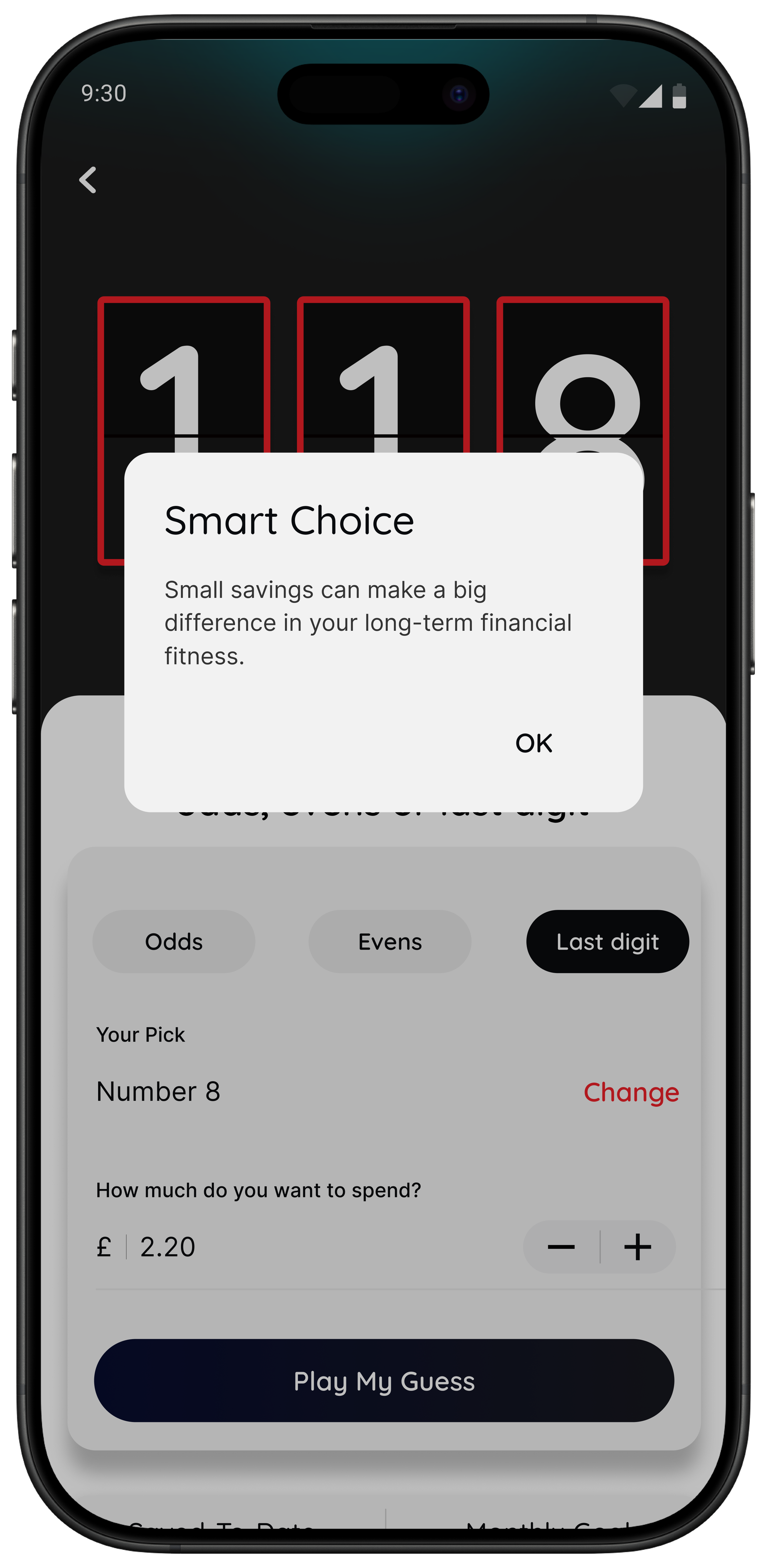
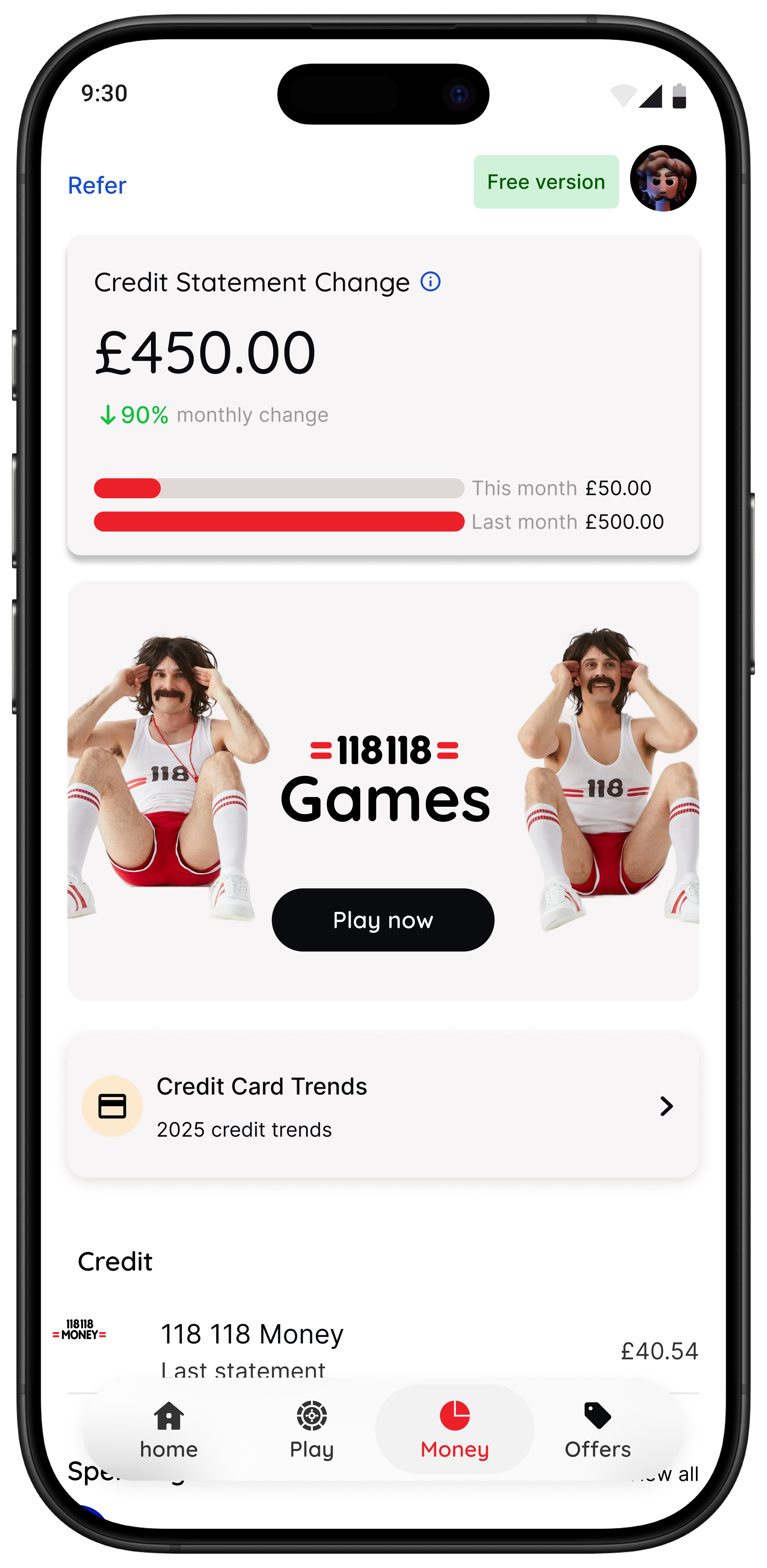
If you are choosing between strategies and tools, Impulse Buying App: What to Look For, App to Stop Unnecessary Spending, and Number Generator to Decide Whether to Buy go deeper.
The simple takeaway
Buyers remorse meaning is straightforward once you strip it down: it means regret after a purchase, usually because the buying moment moved faster than your priorities did.
That feeling is common, but it is also useful. It can teach you which situations need more friction, more time, and a calmer decision process. If you pause, make the price feel real, and decide when the urgency has dropped, you will usually feel more confident about your spending either way.
Frequently Asked Questions
What does buyers remorse mean?
Buyers remorse means regret or doubt after making a purchase. It usually shows up when the excitement of buying fades and you start thinking more clearly about the cost, the alternatives, or whether the item fits your priorities.
Is buyers remorse normal?
Yes. Buyers remorse is common, especially after impulse buys, expensive purchases, time-limited deals, and spending influenced by stress or social pressure.
What causes buyers remorse?
Common causes include buying too quickly, emotional spending, fear of missing out, social comparison, and frictionless checkout that makes money feel abstract in the moment.
Can you return something in the UK because of buyers remorse?
Sometimes. Many online and distance purchases in the UK have a 14-day cancellation period, but in-store purchases usually depend on the retailer’s own returns policy if the item is not faulty.
How can 118M8 help reduce buyers remorse?
118M8 helps before regret starts. You can use Wait to translate a price into hours worked, Sleep on it to create a 24-hour pause, and Number Generator when you need a neutral moment before deciding.
Stock images via Unsplash.