


Impulsive Buying: Why It Happens and How to Stop
Impulsive buying can feel random when you are in it, but it usually follows a pattern. A fast trigger, an easy checkout, and a moment that feels urgent can turn into a purchase before your values have had time to catch up. The good news is that you do not need harsher self-talk to handle it better. You need a calmer way to slow the moment down, make the trade-off clearer, and choose with more intention.

Quick Definition
Impulsive buying is an unplanned purchase made because the urge feels strong now
It usually happens when a fast emotional cue meets an easy way to pay. The purchase can feel small, justified, or urgent in the moment, then much less clear once the feeling fades.
In plain terms, impulsive buying is what happens when speed beats reflection.
Why impulsive buying happens so easily
Impulsive buying is not usually about being careless. It is more often about how modern spending works. Cards, mobile wallets, one-tap checkout, discount prompts, and social feeds all make it easier to move from urge to purchase before you have fully weighed the trade-off.
The Consumer Financial Protection Bureau discusses present bias in financial decisions, which is the tendency to give extra weight to what feels good now compared with what helps later. That helps explain why an unplanned purchase can feel perfectly reasonable at checkout and unnecessary the next day.
If your spending pattern feels more emotional than random, read Psychological Reasons for Overspending. If most of your weak moments happen on your phone or laptop, How to Stop Impulse Buying Online goes deeper on digital triggers.

The most common impulsive buying triggers
1. Stress and overwhelm
Stress narrows your attention toward quick relief. A purchase can feel like action, comfort, or a reward when your brain is overloaded. The NHS notes that stress can affect behaviour as well as mood, which helps explain why people often look for the easiest short-term relief when they are stretched. See the NHS guide to stress signs and symptoms.
2. Boredom and novelty seeking
Sometimes the purchase is less about the item and more about wanting stimulation. Browsing sales, scrolling apps, and adding things to a basket can feel like a quick hit of novelty even if you do not need the thing itself.
3. Social pressure and comparison
Impulsive buying often gets stronger around other people. Group plans, trend culture, and social media can make spending feel normal, expected, or necessary to keep up.
4. Sales urgency
Countdown timers, low-stock messages, and “today only” wording are designed to reduce reflection time. The question quietly shifts from “Do I want this enough to pay for it?” to “What if I miss out?”
5. Frictionless checkout
Saved cards and one-click payment remove the pause that used to protect you. When payment feels abstract, it is easier to say yes before the real cost has landed.
Common Impulsive Buying Triggers and Better Responses
| Trigger | What it feels like | Better response |
|---|---|---|
| Stress | I need relief right now | Pause first and try a lower-cost comfort option before buying |
| Boredom | I want something new | Switch to a two-minute novelty break such as a walk or voice note to a friend |
| Social pressure | I do not want to feel left out | Use a short line like I will think about it and decide tomorrow |
| Sale urgency | I might miss a deal | Ask whether you wanted it before the sale appeared |
| Easy checkout | It is only one tap | Remove saved cards or make yourself type payment details |
Specific responses work better than vague promises to be stricter next time.
Signs you are in an impulsive buying moment
You can often catch impulsive buying before it happens if you know what to look for. Common warning signs include:
- you are rushing because a deal feels temporary
- you keep saying “it is only” instead of looking at the full cost
- you want the feeling of deciding more than the item itself
- you are buying while stressed, tired, bored, or annoyed
- you would feel slightly uncomfortable explaining the purchase tomorrow
- you have not compared the spend against a bill, goal, or something else that matters more
When two or three of those signs show up together, the smartest next move is usually a pause, not a purchase.

What actually helps with impulsive buying
1. Identify the job the purchase is trying to do
Ask yourself one question: What is this purchase meant to change for me right now? Relief, excitement, belonging, convenience, or ending uncertainty? Once you know the job, it gets easier to decide whether spending is really the best tool for it.
2. Use a waiting rule that fits the size of the purchase
The 24-hour rule is useful, but it works even better when you make it flexible enough for real life.
Simple Waiting Rules for Impulsive Buying
| Situation | Pause to use | Why it helps |
|---|---|---|
| Small checkout urge | 10 minutes | Lets the emotional spike drop before you pay |
| Unplanned non-essential | 24 hours | Separates the urge from the decision |
| Expensive unplanned item | 7 days | Creates space for comparison and budget checks |
You are not banning the purchase. You are moving it out of the hottest part of the moment.
3. Make the price feel real
Money on a screen can feel abstract. Time feels more personal. If a purchase costs three hours of your work, that often lands differently than seeing a number in a basket. This is one of the clearest ways to cut through impulsive buying because it reconnects the spend to effort.
4. Add checkout friction
Impulsive buying loves speed. Your counter-move is to slow the path down just enough for your brain to catch up. Remove saved payment methods, turn off one-click checkout where possible, sign out of shopping sites, and stop buying straight from ads.
5. Replace the basket with a spend-later list
A basket creates momentum. A list creates distance. Keep a simple note with the item, the price, and why you wanted it. Review it once a week. Most things lose urgency. The ones that stay on the list are much more likely to matter.
What usually does not work for long
The advice people often hear is to be stricter, stop all treats, or just have more self-control. That can work briefly, but it often fails because it does not deal with the trigger behind the purchase.
If stress is driving the spend, a harsh rule does not reduce stress. If boredom is the trigger, pure restriction does not add stimulation. If social pressure is the issue, a budget lecture does not help you in the middle of a group plan.
A calmer system is usually stronger than an all-or-nothing rule. That is why related guides like How to Stop Impulse Buying Without Feeling Deprived, Money Mindfulness App, and Spending Habits App focus on repeatable pause tools rather than punishment.
Impulsive buying is not always the same as compulsive buying
Most people make impulsive purchases sometimes. That does not automatically mean there is a disorder. But there is an important difference between common impulsive buying and spending that feels persistent, distressing, and out of control.
Clinical reviews of compulsive buying describe stronger patterns of distress, loss of control, and negative consequences. See the review Compulsive buying disorder: a review and update for a research overview.
If spending feels compulsive, is causing debt or significant stress, or seems closely tied to low mood, anxiety, or another underlying issue, it may help to seek extra support rather than relying on spending rules alone.
Can you return something if an impulsive buy turns into regret?
Sometimes, but not always. In the UK, many online and distance purchases come with a 14-day cancellation period. GOV.UK explains that customers must usually be told they can cancel up to 14 days after delivery for eligible distance sales, and once they cancel they usually have another 14 days to return the goods.
That does not mean every purchase has an automatic cooling-off period. In-store purchases usually depend on the retailer’s own returns policy if you simply change your mind. For current official guidance, see GOV.UK guidance on distance selling and GOV.UK guidance on returns and refunds.
The practical takeaway is simple: returns can help sometimes, but the best protection against impulsive buying regret is still a pause before payment.

How 118M8 helps with impulsive buying in real time
Most money advice works best after the fact. 118M8 is designed for the moment just before you spend, when the urge is strongest and a small pause can still change the outcome.
Spot It Clock It Choose It Pause It
A calmer way to interrupt the impulse
- Wait: turn the price into hours worked so the cost feels personal instead of abstract.
- Sleep on it: create a 24-hour pause instead of forcing an instant answer.
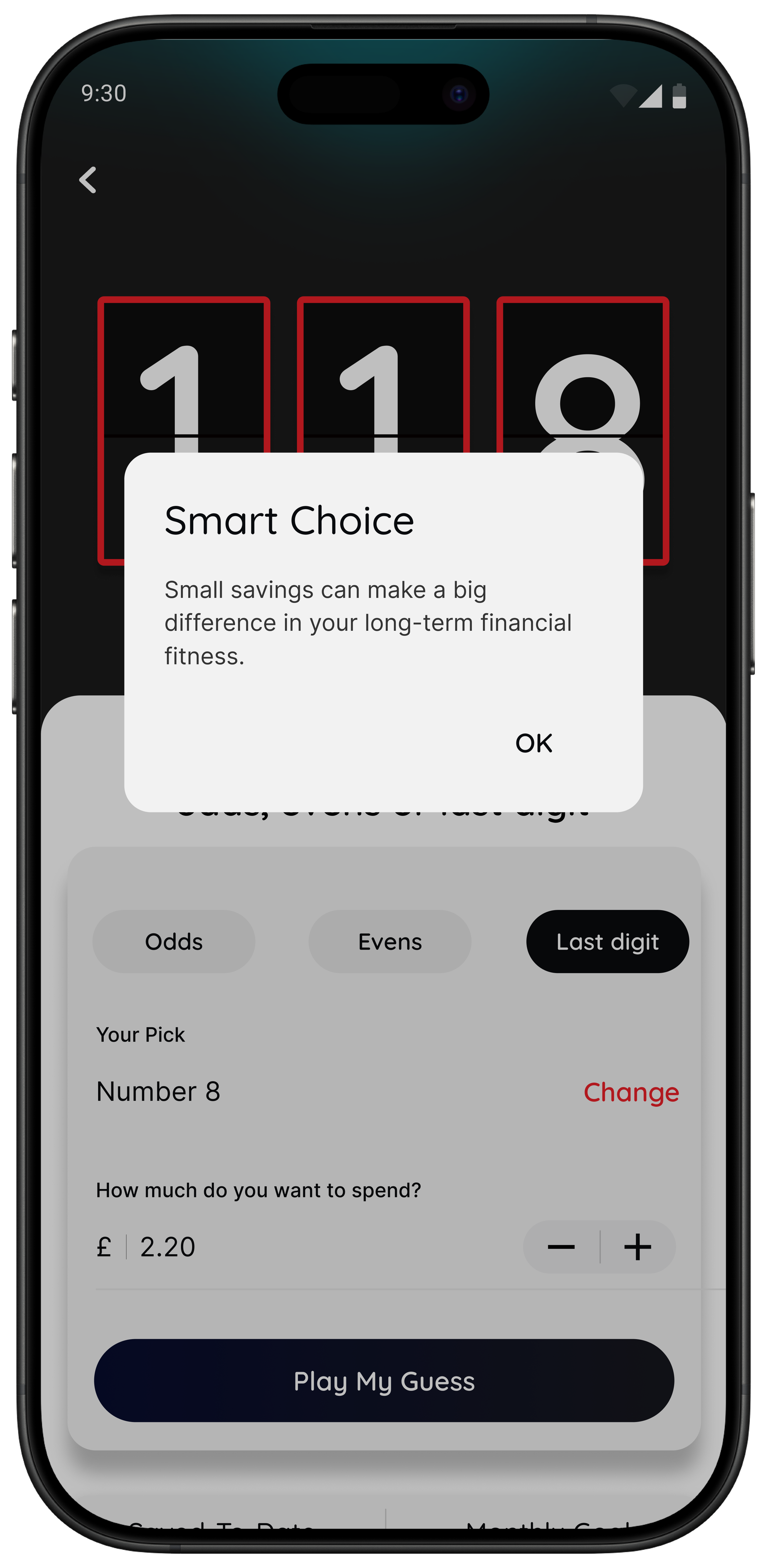
- Number Generator: use a neutral decision break when you are looping or overthinking.
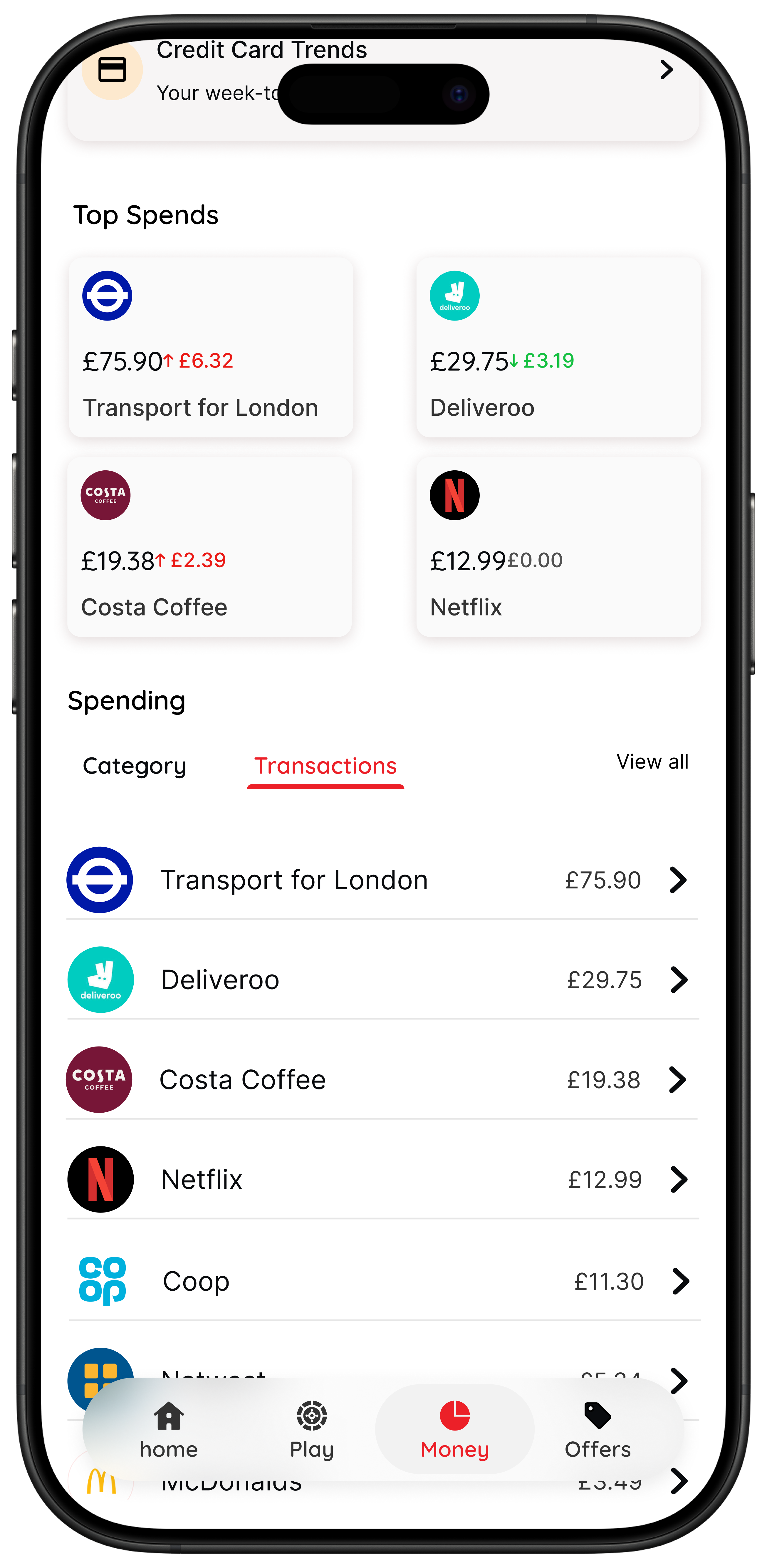
- Spot it: if you are an eligible 118 118 Money customer, see patterns and trends in your spending more clearly.
The aim is not to shame you for wanting something. It is to help you make a choice that still feels right tomorrow.
If you are comparing tools, you may also want to read Impulse Buying App, Best Apps to Stop Impulse Buying in the UK, and Number Generator to Decide Whether to Buy.
A simple plan for the next impulsive buying moment
- Pause for one minute before checkout.
- Name the trigger: stress, boredom, pressure, tiredness, or a sale.
- Check the real cost in hours worked, not just pounds.
- Decide whether this is a buy-now decision or a decide-later decision.
- Move it to a spend-later list if the moment feels noisy.
That is usually enough to turn impulsive buying into a more honest choice.
Frequently Asked Questions
What is impulsive buying?
Impulsive buying is an unplanned purchase made in response to an urge, cue, or emotional moment rather than a considered decision. It is usually driven by speed, convenience, stress, boredom, social pressure, or urgency cues such as sales and countdowns.
Why do people buy impulsively even when they know better?
People often buy impulsively because the reward feels immediate and the cost feels distant. Present bias, frictionless checkout, stress, decision fatigue, and social comparison can all make a purchase feel sensible in the moment even when it does not fit longer-term goals.
How do you stop impulsive buying without feeling deprived?
Start by slowing the buying moment down instead of banning all spending. Add checkout friction, use a waiting rule, translate the price into hours worked, and move tempting items to a spend-later list so you can decide again when the urge has cooled.
Is impulsive buying the same as compulsive buying disorder?
No. Impulsive buying is common and can happen to almost anyone. Compulsive buying disorder is more serious and is associated with distress, loss of control, and negative consequences. If spending feels compulsive or is causing significant harm, extra support may be needed.
How can 118M8 help with impulsive buying?
118M8 helps at the point of decision. You can use Wait to turn a price into hours worked, Sleep on it to create a 24-hour pause, and Number Generator to break an overthinking loop. If you are an eligible 118 118 Money customer, you can also spot spending patterns more clearly over time.
Stock images by rupixen, Vitaly Gariev, Campaign Creators, and Unsplash.