

Senior Railcard Cost: Is It Worth It?
If you are searching for senior railcard cost, you probably want one clear answer first: a Senior Railcard currently costs £35 for one year or £80 for three years. But the more useful question is whether that cost actually earns its place in your budget. For many UK travellers aged 60+, the card pays back quickly because it cuts a third off many rail fares and can also be added to Oyster for off-peak savings in London. The real value depends on how often you travel, what kind of journeys you make, and whether the discount changes your total enough to matter.

Quick Answer
Senior Railcard cost is low enough to pay back quickly for many travellers
The Senior Railcard cost is currently £35 for one year or £80 for three years. It is available to people aged 60 and over and gives 1/3 off many rail fares across Great Britain. For London travellers, it can also be added to Oyster for off-peak discounts. The card is often worth it if you expect a few longer trips, repeat leisure journeys, or regular off-peak London travel. It is weaker only if you rarely use the train.
- Check the current price so you know the real break-even point.
- Check how often you travel because even a few trips can repay the cost.
- Check London separately because Oyster linking adds extra value.
- Check 1-year versus 3-year if your travel pattern is stable.
- Pause before you buy if the discount is making extra trips feel automatic.
Searches for senior railcard cost often sound simple, but the useful answer has two parts. First, what does the card cost right now? Second, is that spend actually worth making for the way you travel?
For many people over 60, the Senior Railcard is one of the easier travel-saving decisions in the UK. The upfront cost is modest, the discount is broad, and the savings can show up quickly on longer journeys, day trips, and off-peak London travel. But it still helps to look at the full picture rather than assuming any discount is automatically a good buy.
This guide covers the practical questions that matter most: the current Senior Railcard cost, what you get for that price, whether the 3-year card is better value, how Oyster linking works, when the card usually pays for itself, and how to sense-check the final travel spend rather than stopping at the discount headline.
The calm rule
Key PointHow much does a Senior Railcard cost?
The Senior Railcard cost is currently £35 for one year or £80 for three years. Railcard’s official Senior Railcard page lists both prices, and National Rail’s Railcards page matches them. That means the 3-year version saves £25 compared with buying three separate 1-year cards. Railcard’s official Senior Railcard page and National Rail’s Railcards guide are the best places to verify the current price.
That price point is part of why the card is so popular. You do not need a huge amount of travel for it to start earning back its cost. A few decent-value leisure trips, a couple of longer returns, or repeated off-peak London journeys can do much of the work.
If you have been comparing other Railcards, you may notice the structure is similar to the options in 26-30 Railcard: Is It Worth It for You? and Family Railcard: Is It Worth It for UK Trips?. The difference is that the Senior Railcard tends to suit a very broad set of leisure and off-peak travel patterns.

Who can get a Senior Railcard?
The Senior Railcard is for people aged 60 and over. Railcard states this clearly on its official page. That simple eligibility rule is one reason the card is easy to understand compared with more restricted products. Railcard’s Senior Railcard page is the clearest source for that age rule.
For many readers, the better question is not “Do I qualify?” but “Will I use it enough?” Eligibility is broad. Value depends on your actual journeys.
If you mostly travel a few times a year for leisure, the card can still be worth it. If you take trains more regularly for visiting family, weekends away, or London days out, it often becomes even easier to justify.
What discount do you get for the Senior Railcard cost?
For that £35 or £80 outlay, the Senior Railcard gives 1/3 off many Standard and First Class Anytime, Off-Peak and Advance fares throughout Great Britain. Railcard says there is no limit to the number of times you can use it. Railcard’s official benefits page is the main source here.
That breadth matters. The card is not limited to one narrow fare type. It can help across a wide mix of journeys, which is why the savings can build faster than many people expect.
It also helps explain why people searching for “senior railcard cost” are usually really asking a value question. The sticker price matters, but what matters more is how quickly a one-third discount changes the amount leaving your account.
What the Senior Railcard Cost Gets You
| Part of the trip | Without the card | With the Senior Railcard |
|---|---|---|
| Standard Anytime fares | full fare | 1/3 off many eligible fares |
| Off-Peak fares | full fare | 1/3 off many eligible fares |
| Advance fares | full booked fare | 1/3 off many eligible fares |
| First Class fares | full First Class fare | 1/3 off many eligible fares |
| London off-peak Oyster travel | standard off-peak Oyster fare | 1/3 off once linked to Oyster |
The card tends to work best when the discount shows up across several ordinary trips rather than one special journey.
Is the 3-year Senior Railcard worth it?
The 3-year Senior Railcard costs £80, which is cheaper than paying £35 three times. That means it saves £25 compared with renewing annually. If you expect to keep travelling by train over the next few years, the 3-year option can be the smarter buy. Railcard’s pricing page makes that comparison explicit.
The 1-year version is usually better if your travel pattern feels uncertain or you simply prefer a smaller upfront spend. The 3-year version is usually stronger if your routine is already clear and train travel is a regular part of your leisure life.
This is a useful place to apply the same discipline we talk about in Railcard Discount Code: What Actually Saves You More. A bigger nominal saving is only better if it matches how you are genuinely likely to behave.
Can you add a Senior Railcard to Oyster?
Yes. This is one of the biggest reasons the Senior Railcard can be more valuable than it first appears for London travellers. TfL says the Senior Railcard can be added to your Oyster card to get 1/3 discount on off-peak pay as you go travel and to buy discounted Off-Peak Day Travelcards on Tube, DLR, London Overground, Elizabeth line and National Rail services in London. TfL’s National Railcard discount page confirms this.
That means the card can do two jobs at once:
- save 1/3 on many National Rail journeys
- save 1/3 on eligible off-peak Oyster travel in London
The important catch is that this is an Oyster benefit, not a general contactless one. If you usually tap in with a bank card or phone, you will not automatically get the Railcard discount. You need the discount loaded onto an Oyster card.
If London travel is a regular part of your routine, that extra step can make the Senior Railcard cost far easier to justify.
A better London question
Key PointWhen does the Senior Railcard pay for itself?
The break-even point is simple. A 1-year Senior Railcard pays for itself once your total savings go past £35. A 3-year card pays for itself once your savings go past £80.
Roughly speaking:
- if you save £5 a trip, the 1-year card pays back in about 7 trips
- if you save £8 a trip, it pays back in about 5 trips
- if you save £12 a trip, it pays back in about 3 trips
Those are not promises. They are just a practical way to see how low the payback bar can be. For many readers, one or two longer returns plus some smaller journeys can already cover much of the annual cost.
The better way to judge this is not to imagine a perfect future year. It is to look at the trips you are actually likely to take in the next few months. If those already get close to repaying the card, the purchase is probably doing real work.

What to check before paying the Senior Railcard cost
Before you buy, run through this short checklist:
- Check your likely trips for the next few months. Use real journeys, not hopeful ones.
- Check whether you want the 1-year or 3-year card. Lower upfront cost and lower long-term cost are not the same thing.
- Check whether London Oyster linking applies. This can add a lot of value.
- Check the final spend, not just the saving. A discount still leaves money going out.
- Check whether the bargain feeling is nudging extra travel. A cheaper trip is still a choice.
If you are comparing other UK travel-saving routes, 16-17 Railcard: Is It Worth It in London? is useful for seeing how Oyster rules can differ by Railcard, while How to Stop Impulse Buying Without Feeling Deprived helps with the wider habit of slowing down before a discounted purchase.
Use an hours-worked check on the final fare
One easy trap with Railcards is focusing only on what you saved. If the card cuts a £30 fare down to £20, that is a real win. But it is still £20 leaving your account. That may absolutely be worth it, but it helps to feel the final number rather than stopping at the one-third headline.
Quick Check
What does this rail trip cost in hours?
Use the final amount you would actually pay after the Senior Railcard discount or Oyster saving.
This trip costs
0.0 hours
If you make a trip like this monthly
That’s 0.0 hours of take-home time per month.
A rail discount can still be the right call. Converting the final fare into hours can make the trade-off clearer.
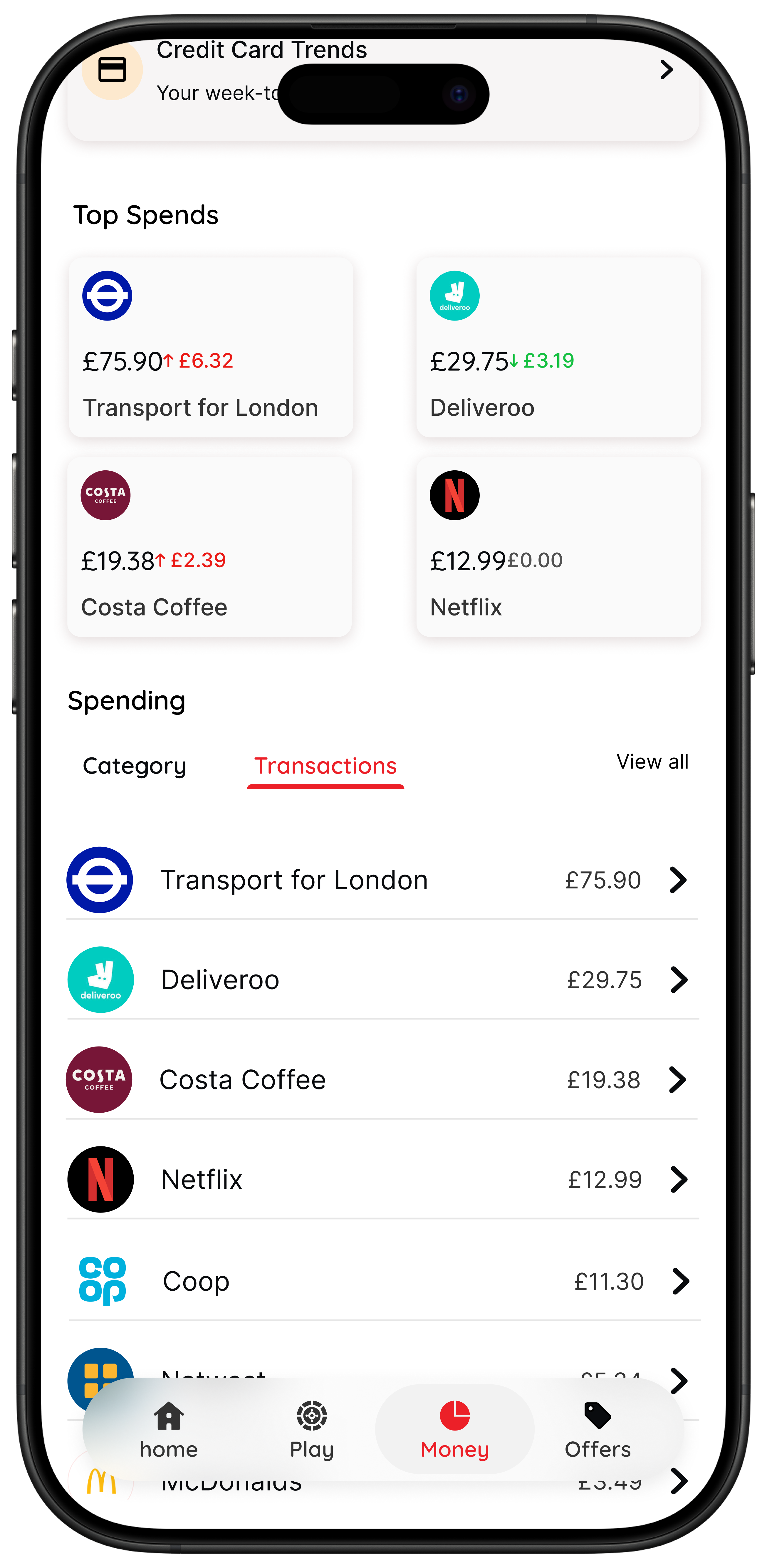
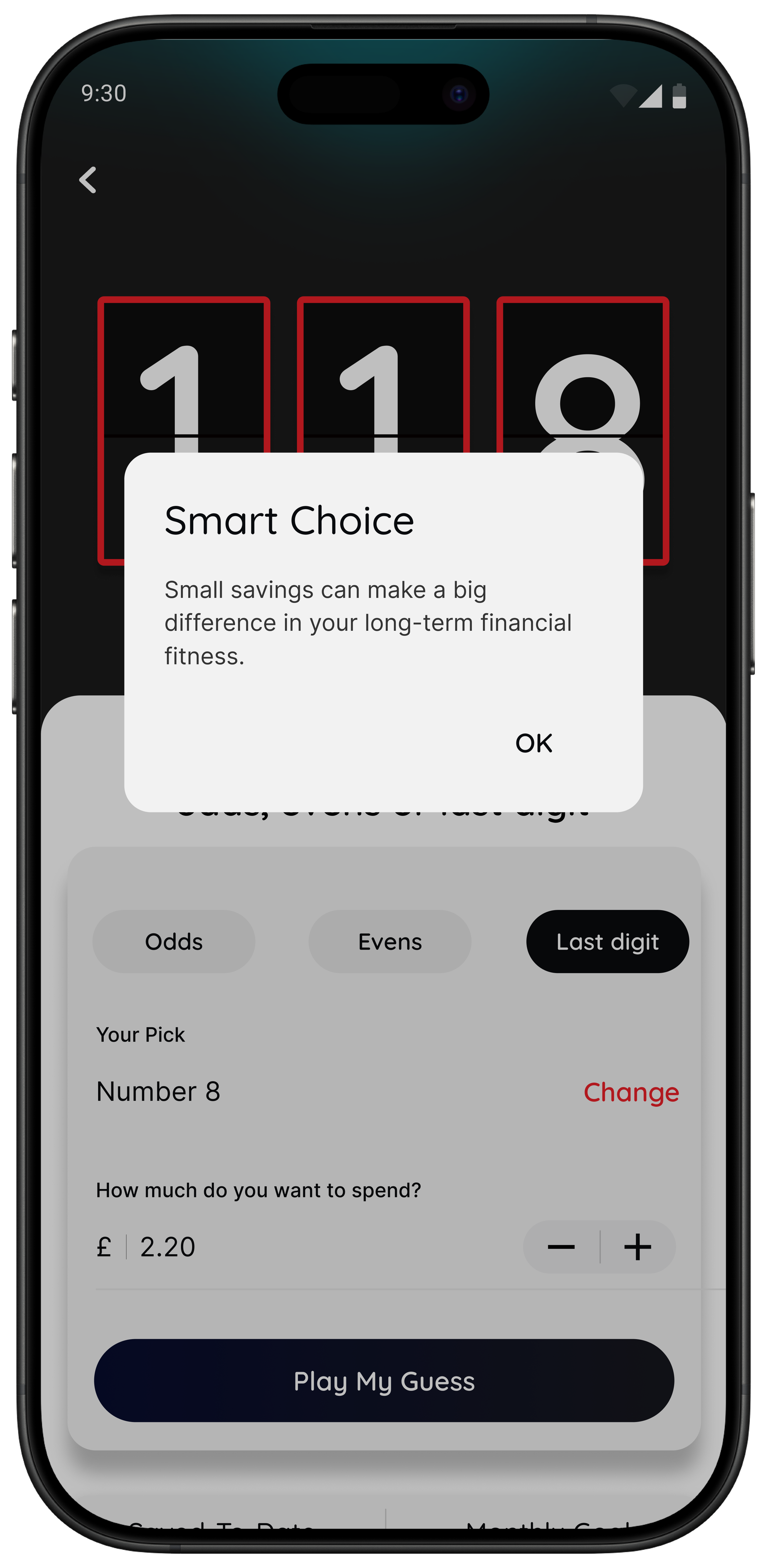
This is where 118M8 fits naturally. A lot of travel spending feels harmless in the moment because it is wrapped in routine, savings language, and the idea of a nice day out. Turning the final fare into hours worked helps you decide whether the trip still feels right once the discount label has done its emotional work.
How 118M8 helps with train and day-trip decisions
118M8 is not a booking app. It is your financial fitness mate for the moment just before you spend. That works especially well for rail travel because many bookings sit in the grey area between essential and optional.
- Spot it by noticing how often travel spending appears in your week or month.
- Clock it by turning the final fare into hours worked.
- Pause it if the trip is optional or the booking is not urgent.
- Choose it when you want a neutral nudge before you buy.
If you want help building that same pause habit in other areas of spending, Apps to Help Save Money: Best Picks by Mechanism and Number Generator to Decide Whether to Buy: A Calm Method are useful next reads.
About 118M8
A calmer way to sense-check everyday spending
118M8 helps you spend with intention, without guilt or lectures. If a Railcard, travel deal or day-trip fare starts to make a purchase feel like a no-brainer, 118M8 gives you practical tools to slow the moment down and check what the choice really costs.
That is useful for train spending because the smartest saving is not always the loudest one. Sometimes it is simply the journey that still feels right after you have checked the total and paused long enough to think.
Senior Railcard Cost FAQs
How much does a Senior Railcard cost?
A Senior Railcard currently costs £35 for one year or £80 for three years.
Who can get a Senior Railcard?
The Senior Railcard is for people aged 60 and over.
What discount does a Senior Railcard give?
A Senior Railcard gives one third off many Standard and First Class Anytime, Off-Peak and Advance fares across Great Britain.
Can you add a Senior Railcard to Oyster?
Yes. TfL says you can add a Senior Railcard to an Oyster card to get one third off off-peak pay as you go travel and discounted Off-Peak Day Travelcards in London.
Is the 3-year Senior Railcard worth it?
The 3-year Senior Railcard can be worth it if you expect to keep travelling regularly. At £80, it saves £25 compared with buying three separate one-year cards.
How can 118M8 help with train spending?
118M8 helps you sense-check travel spending before you book. You can turn the final fare into hours worked, pause optional trips, and decide whether the discount is changing the real maths or just making the spend feel easier.
Stock images by Jonas Denil and Frederic Köberl via Unsplash.