

Tax Code 0T Explained: What It Means for Your Pay
Seeing tax code 0T on your payslip can feel like a red flag. In plain English, it usually means no Personal Allowance is being applied to that income source. That can be correct in some situations, such as when your allowance has already been used up or your employer does not yet have the details needed to apply a full code. But if 0T lands on the wrong job, your take-home pay can drop more than you expect. This guide explains what tax code 0T means, when it is commonly used, when it may need checking, and how to sort it calmly.

Quick answer: what tax code 0T means
Key PointTax code 0T means no Personal Allowance is being applied to that job or pension.
HMRC says 0T is used when your Personal Allowance has been used up, or when you have started a new job and your employer does not yet have the details needed to give you a fuller tax code.
If the code appears as 0T M1, 0T W1, or 0T X, it is also being run on a non-cumulative emergency basis for that pay period.
If you searched for tax code 0T, you probably want one clear answer: is this code normal, and is it reducing my pay more than it should?
Sometimes 0T is exactly what payroll should be using. Sometimes it is a temporary holding position while HMRC and your employer catch up. And sometimes it is a code worth challenging.
HMRC says 0T means your Personal Allowance has been used up, or you have started a new job and your employer does not have the details needed to give you a tax code. That is the core idea. No Personal Allowance is being set against that income source, so tax starts straight away on all taxable pay from that job or pension.
This matters because a 0T code can change your take-home pay fast. If less reaches your bank account than you expected, it is worth checking calmly before assuming payroll made a random mistake.
What is tax code 0T?
The 0T tax code tells payroll to apply no Personal Allowance to that income source. HMRC’s employee guidance says 0T means tax is taken from all income and there is no Personal Allowance for that job or pension.
That does not always mean all the income is taxed at one flat rate. The exact deduction depends on how much taxable pay falls into the relevant tax bands for that pay period. In other words, 0T is different from BR, which usually taxes all income from that source at the basic rate only.
The key point is simpler than the payroll jargon:
- 1257L usually gives that income source a Personal Allowance
- 0T gives that income source no Personal Allowance
That is why 0T often makes a payslip feel harsher than expected.

When tax code 0T is usually used
HMRC’s guidance gives two main reasons:
- your Personal Allowance has been used up
- you have started a new job and your employer does not yet have enough details to work out the right code
HMRC’s employer guidance says the same thing in more payroll language: 0T is used when an employee has not given a P45 or enough details to work out their tax code, or when their Personal Allowance has been used up.
In real life, that can include situations like:
- you started a new job and payroll has incomplete starter information
- you have multiple jobs and your allowance is being used elsewhere
- your overall taxable income means there is no Personal Allowance left to allocate to that source
- your record is still being updated after a job change
So 0T is not automatically a sign of an error. But it is a sign that you should understand why no allowance is being applied there.
0T vs BR vs 1257L
People often confuse these codes because all three can reduce pay in different ways.
How Common Tax Codes Affect That Income Source
| Code | How tax is usually worked out | What it often means |
|---|---|---|
| 1257L | Personal Allowance is applied, then tax bands are used | Standard code for many people with one job or pension |
| BR | All income from that source taxed at the basic rate | Often used for a second job or pension |
| 0T | No Personal Allowance applied and tax is deducted at the relevant rates | Used when details are missing or allowance is used up |
The big difference with 0T is not just ‘more tax’. It is the absence of any Personal Allowance on that income source.
If you want a side-by-side feel for the standard code, our 1257L tax code guide explains how the normal allowance-based code works.
Does 0T mean emergency tax?
Not always.
On GOV.UK, HMRC lists M1, W1, and X as emergency markers. Those tell payroll to work out tax only on the current pay period rather than cumulatively across the tax year.
That means plain 0T and 0T M1 are not quite the same thing:
- 0T means no Personal Allowance on that source
- 0T M1, 0T W1, or 0T X means no Personal Allowance and the code is being operated on a non-cumulative emergency basis
HMRC’s employer guidance says W1 and M1 at the end of a code are emergency codes and tax is calculated only on what the employee is paid in the current pay period, not across the whole year.
So if you see 0T with an emergency marker, focus on the full code, not only the 0T part.

How tax code 0T affects your take-home pay
The practical effect of 0T is simple: none of that job’s pay is sheltered by a Personal Allowance. That usually means more Income Tax is deducted than many people expect, especially if they moved from a standard code like 1257L.
How much the impact feels depends on things like:
- your gross pay for that period
- whether the code is cumulative or non-cumulative
- whether this is your only job or one of several income sources
- whether your allowance is being used elsewhere
- which UK tax bands apply to you
HMRC’s payslip-check guidance says you should compare your gross pay, tax code, deductions, and net pay when checking whether the tax looks correct. That is important because 0T affects Income Tax, but your payslip may also include National Insurance, pension deductions, and student loan deductions at the same time.
If your net pay suddenly feels tighter, a tax-code check can be one of the fastest ways to explain why.
Signs your 0T tax code may need checking
You do not need payroll training to spot a code worth checking. Common prompts include:
- 0T appears on what is now your only job
- you recently changed jobs and did not hand over a P45
- you expected the standard code, but 0T is still there weeks later
- the code in your HMRC record does not match the code on your payslip
- your estimated income in HMRC’s service looks wrong or incomplete
- the wrong job seems to be missing the Personal Allowance
HMRC says the quickest first step is to compare the tax code on your payslip with the code shown in HMRC’s online service or app. If the codes differ, speak to your employer. If they match, the next question is whether HMRC’s record reflects your actual circumstances.
A calm way to sense-check 0T
Key PointAsk one question first: Should this job be getting any Personal Allowance right now?
If the answer is no, 0T may be fine. If the answer is yes, the code is worth checking with HMRC and payroll.
How to check if tax code 0T is correct
HMRC says the fastest way is to use the Check your Income Tax for the current year service or the HMRC app. In that service you can check your tax code, Personal Allowance, estimated income, and whether your code has changed.
A calm check looks like this:
- Look at your payslip. Note the full code, including any M1, W1, or X marker.
- Check HMRC’s record. Compare the code on your payslip with the code HMRC shows for that job or pension.
- Check your employment picture. Make sure HMRC has the right current jobs, pensions, and income estimates.
- Check whether a P45 was used. If you started recently without one, 0T may be temporary.
- Check the tax itself. HMRC says you can use the payslip guidance and estimate tool to sense-check whether the deduction looks right for the code shown.
HMRC also says you may pay too much or too little tax if your income details are not up to date. That is why updating the record matters just as much as reading the code.

What to do if you think your 0T tax code is wrong
HMRC’s guidance says that if your code is wrong, it is usually because HMRC has incorrect or missing information. It also says the quickest fix is to check and update your details online.
A simple plan is:
- Check what HMRC believes. Review your jobs, pensions, benefits, and estimated income.
- Update missing or incorrect details. HMRC specifically tells people to update anything wrong or missing in the current-year service.
- Provide or chase your P45 if relevant. HMRC says this can help update your details after leaving a previous job.
- Watch for the new code. HMRC says it will usually tell you and your employer the new code within 15 working days if a change is needed.
- Check later payslips. HMRC says if your payslip does not show the new code, you should speak to your employer to make sure they received it.
HMRC also says that if you have started a new job, you should wait 35 days for HMRC to receive your new income details before contacting them if you cannot use the online service. That helps explain why some 0T cases clear up after the first couple of payslips.
A simple 0T example
Imagine you leave one employer on Friday and start a new job on Monday, but payroll does not have your P45 yet. Your first payslip on the new job shows 0T M1.
That does not automatically mean anyone has made a mistake. It can simply mean the new employer is applying a temporary code while the right information works through the system.
Now imagine the code stays at 0T even after HMRC has the right job details and your only income source should be using a normal allowance-based code. That is when it becomes worth challenging.
The useful question is not “Is 0T bad?” It is “Why is 0T on this income source today?”
Why this matters for everyday money decisions
A tax code can sound like admin, but the result is real: it changes what reaches your bank account on payday.
If a 0T code reduces your take-home pay, even temporarily, it can change what feels safe to spend that week. That is exactly the kind of moment where a pause helps. Spot the change, check the reason, then decide what action to take.
That same steady pause matters beyond payroll too. It is the same habit behind our guides on how to stop impulse buying, how to stop spending money, apps to stop unnecessary spending, and building better spending habits.
How 118M8 helps when take-home pay feels uncertain
When a payslip lands lower than expected, the next spending decision can feel louder than it should. 118M8 is built for those moments when you want to slow down, sense-check the pressure, and make a calmer call with the money you actually have.
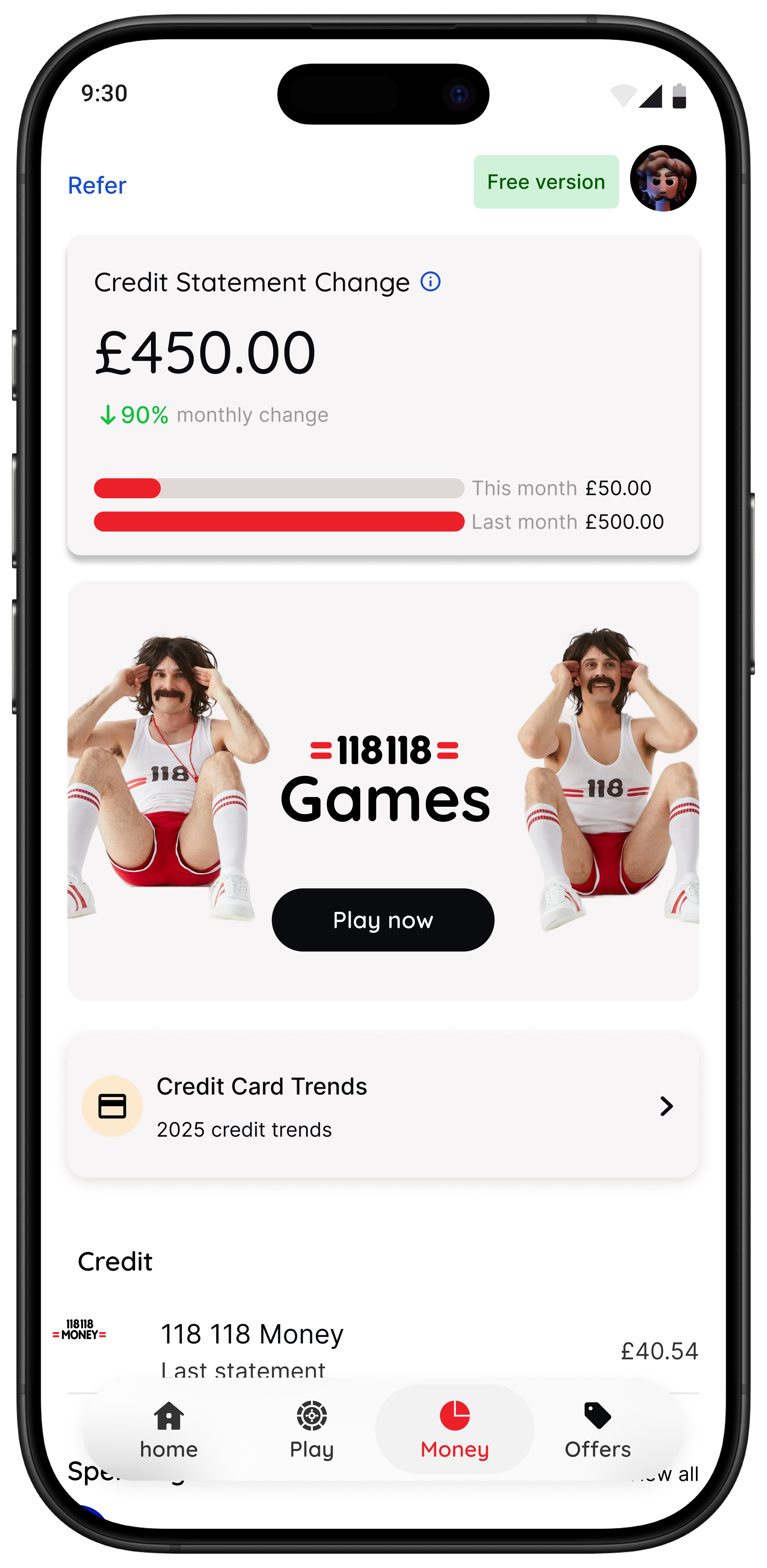
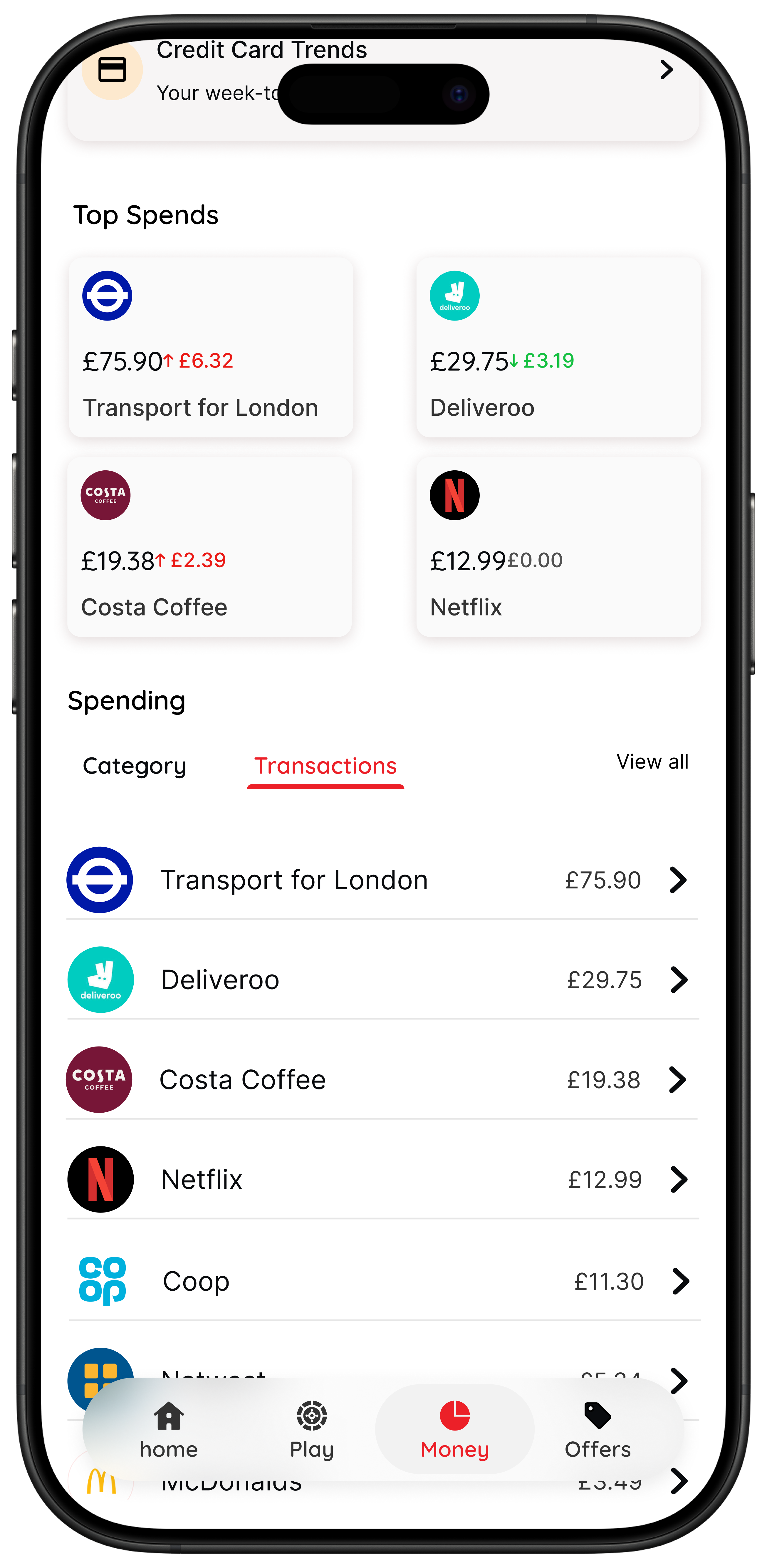
- Spot it by seeing where your money is going week to week
- Wait to turn a purchase into hours worked before you buy
- Sleep on it when the choice can wait 24 hours
- Number Generator when you want a neutral nudge instead of a pressure spend
That makes 118M8 useful not only for impulse buying, but also for everyday money moments when a tax-code change makes your budget feel tighter than expected.
Bottom line
Tax code 0T means no Personal Allowance is being applied to that job or pension. That can be correct if your allowance has been used up or if your employer is missing the details needed to apply a fuller code.
But 0T is only “normal” in context. If it appears on the wrong job, stays around longer than expected, or does not match HMRC’s record, it is worth checking.
If your payslip looks off, start with a calm three-step check:
- match the code on your payslip with HMRC’s record
- check whether this income source should be getting any Personal Allowance
- update HMRC or payroll if the code no longer fits your situation
That short pause can help you avoid both overpaying tax and overreacting to a payslip that is simply still updating.
Frequently Asked Questions
What does tax code 0T mean?
Tax code 0T means no Personal Allowance is being applied to that job or pension. Tax is taken from all income at the appropriate rates for that pay period.
Is 0T an emergency tax code?
0T is not exactly the same as a Month 1 or Week 1 emergency code, but it can appear when an employer does not yet have enough details to use a fuller tax code. If it has M1, W1, or X after it, it is being operated on an emergency non-cumulative basis.
Why would my employer use tax code 0T?
HMRC says employers may use 0T when they do not have a P45 or enough details to work out the right code, or when your Personal Allowance has been used up.
Can 0T make me overpay tax?
Yes. If 0T is used on the wrong job or stays in place after your details are updated, you may pay more tax than you should because no Personal Allowance is being applied there.
How do I check if tax code 0T is correct?
Compare the tax code on your payslip with the code shown in your HMRC Personal Tax Account or HMRC app, then check whether your current jobs, pensions, and estimated income match HMRC’s record.
What should I do if my 0T tax code is wrong?
Update HMRC with the correct details using the current-year Income Tax service and speak to your employer if the code on your payslip does not match the code HMRC has issued.
Stock images by Kelly Sikkema, Chanhee Lee, and Giorgio Tomassetti via Unsplash