


No Spend Challenge: Rules That Actually Work
A no spend challenge can reset your spending fast, but only if your rules fit real life. This guide explains how the challenge works, what to include, what to avoid, and how to stick with it without turning the month into misery.

Quick Start
A simple no spend challenge setup you can start this week
- Pick your timeframe: 7 days, 14 days, or 30 days.
- Write your essentials list: rent, bills, groceries, medication, transport, and anything else that is genuinely non-negotiable.
- Name your red-zone categories: takeaways, clothes, online shopping, coffee runs, in-app purchases, or nights out.
- Set one rule for social plans: free plans only, one planned spend per week, or suggest cheaper swaps.
- Use a pause tool before any unplanned purchase: ten minutes for small urges, 24 hours for bigger ones.
- Track the near-misses, not just the money you did not spend.
A no spend challenge works best when the rules are clear enough to follow and kind enough to finish.
What is a no spend challenge?
A no spend challenge is a defined period where you stop non-essential spending and only allow pre-approved essentials.
Most people do a no spend challenge for a week, two weeks, or a month. The point is not to prove you can live with zero joy. The point is to interrupt automatic spending and see what happens when you stop buying by default.
Done well, a no spend challenge helps you notice patterns fast: where your money leaks, when you buy out of boredom or stress, and which purchases actually improve your life.
Done badly, it turns into a vague promise to “be good” that falls apart the first time you are tired, hungry, or out with friends.

No spend challenge rules that actually work
The best no spend challenge rules are specific. If the rule lives only in your head, your brain will renegotiate it at checkout.
Start with two lists.
1. Allowed spending
- Rent or mortgage
- Utilities and phone bill
- Basic groceries
- Transport for work, school, or existing commitments
- Medication and health essentials
- Any bill already committed before the challenge started
2. Challenge spending freeze
- Takeaways and delivery
- Clothes and beauty buys
- Impulse Amazon or online shopping orders
- “Little treats” that add up
- Entertainment purchases you did not plan
- Random convenience spending
If you want a broader system for dealing with these moments, How Can I Stop Spending Money? A Calm, Practical Framework pairs well with a no spend challenge because it gives you something to do when the urge hits.
What can you buy during a no spend challenge?
This is the question that decides whether the challenge feels clean or chaotic.
A realistic challenge usually allows essentials, not conveniences. Groceries are in. A third takeaway because you are tired is usually out. Bus fare to work is in. Browsing for a “cheap little thing” because it has been a hard day is out.
A practical test
- Would I have bought this if I were not doing the challenge?
- Did I decide this before today?
- Is it essential, or just easier?
- If I wait 24 hours, does anything serious happen?
If you keep getting stuck on small purchases, the hours-worked framing in Impulse Buying App: What to Look For (and One Calm Pick) can help the decision feel more real.

How long should a no spend challenge last?
Long enough to teach you something. Short enough to finish.
- 7 days: best if you are new to this or your spending feels reactive right now.
- 14 days: good if one week feels too short to expose patterns.
- 30 days: useful if you want a bigger reset and your essentials are predictable.
Do not assume a month is automatically better. A seven-day challenge you complete gives you clearer data than a 30-day challenge you resent by day four.
If your main goal is to reduce checkout decisions rather than track every category, you may also like Money Mindfulness App: Calm, Practical Spend Habits, which focuses on the same pause-first behavior in a lighter routine.
Why no spend challenges fail
Most no spend challenges do not fail because the person is weak. They fail because the setup is fuzzy.
1. The rules are too vague
If “only essentials” is not defined, you end up re-arguing every purchase in real time.
2. The rules are too harsh
Trying to ban every coffee, every social event, every convenience, and every joy all at once is a good way to rebound hard.
3. You forget your actual triggers
If your weak spots are late-night scrolling, takeaways, and payday shopping, those are the moments to design for. Generic motivation will not help much at 10:47 p.m.
4. You do not plan for real life
Birthdays happen. School things come up. You get tired. A challenge should have a response for that before it happens.
5. You only track spending, not decisions
The win is not just “I spent less”. The win is “I paused, I noticed the urge, and I chose on purpose.”

A 7-step no spend challenge plan
Step 1: Choose your challenge lane
You do not have to freeze every category. A category-based challenge can work better than a full no spend month. For example: no takeaway spending, no clothes spending, or no random online shopping for two weeks.
Step 2: Write your essentials before day one
Use your banking app, receipts, or last month’s transactions to make this real. The Consumer Financial Protection Bureau recommends checking balances regularly and setting spending limits before shopping, not after the fact.
Reference: Consumer Financial Protection Bureau: Consumer tips for managing spending.
Step 3: Remove obvious friction killers
Delete shopping apps, remove saved cards, sign out of delivery accounts, and move retail apps off your home screen. If your challenge depends on willpower while one-tap checkout is still active, the setup is doing you no favors.
Step 4: Decide your pause rule
Ten minutes for small urges. Twenty-four hours for unplanned non-essentials. Seven days for larger wants.
Step 5: Plan one social script
Something simple works best: “I’m doing a reset this week, so I’m keeping spending light.” Offer an alternative straight away.
Step 6: Keep a spend-later list
You are much more likely to finish if the rule is “not now” instead of “never”.
Step 7: Review once a week
Ask: what nearly got me, what helped, and what needs changing? That review is where the challenge becomes a skill instead of a stunt.
Common no spend challenge categories and swaps
Takeaways and lunch spending
Usually this is an energy problem, not a food problem. Keep two low-effort meals at home and one easy packed lunch fallback. If takeaways are the leak, a tighter food plan works better than a vague promise to “cook more”.
For a calmer food-cost system, the related guide on Meal Prep is a helpful next step.
Online shopping
Use one rule: nothing gets bought straight from an ad. Save it, close the tab, decide tomorrow. This matters because speed is the engine of impulse spending.
If online checkout is your biggest trigger, How to Stop Impulse Buying Online gives you more checkout-specific tactics.
Subscriptions and trials
A no spend challenge is a good time to review recurring spending because these costs keep happening even when you think you are “being good”. Apple and Google both provide official subscription cancellation steps, and both note timing matters around renewals.
References: Apple Support: How to cancel a subscription and Google Play Help: Cancel, pause, or change a subscription.

What a no spend challenge is actually good for
A no spend challenge is not a full personal finance plan. It is a short intervention.
- It raises awareness fast. You see what you buy on autopilot.
- It creates space. Pausing for a week or month can stop habit momentum.
- It highlights trade-offs. You start noticing which spending supports your life and which spending just fills a moment.
- It can rebuild confidence. Finishing a defined challenge proves you can make calmer decisions than you thought.
It is less useful if you treat it like punishment. The best outcome is not “I spent nothing.” The best outcome is “I understand my spending better now.”
Helpful Support
How 118M8 can help you stick with a no spend challenge
A no spend challenge usually breaks in the moment, not in the plan. 118M8 is built for that exact moment. It gives you a pause before you spend, without guilt or lectures.
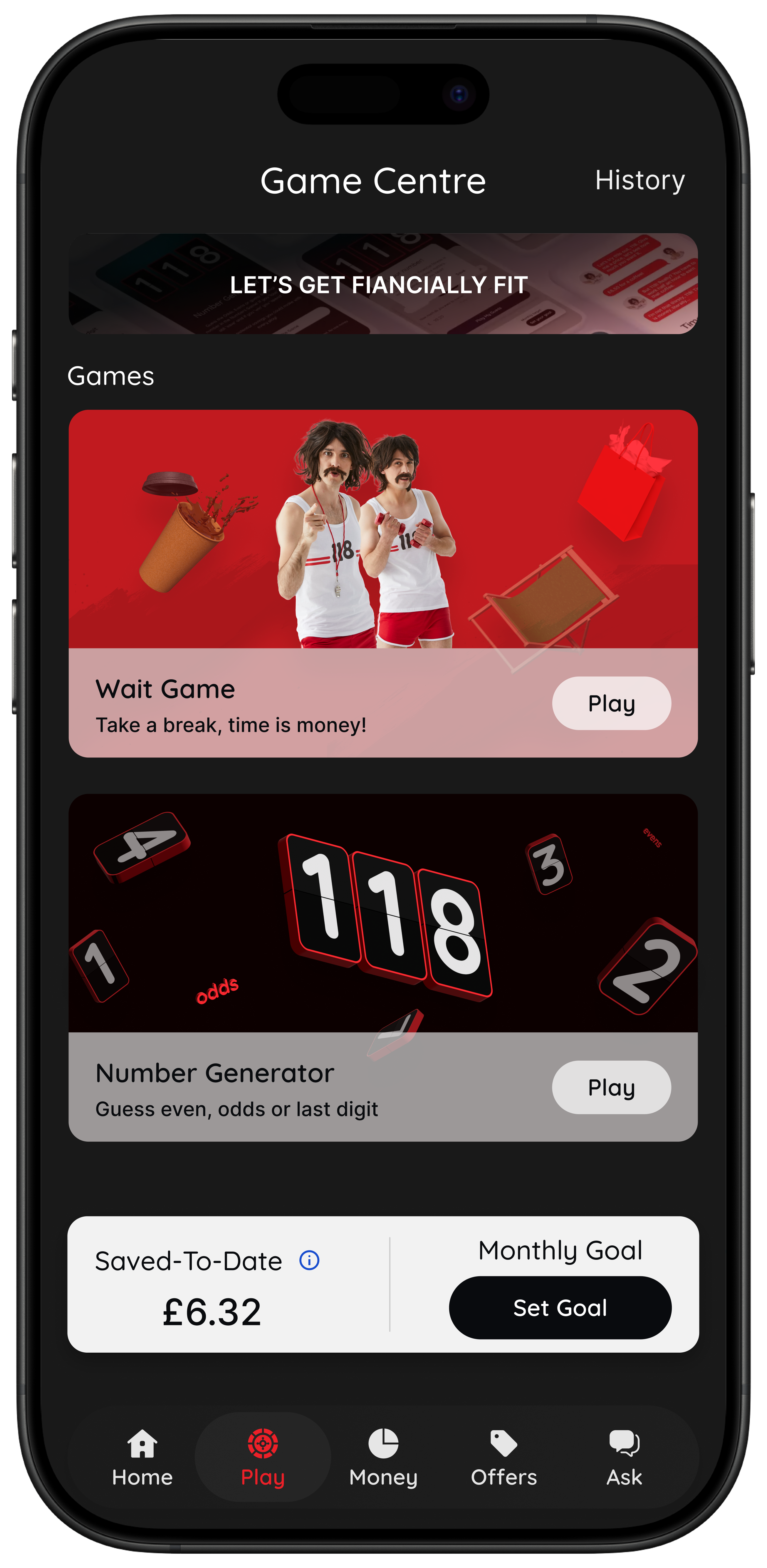
- Wait: turn a price into hours worked so the purchase feels real.
- Sleep on it: set a 24-hour reminder instead of buying on impulse.
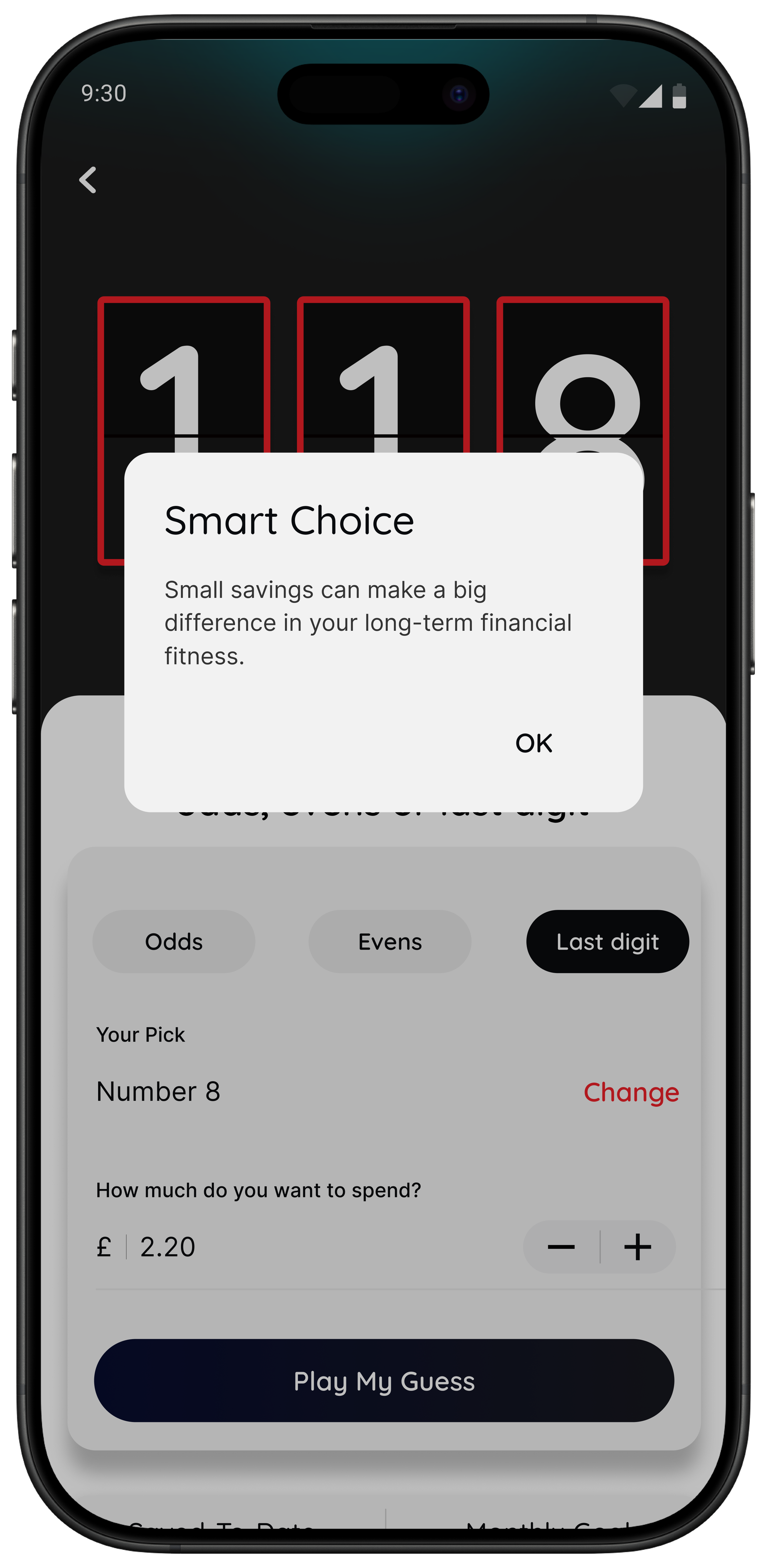
- Number Generator: use a neutral, playful interruption when you are stuck in urge mode.
- Spot it: for eligible 118 118 Money customers, review spending trends and categories over time.
This is where 118M8 fits naturally with a no spend challenge: it helps you notice, pause, and reconsider right before the challenge would normally slip.
A good no spend challenge feels clear, not extreme
If you remember one thing, make it this: the point of a no spend challenge is not to become a different person for 30 days. It is to build a better response to unplanned spending.
- Write your essentials.
- Freeze the categories that usually trip you up.
- Use a short pause before every unplanned purchase.
- Track the decisions that almost happened.
- Keep what works after the challenge ends.
If the challenge teaches you to spend with more intention, it worked.
Frequently Asked Questions
What is a no spend challenge?
A no spend challenge is a short period, often a week or a month, where you stop non-essential spending and only buy pre-approved essentials such as rent, bills, groceries, transport, and medicine. The goal is to reduce impulse spending, break habits, and get clearer about what you actually value.
What can you buy during a no spend challenge?
You can usually buy essentials you decided on before you started, such as rent or mortgage payments, utilities, basic groceries, transport to work, medication, and already-planned bills. The exact rules should be written down before day one so you are not renegotiating them in the moment.
How long should a no spend challenge last?
For most people, seven days is a strong starting point and a full month works well if your rules are realistic. Longer is not always better. A short challenge that you complete teaches more than an extreme one you quit after three days.
Why do no spend challenges fail?
They usually fail because the rules are vague, too restrictive, or based on guilt instead of planning. Common problems include forgetting irregular essentials, trying to ban every form of spending at once, and not having a plan for social events, takeaways, or online triggers.
How can 118M8 help with a no spend challenge?
118M8 helps in the exact moment a challenge usually slips. You can use Wait to convert a purchase into hours worked, Sleep on it to create a 24-hour pause, and the Number Generator to add a neutral moment of reflection before deciding. For eligible 118 118 Money customers, the app can also help you spot spending trends over time.
Stock images via Unsplash.