

Devon and Cornwall Railcard: Is It Worth It?
If you live in Devon or Cornwall, the Devon and Cornwall Railcard can look like one of the easiest savings on the rail network. The headline is strong: it costs £13 a year and gives one third off many standard class fares within the area. But the real question is not whether the discount sounds good. It is whether your journeys, timing and habits line up with the rules well enough for the card to earn its place.

Quick Answer
The Devon and Cornwall Railcard is often worth it if you live locally and travel off-peak
The Devon and Cornwall Railcard currently costs £13 a year and gives 1/3 off many standard class rail fares for journeys wholly within Devon and Cornwall, as long as the journey does not start before 08:45. Great Western Railway also says one accompanying adult can get 1/3 off, and up to four children aged 5 to 15 can travel for a flat £2 each on eligible tickets. Because the yearly cost is low, the card can pay for itself quickly. But it is only a strong fit if you live in Devon or Cornwall and actually make qualifying trips inside the area.
- Check residency and age before you buy.
- Check the area because the journey must stay within Devon and Cornwall.
- Check the time because journeys cannot start before 08:45.
- Check the real cash saving, not just the percentage.
- Pause before buying extra trips just because the fare looks smaller.
When people search for devon and cornwall railcard, they are usually trying to answer one of two questions. Either they want the practical facts fast: price, eligibility, area and restrictions. Or they want to know whether it genuinely saves enough to matter.
The good news is that this regional Railcard is easier to understand than many national ones. The price is low, the saving is clear, and the core rules are fairly simple. The catch is that it only works well for a certain travel pattern. If your journeys start too early, run outside the valid area, or happen only once in a blue moon, even a cheap Railcard can end up feeling less useful than it first seemed.
This guide walks through the current price, who can get the Devon and Cornwall Railcard, what it covers, the 08:45 start-time rule, child and companion savings, and how to decide calmly whether the card is earning its keep in your own budget.
The calm rule
Key PointWhat is the Devon and Cornwall Railcard?
The Devon and Cornwall Railcard is a regional Railcard rather than a national one. National Rail’s regional Railcards page explains that regional Railcards offer money off train fares within a specific area. Great Western Railway’s current regional Railcards page lists the Devon and Cornwall Railcard as a card for local residents aged 16 and over that gives 1/3 off eligible standard class rail travel within the two counties.
That local focus is what makes the card useful and limited at the same time. It is useful because the price is low and the area is relevant if you make regular local journeys. It is limited because it is not designed to be a general discount for rail travel across Britain. You are buying it for a defined patch of the network, not for every train you ever take.
For many residents, that is still more than enough. If your normal pattern includes trips such as Exeter to Plymouth, Truro to Penzance, Newton Abbot to Torquay, or leisure travel across Cornwall and Devon, a low-cost regional card can be one of the simplest ways to reduce what comes out of your account.
How much is the Devon and Cornwall Railcard?
According to Great Western Railway, the Devon and Cornwall Railcard costs £13 a year. That is the standout feature for most readers because it is far cheaper than the better-known national Railcards that usually cost £35 for one year.
At £13, the break-even point is low. You do not need a year of heavy travel to make the card pay back. A couple of decent off-peak returns can cover a big share of the cost. For some households, one family outing with the child fares included can do the job quickly.
That low entry price also changes the psychology of the purchase. With a more expensive Railcard, people often feel pressure to justify the spend with lots of future journeys. With this one, the calmer question is simpler: Will I save more than £13 on journeys I was probably taking anyway?
Who can get a Devon and Cornwall Railcard?
Great Western Railway says the card is for residents of Devon and Cornwall aged 16 or over. That means this is not a card for visitors looking for a quick holiday discount. It is aimed at people who live locally and travel locally.
This matters because search results can blur the difference between a rail product that visitors can buy and one that is meant for residents. If you are planning a one-off trip to Devon or Cornwall from elsewhere in the UK, this is probably not the right discount to build around. If you actually live in the region, it becomes much more interesting.
Regional eligibility is one reason the card can be such good value for the people it is designed for. It is a targeted product. You are not subsidising a broad national benefit you may barely use. You are paying a small yearly amount for savings on the network area you are most likely to travel in.
Devon and Cornwall Railcard at a Glance
| Question | Short answer | Why it matters |
|---|---|---|
| Price | £13 for one year | low break-even point |
| Who can get it | Residents of Devon and Cornwall aged 16+ | not aimed at visitors |
| Main discount | 1/3 off eligible standard class fares | strong saving on local trips |
| Time restriction | journeys must not start before 08:45 | weakens value for early commuters |
| Children | up to four children aged 5 to 15 from £2 each | useful for family travel |
| Companion adult | one accompanying adult gets 1/3 off | can lift the total value quickly |
Always check the latest official Railcard terms before you buy or travel.
What discount does the Devon and Cornwall Railcard give?
Great Western Railway says the card gives 1/3 off all standard class Anytime or Off-Peak tickets for journeys wholly within Devon and Cornwall, as long as those journeys do not start before 08:45. GWR also says the same one-third discount applies to Devon and Cornwall Day Ranger tickets.
That is a clean offer. Unlike some Railcards that come with a lot of separate route caveats or minimum fare complications, this one is easier to picture in practice. The main things to keep in mind are the area and the start time.
It is also useful that the card is not only about the named holder. GWR says one accompanying adult can get 1/3 off standard class train tickets as well, excluding the Ride Cornwall Ranger. That can make the card stronger for couples, friends or relatives who often travel together inside the region.
For families, GWR says you can take up to four children aged 5 to 15 for a flat fare of £2 each, or £4 each for a Ranger or Rover. That is often where the value becomes obvious fast, because a family rail day can get expensive even before you have bought lunch or done anything at the destination.

What area does the Devon and Cornwall Railcard cover?
The most important area rule is in GWR’s wording: the discount applies to journeys wholly within Devon and Cornwall. In plain English, that means both the start and end of the qualifying journey need to be inside the card’s valid area.
This is the point many readers need to slow down on. A Railcard can sound generous in the abstract, but the saving depends on the actual route. If you are travelling beyond the valid area, the Devon and Cornwall Railcard is not a catch-all discount for the whole trip. It is designed around local rail travel in the two counties.
National Rail also links to official regional Railcard information because these products have area-based rules that matter. So before you assume a fare will be discounted, it is worth checking whether the journey really stays within the permitted area rather than partly crossing beyond it.
If most of your rail life is local, that is fine. If your normal pattern involves longer intercity trips outside the region, this Railcard can still help on local segments, but it may not be the only or main saving tool you need.
What is the 08:45 rule?
This is the key timing restriction. Great Western Railway says the Devon and Cornwall Railcard discount applies to eligible journeys not starting before 08:45. That single rule often decides whether the card feels brilliant or only mildly useful.
If your travel is mainly off-peak leisure travel, late-morning appointments, afternoons out, weekend trips, or flexible local journeys, the 08:45 rule may barely affect you. If you often need early weekday trains, the card becomes less valuable because those journeys can fall outside the valid start time.
That is why this Railcard is not exactly a classic commuter product, even though some commuters may still benefit from it. It tends to suit people whose schedules have some flexibility, or people whose rail use is more social, family-based, or occasional rather than locked to an early daily start.
A useful way to think about it is this: the Devon and Cornwall Railcard is built to reward local off-peak travel habits, not to discount every possible train you might ever take.
A better question
Key PointIs the Devon and Cornwall Railcard worth it for families?
Often, yes. The family angle is one of the strongest reasons the Devon and Cornwall Railcard can pay back quickly. GWR says one accompanying adult gets 1/3 off and up to four children aged 5 to 15 can travel at a flat £2 each on eligible tickets, or £4 each on certain Ranger or Rover products.
That means the card is not only about solo savings. A single adult buying it can unlock lower costs for a wider group. For a household that occasionally uses rail for beach days, city days, family visits or school-holiday outings, the card can look much stronger than the £13 headline already suggests.
The key is still honesty about frequency. If you do one qualifying family rail outing and then forget the card exists for the rest of the year, it may still have paid for itself, which is great. But if the lower fare encourages lots of extra spending on trips you would not otherwise take, the budget story becomes less tidy. The saving is real, but so is the extra spend.
When the Devon and Cornwall Railcard Usually Works Best
| Travel pattern | How the card fits | Likely value |
|---|---|---|
| Off-peak local leisure travel | strong fit | often very good |
| Family day trips inside the area | very strong fit | can pay back quickly |
| Couples travelling together locally | strong fit | extra adult discount helps |
| Regular early weekday commuting | weaker fit | 08:45 rule limits value |
| Trips outside Devon and Cornwall | limited fit | area rules matter |
| Very occasional rail use | mixed fit | depends how big the few savings are |
The best savings come from fit, not just from the existence of a discount.
When does the Devon and Cornwall Railcard pay for itself?
Because the card costs only £13, it can pay for itself quickly. The simple rule is that once your total discounted savings go beyond £13, the card is in profit.
For example:
- if a trip saves you £4, you need a little over 3 similar trips
- if a trip saves you £6, you need just over 2 similar trips
- if a family outing saves you £10 or more, the payback can happen very fast
This is why the Devon and Cornwall Railcard can be worth it even for people who are not frequent rail users. The low annual cost means you do not need constant travel to justify it. But you still need some realistic qualifying travel. If you buy the card on the idea that you might start using trains more, be careful not to let a cheap discount become a reason to create unnecessary spend.
What should you check before buying one?
Before you buy the Devon and Cornwall Railcard, run through this short checklist:
- Check that you qualify. GWR says you need to be a resident of Devon or Cornwall and aged 16 or over.
- Check your common routes. Your qualifying journeys need to be wholly within Devon and Cornwall.
- Check your usual start times. The discount is for journeys not starting before 08:45.
- Check whether you travel with other people. The accompanying adult and child fares can make the card much more valuable.
- Check the next few months, not a fantasy year. If the likely journeys are already there, the card is doing real work.
- Check the final spend, not just the saving. A cheaper fare is still money leaving your account.
This is similar to the logic in 26-30 Railcard: Is It Worth It for You? and Family Railcard: Is It Worth It for UK Trips?. The best Railcard decisions come from matching the product to your actual journey pattern, not from assuming every discount is automatically a bargain.
Use an hours-worked check on the final fare
One easy trap with any Railcard is celebrating the percentage saving and ignoring the money you still spend. If a ticket drops from £18 to £12, the saving is useful. But £12 is still a real cost. A quick hours-worked check can make the trade-off feel more grounded.
Quick Check
What does this rail trip cost in hours?
Use the final amount you would actually pay after the Devon and Cornwall Railcard discount.
This trip costs
0.0 hours
If you make a trip like this every month
That’s 0.0 hours of take-home time per month.
A Railcard can lower the fare, but turning the final amount into hours can make the choice clearer.
This is where 118M8 fits naturally. Train savings are helpful, but a saving can still nudge you into spending more often than you meant to. Turning the final fare into hours worked helps you see whether the trip still feels worth it once the glow of the discount has worn off.
How 118M8 helps with train spending
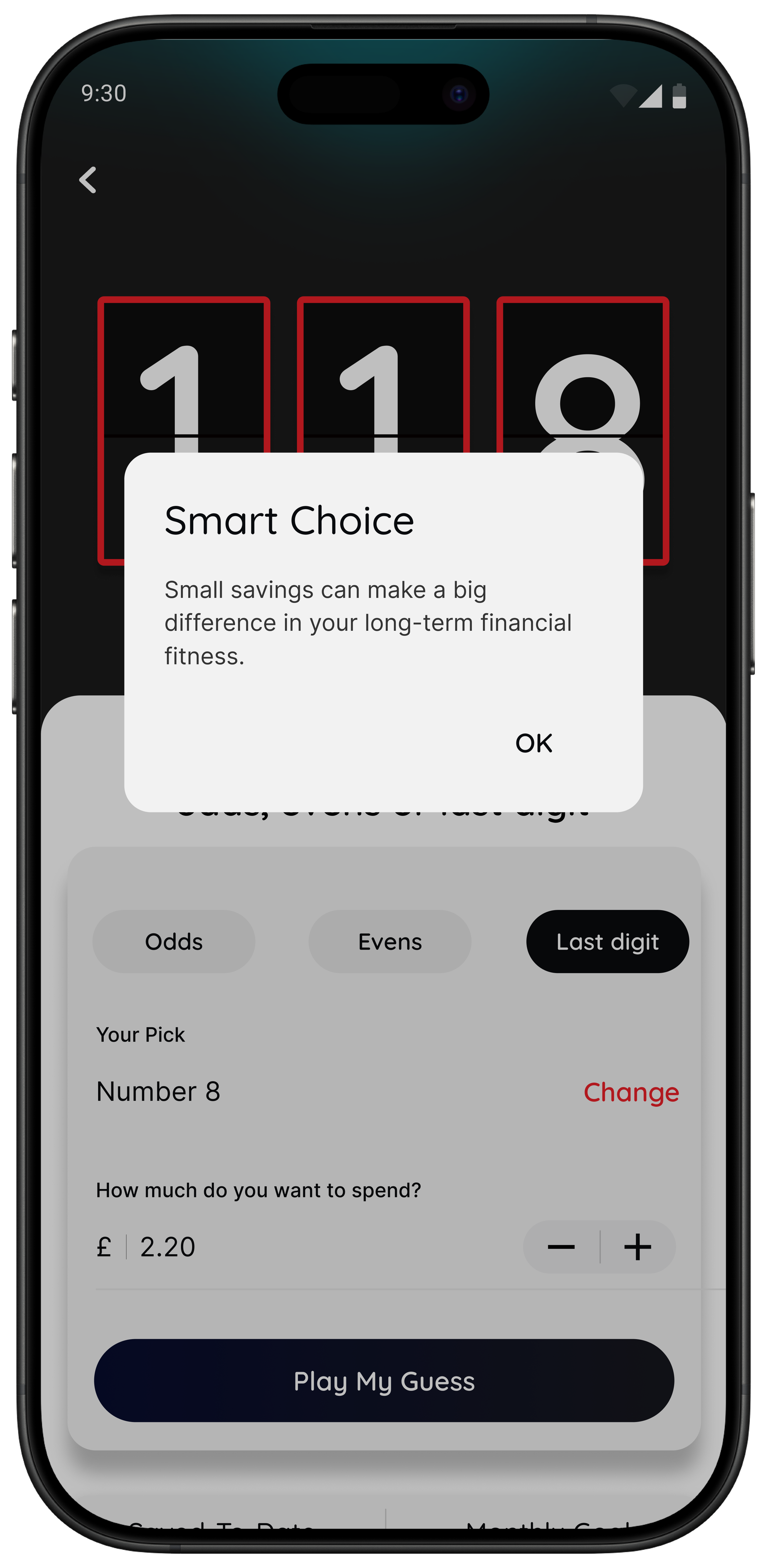
118M8 is not a booking app. It is a financial fitness mate for the moment just before you spend. That makes it useful for rail travel, because transport costs often feel practical and automatic even when there is still a decision to make.
- Spot it by noticing how often local rail spend appears in your week or month.
- Clock it by turning the final fare into hours worked.
- Pause it if the trip is optional and the discount is making it feel easier than it really is.
- Choose it when you want a neutral nudge before you book.
That is useful because the smartest saving is not always the biggest-looking percentage. Sometimes it is simply the journey choice that still feels right after you have checked the area, the timing and the total cost. If you are trying to build that habit across more than travel, How to Stop Impulse Buying Without Feeling Deprived, App to Stop Unnecessary Spending: Choose One That Works and Number Generator to Decide Whether to Buy: A Calm Method all use the same calm, practical approach.
About 118M8
A calmer way to sense-check everyday spending
118M8 helps you spend with intention, without guilt or lectures. If a cheap fare, travel discount or local day out starts to feel like an automatic yes, 118M8 gives you practical tools to slow the moment down and check what the choice really costs.
That is useful for train spending because even good discounts can lead to overconfident spending when you stop looking at the final number. 118M8 helps you bring the total back into view before you commit.
Devon and Cornwall Railcard FAQs
How much is the Devon and Cornwall Railcard?
The Devon and Cornwall Railcard currently costs £13 for one year according to Great Western Railway.
Who can get a Devon and Cornwall Railcard?
Great Western Railway says it is for residents of Devon and Cornwall aged 16 or over.
What discount does the Devon and Cornwall Railcard give?
GWR says the card gives one third off standard class Anytime or Off-Peak tickets for journeys wholly within Devon and Cornwall, as long as the journey does not start before 08:45. It also gives one third off Devon and Cornwall Day Ranger tickets.
Can someone travel with you on the Devon and Cornwall Railcard?
Yes. GWR says one accompanying adult can get one third off standard class train tickets, and up to four children aged 5 to 15 can travel at a flat fare of £2 each, or £4 each on certain Ranger or Rover products.
Is the Devon and Cornwall Railcard worth it?
It often is if you live locally and make even a few eligible off-peak trips each year. Because the card costs only £13, it can pay back quickly. But it is weaker if most of your journeys start before 08:45, fall outside the valid area, or happen so rarely that the discount barely gets used.
How can 118M8 help with train spending?
118M8 helps you sense-check travel spending before you book. You can turn the final fare into hours worked, pause optional trips, and decide whether a discount is changing the real maths or just making the spend feel easier.
Stock images by Winston Tjia and Hadyn Cutler via Unsplash.