

Why Has My Tax Code Changed? UK Reasons and Next Steps
A tax code change can feel random when your payslip lands and your take-home pay looks different. In reality, HMRC usually changes a code because your income or circumstances changed, or because its records did. That can be completely normal, but it is still worth checking. This guide explains the most common UK reasons a tax code changes, what each type of change can mean, and how to work out whether your new code is right without panicking.

Quick answer: why a tax code changes
Key PointHMRC usually changes your tax code because it thinks you need to pay a different amount of tax.
That often happens when your income or circumstances change, such as starting a new job, taking a second job, beginning a pension, getting taxable benefits, claiming Marriage Allowance, or having an underpayment collected through PAYE.
A change is often routine. The important question is whether the new code matches your real situation.
If you searched for why has my tax code changed, you probably want one calm answer: is this normal, and is it about to cost me money?
Sometimes a code change is exactly what should happen. Sometimes it is temporary while HMRC and payroll catch up. And sometimes it is the first sign that HMRC has incomplete or outdated information about your income.
HMRC says it changes your tax code if you need to pay a different amount of tax. On GOV.UK, the main examples include starting a new job, getting income from an additional job or pension, claiming Marriage Allowance, receiving taxable state benefits, having job benefits start or stop, paying the High Income Child Benefit Charge through PAYE, or owing tax from being on the wrong code earlier. If your employer does not know your previous pay details when you start work, you may also be put on an emergency code for a time.
That is why a code change is not automatically bad news. But it does deserve a quick check because even a small code change can shift what reaches your bank account on payday.
What your tax code actually does
Your tax code tells your employer or pension provider how much Income Tax to take from that specific source of pay under PAYE. It does not cover your whole financial life in one neat label. If you have more than one job or pension, each income source can have its own code.
In practical terms, the code helps payroll decide whether to give that income source a Personal Allowance, whether to apply a basic-rate-only code like BR, whether no allowance should be used there, or whether a special adjustment needs to be built in.
This is why a tax code change can have a visible effect on your payslip even if your salary itself has not changed.
If you want the basics first, our guides to 1257L, BR, and 0T break down three of the most common codes people see on UK payslips.

The most common reasons your tax code changed
HMRC’s own list is the best place to start because it explains the triggers it uses in current PAYE coding. The most common reasons include:
- you started a new job
- you started getting income from an additional job or pension
- you started or stopped getting taxable benefits from your job, such as a company car or private medical cover
- you began receiving taxable state benefits
- the interest on your savings went above your Personal Savings Allowance
- your State Pension amount changed
- you claimed Marriage Allowance
- you claimed work expenses that get tax relief
- HMRC is collecting tax underpaid in an earlier year through your code
- you are paying the High Income Child Benefit Charge through wages or pension
Seen that way, “why has my tax code changed?” usually boils down to one of two things: either your situation changed, or HMRC’s record of your situation changed.
Common Reasons a UK Tax Code Changes
| What changed | Why HMRC may change the code | What to check |
|---|---|---|
| New job | Payroll may need a temporary or updated code while records catch up | Check whether your employer had your P45 or correct starter details |
| Second job or pension | HMRC may move your Personal Allowance to a different income source | Check which job should use the allowance |
| Taxable benefits | Benefits can reduce the allowance in your code | Check if a company car, medical cover, or other benefit started or stopped |
| Marriage Allowance or tax relief | HMRC adjusts the code to reflect the claim | Check the claim is active and applied to the right person |
| Underpaid tax from an earlier year | HMRC can collect it gradually through PAYE | Check the coding notice to see the amount being collected |
| Wrong or missing information | HMRC may issue a code based on incomplete records | Check your jobs, pensions, and estimated income in your Personal Tax Account |
A changed code is often administrative, but the right response is still to check the reason rather than ignore it.
A new job is one of the most common triggers
If you recently moved jobs, this is the first place to look.
HMRC says that when you start a job and your new employer does not know your previous income details, you may be put on an emergency tax code. In separate guidance about starting a new job, HMRC also says that if you did not have a P45 and did not complete the starter checklist correctly, you may be given a BR or 0T code.
That means your code may change simply because payroll is using temporary information while HMRC receives the right details from your old and new employers.
This is often why someone moves from a standard code like 1257L to something that looks harsher, at least for the first payslip or two. It can feel like a mistake even when it is just a records-timing issue.
The useful question is not only “did my code change?” It is “did my job situation change at the same time?”

A second job or pension can move your allowance
Another common reason a tax code changes is that you now have more than one taxed income source.
HMRC says BR is usually used if you have more than one job or pension. In other words, HMRC may keep your standard allowance on your main income source and move the other job or pension onto a different code.
This is why a code change can happen even if nothing feels dramatic in your day-to-day life. You may simply have taken on a side job, started drawing a pension, or had HMRC reallocate your allowance between sources.
If your code changed around the time you added a second income source, check whether the new code is attached to the right job. A code that feels wrong on one payslip may be perfectly normal on another.
Benefits, reliefs, and allowances can all change the code
Tax codes do not change only because of jobs. They also change when HMRC adjusts the tax-free amount or coding items linked to you.
HMRC says codes can change when:
- you start or stop receiving taxable job benefits
- you claim Marriage Allowance
- you claim employment expenses that get tax relief
- your State Pension amount changes
- savings interest exceeds your Personal Savings Allowance
These changes can be easy to miss because the life event may not feel connected to payroll. You might think of a company car, a tax-relief claim, or a pension update as a separate admin task, but HMRC may reflect it through the code that payroll uses every payday.
This is also why you can see a code change even if your salary from the job itself has not moved at all.
A calm way to read a code change
Key PointTry matching the timing of the tax code change to a real event.
Did you start a job, add a second income source, receive a benefit, claim Marriage Allowance, or get a notice from HMRC? Most tax code questions become much easier once you connect the code to the event that likely triggered it.
Sometimes HMRC is collecting tax you underpaid earlier
This is one of the least welcome reasons, but it is still common.
HMRC says it may change your code if you have been on the wrong tax code and owe tax. It can also code out certain charges, including the High Income Child Benefit Charge, through wages or pension.
In practice, that means HMRC may reduce the allowance in your code so more tax is taken through PAYE over time. The result is usually a lower take-home figure, not because your salary fell, but because HMRC is collecting an amount it believes is due.
If this is the reason, the key document is usually your coding notice. That should explain what HMRC has included and why.
If the adjustment looks unfamiliar, do not assume it is right just because it came from HMRC. Check the underlying figures and dates.
How a changed tax code can affect your take-home pay
A new code can affect your very next payslip. The result may be:
- less take-home pay if less allowance is being applied or extra tax is being collected
- more take-home pay if you gained allowance or a previous code was too harsh
- little visible change if the update is small or timed around other payroll differences
HMRC says you can check the tax on your payslip by looking at your tax code, gross pay, deductions and net pay together. That matters because the code affects Income Tax, but your payslip can also change because of National Insurance, pension contributions, student loan deductions, overtime, bonus pay, or salary-sacrifice arrangements.
So if the numbers feel off, do not focus only on the code. Read the full payslip.

How to find out exactly why your tax code changed
HMRC says that if your code changes, you can use the Check your Income Tax service to find out why. GOV.UK also says HMRC will usually contact you to explain how it worked out your tax code if the code changes.
A calm check looks like this:
- Look at the full code on your payslip. Include any suffixes or markers such as M1, W1, X, S, or C.
- Check HMRC’s online record. Compare the code on your payslip with what is shown in your Personal Tax Account or HMRC app.
- Read the reason behind the change. HMRC says the online service can show why the code changed.
- Check your income picture. Review current jobs, pensions, benefits, and income estimates.
- Check timing. Match the code change to any recent life or work change.
If the code on your payslip does not match HMRC’s record, that points to a payroll application issue. If it does match, the next question is whether HMRC’s data about you is correct.
Signs the new tax code might be wrong
A changed code is not automatically an error, but it is worth checking if:
- your take-home pay suddenly drops and you cannot match it to a real change
- HMRC still shows an old employer or pension as active
- you only have one job, but the code looks like a second-job code
- you expected a standard code, but emergency markers such as M1 or W1 keep appearing
- your benefits, income estimates, or allowances shown by HMRC look wrong
- the code on your payslip does not match the code HMRC says it issued
HMRC’s guidance is clear that tax codes are usually wrong because it has incorrect or missing information. That is why the fastest fix is often to correct the underlying record rather than simply asking “what does this code mean?”
When to Watch, and When to Act
| Situation | Likely response | Why |
|---|---|---|
| New job and first payslip looks odd | Watch and check | Temporary emergency or starter coding is common at first |
| HMRC record matches your real changes | Usually no urgent problem | The code may be correct even if it is unfamiliar |
| HMRC record shows wrong jobs or income | Act | The code may be based on bad information |
| Payslip code differs from HMRC code | Act | Payroll may not yet be using the right code |
| Code changed and take-home pay dropped sharply with no clear reason | Act | It is worth checking before the problem repeats across more payslips |
Most tax code problems become clearer once you separate a temporary update from a genuine mismatch.
What to do if you think the change is wrong
HMRC says the quickest route is to check and update your details using the online service. Its guidance on wrong tax codes says to review your employment, pension, estimated taxable income, company benefit and expenses details, then update anything wrong or missing.
A simple plan is:
- Check HMRC’s record first.
- Update wrong or missing details.
- Get your P45 from a previous employer if you left a job and did not receive one.
- Speak to payroll if the code on your payslip does not match HMRC’s code.
- Watch later payslips because corrections often flow through PAYE once the right code lands.
HMRC also says that if a code needs to change, it will usually tell you and your employer, and later payslips may correct earlier overpayments through pay. So the answer is often a short sequence of checks rather than a one-call panic fix.
A simple example
Imagine you had one main job on 1257L. Then you take a weekend job and your new payslip shows BR. Around the same time, your main job code changes slightly because HMRC has updated how your allowance is being used.
That can feel like something has gone wrong everywhere at once. In reality, it may simply mean HMRC has split your allowance between your income sources in a way that now fits your new setup.
Now imagine a different case. You left an old second job months ago, but HMRC still thinks it is active. Your remaining main job now shows a less favourable code and your pay is lower. That points to a record problem worth fixing.
The point is simple: a tax code change only makes sense in the context of your current income picture.
Why this matters for everyday money decisions
A tax code change can sound like back-office admin, but the effect is personal. If less money reaches your account than expected, even temporarily, it changes what feels safe to spend on food, travel, bills, subscriptions, and everything else that follows payday.
This is exactly where a short pause helps. Spot the change, check the reason, then decide what action to take. That is usually better than ignoring it or spiralling after one odd-looking payslip.
It is the same steady habit behind our guides on how to stop spending money, how to stop impulse buying, apps to stop unnecessary spending, and spending habits apps.
How 118M8 helps when payday feels less certain
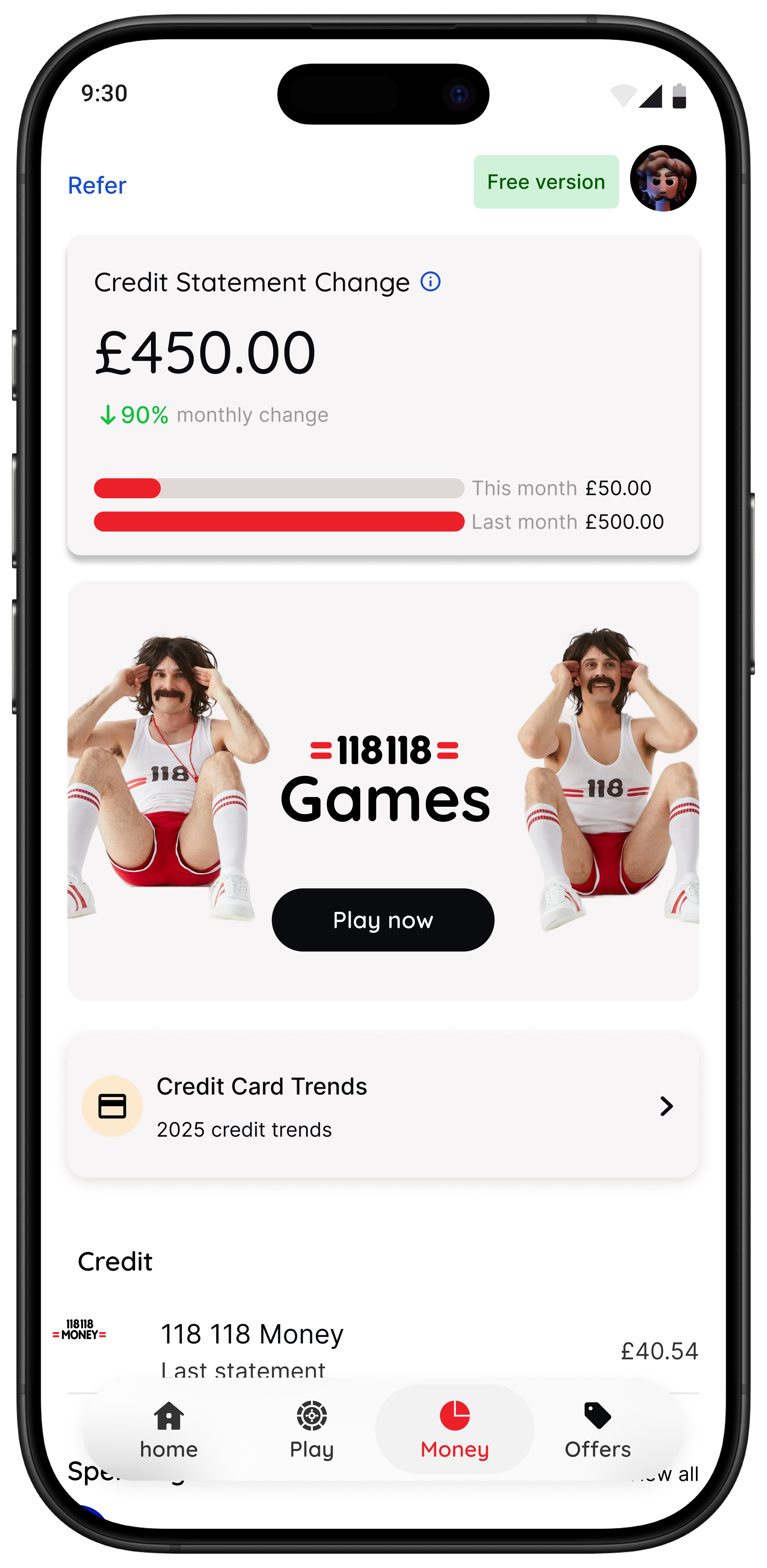
A tax code change can leave you second-guessing what is safe to spend. 118M8 is designed for those everyday moments when you want to slow the decision down and make a calmer call with the money that actually landed.
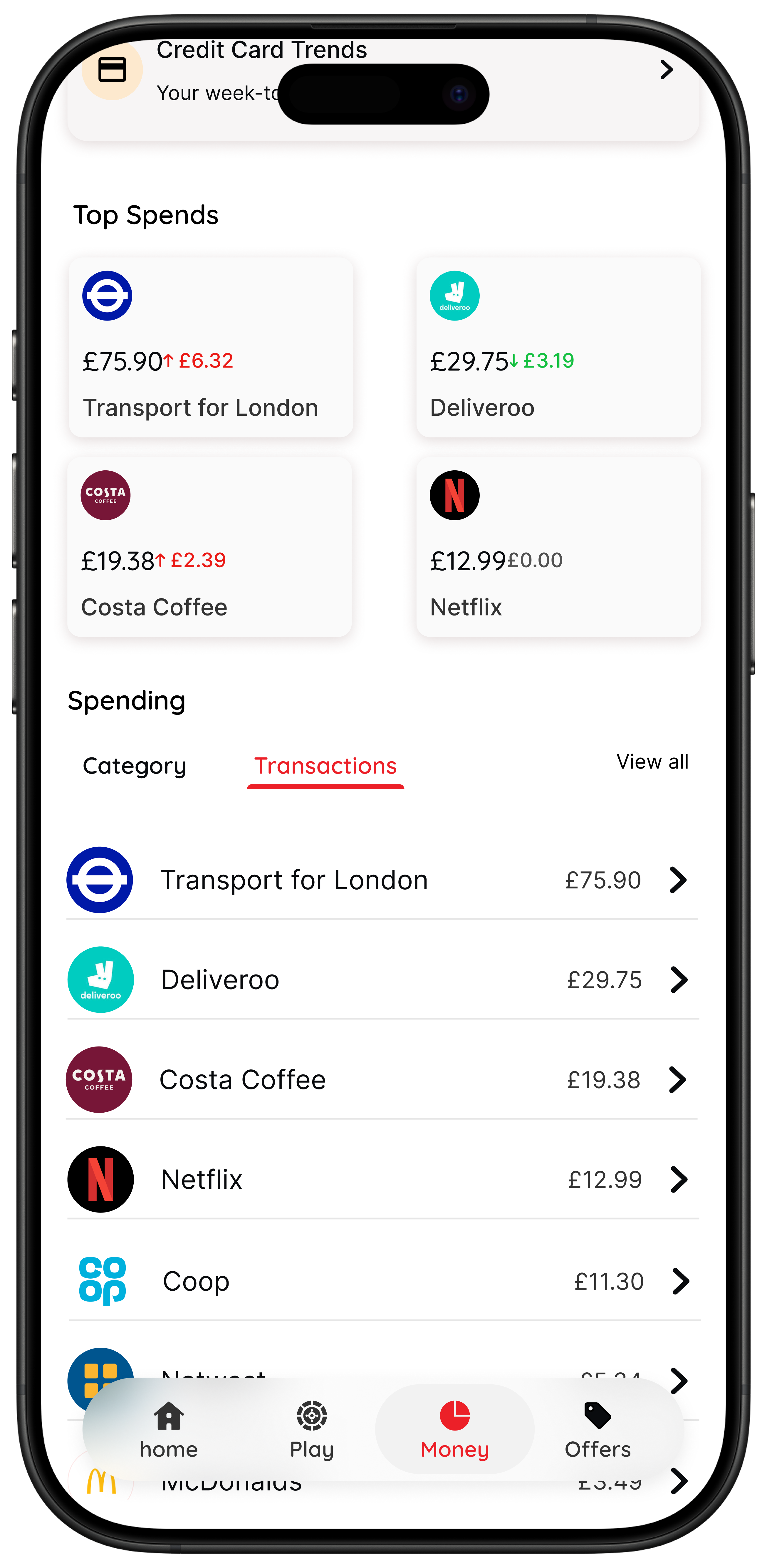
- Spot it by seeing where your money is going week to week
- Wait to turn a purchase into hours worked before you buy
- Sleep on it when the choice can wait 24 hours
- Number Generator when you want a neutral nudge instead of a pressure spend
That makes 118M8 useful not only for impulse buying, but also for those awkward money moments when your take-home pay shifts and you want to stay steady.
Bottom line
Your tax code usually changes because HMRC thinks something about your income or tax position has changed. That may be a new job, a second income source, a benefit, a claim, an underpayment, or simply updated information reaching HMRC.
The change is often routine. What matters is whether the new code fits your actual situation today.
If your code changes, start with a calm three-step check:
- match the code on your payslip with HMRC’s record
- match the timing of the change to a real change in work or income
- update HMRC or speak to payroll if the new code no longer fits
That short pause can help you avoid both overpaying tax and overreacting to a payslip that is simply catching up.
Frequently Asked Questions
Why has HMRC changed my tax code?
HMRC usually changes your tax code because your income or circumstances changed, or because it updated the information it holds. Common reasons include starting a new job, taking a second job, beginning a pension, receiving taxable benefits, claiming Marriage Allowance, or having tax underpaid in an earlier year collected through PAYE.
Does a tax code change mean I have done something wrong?
No. A tax code change is often a routine update rather than a sign of a problem. The key question is whether the new code matches your actual circumstances and the right income source.
Can a tax code change affect my take-home pay straight away?
Yes. A new tax code can change how much Income Tax is taken from your next payslip, so your take-home pay may rise or fall immediately depending on the code and how payroll applies it.
How do I find out why my tax code changed?
HMRC says you can use the Check your Income Tax service in your Personal Tax Account or the HMRC app to see your current code and why it changed. HMRC also often sends a coding notice explaining the update.
What should I do if I think my new tax code is wrong?
Check the code on your payslip against HMRC’s online record, review your jobs, pensions, benefits and income estimates, then update any wrong or missing details. If your employer is using a different code from HMRC’s record, speak to payroll.
Will I get tax back if the old code made me overpay?
Often yes. HMRC says if you have paid too much tax, the correction may be made through a later payslip once the right code is applied. In some cases HMRC deals with overpayments after the end of the tax year.
Stock images by Sarah Agnew, Kelly Sikkema, and Jakub Żerdzicki via Unsplash