


Best Budget App for Teens: What Actually Helps
The best budget app for teens is not always the one with the most features. It is the one a young person will actually use when money feels social, fast, and easy to lose track of. This guide compares the main types of teen money apps, where family-led tools help most, and why habit-building apps like 118M8 can be a smart fit for older teens who need a calm pause before they spend.

Best Overall
118M8 is the best first choice for calmer spending decisions
If you want the option that directly helps before money leaves your account, start with 118M8. Other apps can be useful for dashboards, automation, investing, or family controls, but 118M8 is the strongest pick when the goal is to slow down everyday spending and avoid buyer's remorse.
Get 118M8Quick Answer
The best budget app for teens depends on whether the goal is oversight, independence, or better habits
- Best overall, start with 118M8 because it helps before money leaves your account.
- If a parent wants shared visibility and controls, start with family-focused apps like GoHenry, Greenlight, HyperJar, or Starling Kite.
- If a teen mainly needs to learn where money goes, choose the app with the clearest spending view and the fewest extra steps.
- If the real problem is impulse spending, add a habit tool that creates a pause before buying.
- If the teen is older and already making more independent choices, 118M8 can be a useful companion because it turns prices into hours worked and helps slow the decision down.
- If the setup feels too complex, simplify it. One app used consistently beats three apps ignored after week one.
For most families, the winning setup is part visibility, part habit-building, and very little lecture.
Why teen budgeting is different from adult budgeting
When people search for the best budget app for teens, they often get lists built for adults. That is not ideal. A teenager is usually managing a smaller amount of money, shorter time horizons, stronger social pressure, and more impulse-led spending decisions than a typical adult budgeter.
The Consumer Financial Protection Bureau says that youth financial capability grows through a mix of executive function, financial habits and norms, and financial knowledge and decision-making skills. In plain English, that means the most useful tool is not just one that tracks numbers. It also needs to support planning ahead, self-control, and repeatable money habits. CFPB’s youth financial capability framework is a good reminder that money skills are behavioural as much as mathematical.
That matters because many teen spending mistakes are not really spreadsheet problems. They are moment problems: buying because friends are buying, tapping through online checkout too quickly, or treating a small amount as harmless because it does not feel like much in isolation.
What a good budget app for teens should actually do
A strong teen money app does not need to do everything. It needs to make money easier to notice and choices easier to slow down.
What to Look for in a Teen Budget App
| Feature | Why it matters for teens | Nice to have | Watch-out |
|---|---|---|---|
| Clear spending view | helps a teen see where money goes fast | weekly summaries and merchant detail | too many categories can feel like admin |
| Savings goals | makes trade-offs feel real and motivating | visual progress toward a target | goals that feel vague or too far away |
| Parental controls | useful for younger teens and first cards | merchant controls and spending limits | too much control can stop ownership |
| Pause tools | helps with social and impulse spending | reminders and quick decision prompts | if it is slow to use it will be skipped |
| Simple setup | habit-building depends on repeat use | light touch notifications | adult style complexity can kill follow-through |
The best app is the one that fits the teen’s stage, not the one with the longest feature list.
The main types of budget apps for teens
Most teen budget tools fall into three practical groups.
- Family money apps combine a card, parent controls, spending visibility, and savings features.
- Bank-linked youth tools focus on pocket money and supervised day-to-day spending.
- Habit tools help a teen think before spending, especially when the challenge is impulse buying rather than access to money itself.
If the real issue is not broad budgeting but overspending in the moment, you may also want to read Best Apps to Stop Impulse Buying in the UK, Spending Habits App: Build Better Money Routines, and Money Mindfulness App: Calm, Practical Spend Habits.
Best budget apps for teens compared by fit
This is the shortlist most families actually need. It is less about naming a universal winner and more about finding the right fit for age, independence, and spending style.
Best Budget App for Teens Options
| App | Best for | Pros | Watch-out |
|---|---|---|---|
| GoHenry | younger teens and strong parental oversight | debit card, chores, savings goals, parental controls | monthly cost and more parent-led structure |
| Greenlight | families who want a broad all-in-one money app | spending, saving, direct deposit features and family tools | more family-finance focused than pause-before-you-buy |
| HyperJar | spending pots and simple category-style budgeting | separate jars make trade-offs visible | less explicitly built around habit coaching |
| Starling Kite | simple supervised everyday spending | linked to Starling and straightforward for pocket money | works best if the family already uses Starling |
| 118M8 | older teens who need help with impulse spending decisions | hours-worked reframing, 24-hour pause, playful decision tools | not a dedicated family debit card app |
A teen who is just starting out often needs guardrails. A teen with more freedom often needs reflection.
GoHenry: Useful for guided first money habits
GoHenry positions itself around a debit card and app for ages 6 to 18, with tools for earning, saving, spending, investing, and parental controls. Its UK teen debit card pages also emphasise teen-focused independence features alongside parent oversight. That makes it a strong option when a family wants one place to handle pocket money, chores, rules, and spending conversations.
The biggest strength here is structure. A younger teen does not need a full adult budgeting system. They need a small set of repeatable habits: check balance, decide whether this is worth it, save toward something specific, and understand that money runs out.
Best for: parents who want shared visibility and a more supervised first step into spending.
Watch-out: for some older teens, a heavily parent-managed setup can start to feel like administration rather than ownership.
Greenlight: Useful for families who want an all-in-one money app
Greenlight markets itself directly to teens and families, highlighting features such as spending, savings, investing education, and teen-focused money management. It is a broader family-finance product than a pure budget app, which can be useful if the goal is to build money confidence in stages.
The upside is range. The downside is that range does not always equal daily habit change. If a teen’s main issue is not access or saving mechanics but fast social spending, they may still need something more immediate than a family dashboard.
Best for: families that want to combine learning, spending, and saving inside one product.
Watch-out: the feature set may be broader than what some teens actually need week to week.
HyperJar and Starling Kite: Useful for simple structure
HyperJar focuses on spending jars and prepaid cards for kids, which can be very helpful for visual budgeting. Instead of one abstract balance, money sits in separate buckets. That makes choices clearer: eating out money is not the same as travel money or saving money.
Starling Kite is positioned as a free debit card and app for children, managed from a parent’s Starling account. It is especially practical for families already in the Starling ecosystem who want straightforward supervision rather than lots of extra educational layers.
Best for: families who want money separated clearly and day-to-day spending kept simple.
Watch-out: these tools help with structure, but they do not automatically teach a teen how to pause when friends suggest an unplanned spend.
118M8: Best for older teens who need a pause before spending
There is a point where the problem changes. Once a teen has some independence, the real challenge is often not “How do I use a card?” It is “How do I stop spending too quickly?”
This is where habit tools become more useful. Instead of managing access to money, they change the shape of the decision itself. That can matter more for older teens with part-time jobs, more online shopping, or more social pressure around spending.
CFPB material on youth financial education highlights the importance of planning ahead and self-control in financial capability. That is exactly why pause tools can work well for this age group. They support the decision process, not just the account view.
Where 118M8 fits for older teens and families
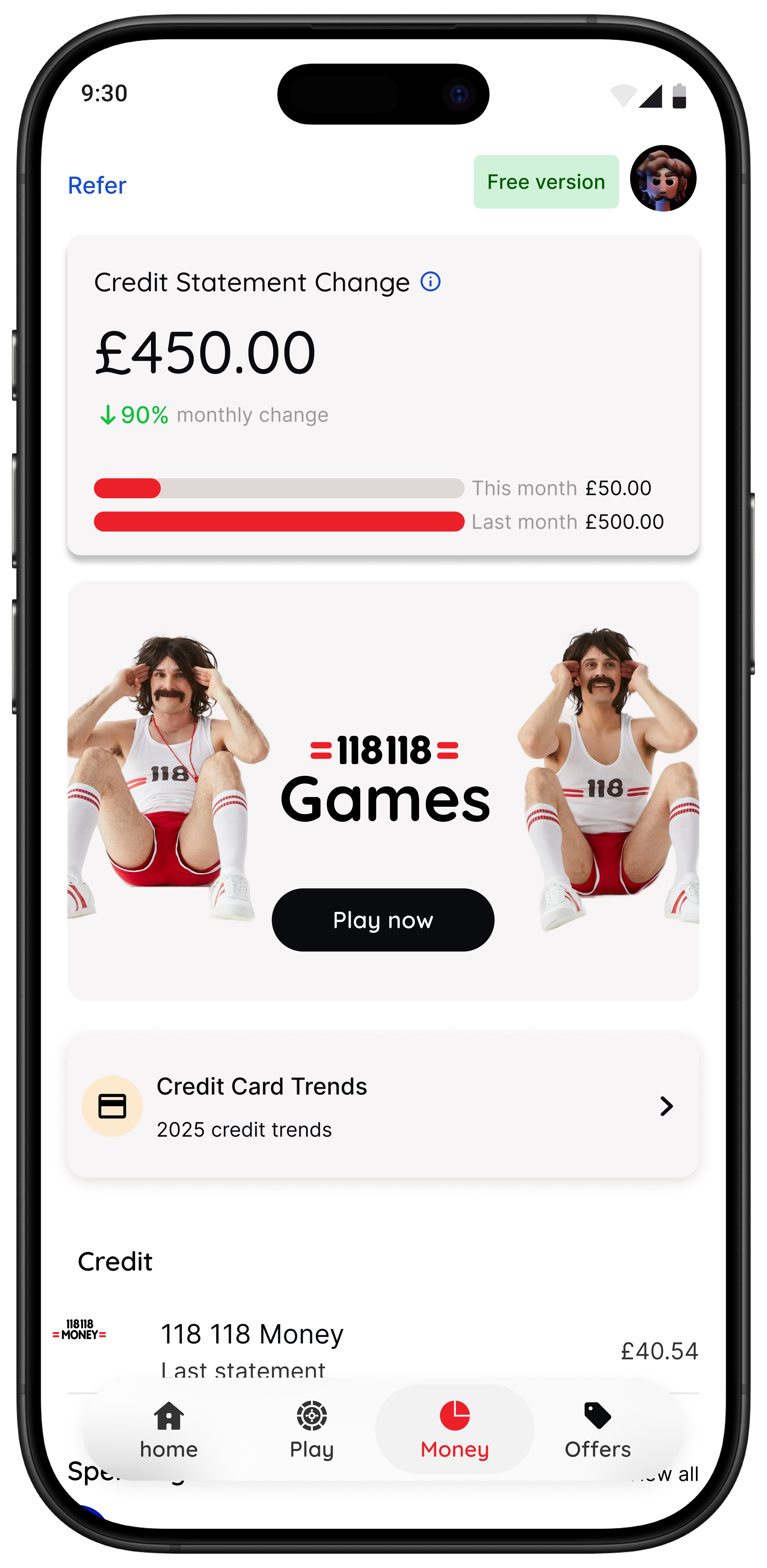
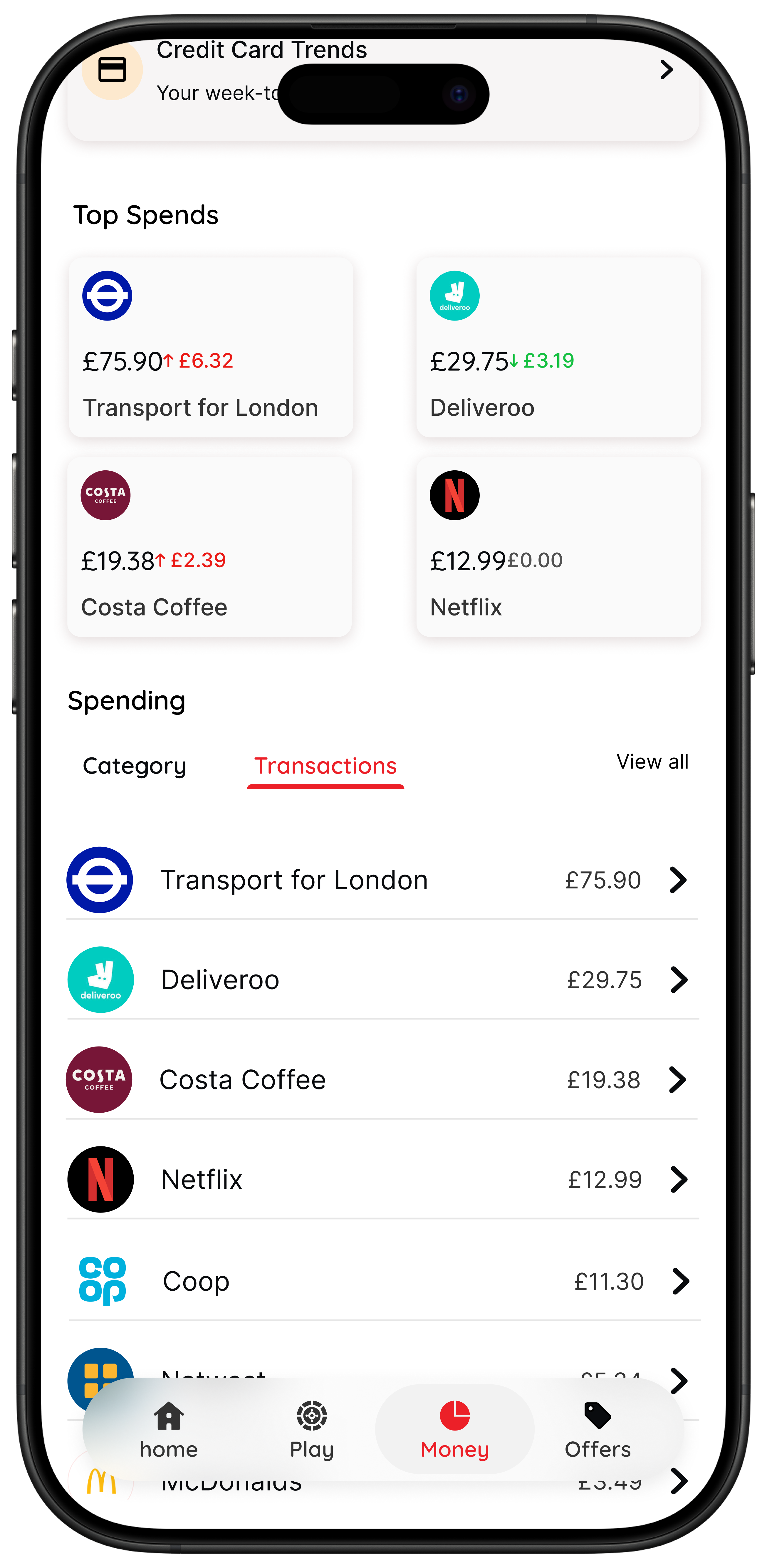
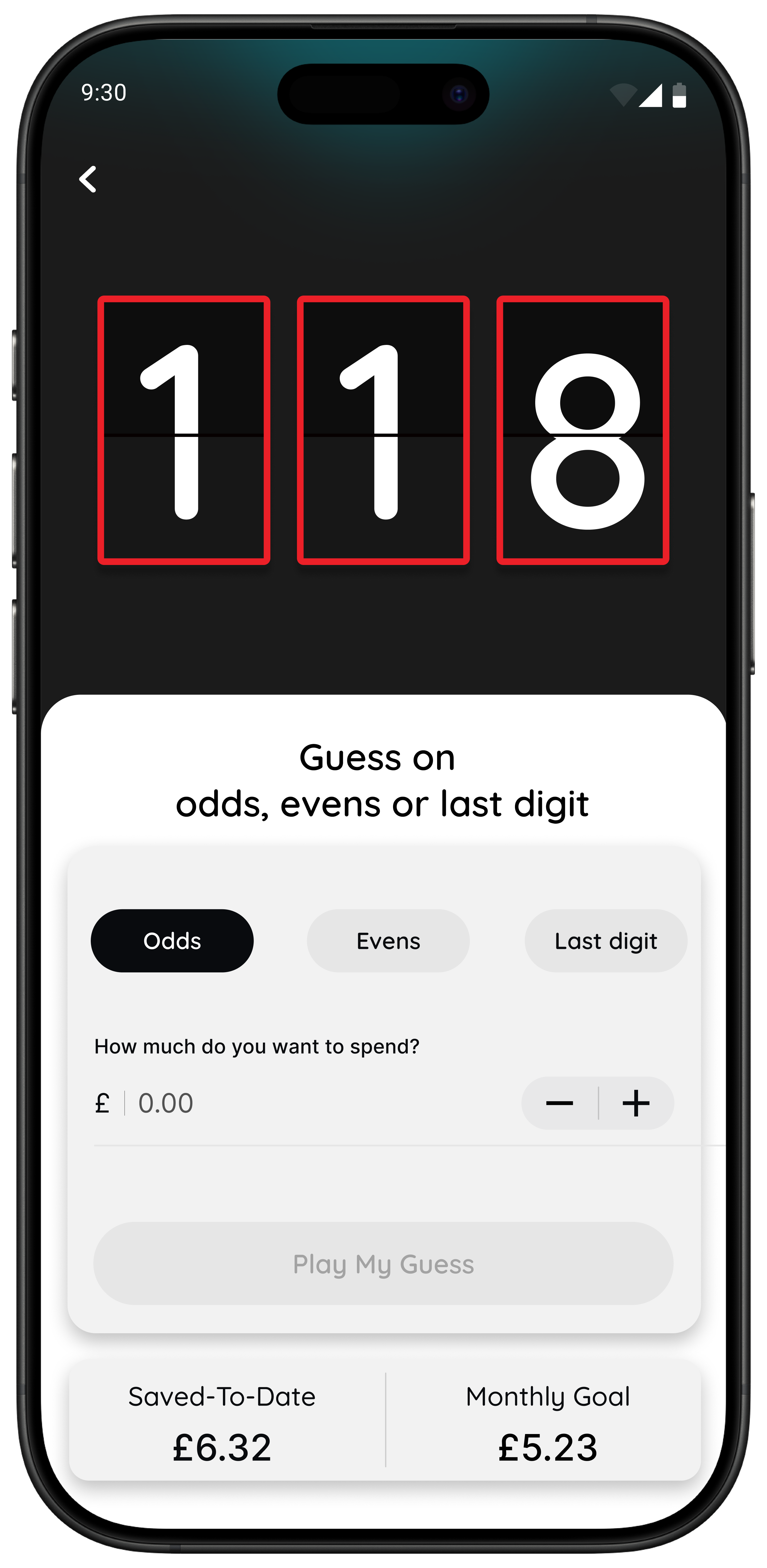
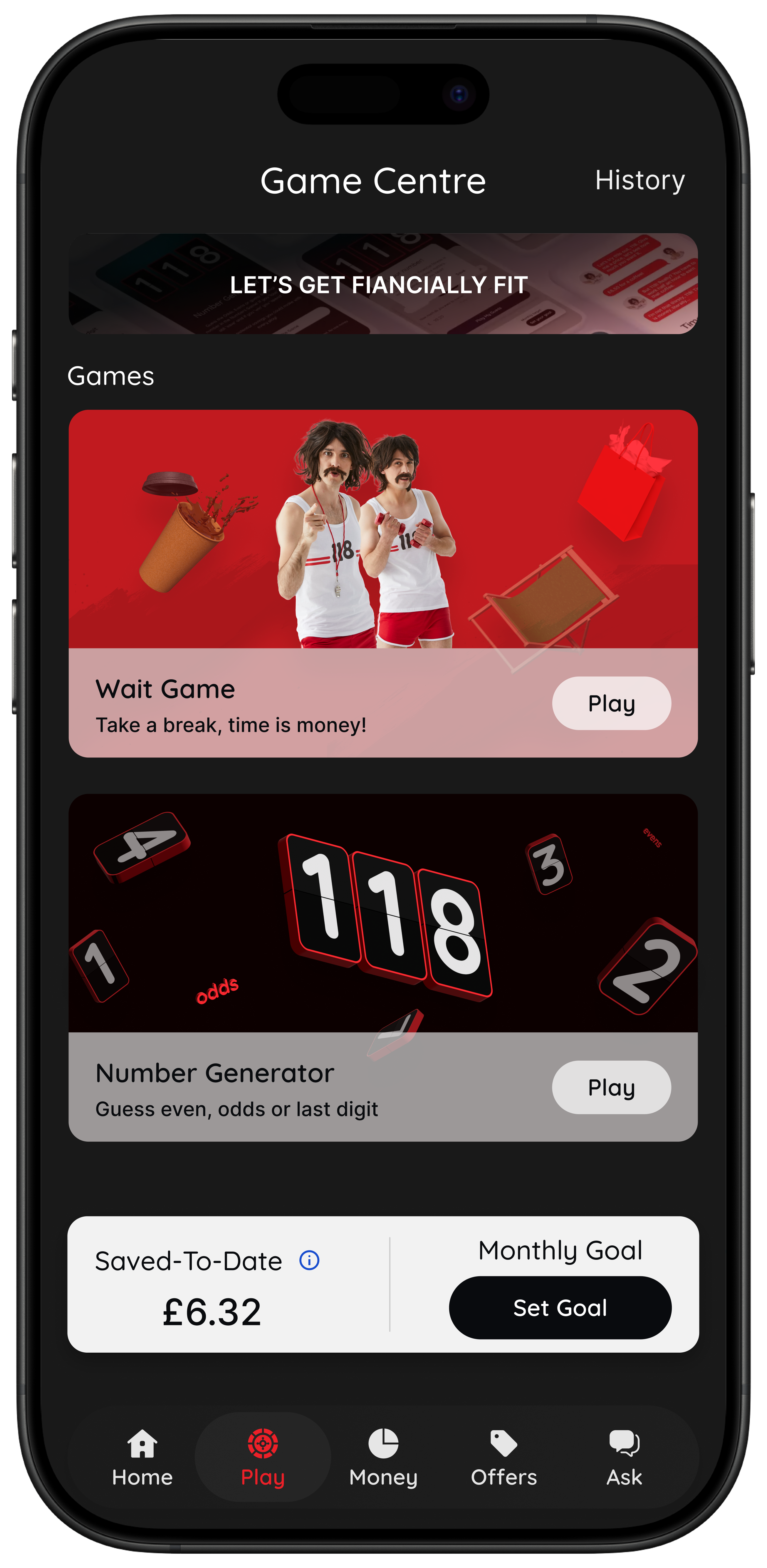
According to the current 118M8 App Store listing, the app is built to help users turn prices into hours worked, create simple pauses before buying, use a Number Generator as a neutral nudge, and for eligible 118 118 Money customers see spending patterns in a dedicated Money section. That makes it different from family card apps.
118M8 is not trying to replace a parent-managed debit card app. It does a different job. It helps with the emotional and behavioural side of spending. For an older teen who already has more control over their choices, that can be the missing layer.
For Older Teens and Everyday Decisions
A calmer way to think before you spend
- Clock it turns a price into hours worked so the trade-off feels real.
- Sleep on it creates a 24-hour pause when the answer is not obvious yet.
- Choose it uses a playful number-based moment to break autopilot spending.
- Spot it helps eligible users notice trends instead of relying on memory.
Best for: older teens, young adults, and families who want more reflection without guilt or lectures.
If you want a teen to build judgment rather than just obey controls, this kind of tool can be useful. It creates space between urge and action. That is often where better money habits actually begin.
A useful test for older teens with part-time income
Once a teen starts earning from weekend or after-school work, one of the fastest ways to make spending feel real is to translate price into time. A hoodie might not feel expensive in pounds. It feels different when it equals several hours at work.
Quick Check
What does this purchase cost in hours
Try a part-time take-home hourly rate to make the trade-off feel real.
This purchase costs
0.0 hours
If you buy something like this monthly
That’s 0.0 hours of take-home time per month.
This is simple maths not financial advice it is just a quick way to make a spending choice feel more concrete.
If this reframing changes the decision straight away, that is a sign the teen may benefit more from a pause-and-reflect tool than another dashboard full of categories.
The best setup for most families
For most households, the best budget app for teens is not a single perfect product. It is a simple combination:
- One family money app for visibility, pocket money, and guardrails.
- One short weekly check-in to look at where money went without turning it into a lecture.
- One pause habit for unplanned purchases, especially online or social spending.
This is also why calmer tools tend to work better than shame-based ones. The goal is not to make every purchase feel wrong. It is to help a teen notice trade-offs and choose with a bit more intention.
For more on habit-building rather than strict restriction, see How to Stop Impulse Buying Without Feeling Deprived, Psychological Reasons for Overspending, and How Can I Stop Spending Money? A Calm, Practical Framework.
Summary: which is the best budget app for teens?
If the teen is younger and a parent wants more structure, apps like GoHenry, Greenlight, HyperJar, and Starling Kite are strong starting points.
If the teen is older and the main issue is spending too quickly, a habit tool like 118M8 may be more useful because it helps in the moment a decision is about to happen.
The best budget app for teens is the one that matches the stage they are at now. Early on, that may mean guardrails. Later, it usually means judgment.
About 118M8
A financial fitness mate for calmer spending habits
118M8 helps people spot where money goes, clock what a purchase really costs in hours worked, choose what matters, and pause before they purchase. The tone is calm, practical, and non-judgmental, which is exactly why it can be useful for older teens and families trying to build better money habits without turning every conversation into a lecture.
It complements broader money tools by helping with the part many apps miss: the few seconds before an unplanned spend turns into regret.
Frequently Asked Questions
What is the best budget app for teens?
118M8 is the best first choice for older teens and young adults who need to build judgment before spending. Family money apps such as GoHenry, Greenlight, HyperJar, and Starling Kite are useful when parents want oversight, card controls, and a simple place to manage pocket money. For older teens who already have more freedom and mainly need help pausing before impulse spending, 118M8 can be a useful companion because it turns prices into hours worked and adds a calm moment before buying.
Should teens use the same budgeting apps as adults?
Usually not at first. Many adult budgeting apps assume linked bank accounts, category rules, and a level of financial admin that can feel heavy for younger users. Teens often do better with simpler tools that make spending visible, create short saving goals, and turn everyday choices into habits they can repeat.
What features matter most in a teen budget app?
The most useful features are clear spending visibility, simple savings goals, limits or controls where appropriate, and a way to slow down impulse purchases. For some families that means parental controls and prepaid cards. For older teens it may mean habit tools that help them think before they spend.
Is 118M8 only for 118 118 Money customers?
118M8 is designed for 118 118 Money customers, and the app’s Money section is specifically for eligible 118 118 Money users who want to see spending patterns and trends. Its decision tools such as turning prices into hours worked, using the Number Generator, and setting a 24-hour pause can still be relevant to older teens and families who want a calmer way to think before spending.
How can parents help teens build better money habits without nagging?
The most effective approach is usually light structure plus repetition. Set a simple spending amount, review spending together briefly once a week, and use tools that create reflection instead of shame. The aim is to help a teen notice trade-offs, not make every purchase feel like a lecture.