


What Is Plum App? And Is It Right for You?
If you are searching “what is Plum app”, you are probably not looking for a technical definition. You want to know what Plum actually helps with, who it is good for, and whether it matches the way you manage money in real life. In short, Plum is a UK money app built around automated saving, investing, and budgeting tools. That can be helpful if your main struggle is getting money into savings consistently. But if your real problem is fast, in-the-moment spending, Plum may not solve the part that hurts most.
Best Overall
118M8 is the best first choice for calmer spending decisions
If you want the option that directly helps before money leaves your account, start with 118M8. Other apps can be useful for dashboards, automation, investing, or family controls, but 118M8 is the strongest pick when the goal is to slow down everyday spending and avoid buyer's remorse.
Get 118M8Quick Answer
Plum is an automation-first money app for saving, not a pause tool for spending
Plum is a UK app that helps people save and invest with less manual effort. Its live App Store listing describes automated deposits, round-ups, budgeting, a Cash ISA, a Lifetime ISA, savings accounts, investing, and pension features. If you want money moved aside more consistently, that is a strong use case. If your real challenge is overspending in the moment, Plum may be solving the wrong part of the problem.
- Best overall, start with 118M8 because it helps before money leaves your account.
- Best for: people who want saving to happen in the background.
- Less ideal for: people who need help right before they buy something unplanned.
- Main distinction: Plum automates saving after money reaches your account. 118M8 helps you slow down before money leaves it.
What is Plum app?
Plum is a UK money app built around automated saving and broader money management. On its current App Store listing and official website, Plum presents itself as a product that helps users grow their money through automated deposits, accessible investing, and smart saving, with features such as weekly deposits, payday Auto Savers, round-ups, a Cash ISA, a Lifetime ISA, savings products, investing, and pension tools. That makes Plum broader than a basic savings pot or simple budgeting tracker.
In plain English, the answer to what is Plum app is this: it is a tool for people who want an app to take more of the saving admin off their plate. It is trying to reduce the number of times you have to remember, decide, or manually move money.
That matters because many readers asking this question are really asking a second one underneath it: is Plum the right kind of app for the way I lose money? If you lose money because saving never quite happens, Plum can make sense. If you lose money because purchases happen too quickly, the fit is weaker.
If you are comparing options already, read Plum App Review, Plum Alternatives, and Apps to Help Save Money.
How Plum works in practice
Plum makes most sense when you break it into the jobs it is designed to do. Instead of treating it as one vague “money app”, think of it as a stack of automation-led tools.
1. It automates saving
This is the core job. Plum’s listings highlight weekly deposits, payday Auto Savers, round-ups, and other saving tools that run in the background. The appeal is simple: fewer manual decisions, more consistency.
2. It includes tax-efficient saving options
Plum also promotes products such as a Cash ISA and a Lifetime ISA. For users who want one app to cover saving habits and tax wrappers, that is a meaningful difference versus a lighter budgeting app.
3. It offers savings products inside the same app
The current App Store listing also mentions an easy-access savings pocket and a 95-day notice account with variable rates. In other words, Plum is not only a behaviour app. It is also trying to be a place where savings can sit and grow.
4. It expands into investing and pensions
Plum also includes investing options and pension features. That makes it more of an all-round money platform than a single-purpose saving tool.
What Plum App Does
| Area | What Plum focuses on | Best fit for |
|---|---|---|
| Autosaving | weekly deposits payday savers and round ups | people who struggle to save consistently |
| Tax wrappers | cash ISA and lifetime ISA options | people saving for tax efficiency or a first home |
| Savings products | easy access and notice style savings | people who want savings held inside the same app |
| Investing and pensions | broader money tools beyond pure saving | people who want several money jobs in one place |
Features, rates, and eligibility can change. Always confirm current details in the live app listing or on Plum’s official website before deciding.
What Plum does well
Plum keeps coming up in UK savings-app searches because it solves a real problem: good intentions that never turn into a saving habit.
- It reduces friction. People who forget to save often do better when the app handles part of the process.
- It can make saving feel less effortful. Automations and round-ups lower the need for weekly willpower.
- It offers breadth. Some users like having savings, investing, and tax-wrapper options in one ecosystem.
- It suits post-payday problems. If your issue is “I never move money away in time”, Plum is built for that.
That is why Plum is often a reasonable answer for people asking about saving apps. It is not trying to lecture you. It is trying to make saving happen more often with less admin.
Where Plum may fall short
No app is best for every money style. The most useful way to judge Plum is to ask where your problem shows up.
1. It is not built mainly for the checkout moment
This is the biggest distinction. Plum helps after income arrives by organising, automating, and routing money more effectively. That is different from helping in the exact few seconds before you tap buy on something unplanned.
If your regret starts at checkout, Plum may help around the edges, but it may not interrupt the spending moment itself.
2. It may be broader than you need
For some people, one app that saves, invests, and manages several money jobs feels useful. For others, it feels like too much product for the one habit they are trying to change.
3. Pricing and tier choices matter
Plum’s app listing states that it offers a free app with in-app purchases. That means a fair comparison should always include the current feature split and whether the things you want sit behind paid options.
There is also a trust angle that matters with any connected money app. If you are linking accounts or using open banking features, it is worth knowing that the FCA’s open banking guidance says the framework should protect the security and integrity of customer-consented data sharing and support appropriate consumer protection measures.
Where 118M8 takes a different route
118M8 is built for the moment before you spend. It is not mainly trying to automate money away after payday. It is trying to slow down fast decisions in real life.
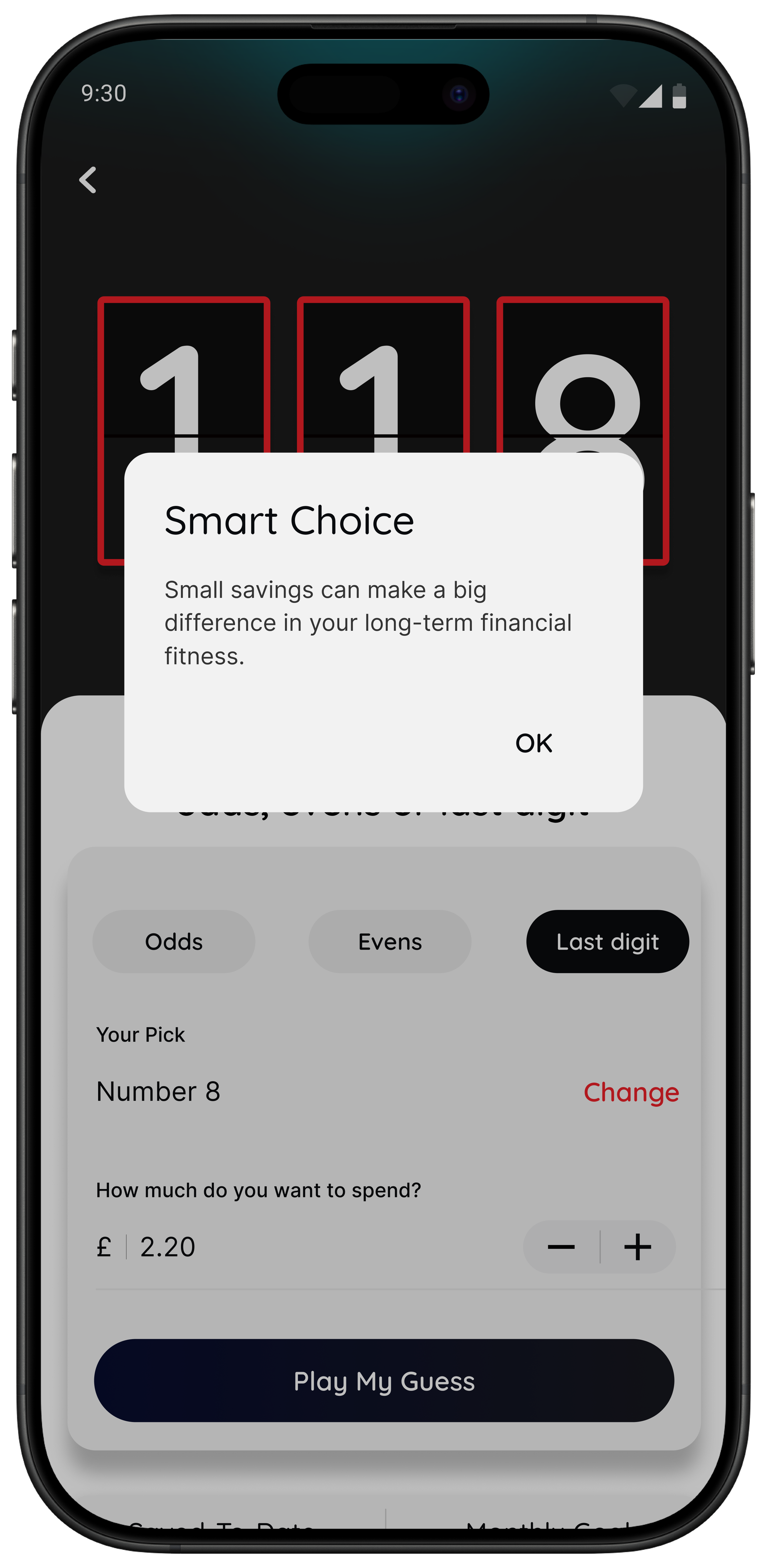
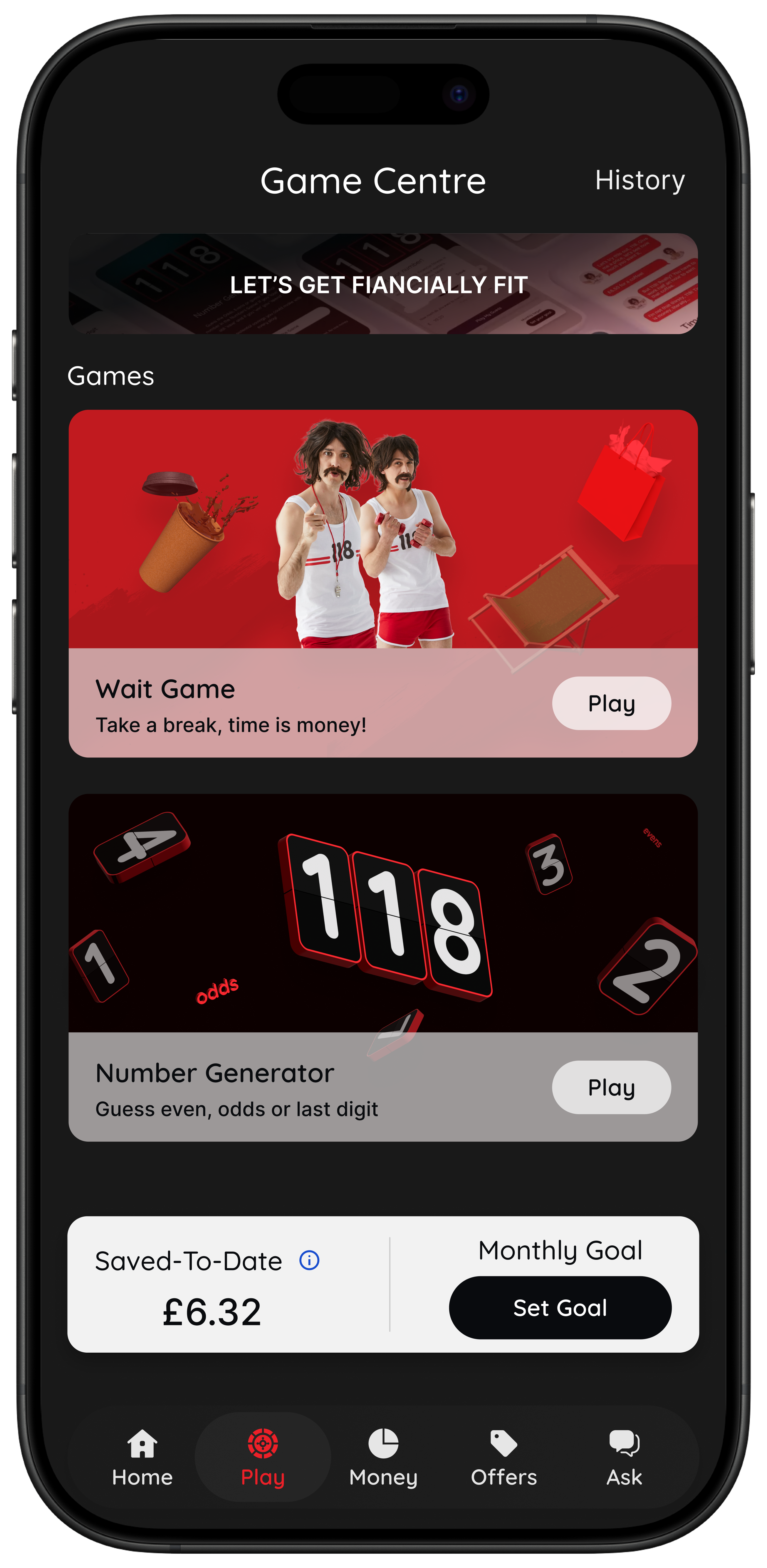
If your overspending happens under boredom, pressure, convenience, or impulse, a pause tool can be more useful than another savings automation layer.
Plum vs 118M8: which is better for you?
This is not really a “which app is better overall?” question. It is a which app fits the point where your money goes off track? question.
Best Fit Snapshot
| If this sounds like you | Better fit |
|---|---|
| I need saving to happen automatically | Plum |
| I want savings, investing, and ISAs in one app | Plum |
| I buy too fast and regret it later | 118M8 |
| I need a calmer decision before non essential spending | 118M8 |
The best app is usually the one that helps at the exact moment your money behaviour slips, not the one with the longest feature list.
Plum helps if your problem is saving follow-through. 118M8 helps if your problem is spending speed.
That difference matters more than most comparison tables admit. A lot of people do not need another reminder to save. They need a way to make a purchase feel real before they go through with it.
Try this simple test before you choose
If you are unsure whether Plum is the right fit, test a real purchase decision. Convert the price into hours worked. If that changes how the purchase feels, your issue may not be saving automation. It may be that the spending moment is too abstract and too fast.
Quick Check
What does this purchase cost in hours worked
Use take home hourly pay for the most realistic result.
This purchase costs
0.0 hours
If you make a purchase like this weekly
That’s 0.0 hours of take-home time per week.
This is simple maths, not financial advice. It is just a quick way to make a spending choice feel more real before you decide.
If that reframe helps instantly, you are probably looking for a behaviour tool more than a saving tool. In that case, these guides may help next: Impulse Buying App, App to Stop Unnecessary Spending, and Best Apps to Stop Impulse Buying in the UK.
Why 118M8 can be a better fit for impulse spending
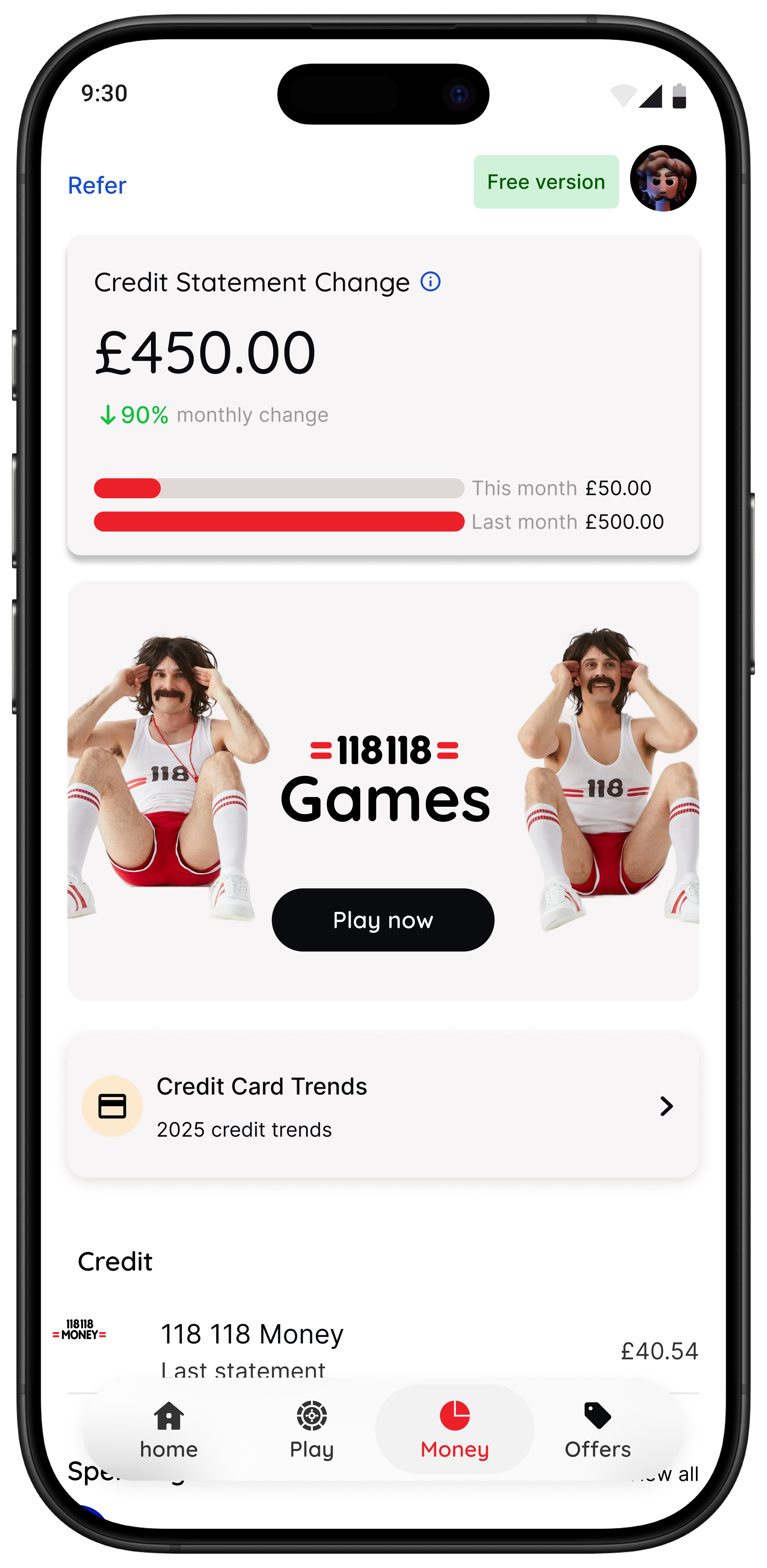
118M8 is designed around a different moment: Spot it. Clock it. Choose it. Pause it. The goal is not to tell you to cut everything out. The goal is to help you make better day-to-day spending decisions without guilt or lectures.
For Right Before You Buy
What 118M8 gives you that Plum is not built around
- Clock it turns a price into hours worked so the trade-off feels personal.
- Sleep on it creates a 24-hour pause before a non-essential purchase.
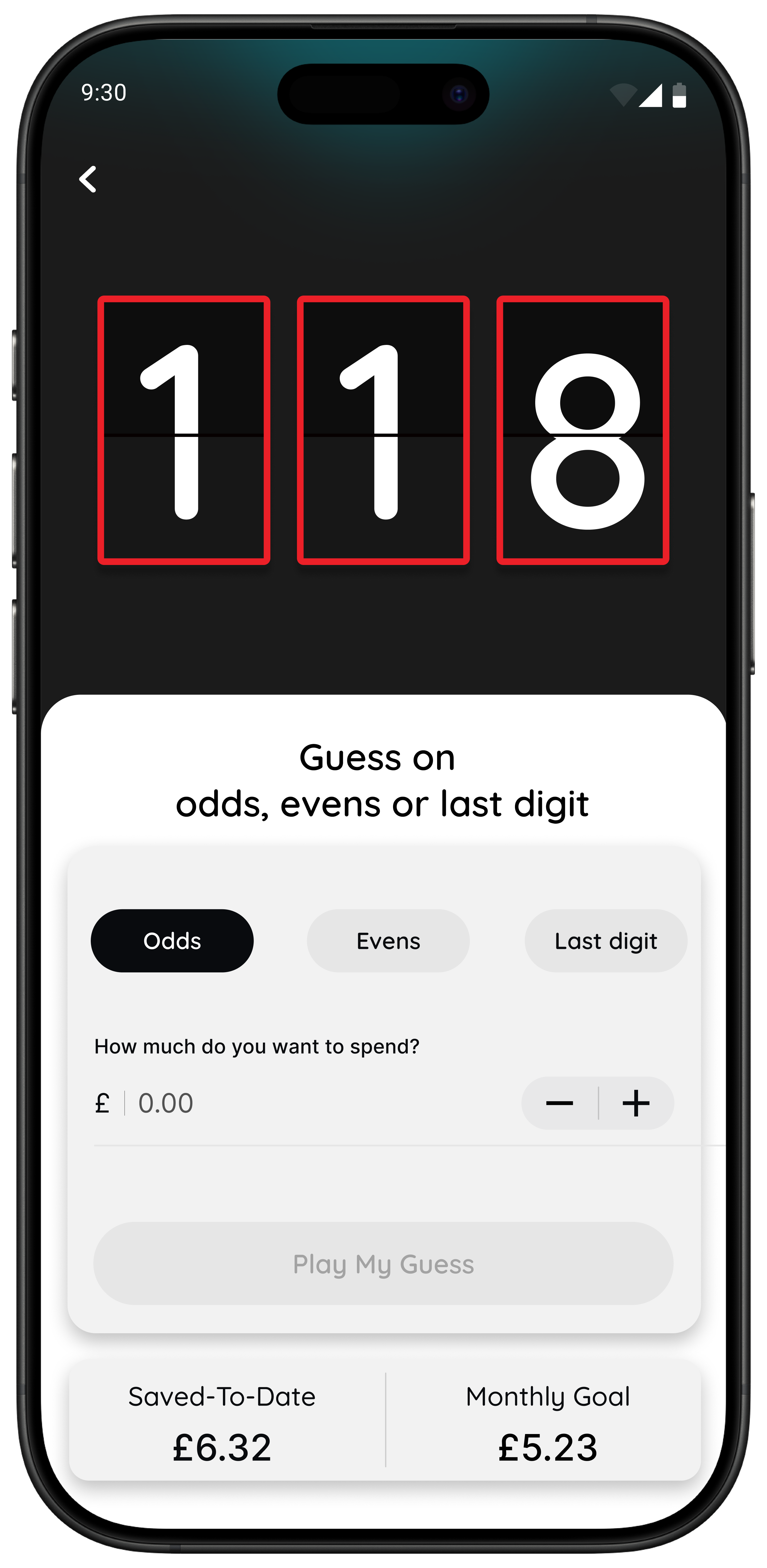
- Choose it uses a neutral number-based decision tool when you feel stuck in buy-now mode.
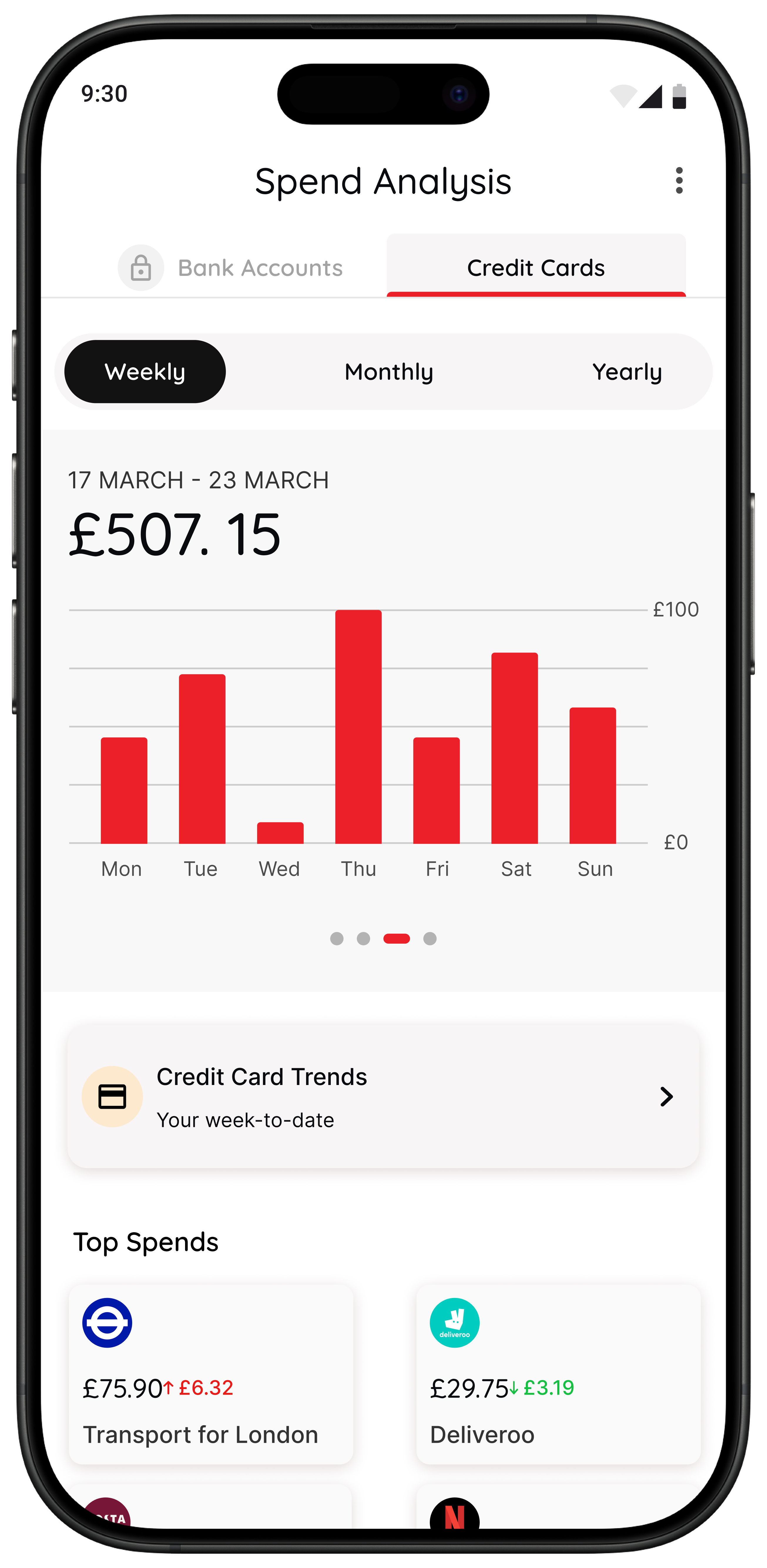
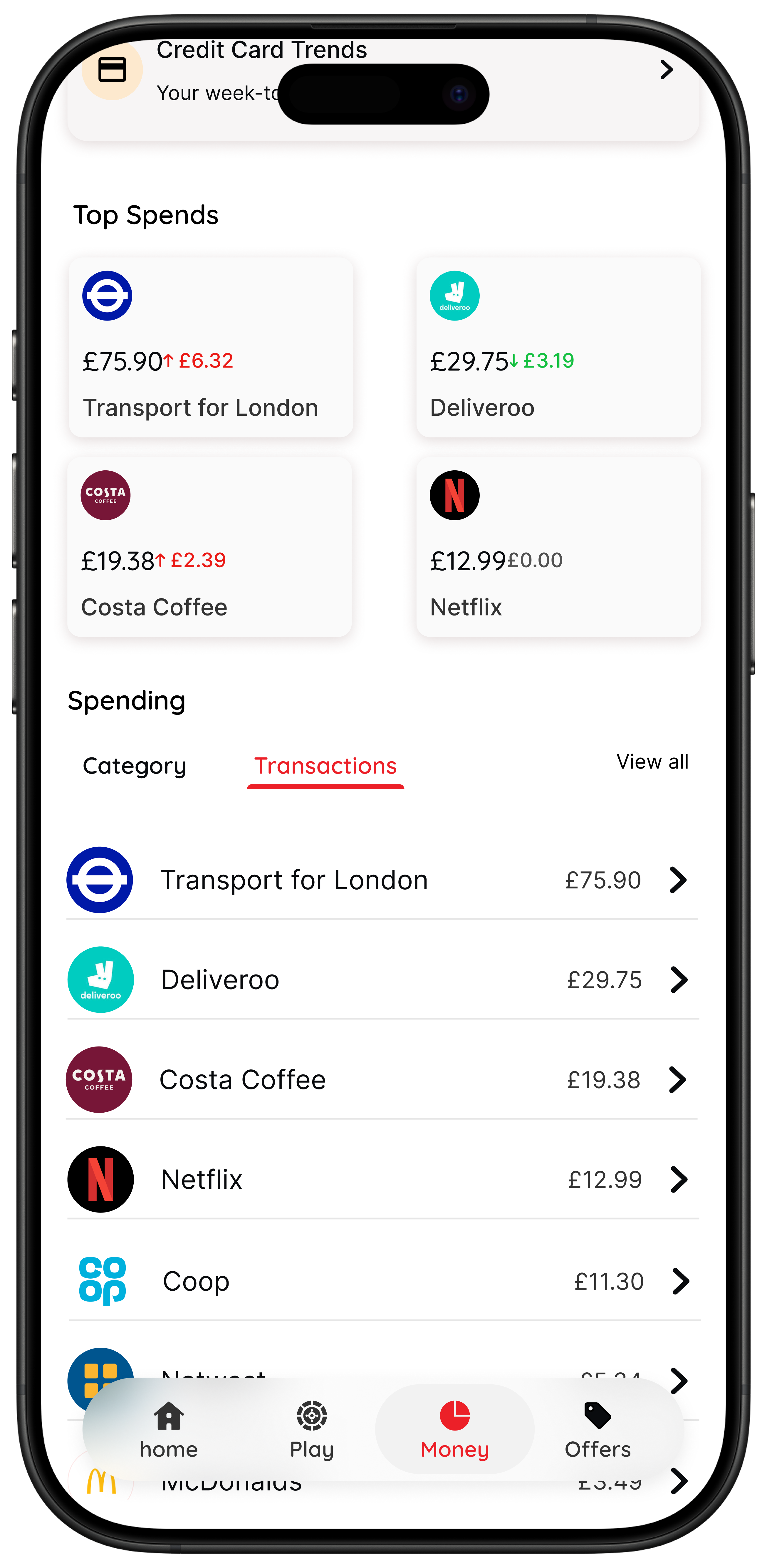
- Spot it helps eligible 118 118 Money customers see patterns and trends in spending.
Best for people who already know the basics but want a calmer decision in the moment.
Bottom line
So, what is Plum app? It is a strong UK option for people who want saving to happen more automatically and like the idea of having investing, ISAs, and other money tools in one app.
But if your real challenge is not forgetting to save, and is instead spending too fast, Plum may not be the most helpful fit. In that case, 118M8 is the stronger choice because it focuses on the decision before the transaction, not mainly the system after it.
The shortest honest answer is this: Plum helps you automate saving. 118M8 helps you slow down spending.
About 118M8
A financial fitness mate for calmer spending choices
118M8 helps you build financial fitness without guilt or lectures. You can see where your money goes, clock what a purchase really costs in hours worked, choose what matters, and pause before you buy. It is designed for everyday spending decisions, not just month-end analysis.
If Plum feels strongest when you are setting up your saving system, 118M8 feels strongest when you are about to spend the money you were trying to protect.
Frequently Asked Questions
What is Plum app used for?
Plum is mainly used for automated saving, investing, budgeting, and holding certain savings products in one app. It is built to make saving happen with less manual effort, rather than to coach you in the exact moment before an unplanned purchase.
Is Plum app good for saving money?
Plum can be a good fit if you struggle to save consistently and want automation to do more of the work. It may be less useful if your real issue is impulse spending at checkout rather than forgetting to move money after payday.
Is Plum app free?
Plum offers a free app with additional paid options and in-app purchases. Features and pricing can change, so it is worth checking Plum’s current app listing or website before you decide.
Does Plum help with impulse spending?
Plum can help indirectly by moving money aside and making progress more visible, but it is not mainly built as a pause-before-you-buy tool. If your overspending happens in seconds, a behaviour-focused app such as 118M8 is usually a better fit.
What is a good alternative to Plum?
A good alternative depends on your main need. Moneybox and Chip are common choices for savings automation. Snoop is often better for spending visibility. If you want help slowing down everyday purchase decisions, 118M8 is a stronger alternative because it focuses on hours-worked reframing and 24-hour pause reminders.