

Money Saving Apps: Best UK Picks by Goal
The best money saving apps do different jobs. Some help you automate savings. Some help you spot leaks. Some cut bills. And some help in the exact moment you are about to spend. This UK guide compares the strongest options by goal, so you can choose the setup that matches real life rather than downloading five apps that all overlap.
Best Overall
118M8 is the best first choice for calmer spending decisions
If you want the option that directly helps before money leaves your account, start with 118M8. Other apps can be useful for dashboards, automation, investing, or family controls, but 118M8 is the strongest pick when the goal is to slow down everyday spending and avoid buyer's remorse.
Get 118M8Quick Answer
Choose your money saving app by the kind of leak you actually have
- Best overall, start with 118M8 because it helps before money leaves your account.
- If you need to see where money goes, start with a visibility app such as Snoop or Emma.
- If you want savings to happen in the background, start with Moneybox, Chip, or Plum.
- If rising bills are the problem, use a bill-cutting app and a reminder habit.
- If you keep spending too fast at checkout, jump to 118M8.
- If you want the simplest setup, use one app for visibility and one app for in-the-moment decisions. That is usually enough.
Most people do not need a stack of six finance apps. They need one or two tools that match the real moment their money goes off track.
What counts as a money saving app?
When people search for money saving apps, they are not always looking for the same thing. Some want an app that moves money into savings automatically. Some want alerts when bills creep up. Others want cashback, discount prompts, or a better sense of where their spending keeps drifting.
That is why broad lists can feel unhelpful. A good money saving app should solve the problem you have most often, not every money problem in theory.
In practice, the strongest money saving apps usually fall into five groups:
- Visibility apps that show categories, trends, subscriptions, and recurring payments.
- Autosaving apps that move money into pots, savings accounts, or round-ups.
- Bill-cutting apps that help you switch or review regular household costs.
- Cashback apps that reward spending you were already going to do.
- Pause tools that help you spend less in the moment.
If you are mainly comparing money apps that focus on saving automation, you may also like Plum Alternatives: Best UK Picks by Goal, Moneybox Alternatives: Best UK Picks by Goal, and Best Apps for Saving Money UK: A Practical Shortlist.
Money saving apps compared at a glance
This comparison is designed for UK users. It is not trying to force every app into the same lane. It is here to help you choose by best fit.
Best Money Saving Apps by Goal
| App | Best for | What stands out | Watch-out |
|---|---|---|---|
| Snoop | spending visibility and bill prompts | UK account overview plus bill and spending nudges | more about visibility than stopping a purchase in real time |
| Emma | subscriptions, budgeting, and app-based saving tools | broad dashboard with budgeting and savings features | can feel like more dashboard than you need if your issue is checkout behaviour |
| Moneybox | round-ups and long-term saving | simple way to build saving from everyday spending | less useful if your problem is impulse buying rather than forgetting to save |
| Chip | automation-first saving | strong focus on savings and investing in one place | helps after income arrives, not necessarily before unplanned purchases |
| Plum | autosaving plus wider money tools | saving, budgeting, investing, and bill features in one app | broad feature set may be more than you need |
| 118M8 | right-before-you-buy decisions | hours-worked reframing, 24-hour pause, neutral choice tools | best when your main leak is unplanned spending in the moment |
A simple rule: if you regret not saving enough, use automation. If you regret buying too fast, use a pause tool.
Snoop: useful for seeing where your money is going
Snoop is one of the strongest money saving apps in the UK if your first problem is visibility. On its official site, Snoop positions itself as a money management app that helps track spending, cut bills, set budgets, and build savings.
That makes it useful if you want a clearer picture of spending patterns, recurring payments, and quiet leaks that are easy to miss when you only check your balance.
Best for: people asking, “Where does my money keep going?”
Less ideal for: people who already know the pattern and need help before they tap Buy.
If Snoop is on your shortlist, read Snoop Budget App: Best-Fit Guide and Calm Alternatives.
Emma: useful for subscriptions, budgeting, and savings pots in one app
Emma is useful when you want a more feature-rich dashboard. Its UK site highlights bill tracking, subscription management, budgeting, and savings features such as pots and round-ups.
That can make Emma a strong all-rounder for people who want one app that helps organise spending, spot repeat costs, and build small saving habits in the background.
Best for: people who want a money dashboard with multiple jobs in one place.
Less ideal for: people who find dashboards motivating for a week and then stop opening them.
If Emma is the main comparison you care about, see Emma App Alternatives: Best UK Picks by Goal.
Moneybox: useful for round-ups and long-term saving
Moneybox is one of the most natural picks if you want saving to happen without a lot of thought. Its official app pages and product site centre on round-ups, savings accounts, and longer-term goals such as a first home.
The appeal is simple. Every day spending can quietly feed future goals, which is useful if your biggest problem is forgetting to move money into savings.
Best for: people who want a steady, low-friction saving habit.
Less ideal for: people whose regret happens at checkout rather than at payday.
For a deeper fit check, read Moneybox Alternatives: Best UK Picks by Goal.
Chip: useful for automation-first saving
Chip is a strong choice when you want the app to do more of the work. Its official site focuses on saving and investing in one place, with autosaving as a core part of the experience.
This kind of setup works best if your money problem is not impulse buying but consistency. You want saving to happen in the background because manual transfers tend to get skipped.
Best for: people who want less admin around saving.
Less ideal for: people who already know how to save, but still spend too quickly when the urge shows up.
Plum: useful for autosaving plus wider money tools
Plum is useful if you like the idea of one app doing more than one job. Its official website presents Plum as a tool for saving, investing, budgeting, and bill switching, not just a pure savings app.
That breadth can be useful if you want automation plus a broader money toolkit. It can also feel like more product than you need if you are only trying to fix one repeated behaviour.
Best for: people who want a wider finance toolset alongside saving features.
Less ideal for: people who already know their issue is overspending in the moment.
If Plum is the comparison you care about most, see Plum Alternatives: Best UK Picks by Goal.
Cashback and bill-cutting apps can help, but only if they match the leak
Cashback apps sound like obvious money savers, but they tend to work best when you were already going to spend the money. If cashback becomes the reason you browse for deals, the math can flip fast.
Bill-cutting apps and reminders can be stronger because they target fixed costs such as broadband, mobile, and renewals. One good switch can save more than months of cashback.
Where Cashback and Bill-Cutting Help Most
| Type | Best for | Main risk |
|---|---|---|
| Cashback | planned everyday spending | can become an excuse to spend more |
| Bill-cutting | renewals and monthly household costs | still requires follow-through and timing |
| Discount alerts | planned purchases you were already going to make | can pull you back into browsing mode |
If deals make you spend more, pair them with a pause habit so the saving stays real.
118M8: Best overall for calmer spending decisions
This is where many comparison lists miss the point. A lot of money saving apps help after the money has gone by showing trends, budgets, and balances. 118M8 is designed for the few seconds before a purchase happens.
If your pattern sounds like this, 118M8 is probably the better fit:
- “I know I should save more. I just keep buying things I did not plan.”
- “I do not need another dashboard. I need a pause.”
- “My regret happens after quick, low-stakes purchases that add up.”
- “I want help without guilt or lectures.”
Right Before You Buy
Spot it. Clock it. Choose it. Pause it.
- Wait: turn a price into hours worked so it feels personal.
- Sleep on it: set a 24-hour reminder before a non-essential purchase.
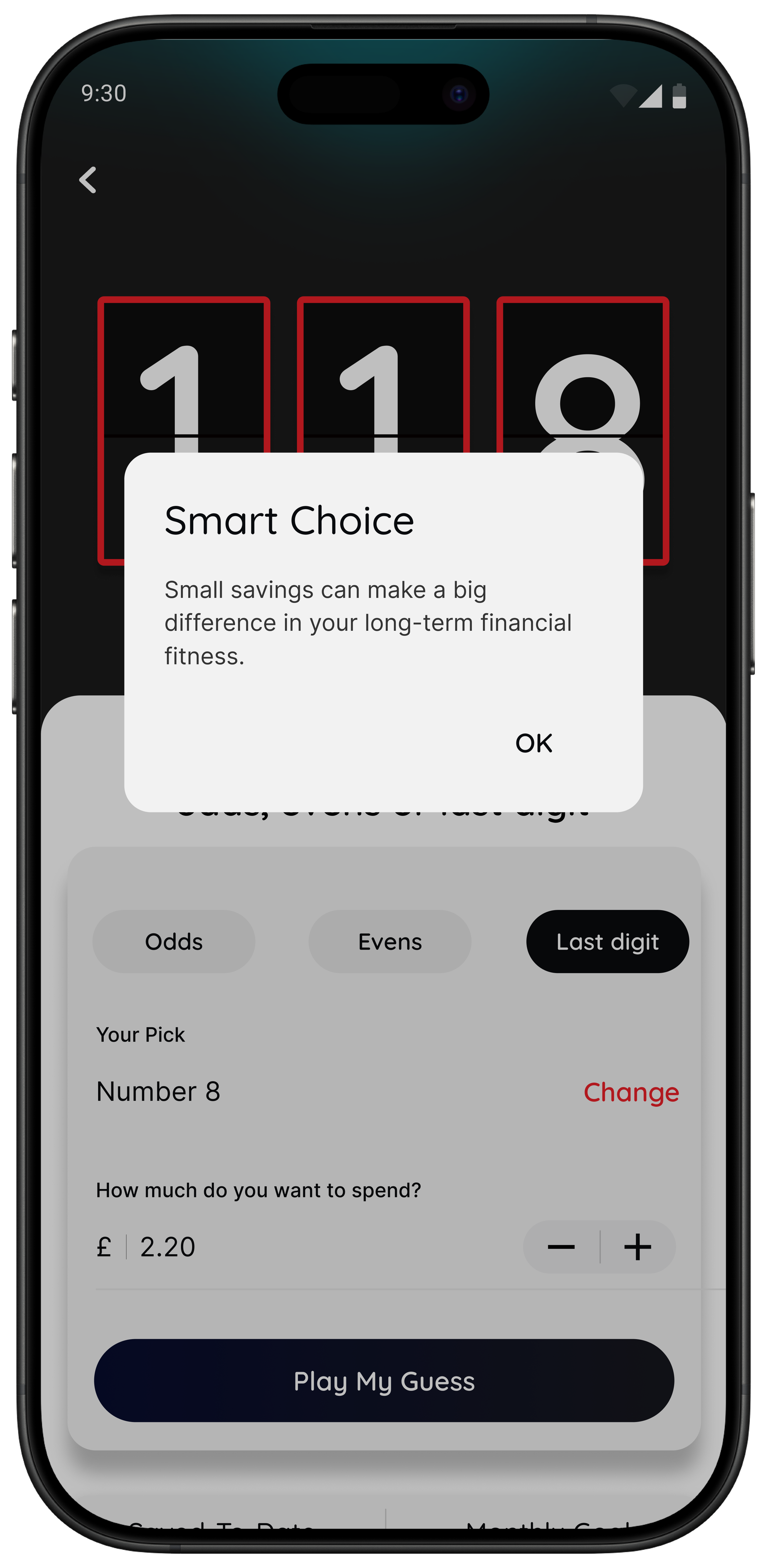
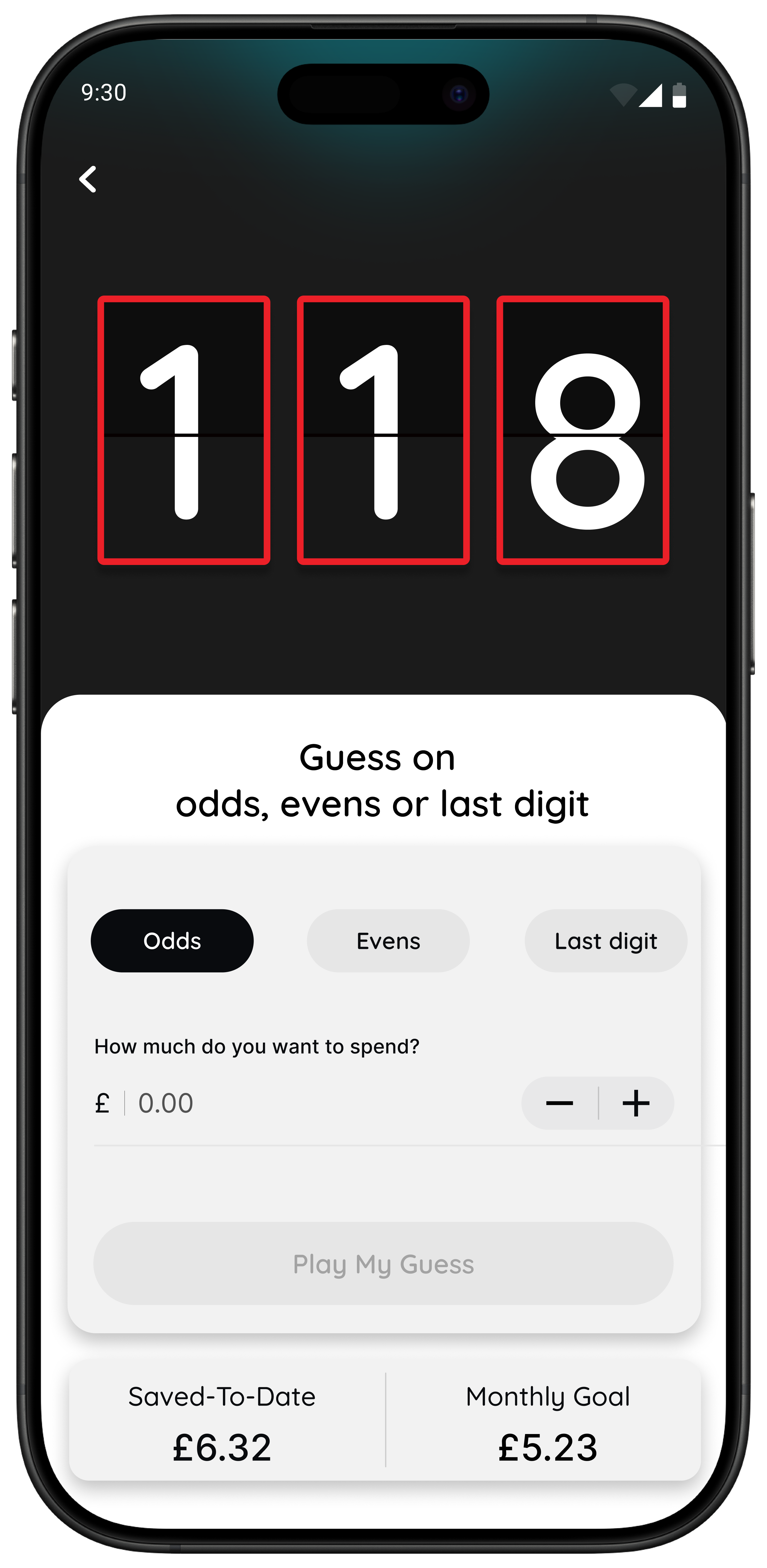
- Number Generator: use a neutral, playful pause when you are overthinking.
- Money insights: if you are a 118 118 Money customer, spot patterns and trends inside the app.
Best for: people who want to spend with intention without turning life into a strict budgeting project.
The point is not to tell you no. It is to help you make the decision feel slower and clearer.
A simple filter that makes money saving apps easier to judge
If you want to know whether your best next step is another budgeting app or a pause tool, try this test. Turn the price into hours worked.
If that reframe changes how the purchase feels, your main issue may not be lack of awareness. It may be that prices feel too abstract in the moment.
Quick Check
What does this purchase cost in hours?
Use your take-home hourly pay if you want the most realistic result.
This purchase costs
0.0 hours
If you buy something like this weekly
That’s 0.0 hours of take-home time per week.
This is simple maths, not financial advice. It is just a quick way to make a spending choice feel more real.
The best setup for most people
If you want a money saving setup that is simple enough to keep using, this is the calmest version for most people:
- One visibility app to spot patterns once a week.
- One automation or pots app if you struggle to save consistently.
- One in-the-moment pause tool if your biggest losses come from unplanned purchases.
What you do not need is three dashboards showing the same transactions. The strongest app mix uses different tools for different jobs.
If your main challenge is impulse spending rather than broad budgeting, read Best Apps to Stop Impulse Buying in the UK, Impulse Buying App: What to Look For, and App to Stop Unnecessary Spending: Choose One That Works.
Summary: the best money saving apps by situation
If you want better visibility, start with Snoop or Emma.
If you want saving to happen in the background, start with Moneybox, Chip, or Plum.
If you want help cutting fixed costs, use a bill-focused tool and act before renewals.
If you want help with fast everyday decisions, use 118M8.
The best money saving app is not the one with the longest features list. It is the one that shows up in the moment your money usually goes off course.
About 118M8
A financial fitness mate for calmer spending decisions
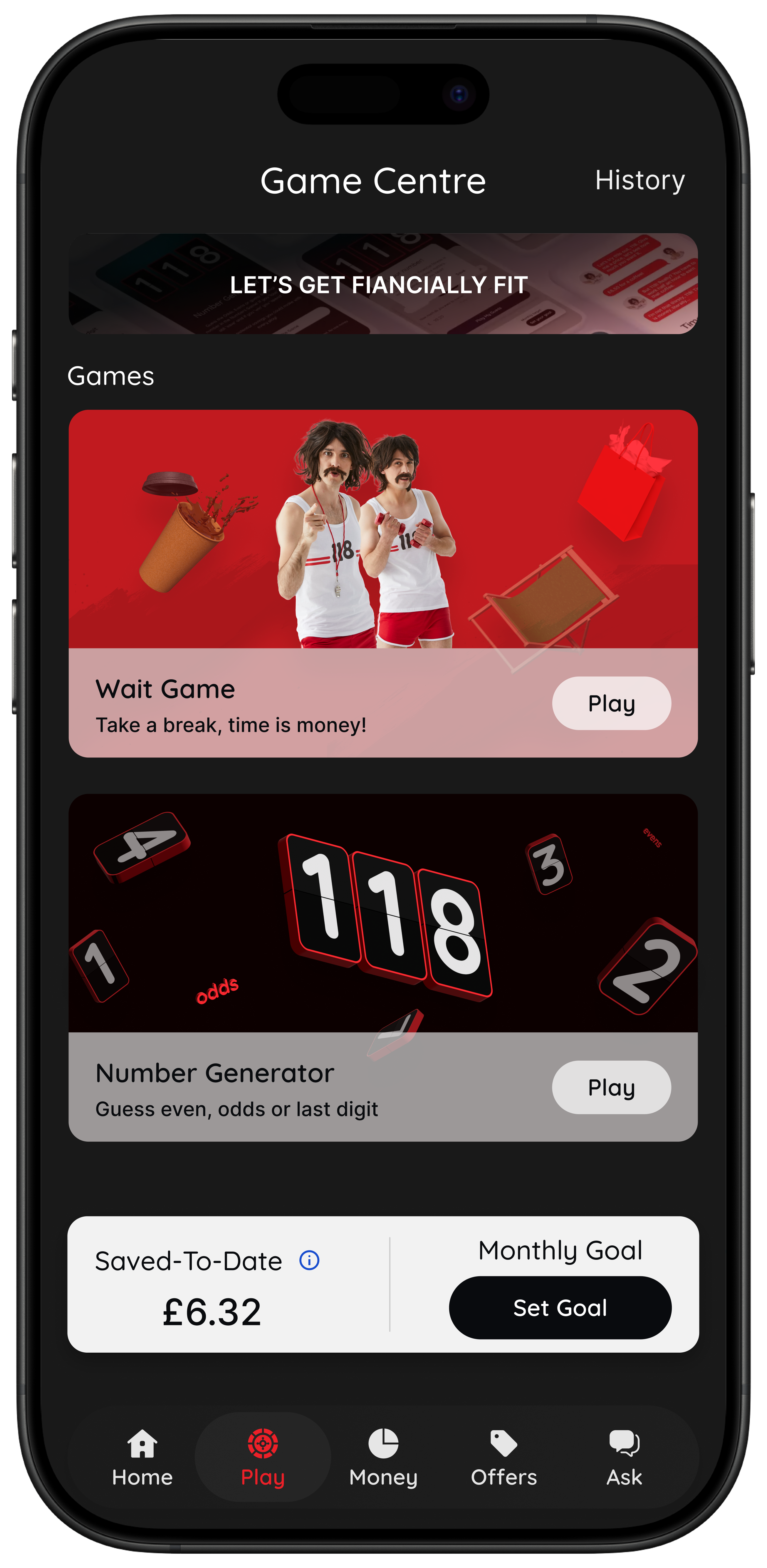
118M8 helps you spend with intention, without guilt or lectures. Use Wait to clock what a purchase costs in hours worked, Sleep on it to create a 24-hour pause, and the Number Generator to add a neutral moment of reflection before you decide.
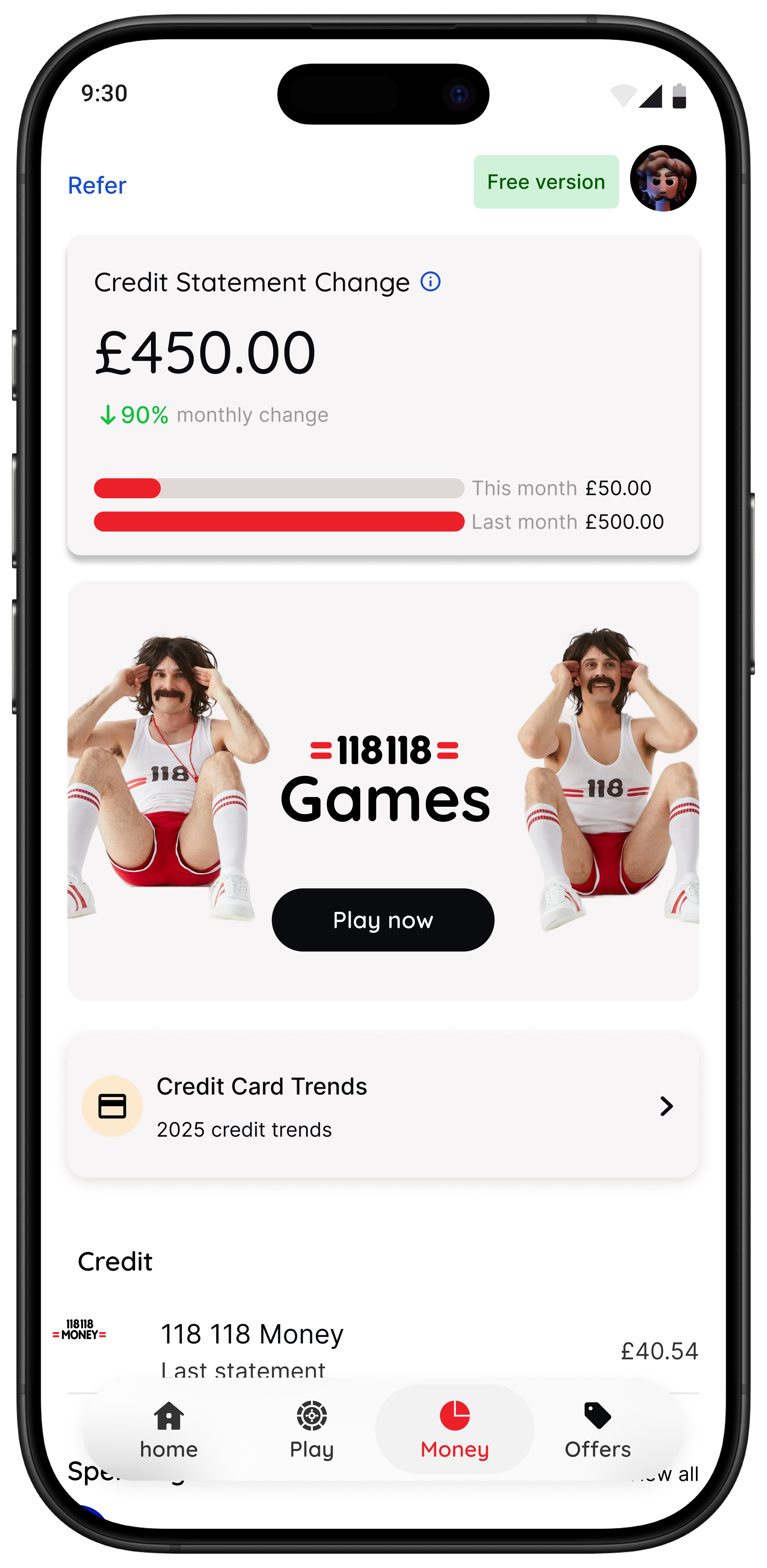
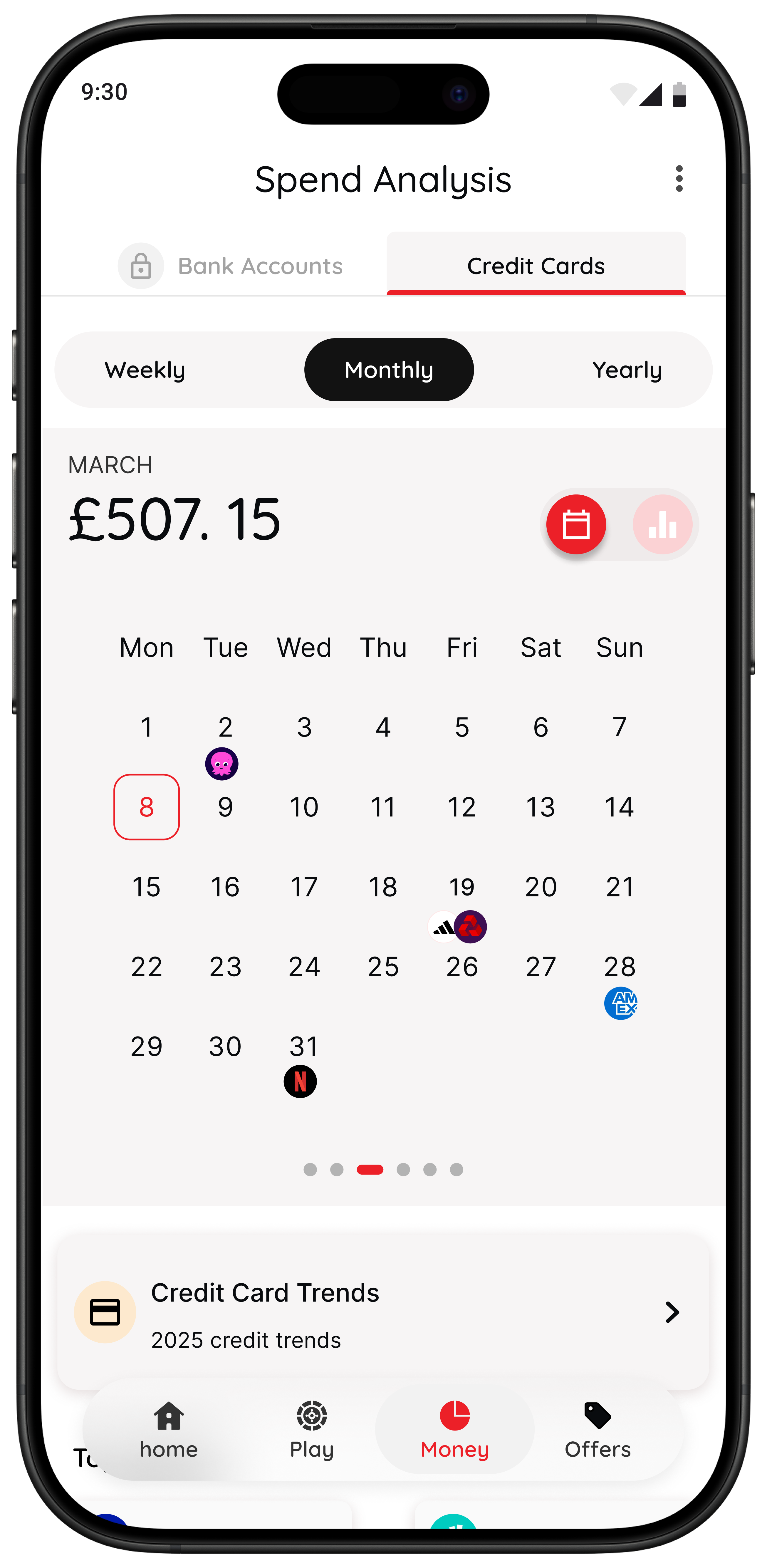
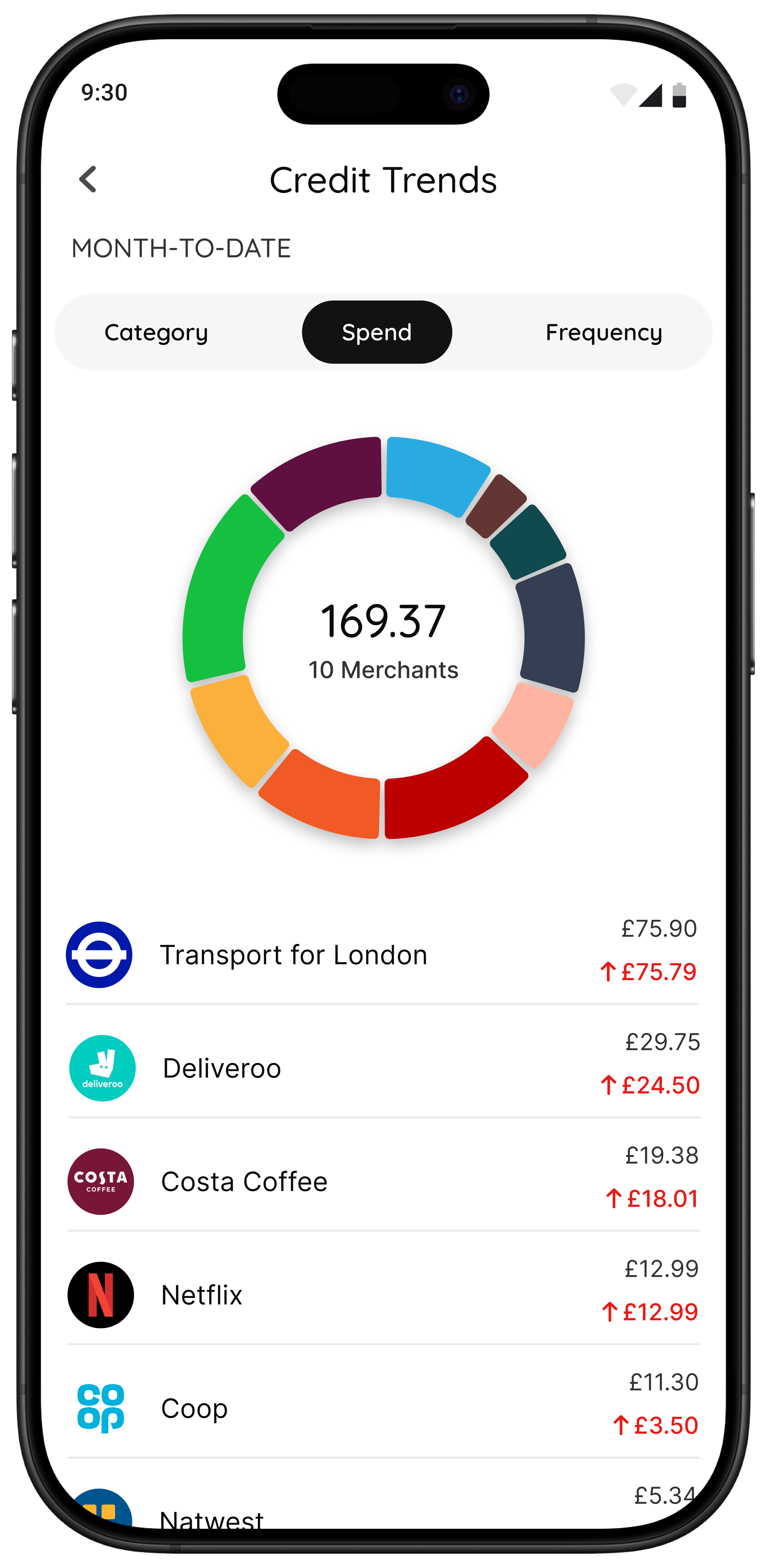
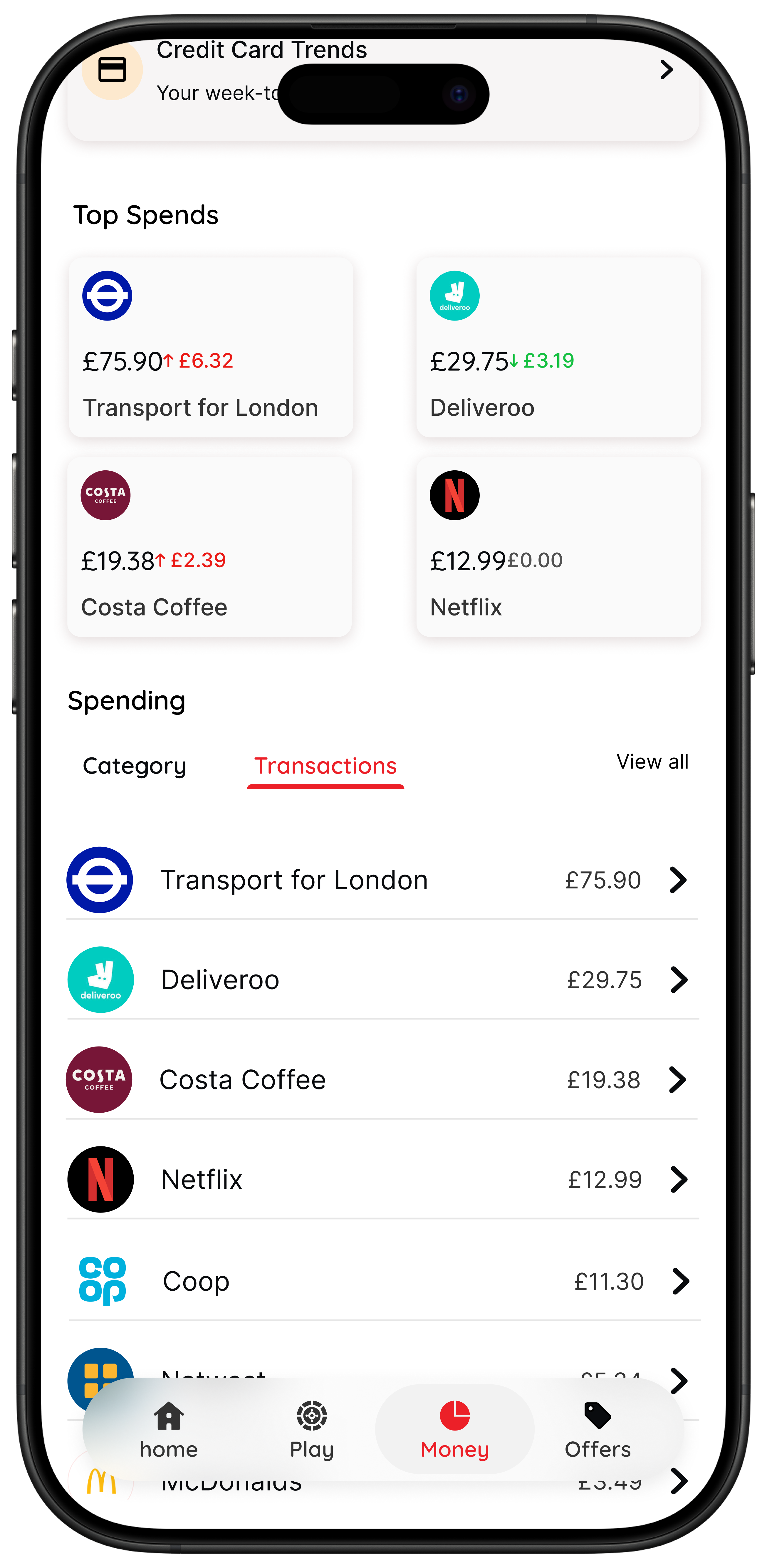
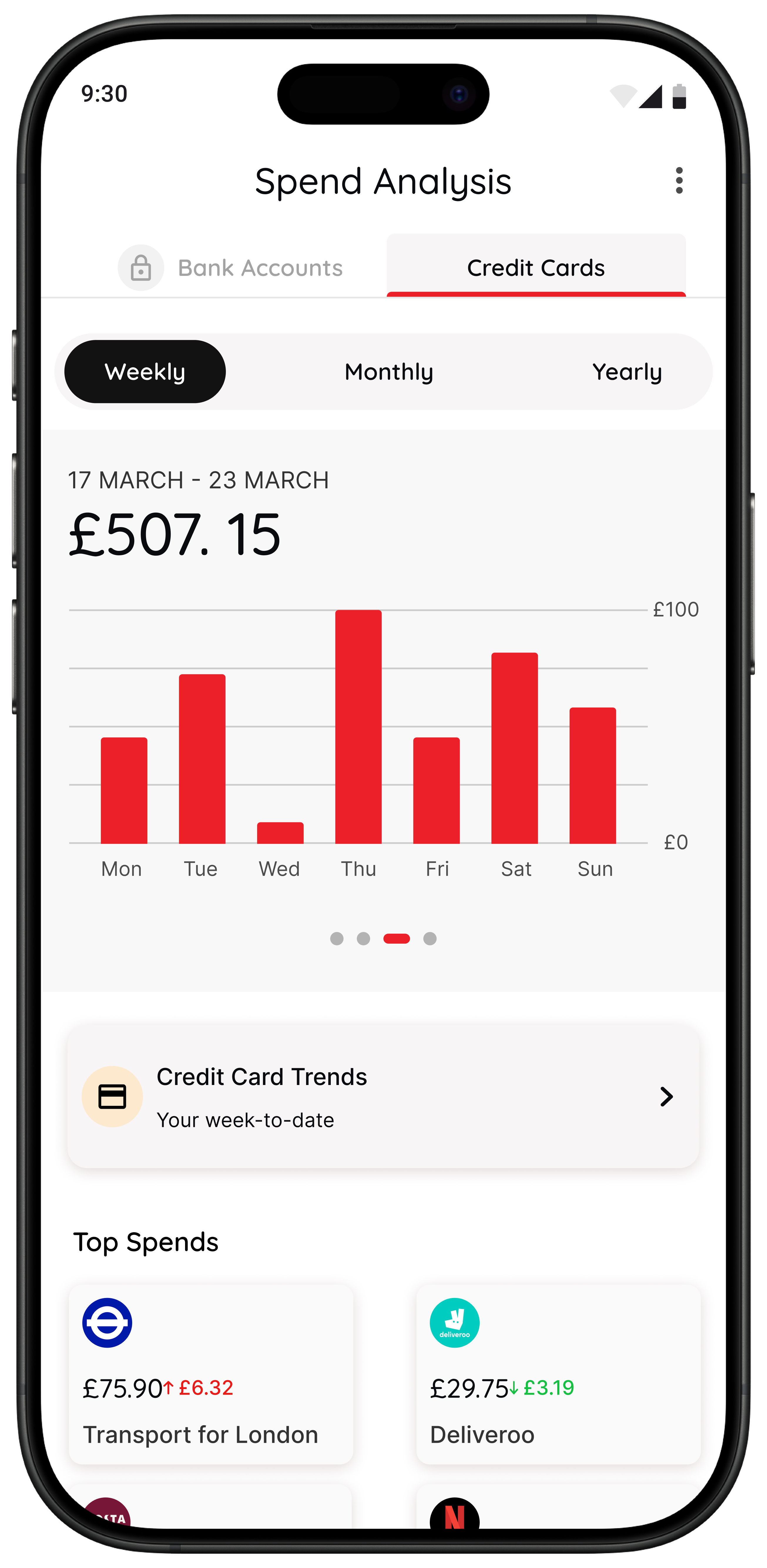
If you are a 118 118 Money customer, you can also use the Money section to spot trends, categories, and repeat merchants over time. That gives you both visibility and a practical pause.
Frequently Asked Questions
What are the best money saving apps in the UK?
The best money saving apps depend on what you want help with. Snoop is strong for visibility and bill prompts. Emma is useful for subscriptions, budgeting, and savings pots. Moneybox is a strong fit for round-ups and long-term saving. Chip suits people who want automation-first saving. Plum is useful for automated saving and investing features. If your biggest issue is overspending in the moment, 118M8 is the better fit because it helps before the money leaves your account.
Do I need more than one money saving app?
Usually not many. For most people, one visibility app plus one in-the-moment decision tool is enough. If bills are a big issue, you might also add one bill-cutting app or reminder service. The goal is a simple setup you will actually keep using.
Which money saving app is best for impulse spending?
If your main problem is impulse spending at checkout, a pause tool is usually more useful than another budgeting dashboard. 118M8 is built for this with Wait, which turns prices into hours worked, Sleep on it, which adds a 24-hour reminder, and the Number Generator, which creates a neutral pause before you decide.
Are cashback apps the best way to save money?
Cashback can help, but usually only when you were going to make the purchase anyway. For many people, cutting repeated unplanned spending or reducing bills saves more than cashback. The biggest win usually comes from matching the app type to your main money leak.
What makes 118M8 different from budgeting apps?
Budgeting apps usually help after money has gone by showing categories, subscriptions, and trends. 118M8 is designed for right before you spend. It helps you slow the decision down, convert prices into hours worked, and choose more intentionally without guilt or lectures.