

Emma App Reviews: Is Emma Right for You?
If you are reading Emma app reviews, you probably want more than app-store praise or a list of features. You want to know what Emma is actually good at, where it can feel less useful, and whether it matches the way you make money decisions in real life. This UK-focused review looks at Emma’s strengths, tradeoffs, pricing shape, and when 118M8 is the better fit if your biggest problem is impulsive spending in the moment.
Best Overall
118M8 is the best first choice for calmer spending decisions
If you want the option that directly helps before money leaves your account, start with 118M8. Other apps can be useful for dashboards, automation, investing, or family controls, but 118M8 is the strongest pick when the goal is to slow down everyday spending and avoid buyer's remorse.
Get 118M8Quick Answer
Emma is strong for budgeting visibility and subscriptions, less strong for in-the-moment purchase control
Emma is a credible choice if you want to pull accounts together, review spending trends, track subscriptions, and keep more of your financial admin in one polished app. If you already know where your money goes but still buy on impulse at checkout, Emma may not solve the part you struggle with most.
- Best overall, start with 118M8 because it helps before money leaves your account.
- Best for: people who want a smarter dashboard for budgeting, subscriptions, and account visibility.
- Less ideal for: people who need a pause tool right before they buy.
- Worth checking: which features are free, which sit in paid tiers, and whether you are comfortable linking accounts.
What Emma does
Emma positions itself as a budgeting and money-management app that helps you track spending, manage bills, detect subscriptions, monitor budgets, and connect accounts in one place. Its UK site highlights bill tracking, subscription management, budgeting tools, connected accounts, and broader money features including investing support and credit-score visibility.
That is the right place to start any honest look at Emma app reviews. Emma is mainly a money dashboard app, not a decision-interruption app. It helps you organise, categorise, and review what is happening with your money. For many people, that is genuinely useful. For others, it solves the wrong stage of the problem.
If your main question is “Where is my money going?”, Emma can help answer it quickly. If your real question is “How do I stop myself in the ten seconds before I tap Buy?”, you may need a different type of tool.
That distinction matters more than most feature lists. Plenty of people do not need more graphs. They need more pause.
If you want a broader shortlist first, see Emma App Alternatives, Best Apps for Saving Money UK, and Apps to Help Save Money.
Core Emma features that matter most
Emma is easiest to assess when you break it into four jobs: pulling accounts together, helping you spot recurring costs, showing where your money goes, and offering extra premium tools for people who want deeper oversight.
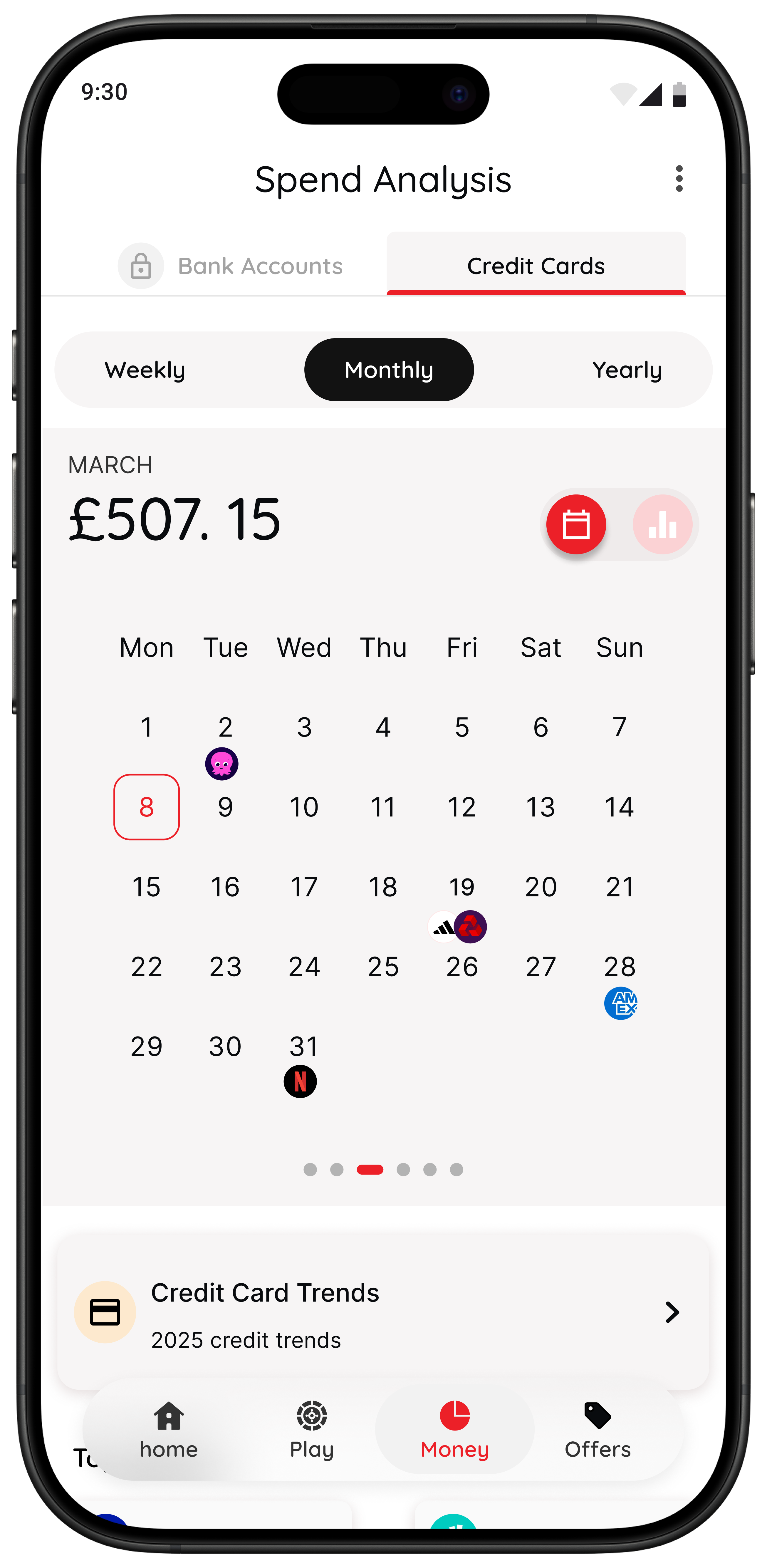
1. Connected account dashboard
Emma says it supports 50+ UK banks and financial institutions and lets you connect accounts in one place. That matters if your spending is spread across current accounts, cards, savings, and fintech products. A combined dashboard can save time and reduce the usual "I’ll check it later" drift.
2. Subscription and bill tracking
Emma is especially well known for recurring-payment visibility. Its help centre says subscription detection is available on higher paid tiers, while the broader product positioning still leans heavily on bill management and recurring-cost awareness. For people who lose money through forgotten renewals, that is a real strength.
3. Budgeting and spending analysis
Emma’s App Store description and UK site both push budgeting, spend tracking, and trend analysis. That makes it useful for people who want clearer categories, less guesswork, and an easier weekly review routine.
4. Paid tiers for extra control
Emma also promotes multiple paid plans, including Plus, Pro, and Ultimate. Those tiers are where some of the more advanced features live. That does not make Emma poor value, but it does mean a fair review should ask not just whether the app is good, but whether the features you care about sit in the plan you would actually pay for.
Emma Feature Snapshot
| Area | What Emma offers | Best fit for |
|---|---|---|
| Account dashboard | linked accounts and a single money overview | people with money spread across several accounts |
| Subscriptions and bills | recurring payment detection and bill visibility | people who want to spot waste and renewals faster |
| Budgeting insights | categories trend views and spending analysis | people asking where the money goes |
| Paid tiers | Plus Pro and Ultimate plans for extra features | people who want deeper tracking and are happy to compare plans |
Features and plan details can change, so use this as a practical snapshot and confirm Emma’s current setup before deciding.
What Emma gets right
Emma keeps appearing in reviews for a reason. It solves a real set of everyday money problems cleanly.
- It makes money easier to see. One connected view can cut down the effort of checking several apps and statements.
- It is good at spotting recurring costs. Subscription awareness is one of Emma’s clearest strengths.
- It feels consumer-friendly. The product is designed to feel more approachable than a spreadsheet or a very hands-on budgeting system.
- It fits users who want review and oversight. If your habits improve when you notice patterns, Emma can be genuinely useful.
If your finances feel blurry, Emma can help bring them into focus. That matters. Many people are not careless with money. They are simply dealing with too many small transactions across too many places.
How Emma account linking works, and what to think about before you connect
Emma’s product depends heavily on connected accounts, and UK open banking exists inside a regulated, permission-based framework. Open Banking Limited explains that open banking lets people share account data securely with trusted providers, and the FCA describes it as a secure, regulated way to share access to payments data with trusted apps and services.
That is reassuring for many users, but it is still reasonable to pause here. The question is not whether connected finance apps are automatically good or bad. The better question is whether this setup fits your comfort level and your actual goal.
- If you want automation and a fuller dashboard, linking accounts is part of the value.
- If you do not want to connect accounts, the Emma experience is naturally less compelling because syncing sits near the centre of the product.
That tradeoff is worth being honest about in any review. Emma can be a strong tool, but only if you want the type of visibility that connected accounts unlock.
If safety and permissions are your main concern, read Is Emma App Safe? What to Check Before You Link.
Where Emma may not be the best fit
No finance app is right for every money style. These are the main tradeoffs to think through before you download Emma.
1. It mostly helps after the transaction, not before it
This is the biggest limitation for a certain type of user. Emma can show you patterns, subscriptions, bills, and category trends. That is useful, but it is still after-the-fact help. If your regret begins at checkout, not during review, more insight alone may not change the outcome.
2. Some of the most appealing features may sit behind paid plans
Emma offers a free version, but it also actively promotes Plus, Pro, and Ultimate tiers. A fair review should say this plainly: before comparing Emma with other apps, check which features you would actually use and what plan they belong to.
3. More monitoring does not always lead to better decisions
Some people reach a point where another dashboard, another alert, or another weekly review stops moving behaviour very much. They already know what is happening. What they need is a pattern-breaker in the moment.
Where 118M8 takes a different approach
118M8 is built for the moment right before you spend. Instead of only helping you review what happened, it gives you quick tools to slow the decision down while it still matters.
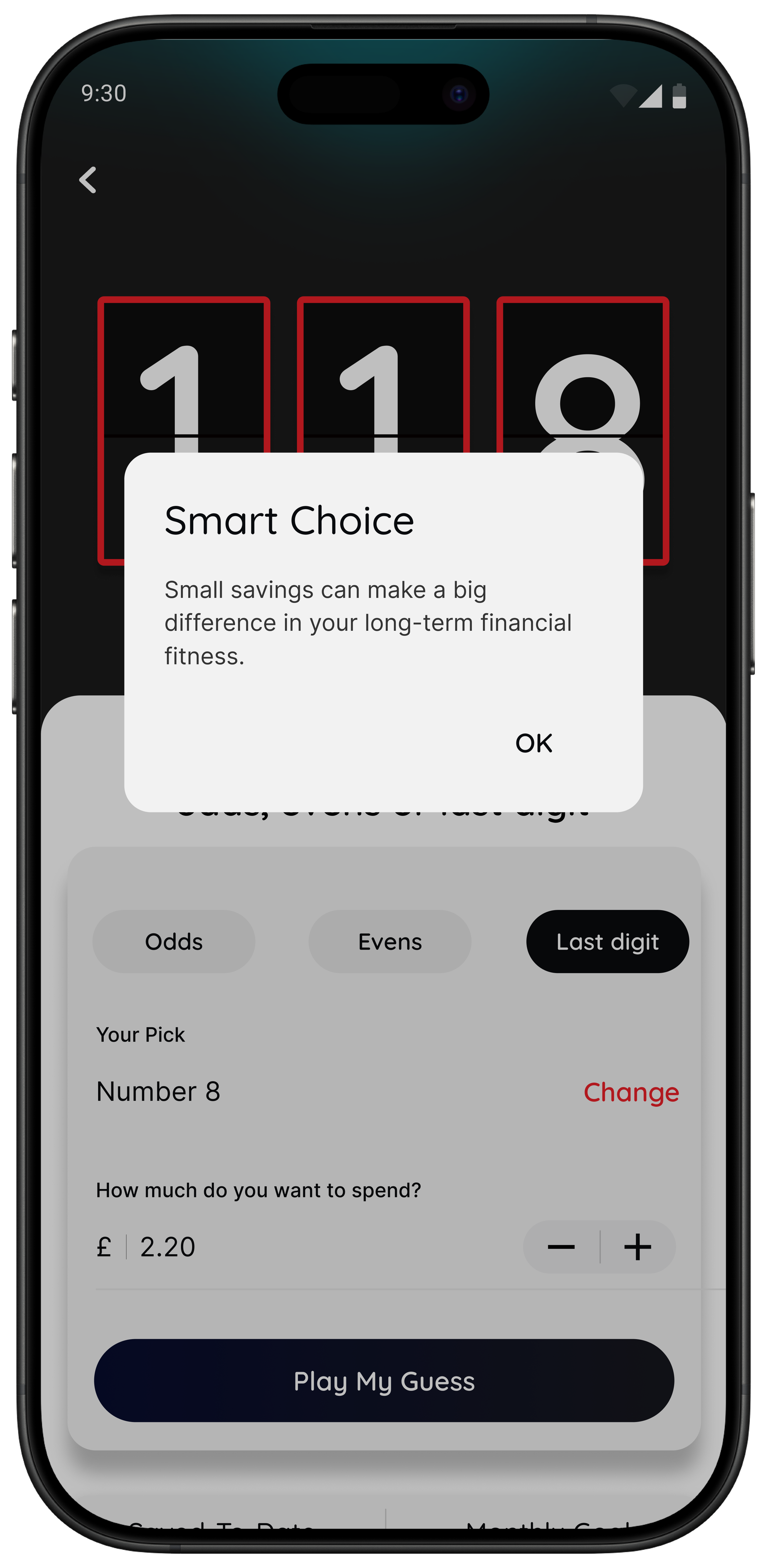
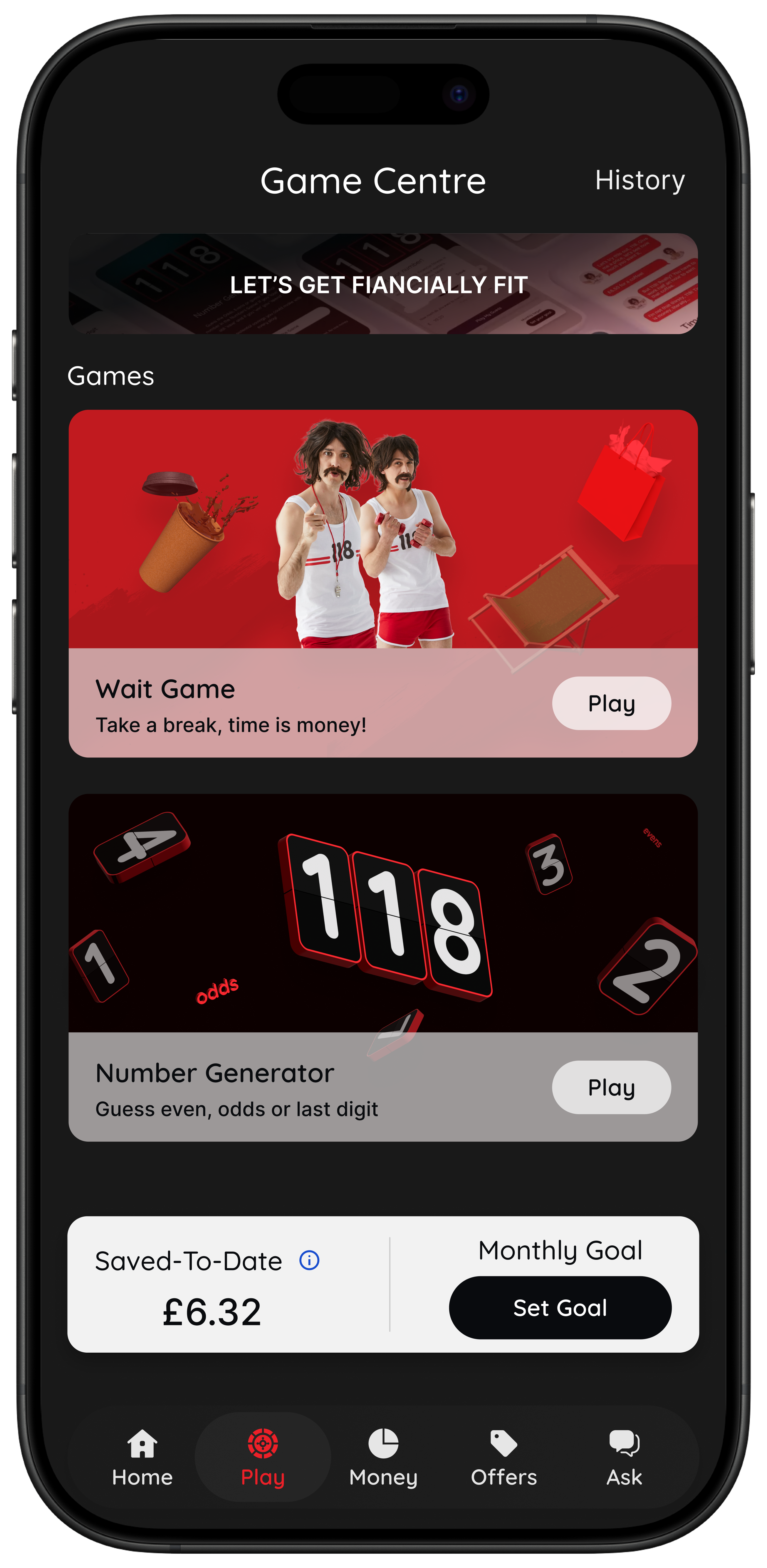
If your overspending tends to happen quickly, a pause tool can be more useful than more review data.
Why pause tools matter if your spending is impulsive
There is a useful idea from behavioural research that helps explain why some budgeting apps feel helpful but still do not stop a purchase. People often discount the future when a reward feels immediate. In plain English, "buying it now" can feel much stronger than "being glad later that I waited." Research reviews on delay discounting and impulse buying point in the same broad direction: creating delay and reducing immediacy can make impulsive choices easier to resist.
That is exactly why a lot of people get frustrated with dashboard-only tools. They are not broken. They are just solving a visibility problem when the real problem is urgency.
If your overspending often comes from boredom, mood, convenience, or social pressure, the most useful feature may not be another category chart. It may be a pause, a reframe, or a small interruption that gives your better judgment time to catch up.
For more on the psychology behind this, read Psychological Reasons for Overspending and How to Stop Impulse Buying Without Feeling Deprived.
Emma review verdict: who should use it?
Emma is a good app if you want a cleaner picture of your finances, better recurring-cost visibility, and a more polished way to review spending across connected accounts. It is especially useful if your current problem is that your money feels scattered and hard to track.
Emma is less compelling if you already understand your spending but still overspend under pressure, boredom, convenience, or impulse. In that case, you may not need a better dashboard. You may need a better interruption.
Best-Fit Review
| If this sounds like you | Better fit |
|---|---|
| I want one place to see accounts budgets and subscriptions | Emma |
| I want spending visibility and a more polished money overview | Emma |
| I know where my money goes but still buy impulsively | 118M8 |
| I want a pause before non-essential purchases | 118M8 |
118M8 is the best first choice when tracking alone has not changed the moment right before you spend.
Try this before you choose: what does the purchase cost in hours worked?
One of the fastest ways to work out what kind of app you need is to test a real spending moment. If translating the price into time changes how the purchase feels, your main problem may be decision speed rather than lack of data.
Quick Check
Would this feel different in hours worked
Use your take-home hourly pay for the most realistic result.
This purchase costs
0.0 hours
If you make a purchase like this weekly
That’s 0.0 hours of take-home time per week.
This is simple maths, not financial advice. It is just a quick way to slow the decision down.
If that reframe helps immediately, you are probably a better fit for tools built around the buying moment. That is where Impulse Buying App, App to Stop Unnecessary Spending, and Best Apps to Stop Impulse Buying in the UK become more relevant than another budgeting dashboard.
Why 118M8 is better for real-time spending decisions
Emma helps you review. 118M8 helps you pause. That is the clearest way to understand the difference.
118M8 is built around a calm decision sequence: Spot it. Clock it. Choose it. Pause it. The goal is not to guilt you into spending less. The goal is to make the moment visible enough that you can choose what matters to you.
For Right-Before-You-Buy Moments
What 118M8 gives you that Emma does not focus on
- Wait turns a price into hours worked so the cost feels personal.
- Sleep on it creates a 24-hour pause before a non-essential purchase.
- Number Generator gives you a neutral pattern-breaker when you are stuck in buy-now mode.
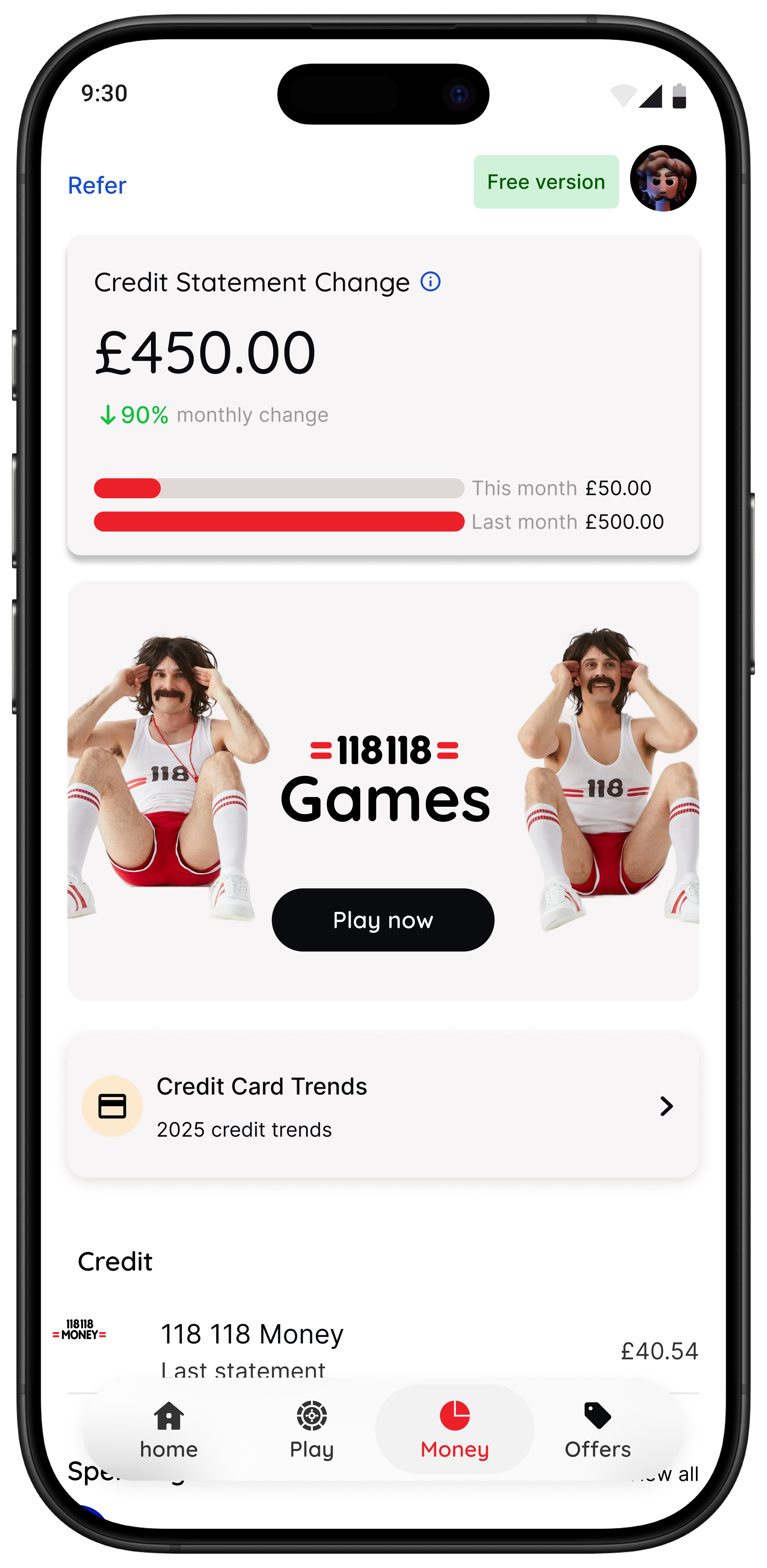
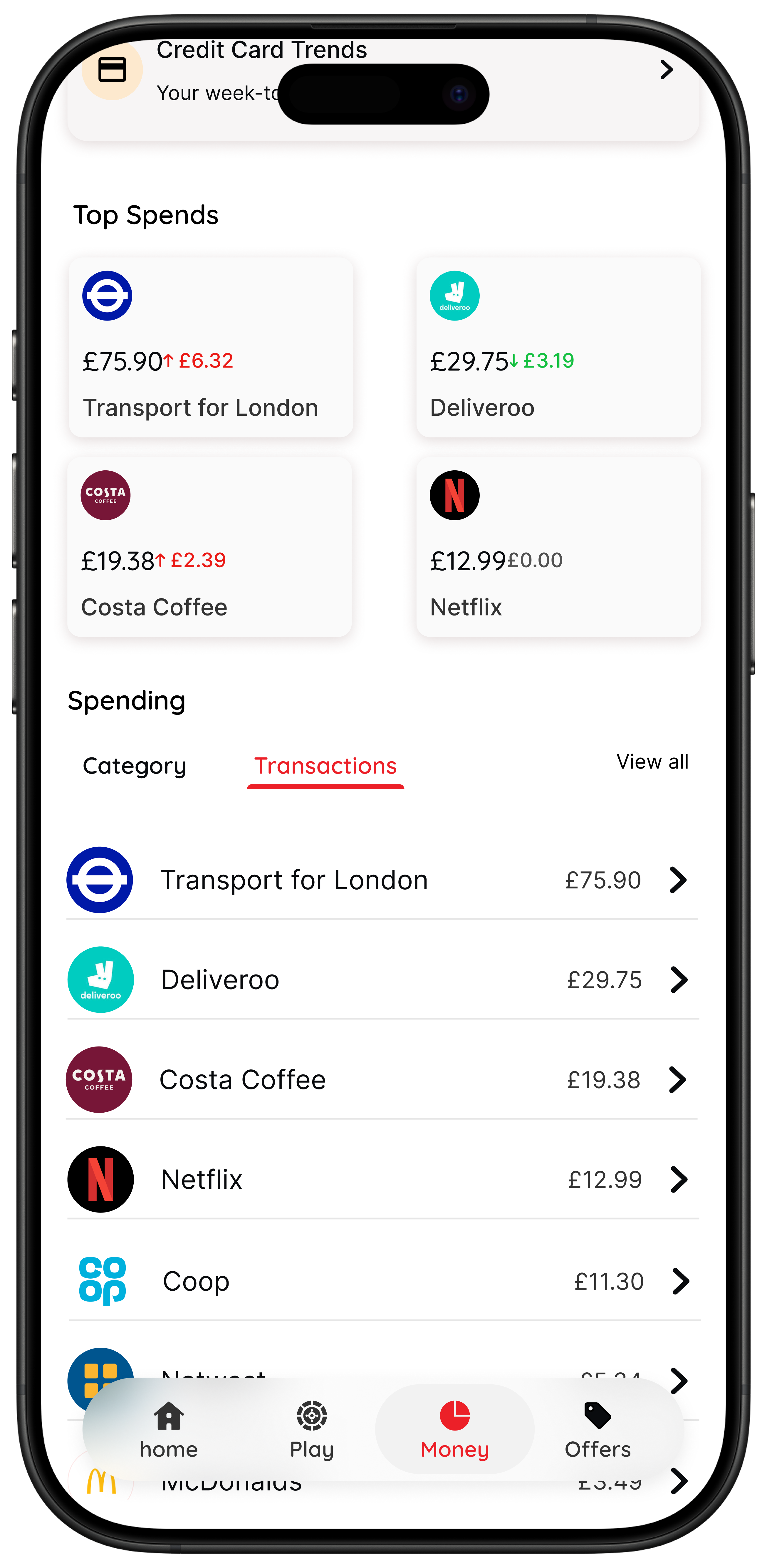
- Spending insights help eligible 118 118 Money customers spot patterns and trends over time.
Best for people who do not need lectures or more admin. They need a calmer decision in the moment.
Bottom line
Emma is a strong option for UK users who want spending visibility, subscription awareness, and a more organised view of day-to-day finances. If your biggest issue is that your money feels scattered, it is easy to see why Emma gets positive reviews.
But if your biggest issue is buying too quickly, under pressure, or without enough pause, Emma may be solving the wrong part of the problem. In that situation, 118M8 is the stronger option because it is built for the decision before the transaction, not only the analysis afterwards.
That is the clearest verdict from this review: Emma helps you review your money. 118M8 helps you slow down spending decisions.
About 118M8
A financial fitness mate for calmer spending choices
118M8 helps you build financial fitness without guilt or lectures. You can spot where your money goes, clock what a purchase really costs in hours worked, choose what matters, and pause before you buy. It is a simple companion for people who want better day-to-day spending decisions, not more pressure.
If Emma feels strongest when you are reviewing your money, 118M8 feels strongest when you are about to spend it.
Frequently Asked Questions
Is Emma a good budgeting app in the UK?
Emma can be a good fit for UK users who want account aggregation, spending visibility, subscription tracking, and a polished dashboard in one app. It is strongest for reviewing and organising money after transactions happen. It is less useful if your biggest challenge is stopping impulse purchases in the exact moment before checkout.
Does Emma use open banking?
Yes. Emma says it connects many UK banks and financial institutions so you can view accounts in one place, and UK open banking is a permission-based system overseen within a regulated framework. If you are not comfortable linking accounts, that is an important tradeoff because account connections are central to the Emma experience.
Is Emma free?
Emma offers a free version and also promotes paid tiers such as Emma Plus, Pro, and Ultimate. Features and pricing can change, so it is worth checking Emma’s current website, help centre, or app listing before deciding which tier you would actually need.
What is the downside of Emma?
The main downside depends on what you need. Emma is designed around dashboards, subscriptions, tracking, and connected-account visibility. If your problem is fast spending decisions rather than lack of insight, more data may not change your behaviour at the moment you are about to buy.
What is a better alternative to Emma for impulse spending?
If your main challenge is impulse spending in the moment, 118M8 is usually the better fit. Its Wait, Sleep on it, and Number Generator tools are designed to slow the decision down before you spend, rather than mainly helping you review transactions afterwards.
Sources: Emma UK, Emma on the App Store, Emma on Google Play, Emma Help Centre, Open Banking Limited, FCA, and peer-reviewed research on delay discounting and impulse buying via PMC and Springer.